5 hrs ago
Mecca Defence Alliance Reshapes West Asian Security Calculus for India
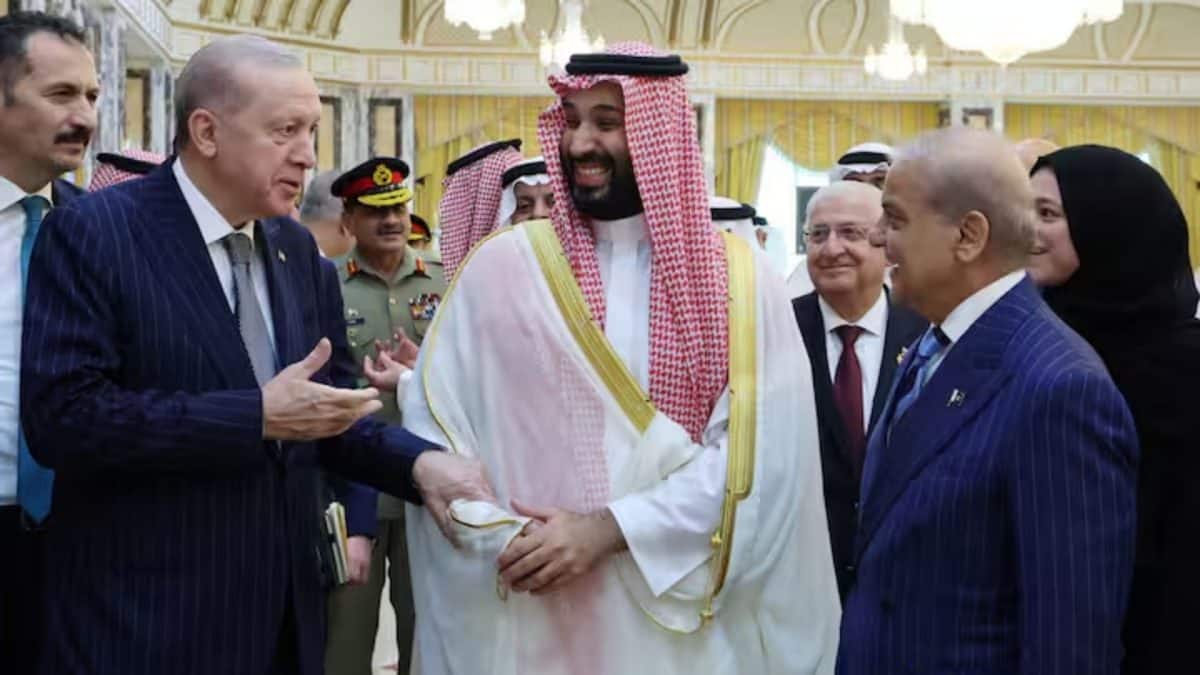
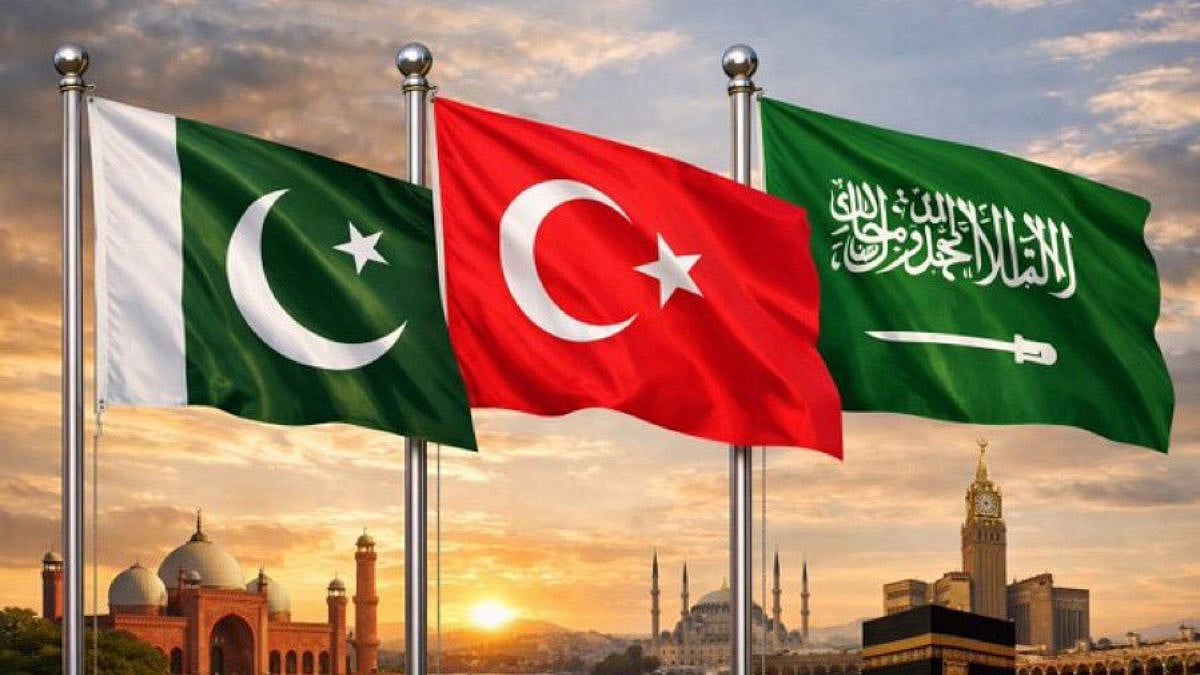
Saudi Arabia, Pakistan, and Turkey have created a new defence partnership.
They agreed to work together on military technology, training, and defence industries.
The partnership was formally organised in Istanbul on August 31.
Saudi Arabia may provide money for some Turkish weapons projects.
Pakistan brings long-standing military links with Saudi Arabia and Turkey.
Some countries, including Egypt, are not joining because they have different security relationships.
Israel is widely believed to view the alliance as a possible challenge.
The alliance may add another layer of protection in the region, but it does not replace Saudi Arabia’s relationship with the United States.
India is advised to watch the partnership closely and strengthen its ties with Saudi Arabia and Turkey.

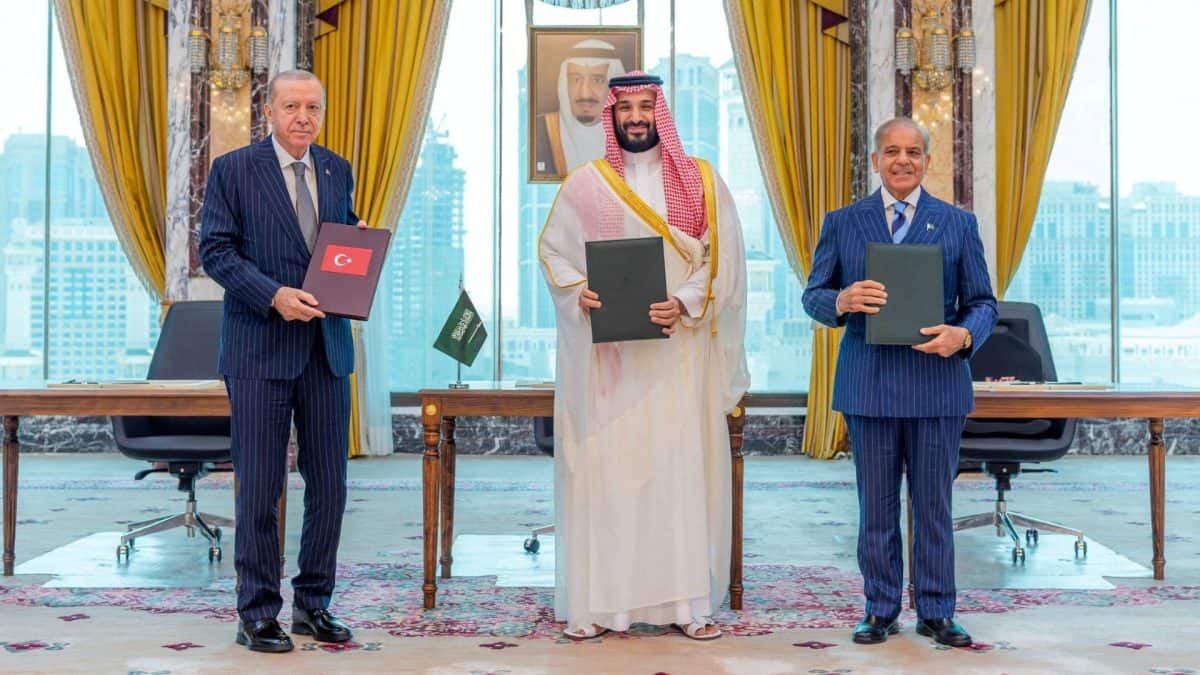
Saudi Arabia, Pakistan, and Turkey institutionalised the Mecca Defence Alliance on August 31 in Istanbul.
The alliance will focus on deterrence, de-escalation, defence cooperation, and joint technology production.
Turkey seeks Saudi financing for its KAAN fighter and Steel Dome air-defence system.
The pact builds on longstanding Saudi-Pakistani security ties and adds Turkey’s defence capabilities.
The alliance may complicate Gulf security arrangements, while Saudi Arabia is expected to retain reliance on Washington.
- Who
- Saudi Arabia, Pakistan, and Turkey formed the Mecca Defence Alliance.
- What
- The alliance is a framework for collective deterrence, de-escalation, defence cooperation, and joint production of military technologies.
- Where
- The alliance was formally institutionalised in Istanbul, with a permanent secretariat planned for Riyadh.
- When
- The Mecca Joint Defence Agreement was concluded on August 7 and formally institutionalised on August 31.
- Why
- The members seek stronger defence capabilities, closer military-industrial cooperation, and an additional layer of regional deterrence.
Limited Regional Deterrence
Emerging Strategic Challenge
Purpose of the alliance
Limited Regional Deterrence
The alliance currently appears focused on institutional cooperation, de-escalation, and defence-industrial projects rather than an automatic military response to every attack.
Emerging Strategic Challenge
Its creation adds a new security axis in West Asia and is widely viewed unofficially as being aimed at Israel.
Strength of collective defence
Limited Regional Deterrence
The members have distinct regional security priorities, and past events show that existing security commitments have not always produced joint military action.
Emerging Strategic Challenge
The alliance combines Saudi financial resources, Pakistani military expertise, and Turkish defence technology, potentially creating a meaningful additional deterrent.
Impact on regional diplomacy
Limited Regional Deterrence
Saudi Arabia’s foundational security reliance on Washington is expected to remain intact, limiting the alliance’s ability to replace existing arrangements.
Emerging Strategic Challenge
The pact could delay Saudi-Israeli normalisation, reduce the cohesion of the Gulf Cooperation Council security framework, and complicate relations among regional powers.
Key facts
- Founding members
- Saudi Arabia, Pakistan, and Turkey
- Formal institutionalisation
- August 31 at the inaugural meeting of the Strategic Political and Defence Committee in Istanbul
- Permanent secretariat
- Riyadh, Saudi Arabia
- Secretary-General
- A Pakistani nominee will serve an initial three-year term
- Defence priorities
- Collective deterrence, de-escalation, defence-industry cooperation, and joint technology production
- Potential expansion
- Turkey identified Egypt, Bangladesh, and Syria as possible future participants
- India's recommended response
- Monitor the alliance, deepen the strategic partnership with Saudi Arabia, and expand engagement with Turkey
Sources
Related news

Saudi Arabia, Turkey, Pakistan Sign Mecca Defence Agreement
Pakistan seeks Mecca pact front against Israel and India
Saudi-Turkey-Pakistan Defence Pact Raises Security Concerns For India
Why Pakistan’s Mecca Pact May Not Shield It From India
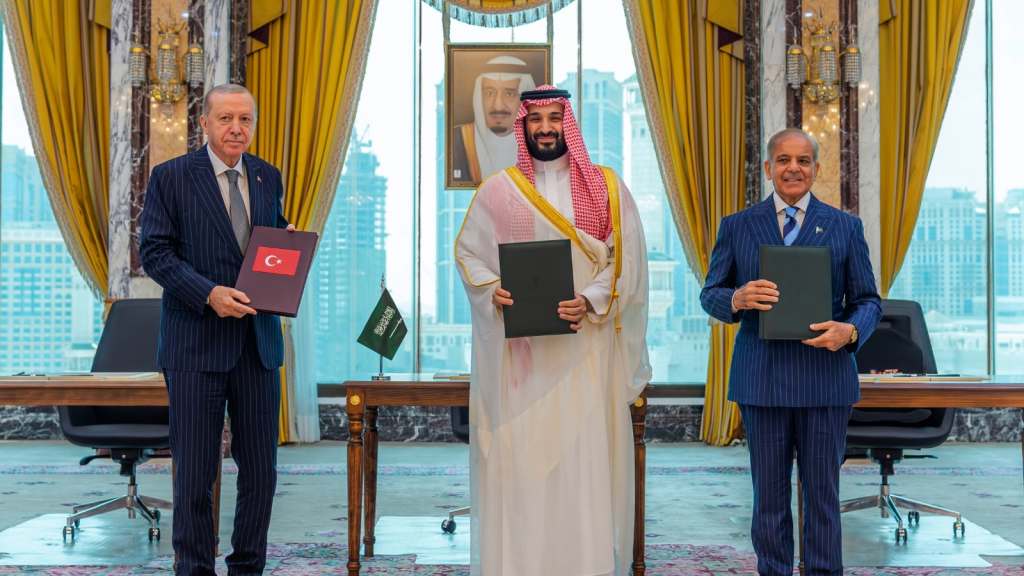
India urged to respond carefully to Pakistan-Saudi-Turkey defence pact
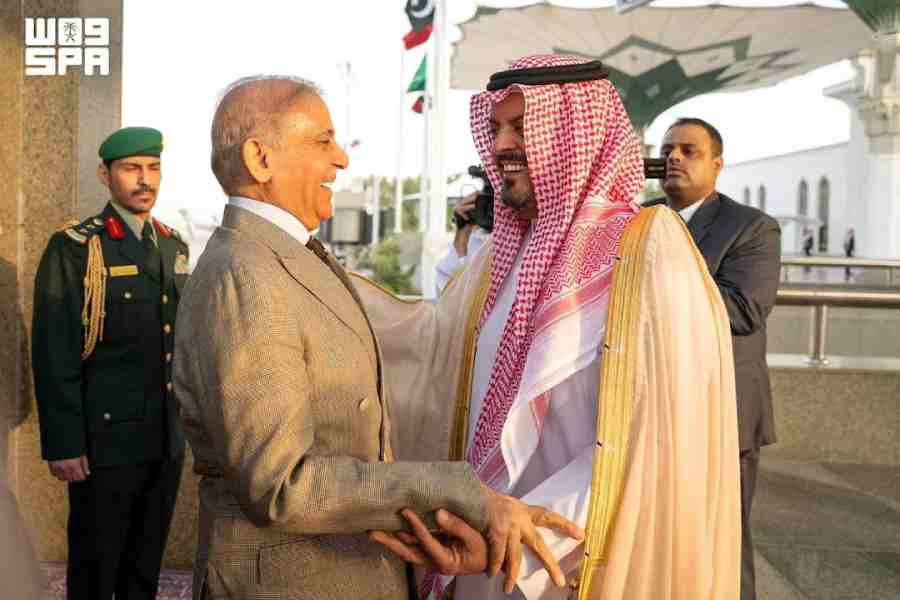
Pakistan, Saudi Arabia and Turkey Sign Mutual Defence Pact
China, Türkiye Military Airlift to Pakistan Raises Defence Questions
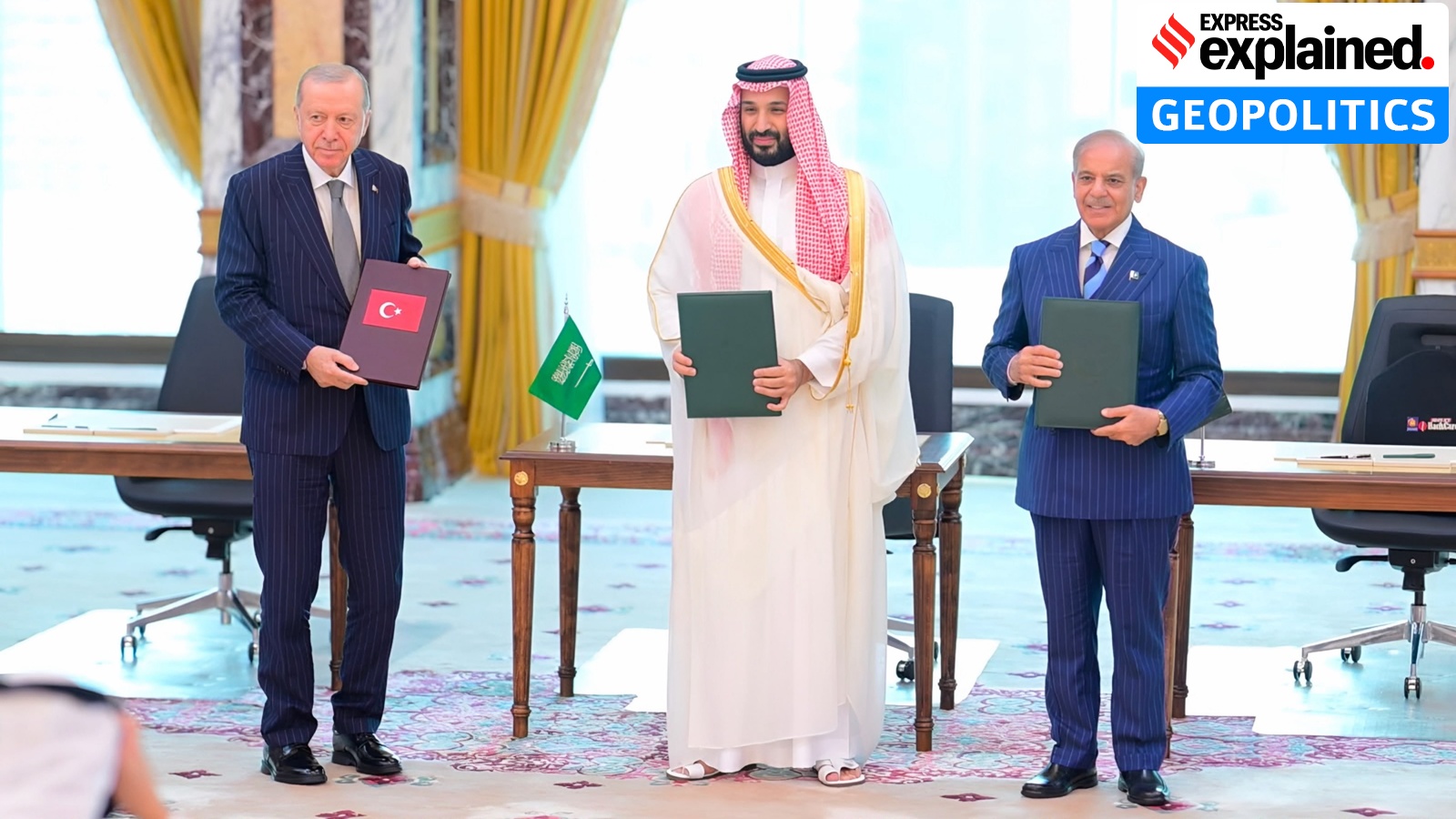
Saudi Arabia, Turkey, Pakistan Sign Mecca Joint Defence Agreement

Pakistan and Indonesia near jets and drones deal