

3 weeks ago
Saudi Arabia, Turkey, Pakistan Sign Mecca Joint Defence Agreement
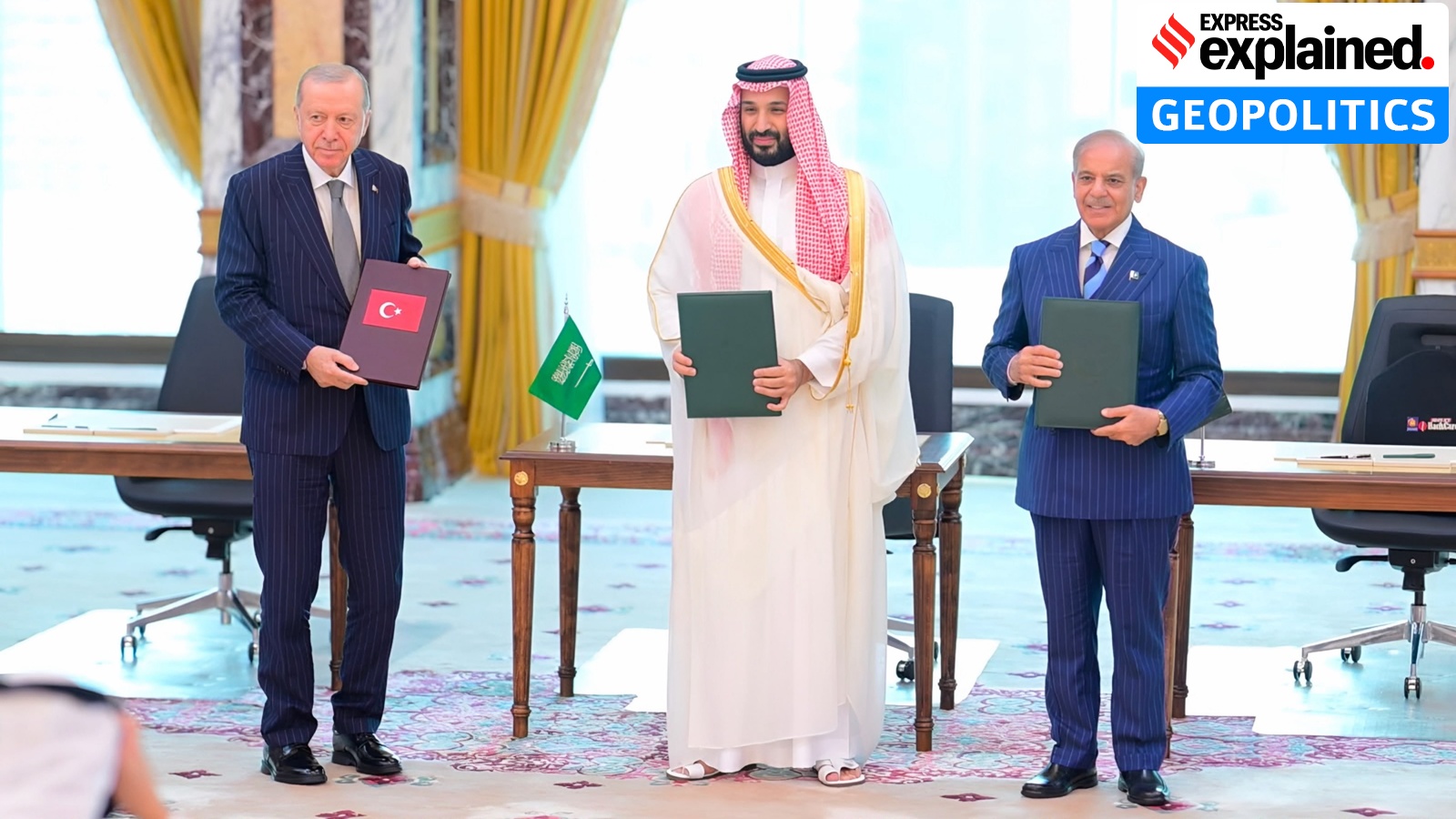
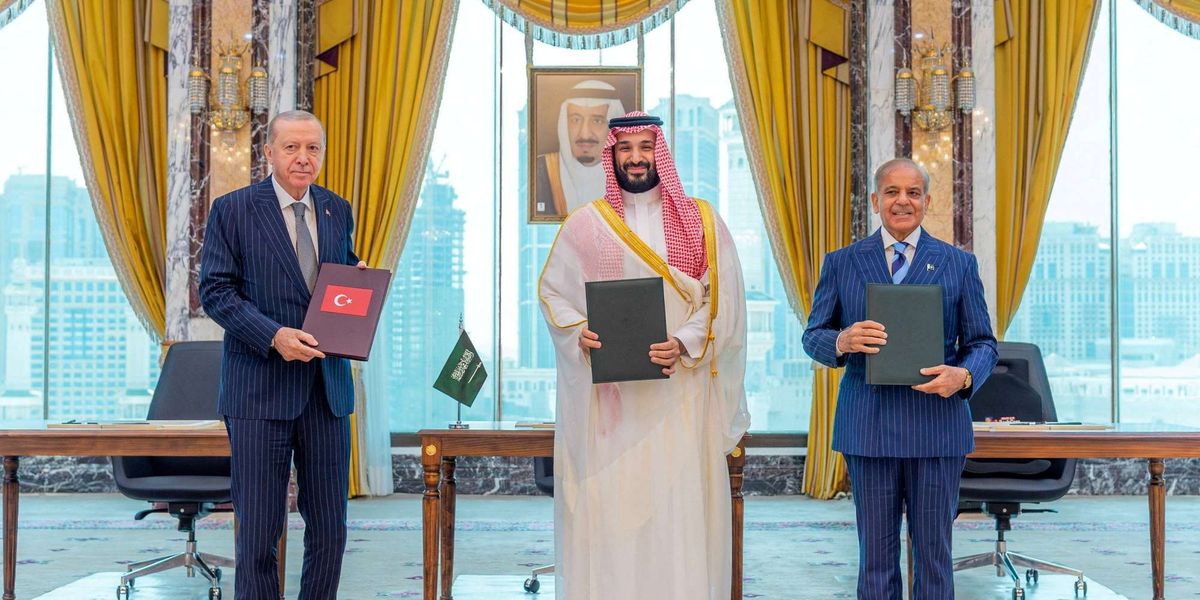
Three countries — Saudi Arabia, Turkey and Pakistan — signed a promise called the Mecca Joint Defence Agreement on 7 August 2026.
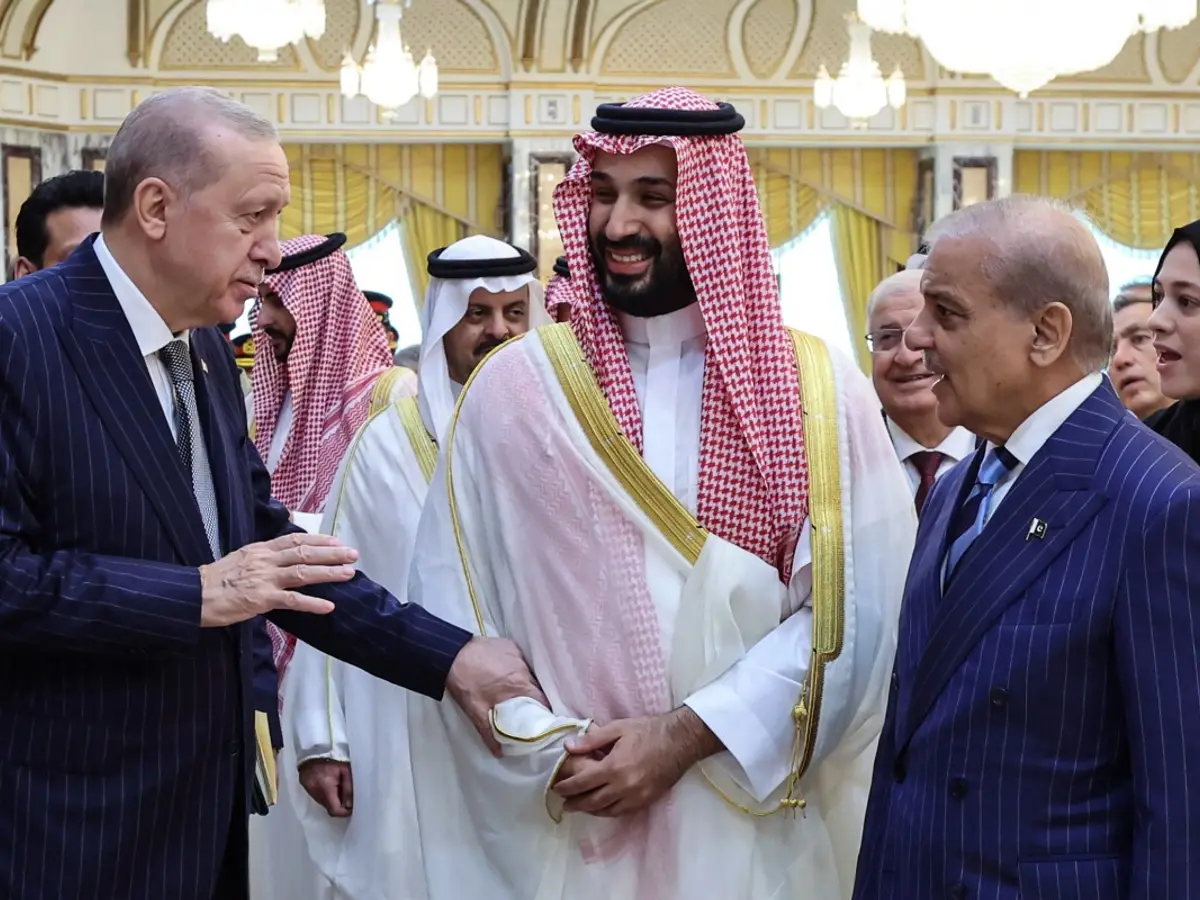
They made the promise in the holy city of Mecca, where Saudi Arabia's Crown Prince Mohammed bin Salman was present.
The promise says that if an enemy attacks one of them, it is like attacking all three.
Saudi Arabia is rich and sits on important sea routes, Turkey makes smart drones and war planes, and Pakistan has a big army and is the only Muslim-majority country with nuclear weapons.
The countries say the agreement is only for defence, not for starting wars.
They also agreed to train together, share information, and work on military technology.
There is no big central command like NATO has, and no shared budget, so each country still decides how much help to give.
Some people in Iran laughed at the agreement and called it just paper, because Pakistan did not fight back when Iran attacked Saudi territory before.
Israel did not say anything officially, but some Israeli leaders called it a 'hostile Sunni axis.'
The agreement happened because there is a big war in West Asia and Saudi Arabia wants more friends to keep it safe.

Saudi Arabia, Turkey and Pakistan signed the trilateral Mecca Joint Defence Agreement on 7 August 2026, pledging to treat an armed attack on any one member as an attack on all.
The pact, signed in the presence of Crown Prince Mohammed bin Salman, extends the September 2025 Saudi-Pakistan Strategic Mutual Defence Agreement and adds Turkey's NATO-standard military and drone industry.
It covers collective deterrence, joint training, intelligence sharing and defence-industrial cooperation, but has no integrated command, common budget or nuclear-sharing clause.
Iran dismissed the pact as symbolic paper diplomacy; Pakistan earlier refrained from direct military retaliation when Iran reportedly struck Saudi territory.
Israel stayed officially silent amid informal concerns of a 'hostile Sunni axis,' while India said it is closely following the development and denied approaching Israel for a defence pact.
- Who
- Saudi Arabia, Turkey and Pakistan, with Crown Prince Mohammed bin Salman present at the signing
- What
- Signed the trilateral Mecca Joint Defence Agreement, declaring an armed attack on any one member an attack on all
- Where
- Mecca (Makkah)
- When
- 7 August 2026
- Why
- To pool collective deterrence amid the widening US-Israel-Iran confrontation and reduce reliance on the US security umbrella
Defensive risk-pooling pact
Threatening 'Sunni axis'
Nature of the pact
Defensive risk-pooling pact
Turkish officials stress the pact is 'purely defensive' and 'not directed against any specific actor,' and it is open to future members.
Threatening 'Sunni axis'
Iranian parliamentary and clerical voices mock it as begging for protection, while informal Israeli commentary sees it as building deterrence against both Iran and Israel.
Deterrence credibility
Defensive risk-pooling pact
Pooling Saudi financial depth, Turkish military technology and Pakistani manpower creates credible collective deterrence against any attacker.
Threatening 'Sunni axis'
Tehran calls it symbolic paper diplomacy; Pakistan refrained from any direct military retaliation when Iran reportedly struck Saudi territory, showing these pacts lack automatic trigger clauses.
Targets and scope
Defensive risk-pooling pact
Signatories say obligations are defensive, an aggression-exclusion clause protects against misuse, and each member keeps discretion over how to respond.
Threatening 'Sunni axis'
Former Israeli PM Naftali Bennett accused Turkey of seeking to build a 'hostile Sunni axis with nuclear Pakistan,' and analysts note the goal of deterring 'aggressive military stances' from both Iran and Israel.
Key facts
- Agreement
- Mecca (Makkah) Joint Defence Agreement
- Signatories
- Saudi Arabia, Turkey, Pakistan
- Signed
- 7 August 2026
- Location
- Mecca (Makkah)
- Predecessor
- September 2025 Saudi-Pakistan Strategic Mutual Defence Agreement
- Legal basis
- Article 51 of the UN Charter (collective self-defence)
- Nuclear clause
- None in the public text
- Iran's reaction
- Dismissed as symbolic paper diplomacy; no official statement from top leadership
Quotes
Former Israeli PM Naftali Bennett
Israel’s former prime minister
“"a framework for closer coordination"”
 wionews.com
“"the new Iran"”
wionews.com
The pact’s own architects
Signatories of the Mecca Joint Defence Agreement
“"purely defensive" and open to future members”
wionews.com
Sources
Related news
Saudi Arabia, Turkey and Pakistan sign Mecca Joint Defence Agreement

Mecca Joint Defence Pact Risks Remaining Rhetorical, Report Warns

Saudi Arabia, Turkey, Pakistan Sign Mecca Joint Defence Agreement

Saudi Arabia, Turkey, Pakistan Sign Mecca Defence Agreement
Pakistan seeks Mecca pact front against Israel and India
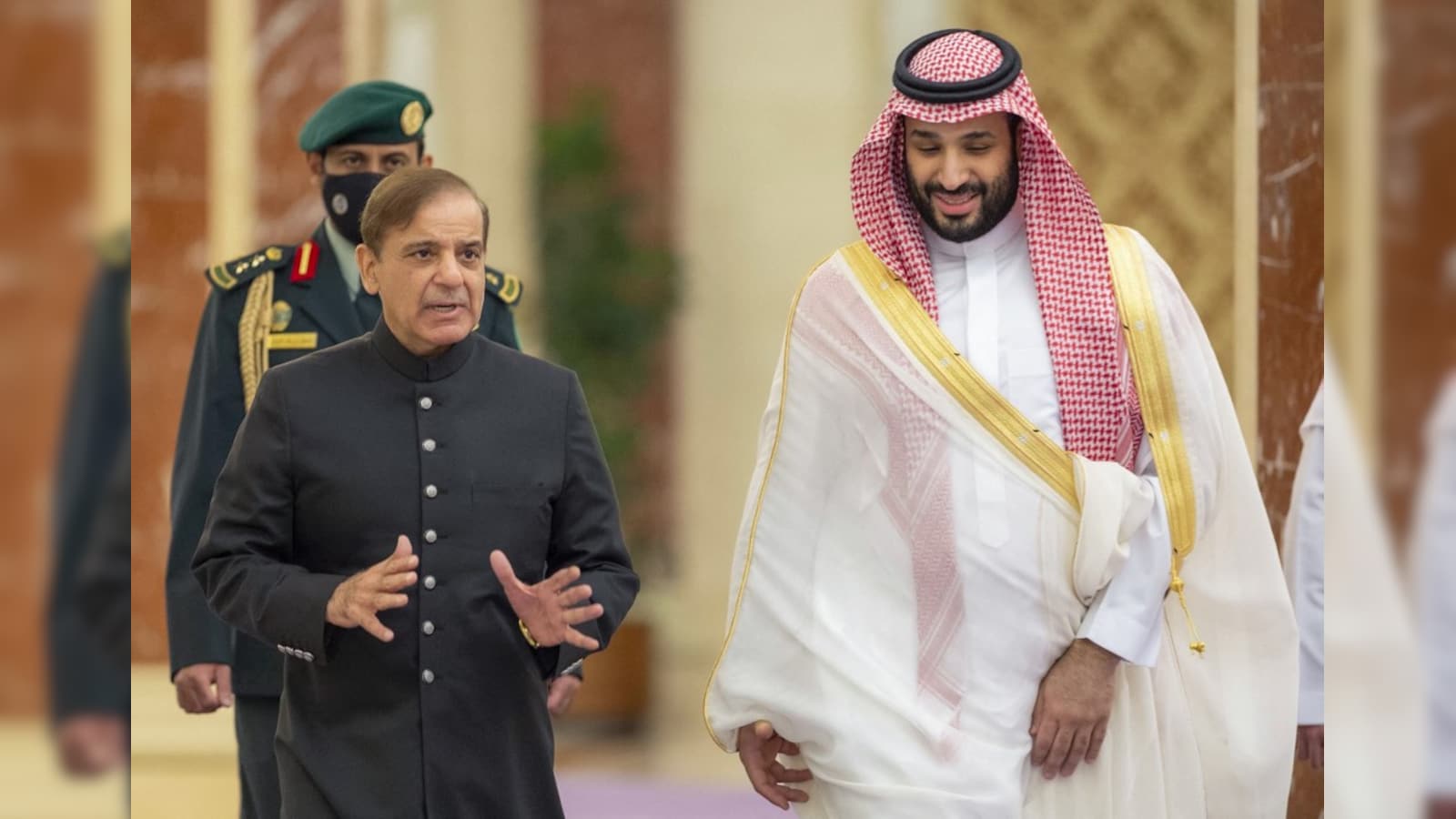
How Far Will Saudi Arabia Go for Pakistan's Mecca Pact?
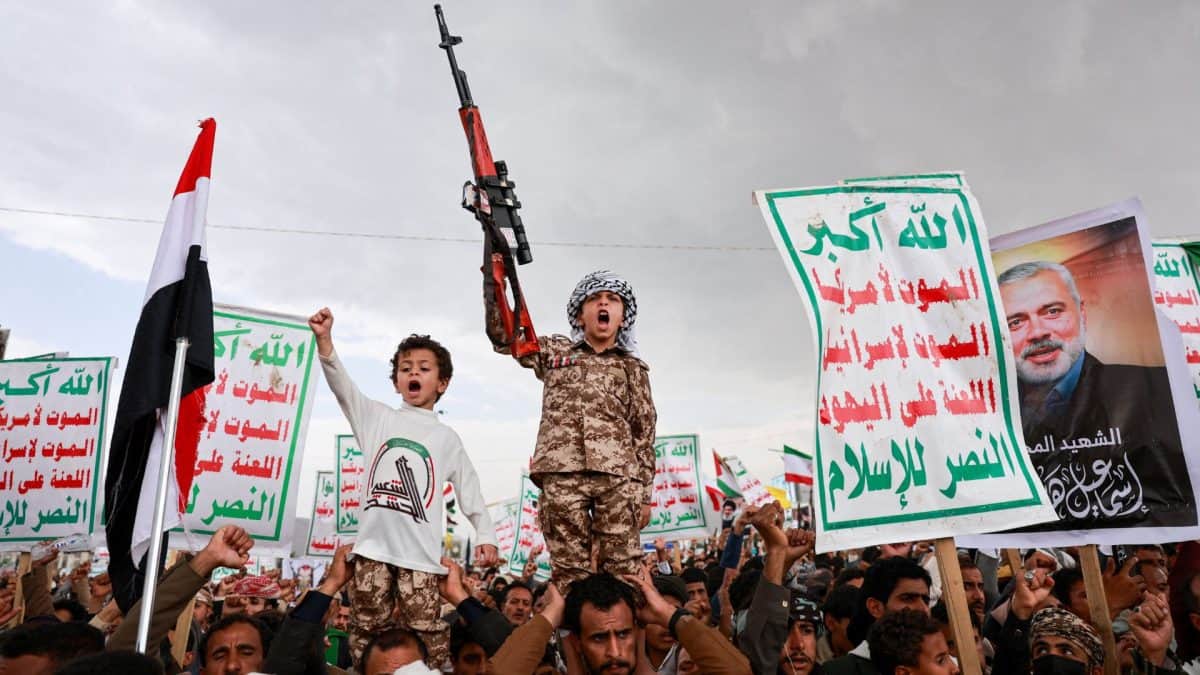
Iran’s Proxy Network Weakens, But Its Wars Persist

Welspun Corp, Perma-Pipe Plan Jordan Pipe Manufacturing JV

WhatsApp Group Exposed Vast Hawala Network Tied to Crime

India Seek First Win Over Syria in U20 Qualifiers
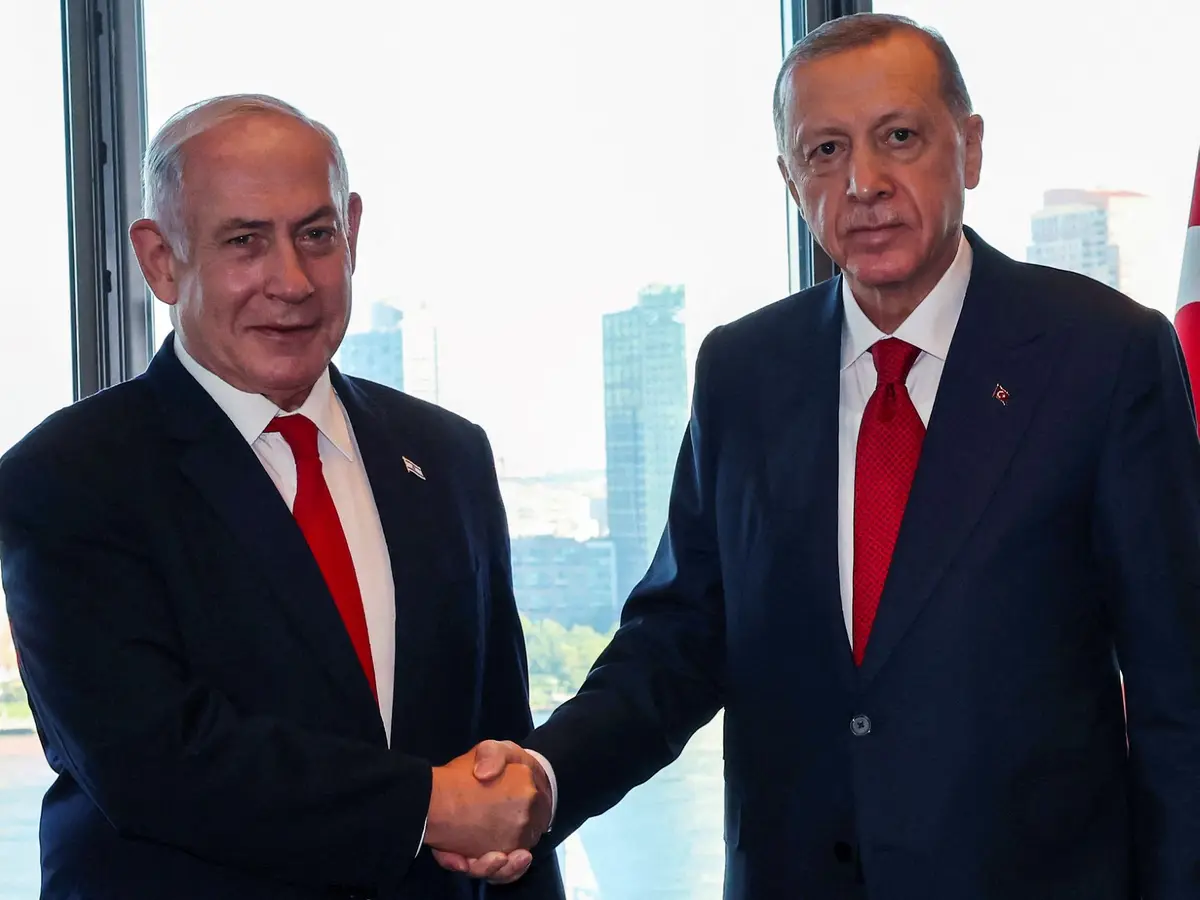
Turkey-Israel Rivalry Deepens Over Syria and Regional Influence
