1 day ago
Why Pakistan’s Mecca Pact May Not Shield It From India
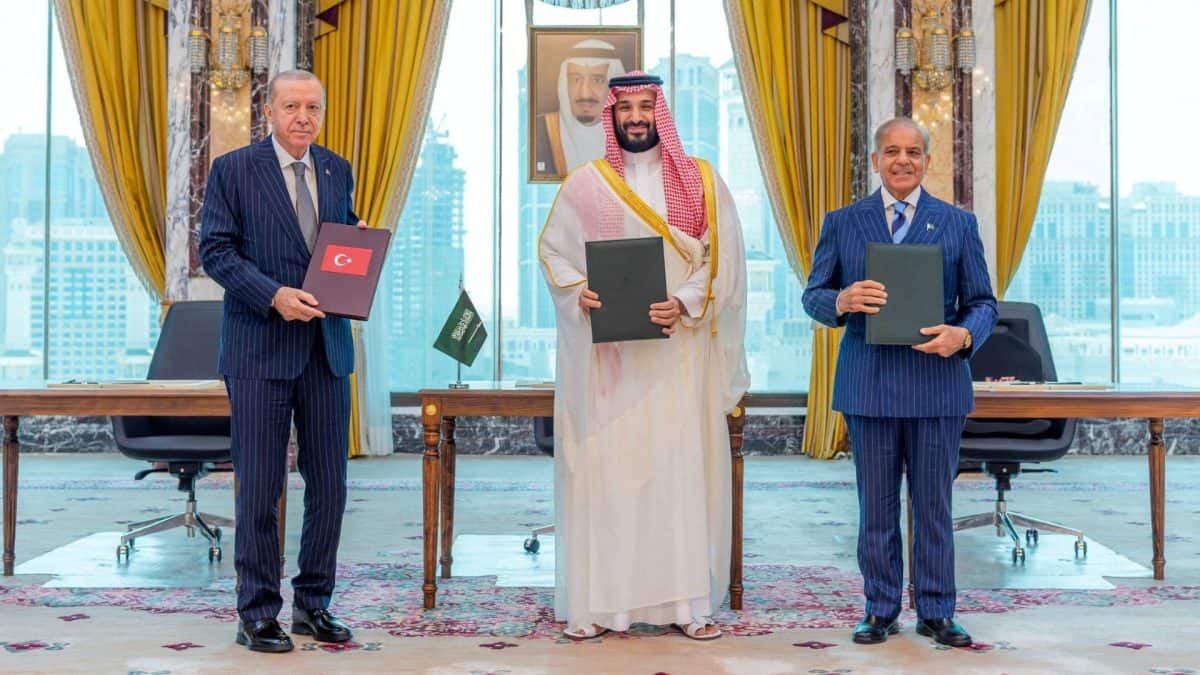
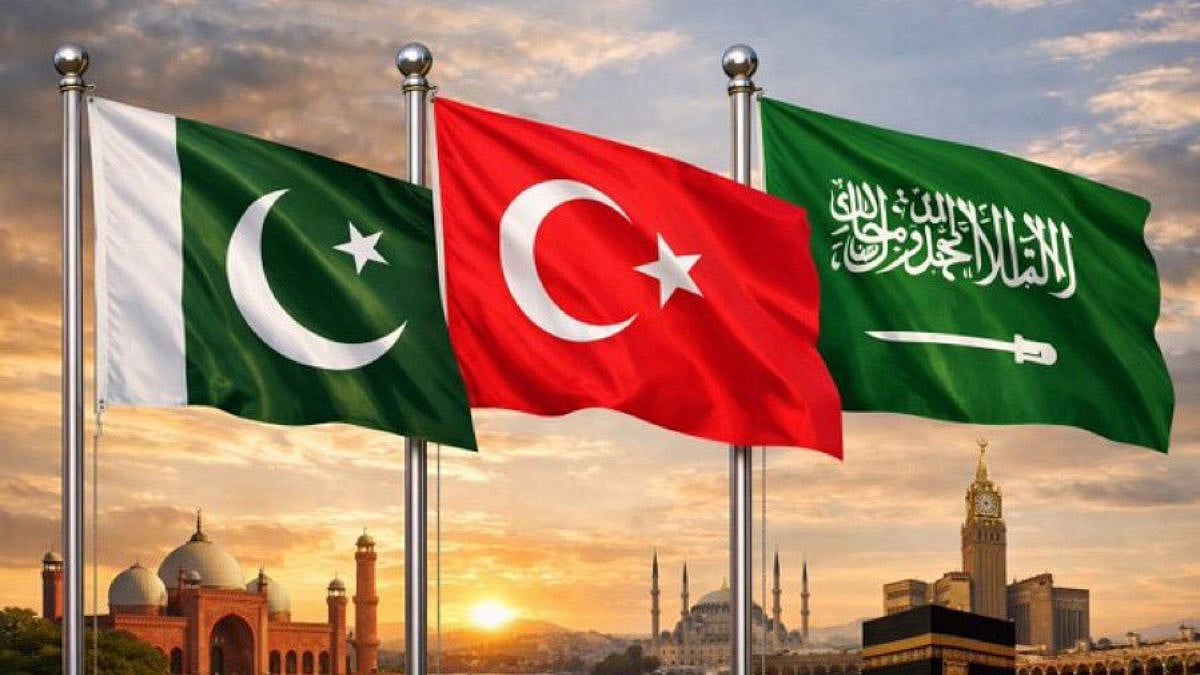
Saudi Arabia, Turkey and Pakistan signed a defence agreement called the Mecca Agreement.
The agreement is supposed to discourage attacks against its members.
Its full text has not been made public.
Soon after it was signed, Houthi forces attacked a Saudi oil refinery, and neither Turkey nor Pakistan came to Saudi Arabia’s defence.
The article says the United States is still keeping many troops and military bases in the region.
India is worried that the agreement could help Pakistan in a future war.
However, the article argues that Saudi Arabia and Turkey are unlikely to fight India for Pakistan.
Pakistan is using the agreement to appear more important internationally while facing serious problems at home.
The article concludes that the pact may never be used in an actual conflict.

Saudi Arabia, Turkey and Pakistan signed the Mecca Joint Defence Agreement in Mecca on August 7, 2026.
The agreement’s text remains unpublished, while officials have described its main purpose as deterrence.
The article argues the pact has not prevented Houthi attacks on Saudi Arabia and is unlikely to reduce the United States military presence in West Asia.
India’s concern is whether Saudi Arabia or Turkey would support Pakistan in a future conflict, but the article says neither is likely to fight India.
Pakistan is presenting the agreement as a diplomatic gain amid internal unrest and tensions following Operation Sindoor.
- Who
- Saudi Arabia, Turkey and Pakistan signed the Mecca Joint Defence Agreement; India is assessing its possible implications.
- What
- The agreement is presented as a mutual defence and deterrence pact, but its full text has not been released.
- Where
- The agreement was signed in Mecca, with the follow-up meeting held in Istanbul.
- When
- It was signed on August 7, 2026; a follow-up ministerial and military meeting took place in Istanbul on August 31.
- Why
- The stated purpose is deterrence, including discouraging attacks on Saudi interests; the article also says Pakistan is using it to strengthen its diplomatic position.
Supporters and Pakistani Advocates
Skeptics and Indian Concerns
Strategic value of the pact
Supporters and Pakistani Advocates
Pakistan presents the agreement as an important diplomatic and security role for itself at the center of the Muslim world and as the only Muslim country with nuclear weapons.
Skeptics and Indian Concerns
The article argues that the agreement is vague, has not stopped attacks on Saudi Arabia and may never be operationalised in a conflict.
Possible support for Pakistan against India
Supporters and Pakistani Advocates
Concerns in India focus on whether the agreement could bring Saudi Arabian or Turkish assistance to Pakistan during a future India-Pakistan war.
Skeptics and Indian Concerns
The article argues that the pact is a defence agreement rather than a guarantee that Turkey or Saudi Arabia would fight India, and says both are unlikely to do so.
Effect on United States involvement
Supporters and Pakistani Advocates
One interpretation is that the agreement could encourage regional powers to handle West Asian security problems and reduce reliance on the United States.
Skeptics and Indian Concerns
The article says the United States remains deeply committed, citing its Gulf bases, personnel and military deployment because of its concerns involving Iran and Israel.
Key facts
- Signatories
- Saudi Arabia, Turkey and Pakistan
- Signing date
- August 7, 2026
- Signing location
- Mecca
- Agreement text
- The full text has not been released publicly.
- Follow-up meeting
- Defence and foreign ministers and military chiefs met in Istanbul on August 31.
- U.S. military presence
- The article says the United States has 19 military bases and nearly 50,000 personnel in the Gulf.
- Indian population in West Asia
- More than 9.6 million Indians live and work in the region, including about 2.7 million in Saudi Arabia and 3.9 million in the United Arab Emirates.
Sources
Related news

Saudi Arabia, Turkey, Pakistan Sign Mecca Defence Agreement
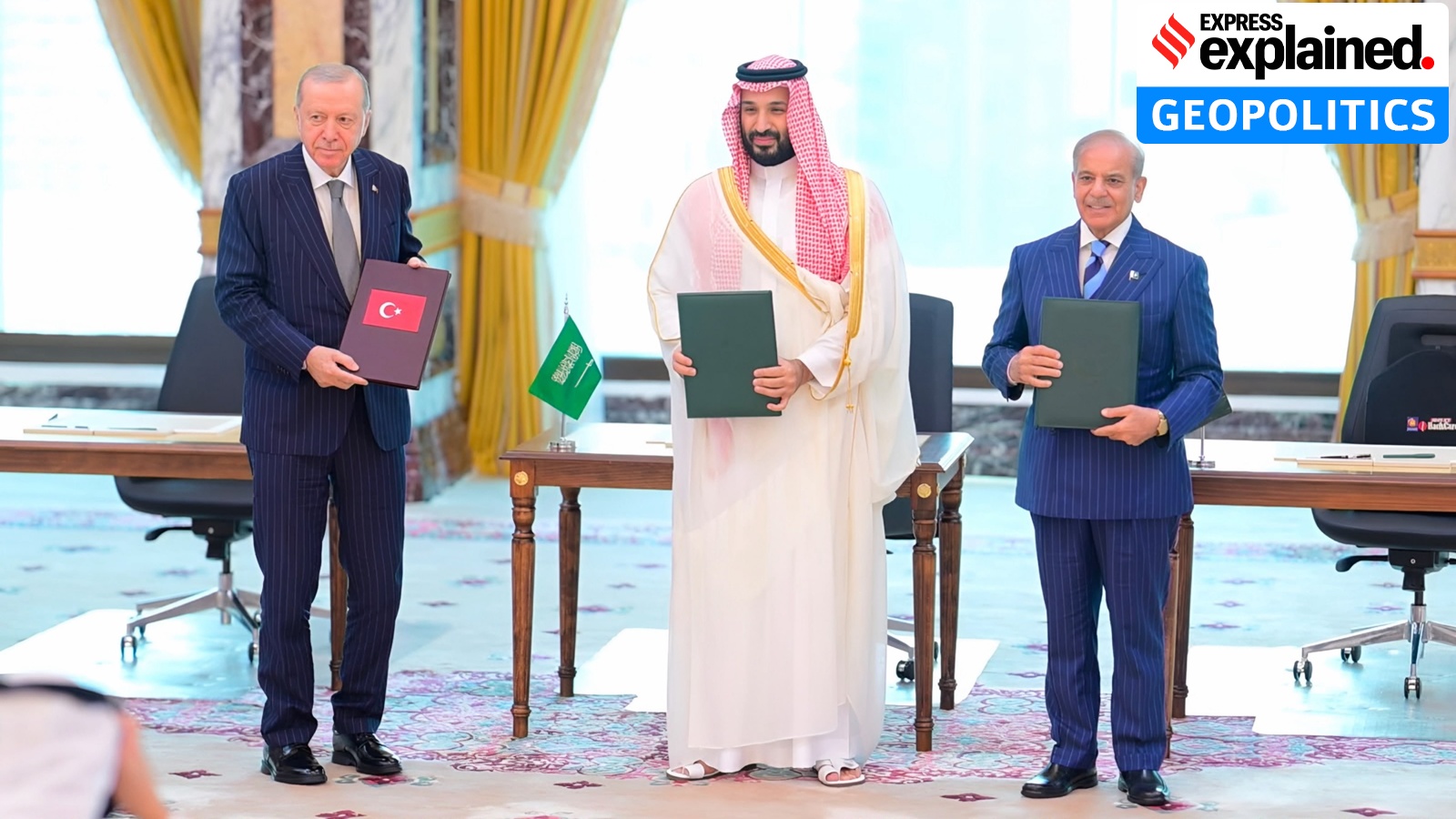
Saudi Arabia, Turkey, Pakistan Sign Mecca Joint Defence Agreement
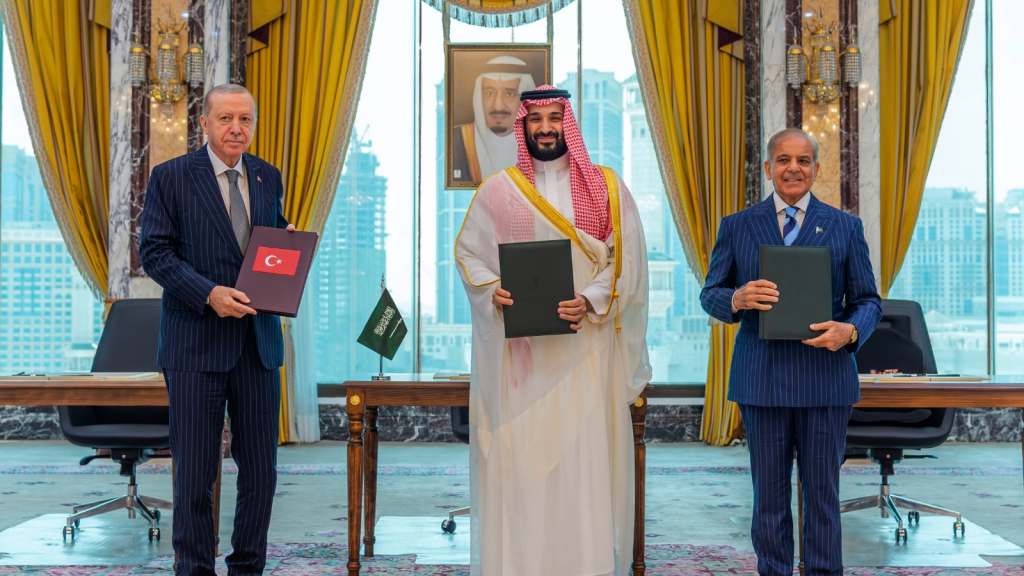
Mecca Defence Pact Raises Questions Over Its Intended Threat
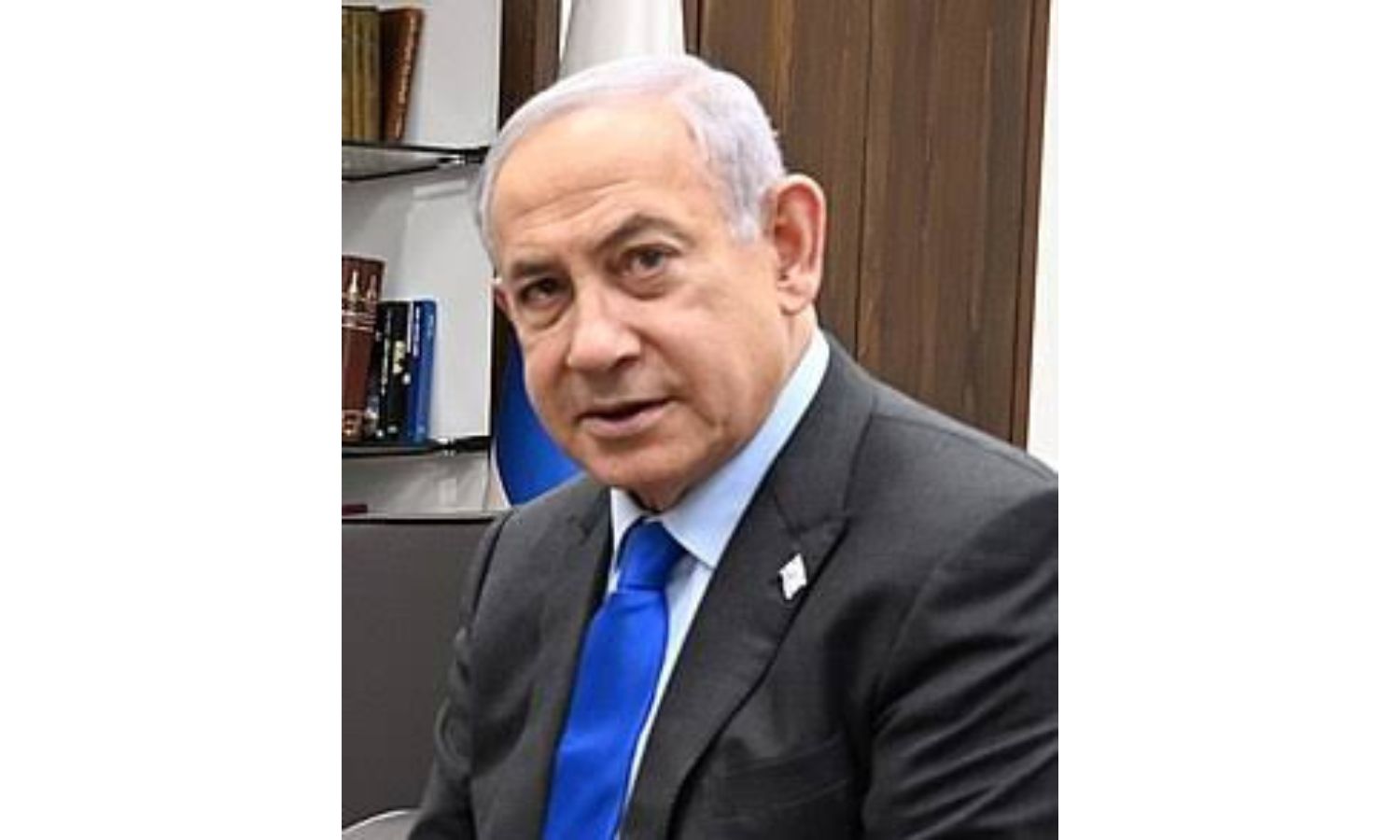
Pakistan seeks Mecca pact front against Israel and India
Saudi-Turkey-Pakistan Defence Pact Raises Security Concerns For India
India has no reason to fear Saudi-Turkey-Pakistan Mecca pact
Imran Khan's Sister Files Second Supreme Court Contempt Petition
Ranka’s Gavi, AAP and Pakistan Links Raise Transparency Questions
Pakistan High Court Ends Solitary Confinement for Imran Khan
Sara Taseer Says Pakistan Punishes Oxford-Educated Prime Ministers