1 week ago
US-Canada Trade War Fundamentally Reshapes Once-Durable North American Alliance
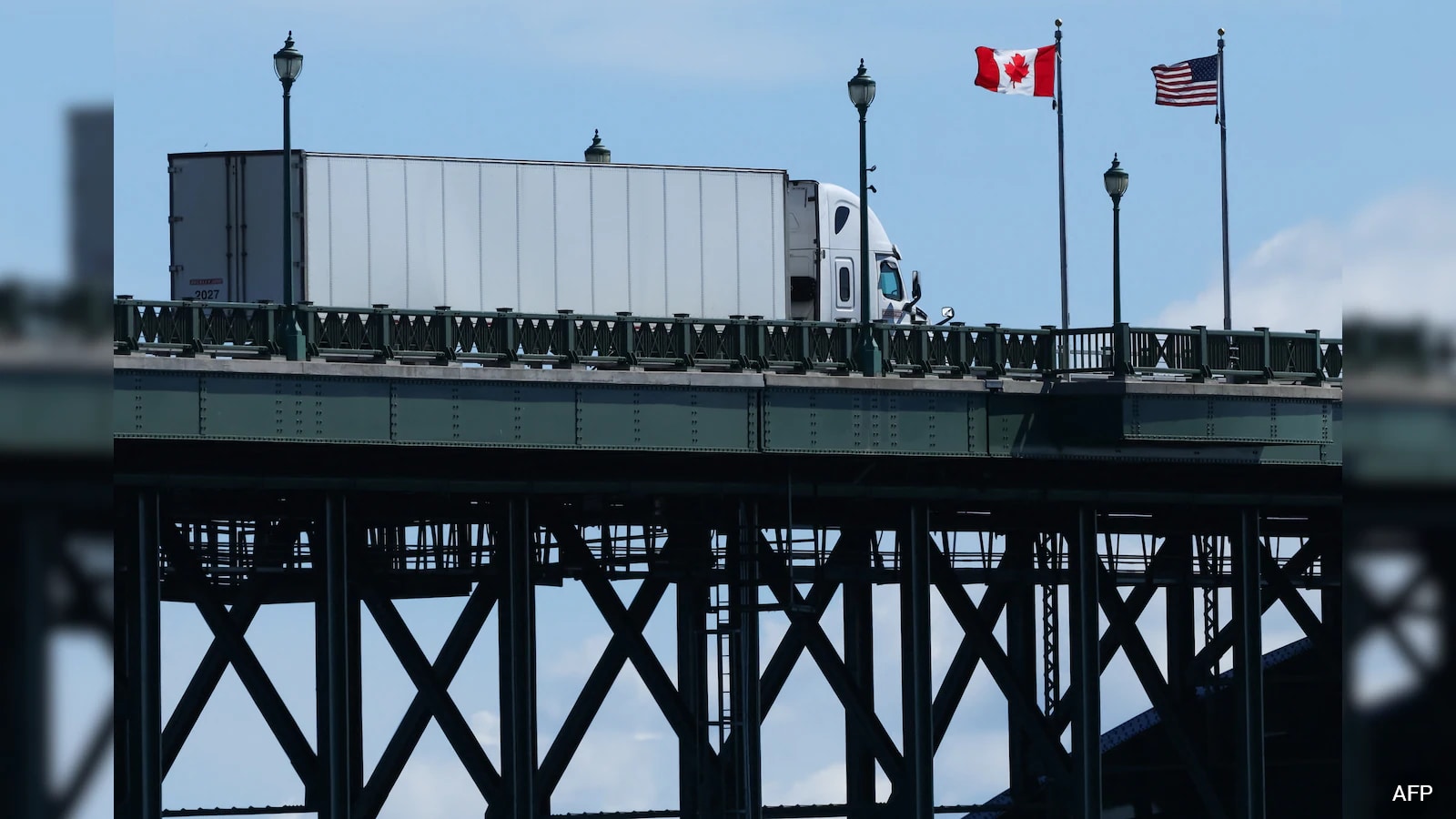
The United States and Canada have traded freely and worked closely together for many years.
Their latest trade talks failed, and the United States placed large taxes called tariffs on some Canadian goods.
Canada plans to place matching tariffs on some American goods.
This could make products more expensive and reduce choices for people in Canada.
Canada depends heavily on selling goods to the United States, so a long trade fight could hurt Canada more.
However, the United States also depends on Canada for much of its imported energy.
Canadian leaders say the United States has changed and that the old relationship may not return.
Canada is now trying to find more customers and investors in other parts of the world.
Experts say the disagreement could become a full-scale trade war, although conditions could still change quickly.

The United States imposed 50% tariffs on about $20 billion of Canadian goods after trade negotiations collapsed.
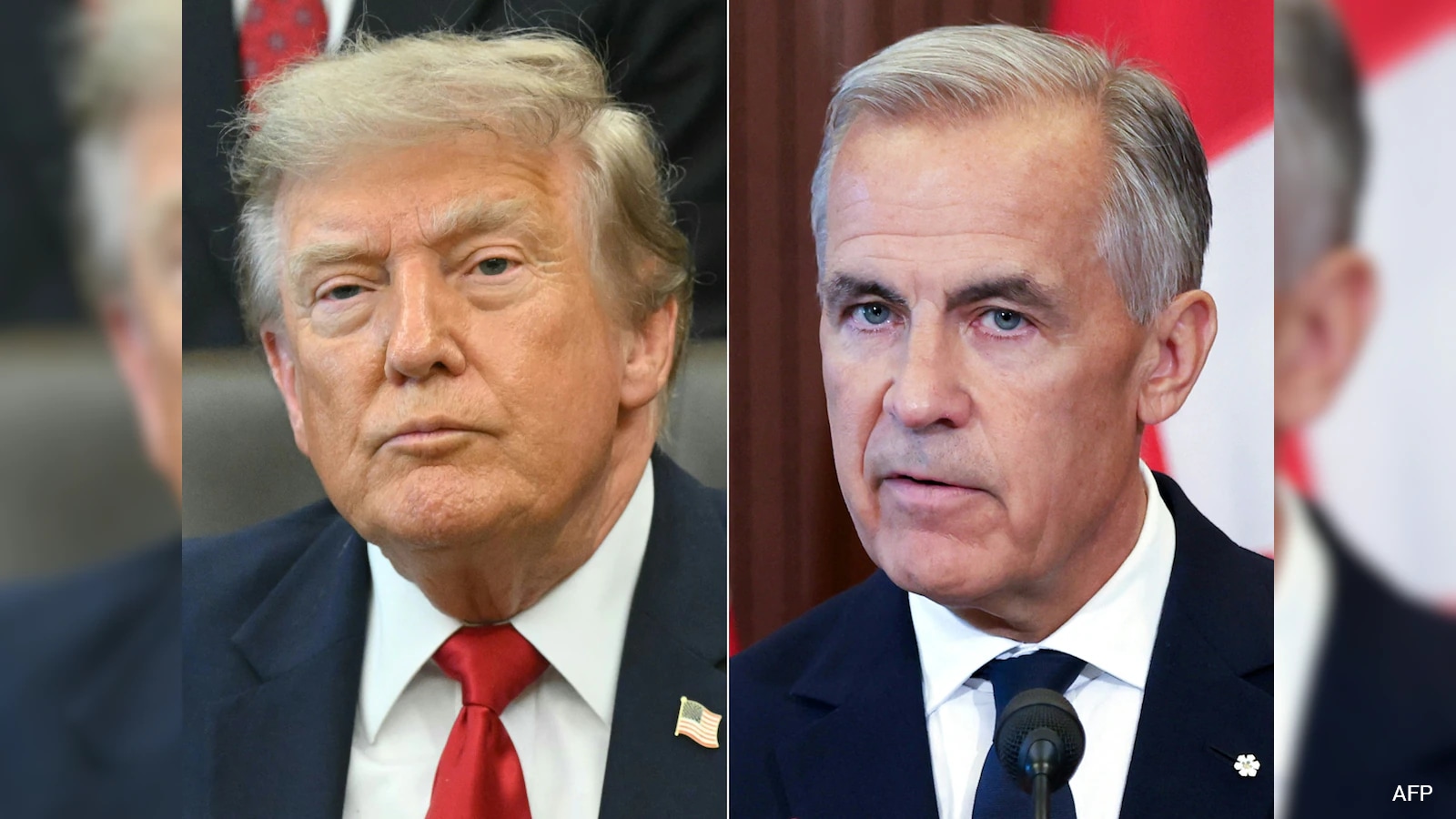
Prime Minister Mark Carney said Canada would retaliate dollar for dollar starting September 8.
The dispute targets sectors including steel, dairy, appliances, agricultural equipment, pulp and paper, and electronics.
Canada sends nearly three-quarters of its goods exports to the United States, making retaliation economically risky.
Carney is seeking greater domestic economic strength, overseas investment, and new trade relationships to reduce dependence on the United States.
- Who
- The governments of Canada and the United States, led by Prime Minister Mark Carney and President Donald Trump.
- What
- Trade negotiations collapsed, prompting the United States to impose 50% tariffs on about $20 billion of Canadian goods and Canada to announce matching retaliation.
- Where
- The dispute concerns trade between Canada and the United States, with Canada also seeking expanded ties in markets across Asia and other regions.
- When
- The United States imposed the tariffs early Saturday; Canada said its retaliatory measures would begin September 8.
- Why
- The negotiations failed amid United States pressure for increased domestic production and tariffs affecting Canadian industries; Canada says it must reduce its vulnerability to economic coercion.
Canadian Resistance and Diversification
United States Pressure and Protectionism
Response to tariffs
Canadian Resistance and Diversification
Mark Carney and several Canadian provincial, business, and labor leaders support resisting United States pressure and retaliating against the tariffs.
United States Pressure and Protectionism
The Donald Trump administration has used tariffs and other measures to encourage production to move from Canada to the United States.
Future of the relationship
Canadian Resistance and Diversification
Carney says the old Canada-United States relationship is over, while Canadian officials and businesses are preparing to reduce dependence on the United States.
United States Pressure and Protectionism
The United States remains Canada's most important trading partner, and the trade confrontation reflects a broader protectionist approach that could continue under future administrations.
Economic consequences
Canadian Resistance and Diversification
Canada says retaliation is necessary, although Carney acknowledged it will raise costs and reduce choices for Canadians; Canada is pursuing new trade and investment ties abroad.
United States Pressure and Protectionism
The United States has greater economic leverage because its economy is roughly 10 times larger than Canada's, while Canada depends heavily on access to the United States market.
Key facts
- United States tariffs
- 50% on approximately $20 billion of Canadian goods.
- Canadian retaliation
- Dollar-for-dollar measures announced to begin September 8.
- Affected sectors
- Steel, dairy, appliances, agricultural equipment, pulp and paper, and electronics.
- Canadian export dependence
- Nearly three-quarters of Canada's goods exports go to the United States.
- Estimated direct economic effect
- Royal Bank of Canada economists estimate the tariffs directly affect about 0.4% of Canada's GDP.
- Canadian energy supplied to United States
- Canada provides 99% of United States natural gas imports, 85% of electricity imports, and 60% of crude oil imports.
- Travel decline
- Canadian return trips to the United States in July were down nearly 29% by car and 27% by air compared with July 2024.
Quotes
Daniel Béland
Political science professor at McGill University
“The idea that things will return to 'normal' once Donald Trump leaves the White House is probably just wishful thinking. It doesn't mean the relationship might not improve in the future but that things will never be the same.”
 NDTV
NDTV
“What we have seen from the U.S. administration, or Donald Trump, is this consistent attempt to try and destroy the industrial economy of Canada with tariffs that have been strategically designed to attack us”
NDTV
Sources
Related news
US-Canada Trade Talks Collapse as 50% Tariffs Take Effect

Canada-US Trade Talks Collapse as Tariffs Deepen Economic Rift

Canada Retaliates as Trade War with US Escalates

Canada Announces Dollar-for-Dollar Tariffs After US Trade Talks Collapse

US-Canada Trade Talks Collapse as Tariffs Trigger Retaliation

Canada Suspends US Trade Talks as 50% Tariffs Begin