

1 week ago
Trump Administration Weighs Further Tariffs After Canada Announces Retaliation

The United States and Canada are arguing about taxes on goods traded between them.
These taxes are called tariffs.
The United States placed new tariffs on about $20 billion of Canadian products.
Canada answered with tariffs worth about the same amount on American products.
Canada will begin its tariffs on September 8.
President Donald Trump is considering taking more action against Canada.
The disagreement could make some products more expensive for businesses and shoppers.
It could also cause political problems in states such as Michigan and Pennsylvania.

The United States is considering additional trade measures against Canada after Ottawa announced matching tariffs.
Canada will impose 50% tariffs on U.S. steel and aluminum beginning September 8.
Canadian duties will also target American milk, furniture, clothing, video-game consoles and smartphones.
The U.S. imposed 50% tariffs on about $20 billion of Canadian goods under Section 338.
The escalating dispute could raise costs and create political pressure in several U.S. states.
- Who
- The administration of U.S. President Donald Trump and the Canadian government led by Prime Minister Mark Carney.
- What
- The United States and Canada are escalating a tariff dispute, with each imposing or considering additional trade measures.
- Where
- The measures affect trade between the United States and Canada, with potential effects in Ohio, Illinois, Pennsylvania, Michigan and California.
- When
- Canada's new tariffs are scheduled to begin September 8; Trump has also threatened automobile tariffs beginning January 1.
- Why
- The United States imposed new tariffs on Canadian goods, and Canada announced matching counter-tariffs after trade discussions between Trump and Carney collapsed.
Canadian Government's Position
U.S. Administration's Position
Response to tariffs
Canadian Government's Position
Canada announced tariffs matching the value of the latest U.S. duties, including 50% tariffs on American steel and aluminum and duties on other products.
U.S. Administration's Position
The Trump administration imposed 50% tariffs on about $20 billion of Canadian goods and is examining additional tariffs and other trade actions.
Automobile trade
Canadian Government's Position
Canada's broader counter-tariffs include duties on selected American products, while the article describes the measures as a response to U.S. actions.
U.S. Administration's Position
Trump has threatened to raise tariffs on Canadian automobiles to 50% and impose duties on auto parts from January 1.
Economic and political consequences
Canadian Government's Position
Canada's measures could affect U.S. exports and increase costs for businesses and consumers on both sides of the border.
U.S. Administration's Position
Further U.S. action could intensify the dispute and create political challenges for Trump and Republicans, particularly in Michigan and Pennsylvania.
Key facts
- U.S. tariffs
- The United States imposed 50% tariffs on approximately $20 billion of Canadian goods.
- Canadian response
- Canada announced 50% tariffs on U.S. steel and aluminum, plus duties on several consumer products.
- Start date
- Canada's counter-tariffs are scheduled to begin September 8.
- U.S. legal authority
- The American tariffs were imposed under Section 338 of the 1930 Tariff Act.
- Automobile threat
- Trump has threatened to raise tariffs on Canadian automobiles to 50% and impose duties on auto parts from January 1.
- Trade talks
- Trade discussions between Trump and Carney collapsed late the previous week.
- Potential impact
- The dispute could increase costs for businesses and consumers and further strain the countries' integrated trading relationship.
Sources
Related news
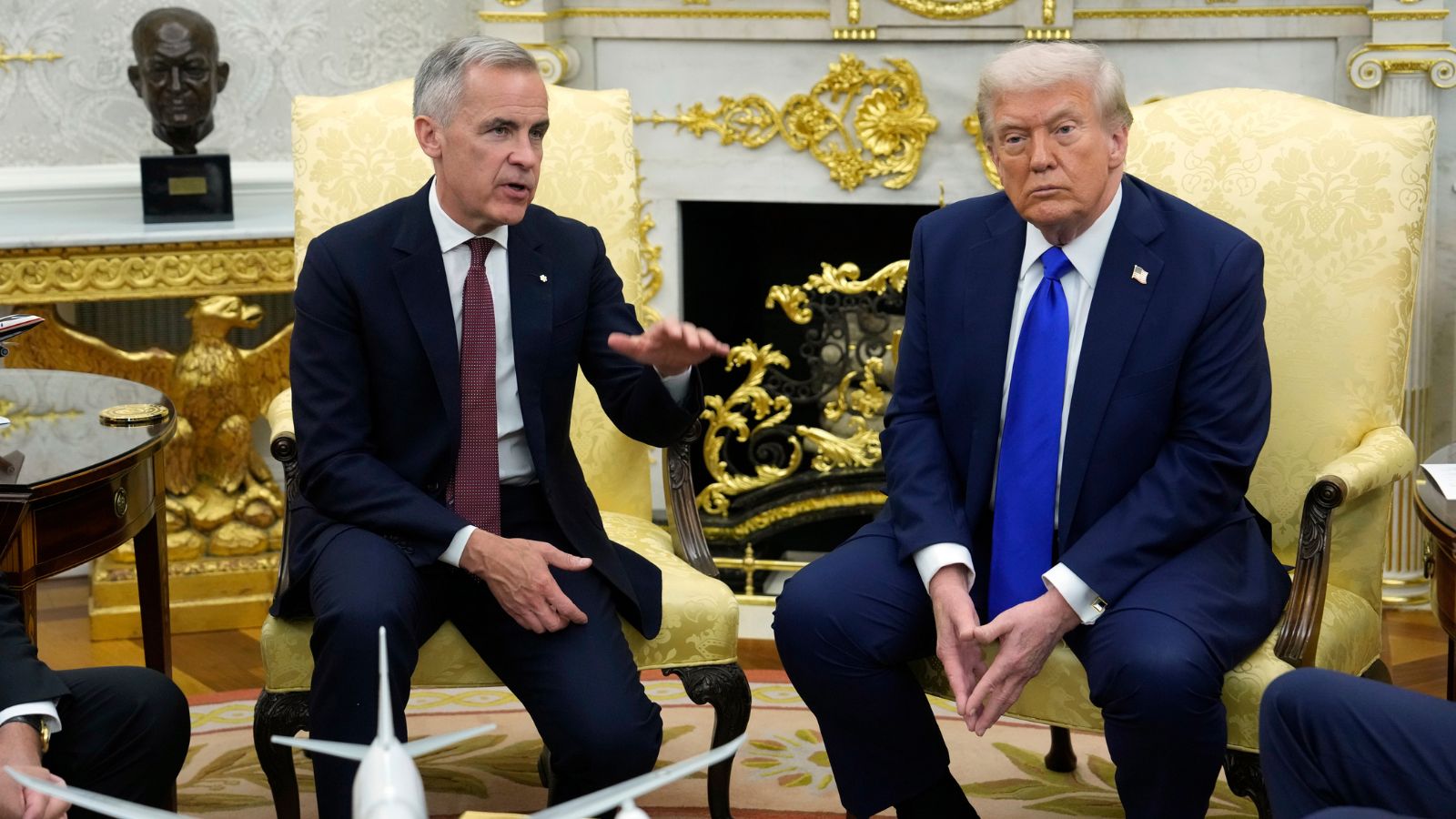
Trump and Canada Escalate Trade Fight Over Retaliatory Tariffs

Canada Prepares Retaliatory Tariffs as Trump Escalates Trade War

Canada Retaliates With Up to 50% Tariffs on U.S. Goods

Canada Announces Dollar-for-Dollar Tariffs After US Trade Talks Collapse
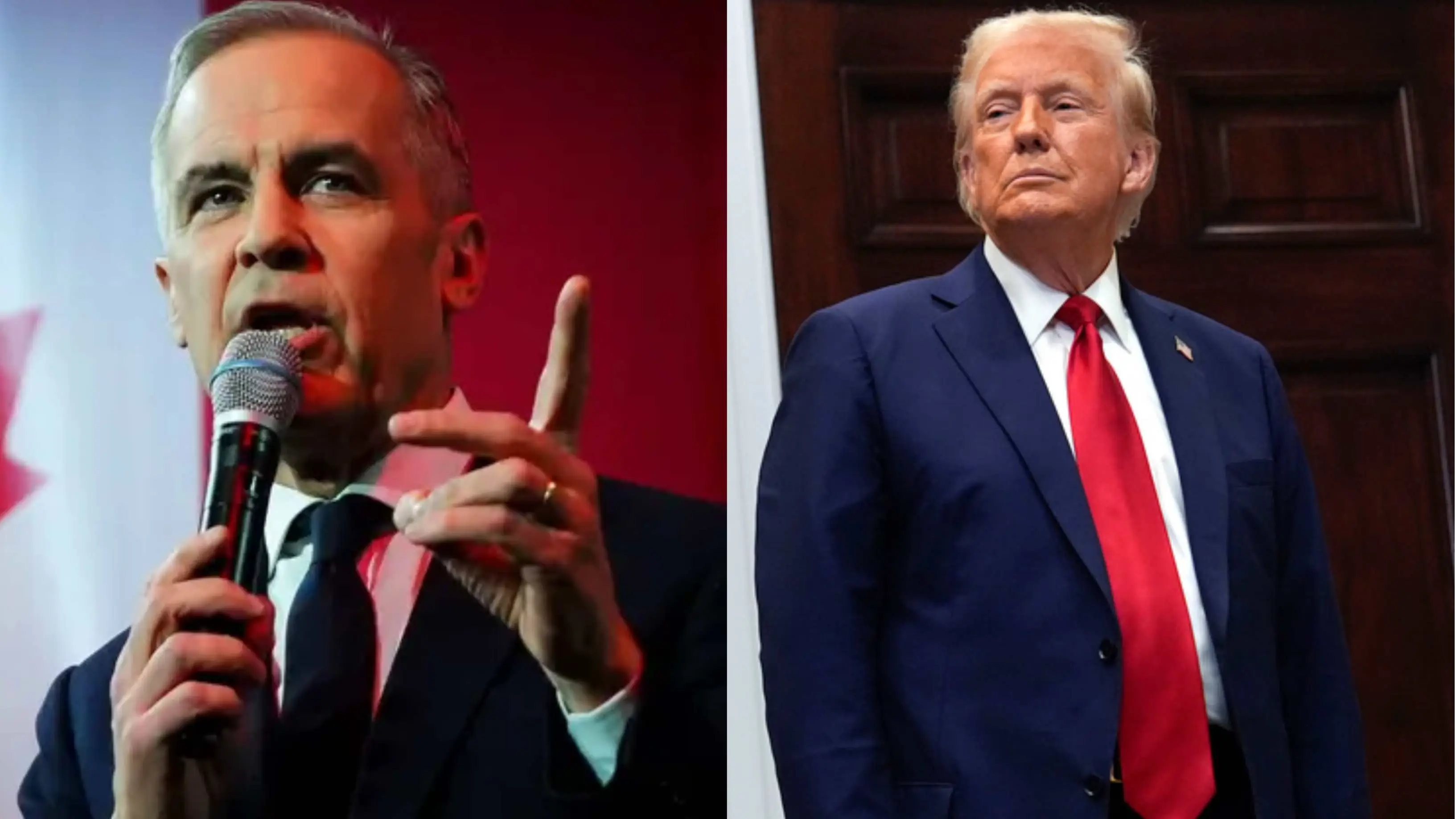
Trump Escalates US-Canada Trade War With 50% Tariffs
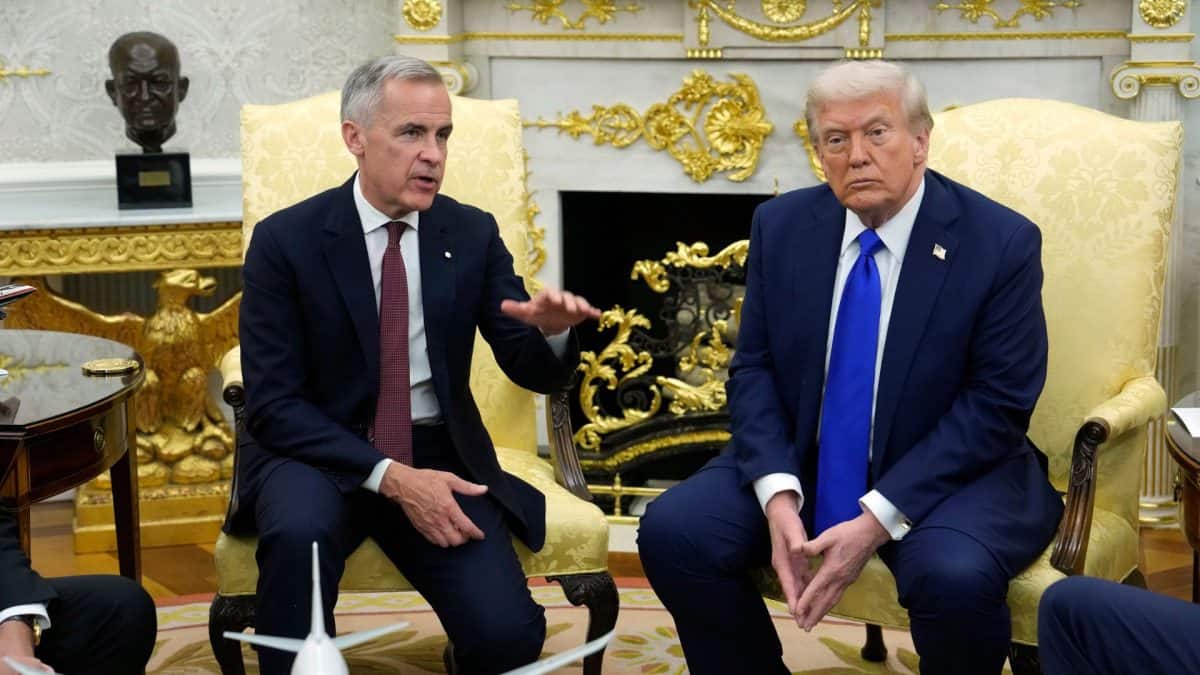
US-Canada Trade Talks Collapse as 50% Tariffs Take Effect

CDC Questions Pennsylvania Measles Deaths Amid Federal-State Dispute

AI Data Centres Turn Power Bills Into 2026 Election Issues

9/11 Trial Set for June 2028 After Decades of Delays

Shapiro, Kennedy Clash Over Pennsylvania’s Deadly Measles Outbreak
