2 weeks ago
The Man Who Drew the India-Pakistan Border Burnt His Papers
A long time ago, a big country called British India was split into two new countries, India and Pakistan.
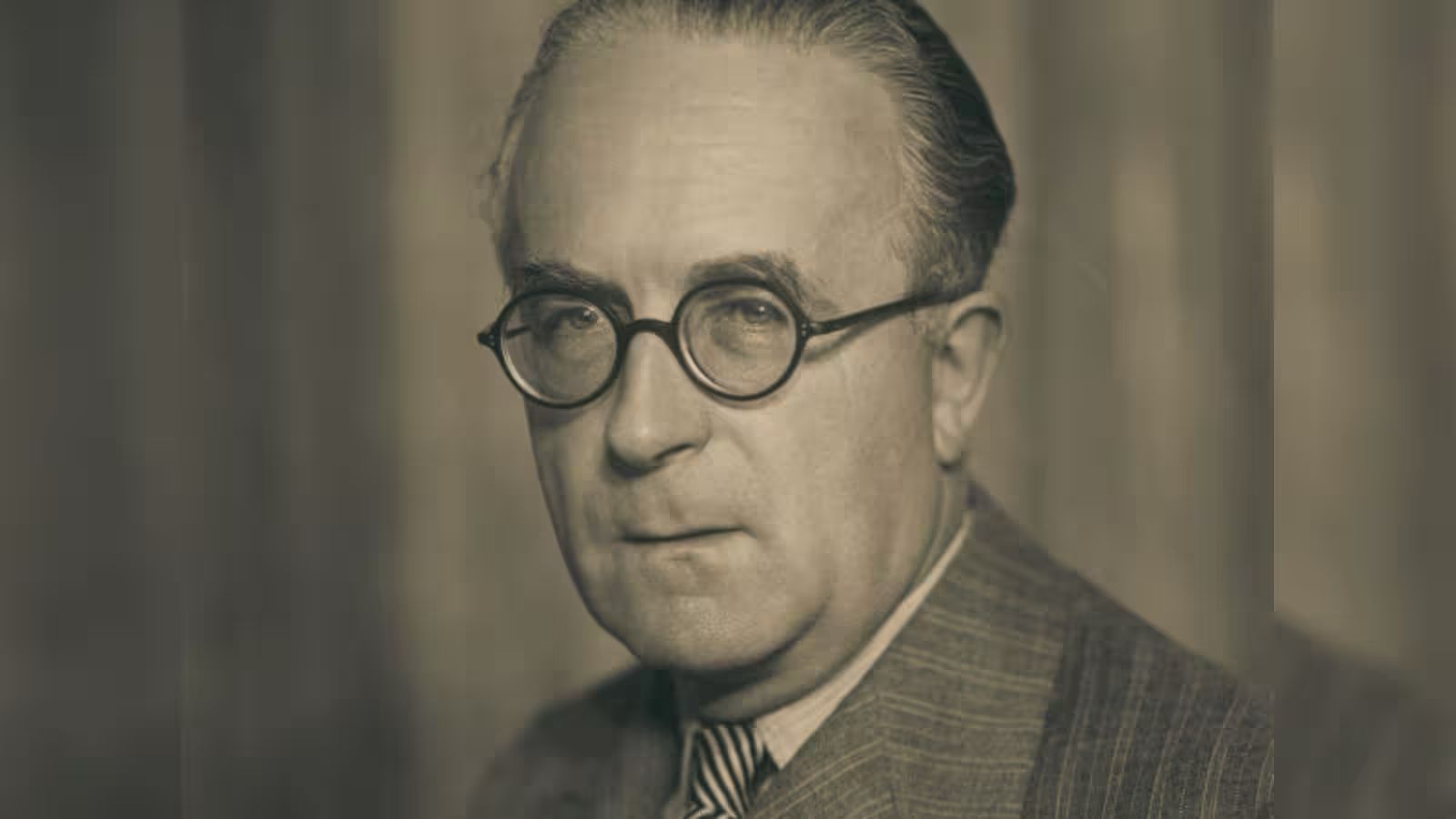
A British lawyer named Cyril Radcliffe was asked to draw the line on the map showing where one country would end and the other would begin.
He had never been to India before and was given only a few weeks to do the job.
The line he drew cut through villages, farms, train lines and canals, separating families and neighbours.
Many people had to leave their homes, and there was terrible violence.
After finishing his work, Radcliffe burned many of his own private papers before leaving, so people do not know exactly what he was thinking.
Some people later said that a leader named Lord Mountbatten influenced one part of the border, but there is no proof.
Radcliffe himself said he might have drawn a better line if he had been given two or three years.
Today, the border he drew still divides India and Pakistan.

British barrister Cyril John Radcliffe arrived in India on 8 July 1947 with less than six weeks to draw the India-Pakistan borders of Punjab and Bengal.
The Radcliffe Line divided villages, railways, canal systems and communities, and was followed by one of the largest forced migrations in modern history.
The Punjab Award was dated 12 August 1947, but the boundary awards were only publicly announced on 17 August, after independence.
Radcliffe destroyed his private deliberation papers before leaving India on 16 August, creating a historical black box around his reasoning.
His secretary alleged Lord Mountbatten intervened over Ferozepur, while Radcliffe later said two or three years could have produced a better boundary.
- Who
- Cyril John Radcliffe, a British barrister with no previous experience of India who chaired the Punjab and Bengal Boundary Commissions.
- What
- The drawing of the India-Pakistan border (the Radcliffe Line) dividing Punjab and Bengal, which was followed by mass migration and violence; Radcliffe then destroyed his private deliberation papers.
- Where
- British India, specifically the provinces of Punjab and Bengal.
- When
- In 1947: Radcliffe arrived on 8 July, the Punjab Award was dated 12 August, and the boundaries were announced on 17 August, after independence.
- Why
- Britain accelerated the transfer of power and ordered Partition within a very short deadline, and Radcliffe, an outsider, was chosen because he could appear impartial.
Left
Right
Radcliffe's responsibility
Left
Radcliffe accepted the assignment, chaired the commissions, weighed the evidence and drew the final line, so he bears responsibility for the consequences.
Right
Radcliffe's responsibility
Left
Right
Radcliffe was given an impossible task in under six weeks, did not create Partition or the communal tensions, and should not be blamed for everything that followed.
Alleged political interference over Ferozepur
Left
Beaumont's later account alleging that Lord Mountbatten intervened over the allocation of Ferozepur suggests political pressure shaped the border.
Right
Alleged political interference over Ferozepur
Left
Right
The claim remains an unproven allegation, and the destruction of Radcliffe's papers does not establish that Mountbatten dictated the decision.
Radcliffe's later statement
Left
Radcliffe's statement that he would do the same again reads as a defence that he did the best possible under the circumstances.
Right
Radcliffe's later statement
Left
Right
His admission that two or three years could have produced a better result serves as an indictment of Britain's rushed partition process.
Key facts
- Radcliffe's role
- Chairman of the Punjab and Bengal Boundary Commissions
- Arrived in India
- 8 July 1947
- Time to draw the border
- Less than six weeks
- Punjab Award dated
- 12 August 1947
- Awards publicly announced
- 17 August 1947
- Left India
- 16 August 1947, after destroying his papers
- Profession
- British barrister
- Died
- 1977
Sources
Related news
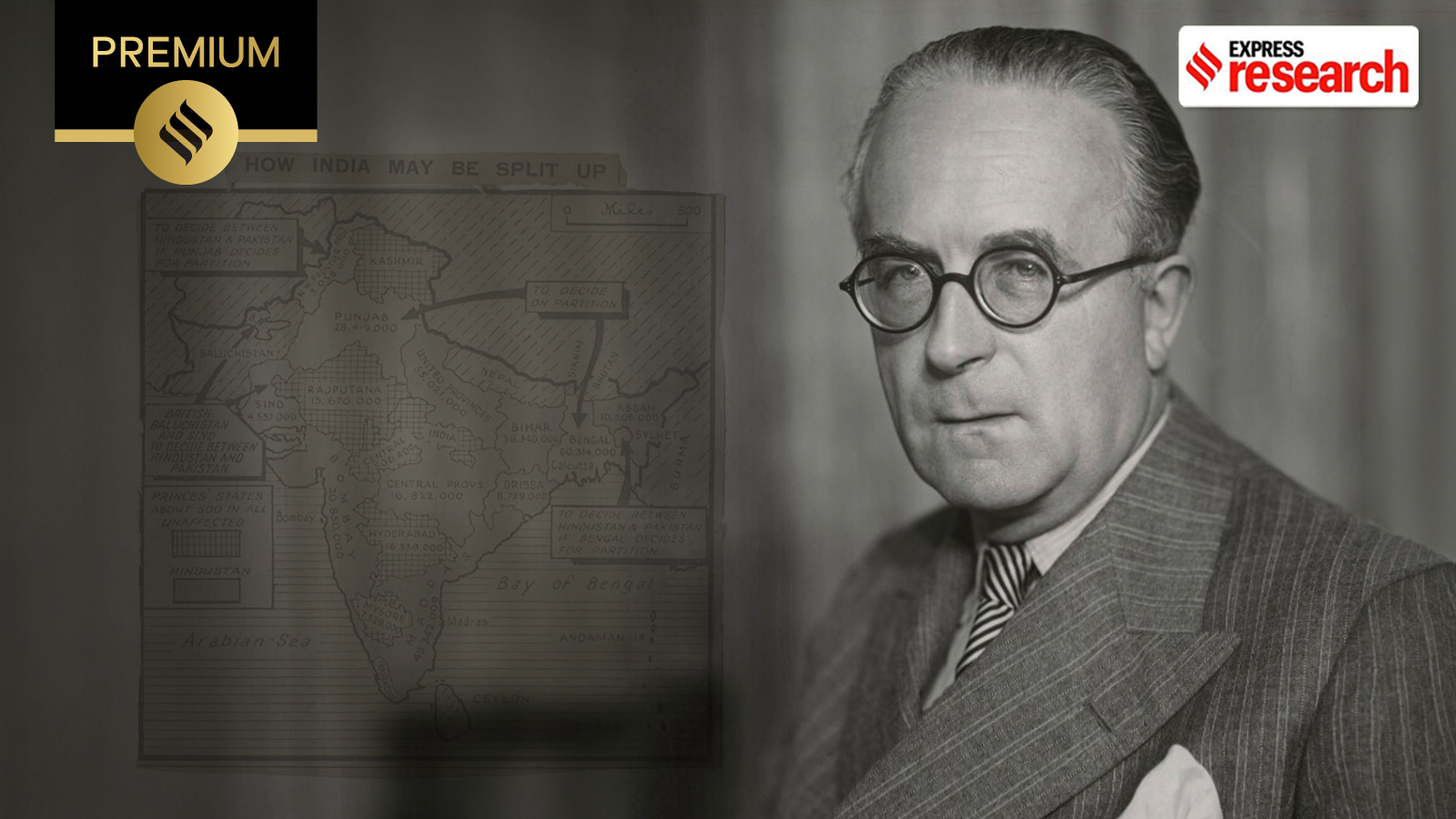
Sir Cyril Radcliffe: The Man Who Drew India-Pakistan Borders
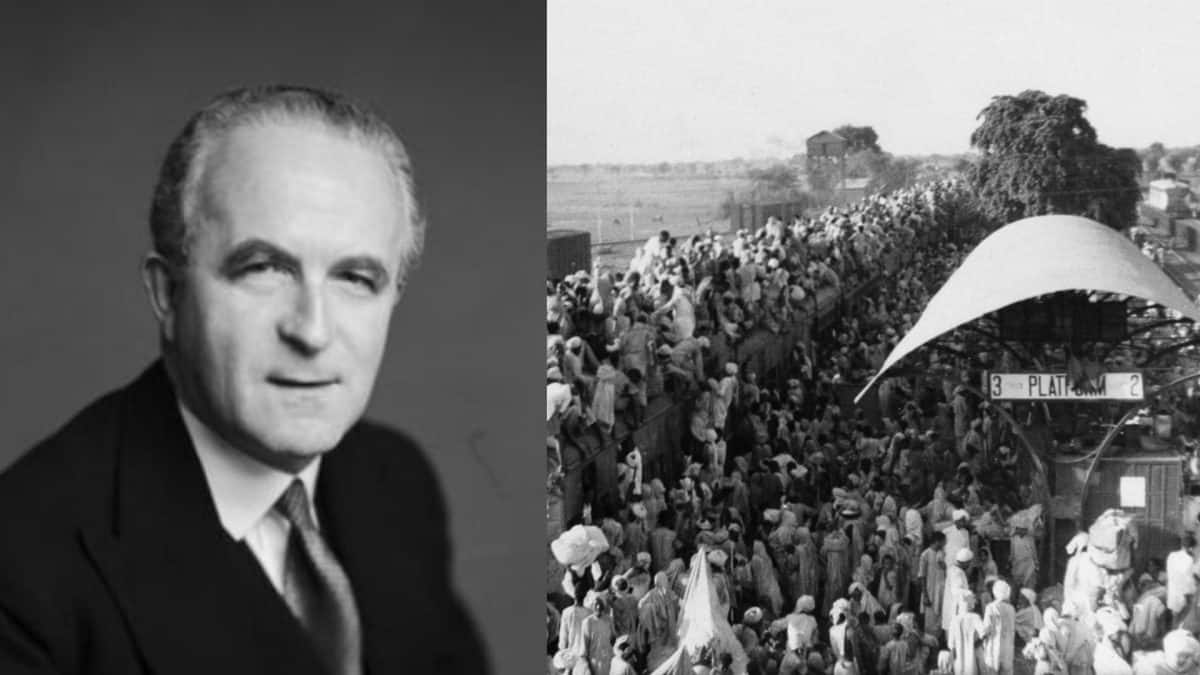
Radcliffe Line: How 1947 Partition Divided India, Pakistan
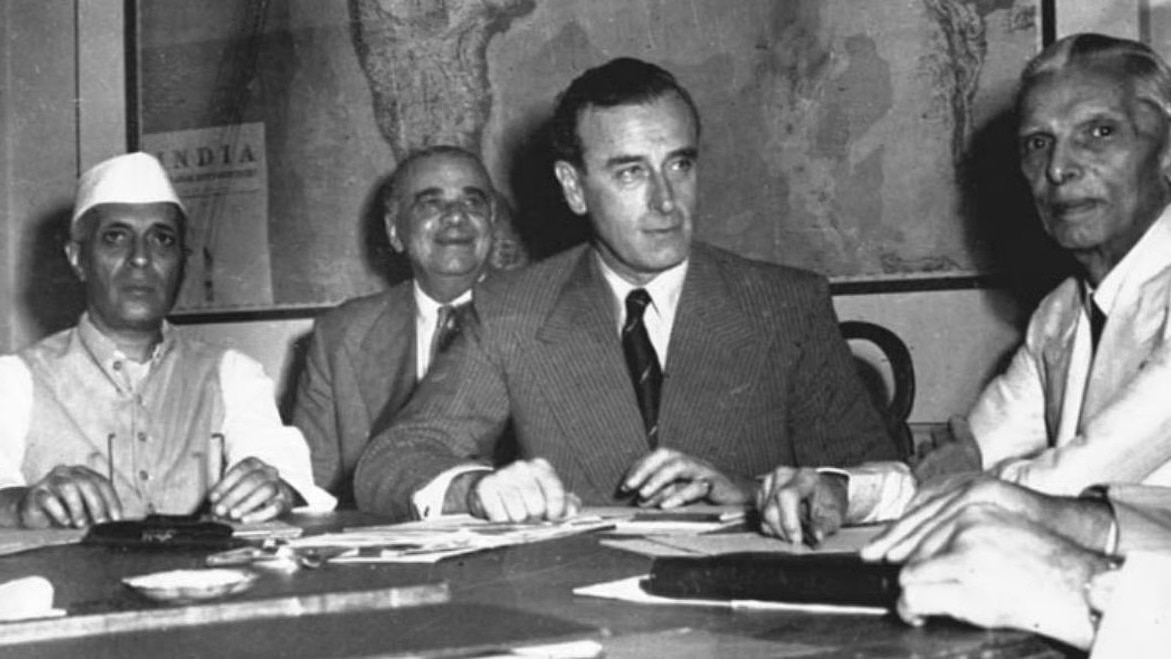
Cyril Radcliffe's five-week map carved India-Pakistan border, displacing millions
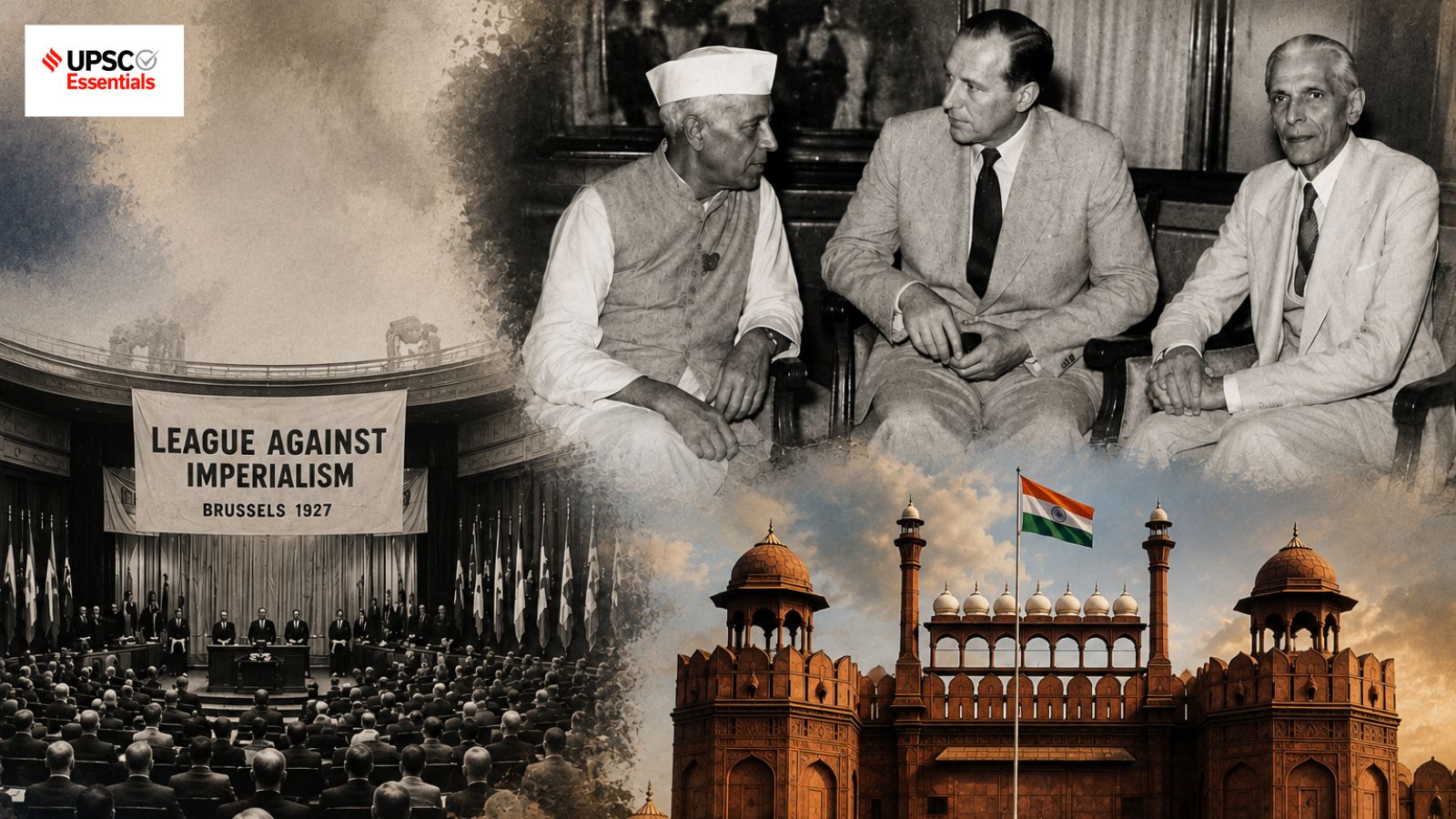
UPSC Daily History Quiz Tests Knowledge of India's Past

Why West Bengal marks Bharat Bhukti Dibas on August 18

Odisha CM attributes Partition to British divide and rule

Bangladesh Recall Shanto, Mahmud for Asian Games T20 Squad

Sharma and Malik share halfway lead at Telangana Golconda Masters
India Replaces Sri Lanka as 2027 Women’s Champions Trophy Host
Centre Assures JDU Bihar’s Interests In Farakka Treaty Decision

India’s Record Wheat Harvest Opens $1.5 Billion Export Window