

2 weeks ago
Sir Cyril Radcliffe: The Man Who Drew India-Pakistan Borders
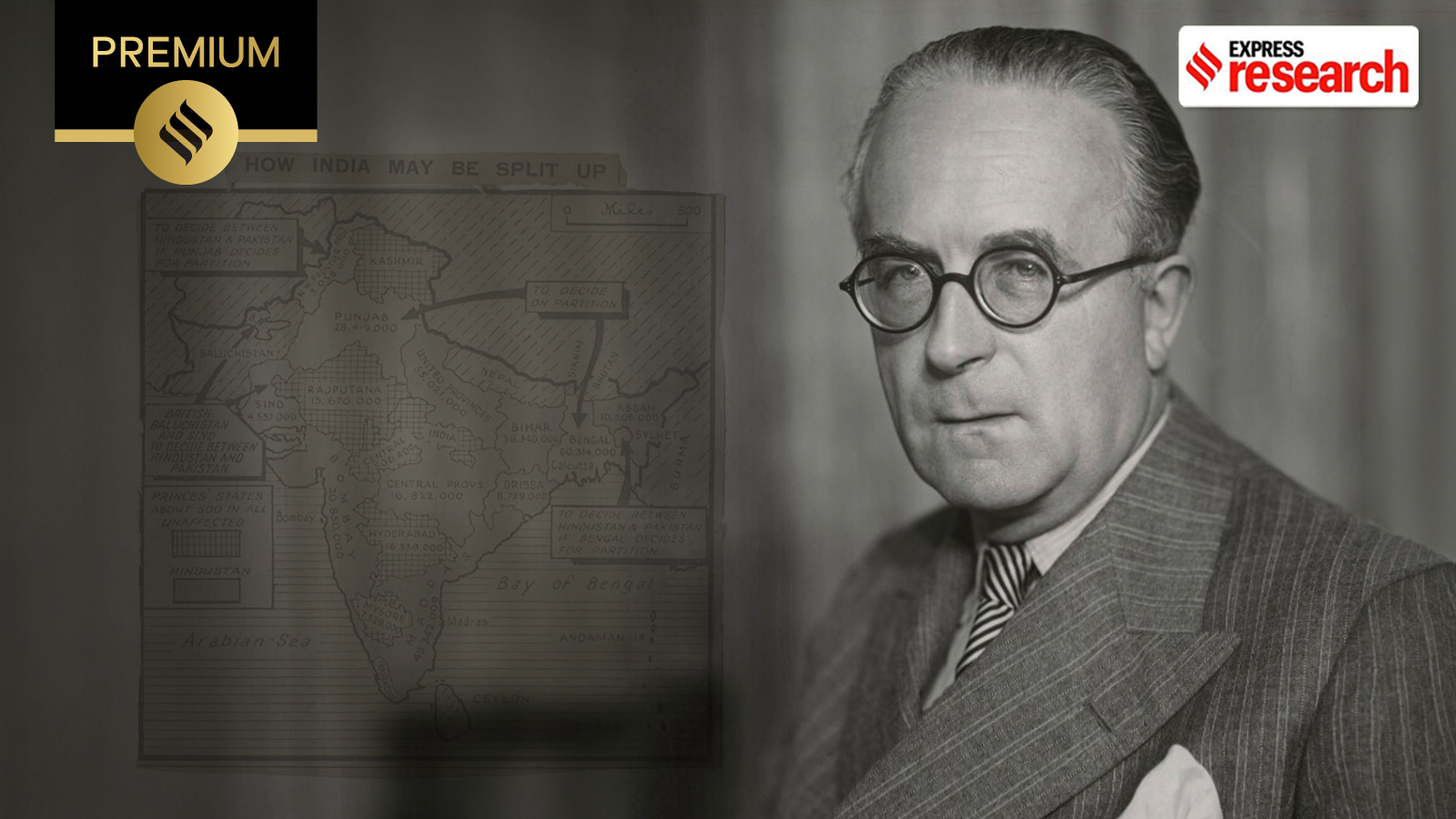
In 1947, one big country called British India was split into two new countries, India and Pakistan.
Britain chose a lawyer named Sir Cyril Radcliffe to draw the line that would divide them, even though he had never visited India.
He spent only about six weeks there before making up his mind.
His job was to separate areas where most people were Hindus from areas where most people were Muslims.
The border he drew split the nearby cities of Lahore and Amritsar, so they ended up in different countries.
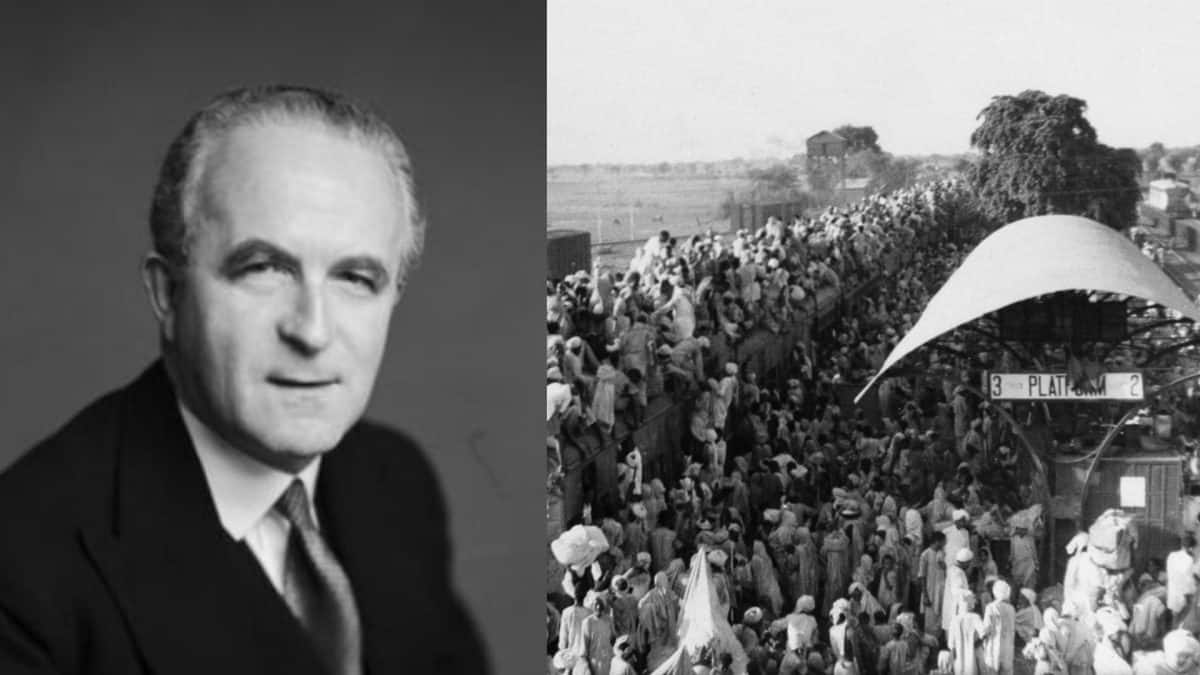
Millions of people suddenly found themselves on the wrong side of the line and had to move, and many were hurt or killed on the way.
The exact border was kept secret until two days after independence, which made people even more scared and confused.
After finishing his work, Radcliffe destroyed almost all of his notes and quickly left the country.
Many historians think the main goal of the whole process was to let Britain leave quickly, rather than to make the best border for the people living there.

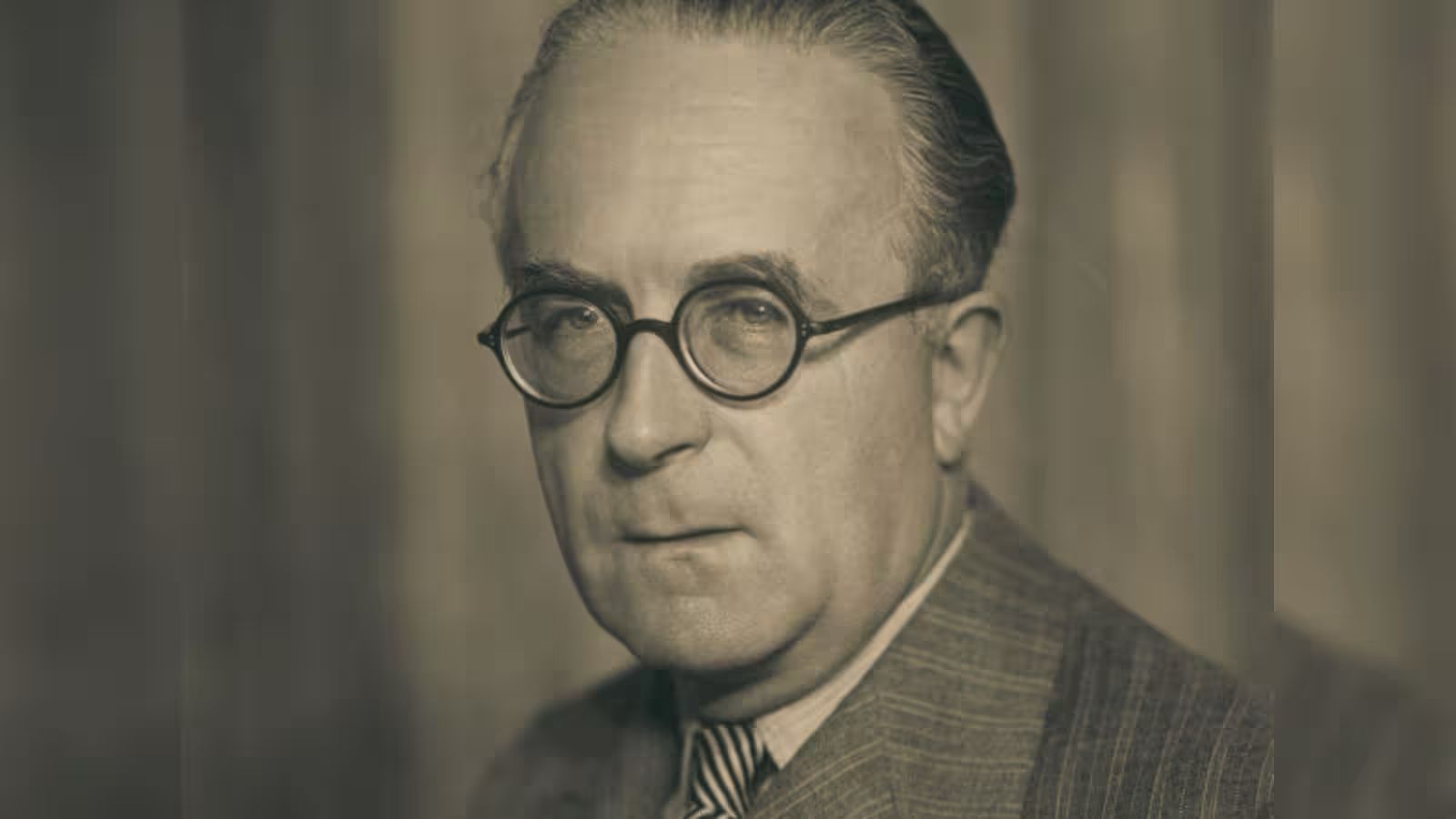
Sir Cyril Radcliffe, a British barrister who had never visited India, chaired the boundary commissions that drew the India-Pakistan border in 1947.
Arriving on July 8, Radcliffe spent less than six weeks deciding the line, relying on written submissions and existing administrative divisions rather than field surveys.
The border divided Lahore, which went to Pakistan, from Amritsar, which went to India, and kept the irrigated Gurdaspur and Ferozepur districts with India.
The award was ready on August 9 but was made public only on August 17, after independence on August 15, with the official reason being to preserve the joy of Independence Day celebrations.
Historians such as Lucy P Chester argue the commission chiefly served to help Britain shed its responsibilities quickly, lending 'a legal façade to a political process.'
- Who
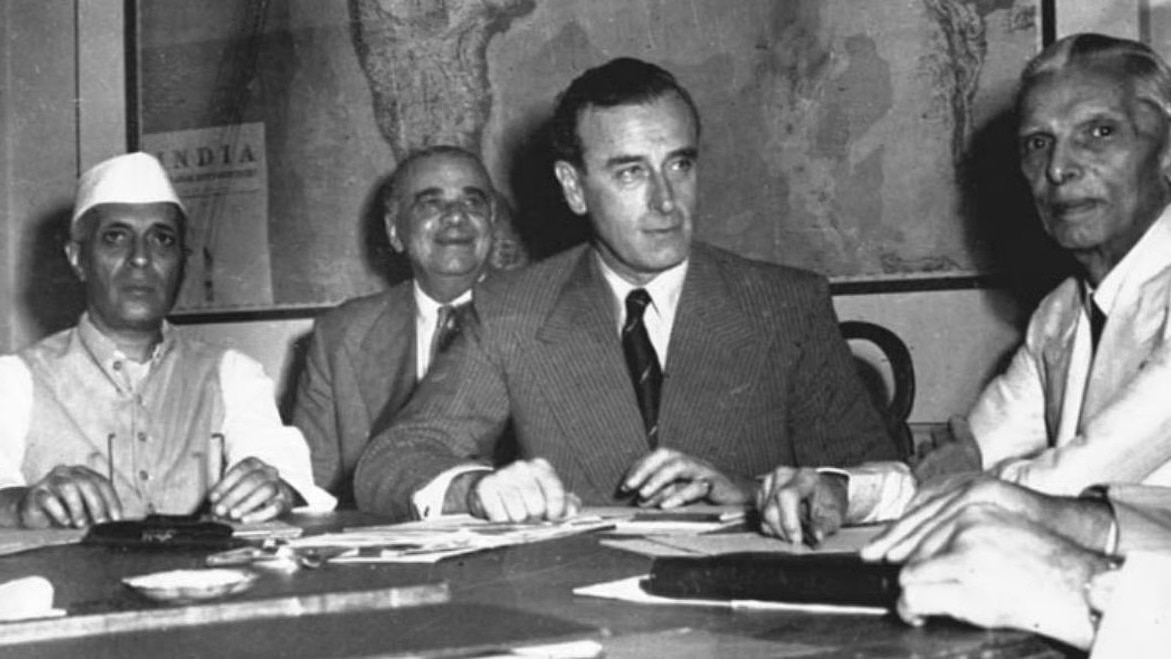
- Sir Cyril Radcliffe, a British barrister, chaired the two boundary commissions; Viceroy Lord Louis Mountbatten, Jawaharlal Nehru, Vallabhbhai Patel, and Muhammad Ali Jinnah were key figures around the process.
- What
- The drawing of the Radcliffe Line, the boundary that divided British India into India and Pakistan at Partition.
- Where
- The provinces of Punjab and Bengal, on the new India-Pakistan border.
- When
- 1947: appointment announced June 26, Radcliffe arrived July 8, the award was completed August 9 and published August 17.
- Why
- To divide British India into two new states as Britain, facing nationalist pressure and rising Hindu-Muslim tensions, rushed to transfer power and shed its South Asian responsibilities.
Skeptical historians
Official accounts
Who really decided the border
Skeptical historians
Evidence shows communication between Radcliffe and his secretary on one hand and Mountbatten and the Government of India on the other, and Radcliffe acted on Mountbatten's late-stage advice to remove a finger of land south of Amritsar.
Official accounts
Mountbatten insisted Radcliffe was working completely independently of the viceroy, and Chester concludes Radcliffe probably made most of the key decisions himself.
Purpose of the commission
Skeptical historians
Chester argues the commission was primarily working to help Britain get rid of its South Asian expenses and unwanted responsibilities as quickly as possible, lending 'a legal façade to a political process.'
Official accounts
The common assumption is that the commission was working to define the best possible boundary for the two new states of India and Pakistan and for the people affected by it.
Why the award was delayed
Skeptical historians
Chester argues Mountbatten's main goal in delaying the announcement was to ensure any violence would occur after the official transfer of power, so it would no longer be Britain's responsibility.
Official accounts
The official reason recorded was that announcing the boundary news would ruin the joy of Independence Day celebrations.
Key facts
- Chairman of boundary commissions
- Sir Cyril Radcliffe, British barrister
- Time in India
- Six weeks (arrived July 8, 1947)
- Commissions
- Punjab and Bengal boundary commissions
- Appointment announced
- June 26, 1947
- Award completed
- August 9, 1947
- Award made public
- August 17, 1947
- Indian independence
- August 15, 1947
- Key divisions
- Lahore to Pakistan; Amritsar to India
Quotes
Professor Joya Chatterji
Academic historian who studied the Radcliffe Commission’s proceedings.
“I station myself firmly on the Delhi airport until an aeroplane from England comes along. Nobody in India will love me for my award about the Punjab and Bengal and there will be roughly 80 million people with a grievance who will begin looking for me. I do not want them to find me.”
 indianexpress.com
“Without question, the earlier it was published, the more the British would have to bear responsibility for the disturbances which would undoubtedly result.”
indianexpress.com
Sources
Related news
The Man Who Drew the India-Pakistan Border Burnt His Papers
Radcliffe Line: How 1947 Partition Divided India, Pakistan
Cyril Radcliffe's five-week map carved India-Pakistan border, displacing millions
UPSC Daily History Quiz Tests Knowledge of India's Past

Why West Bengal marks Bharat Bhukti Dibas on August 18
