

2 weeks ago
Andhra Pradesh Makes Aadhaar Authentication Voluntary for Municipal Services
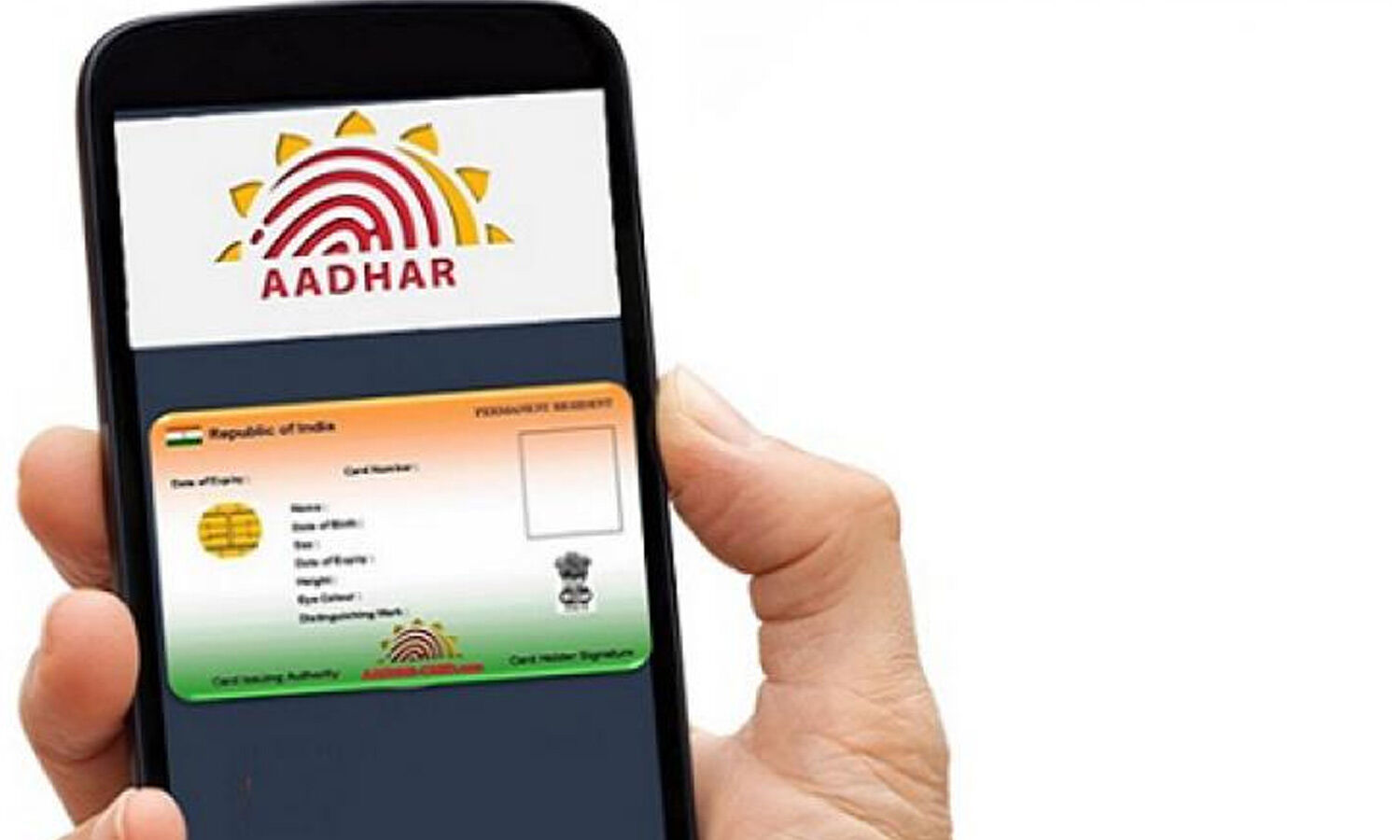
People in Andhra Pradesh can now choose whether to use their Aadhaar card when they use city services online.
Aadhaar is a special identity card that many people in India have.
The government wants to make it faster and easier for people to get services from their city.
Before, people might have had to share their identity papers many times.
Now, they can use Aadhaar to prove who they are if they want to.
But no one has to use it.
If someone does not want to use Aadhaar, they can show other papers like a passport, ration card, voter card or driving licence.
The city cannot refuse to help someone just because they do not use Aadhaar.
The government says this will help stop cheating and mix-ups.
This is part of making city services digital in Andhra Pradesh.

The Andhra Pradesh government issued GO-Ms-179 permitting voluntary Aadhaar-based authentication for online municipal services.
Urban Local Bodies can use Aadhaar Yes/No authentication and e-KYC through their online portals to verify applicant identity.
No citizen can be denied a municipal service for refusing Aadhaar authentication or being unable to complete the process.
Alternative identity documents include a passport, ration card, voter identity card and driving licence.
The government says the initiative aims to make civic services faster, simpler and more secure while preventing impersonation, duplication and fraudulent transactions.
- Who
- The Andhra Pradesh government's municipal administration and urban development department, Urban Local Bodies, and citizens using online municipal services
- What
- The government permitted voluntary Aadhaar-based authentication for citizens accessing municipal services online
- Where
- Andhra Pradesh, India (announcement datelined Vijayawada and Amaravati)
- When
- Friday, when GO-Ms-179 was issued (exact date not specified in the articles)
- Why
- To make urban civic services faster, simpler and more secure while preventing impersonation, duplication and fraudulent transactions
Pro-Aadhaar Authentication
Privacy-Conscious Perspective
Role of Aadhaar in civic services
Pro-Aadhaar Authentication
Aadhaar authentication is a secure, voluntary tool that speeds up online transactions, reduces repetitive documentation and prevents impersonation, duplication and fraud.
Privacy-Conscious Perspective
Even with voluntary safeguards, linking Aadhaar to municipal services can raise privacy concerns and risks of exclusion if alternative identity options are not widely understood or accessible.
Key facts
- Region
- Andhra Pradesh, India
- Notification
- GO-Ms-179, issued by the Municipal Administration and Urban Development Department
- Authentication methods
- Aadhaar Yes/No authentication and e-KYC via ULB online portals
- Legal basis
- Rule 5 of the Aadhaar Authentication for Good Governance (Social Welfare, Innovation, Knowledge) Rules, 2020; Aadhaar Act, 2016
- Nature of requirement
- Strictly voluntary, with consent of the Aadhaar holder required
- Alternative identity documents
- Passport, ration card, voter identity card, driving licence
- Objectives
- Faster, simpler, more secure civic services; prevent impersonation, duplication and fraud; improve municipal database accuracy
- Related initiative
- Ongoing digitisation of municipal administration, including Mana Mitra
Quotes
Principal Secretary Suresh Kumar
AP government official, head of urban development
“Aadhaar authentication would strengthen identity verification and improve the reliability of municipal databases, while safeguards would ensure that digitisation does not exclude citizens.”
 thehansindia.com
“The objective, he said, is to enable people to access municipal services with minimum documentation and physical interaction without leading to exclusion”
 deccanchronicle.com
Sources

Related news

Aadhaar App Crosses Five Crore Downloads as Verification Expands

Naidu Directs Technology-Led Services, Crop Protection and Solar Expansion

Voters Seek Aadhaar Acceptance Amid Electoral Roll Verification
ECINET Portal Now Accepts All 11 SIR Documents

Aadhaar Recognition Sought Amid Special Electoral Roll Verification

New Aadhaar Seva Kendra opens to serve Nalgonda residents

HP Assembly MLA Sharma Seeks BPL Selection Criteria Details

Andhra Pradesh Rationalises UDA Jurisdictions, Creates Three New Authorities
Three Gujarat Men Arrested in Karnataka Temple Silver Idol Theft

BJP Demands CBI Probe in KPSC Recruitment Scam