4 days ago
Nepal-Tibet Glacial Collapse Spurs Calls for Early Warnings
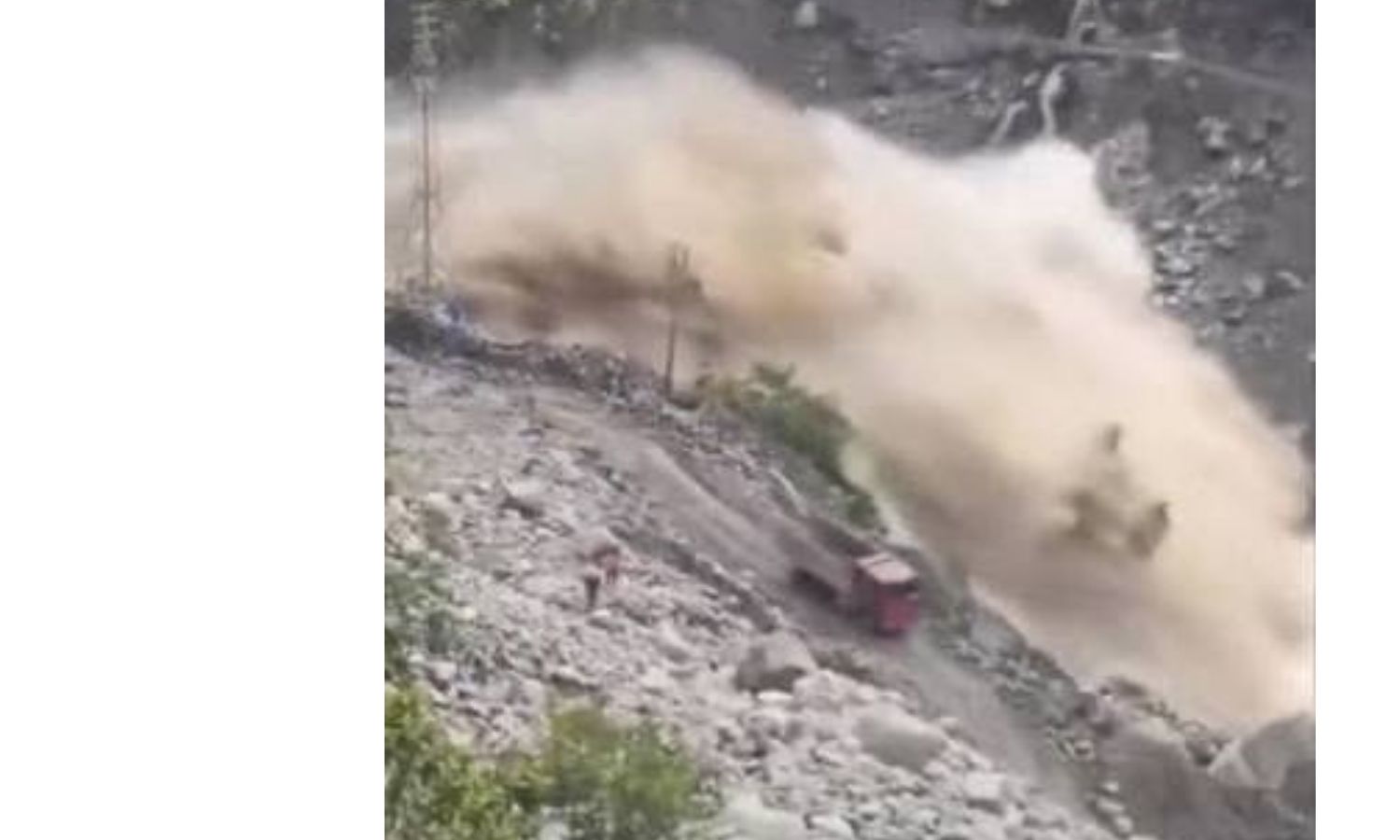
A huge mass of ice, rocks and mud moved through rivers near the Nepal-China border.
It destroyed parts of the landscape and may have killed many people.
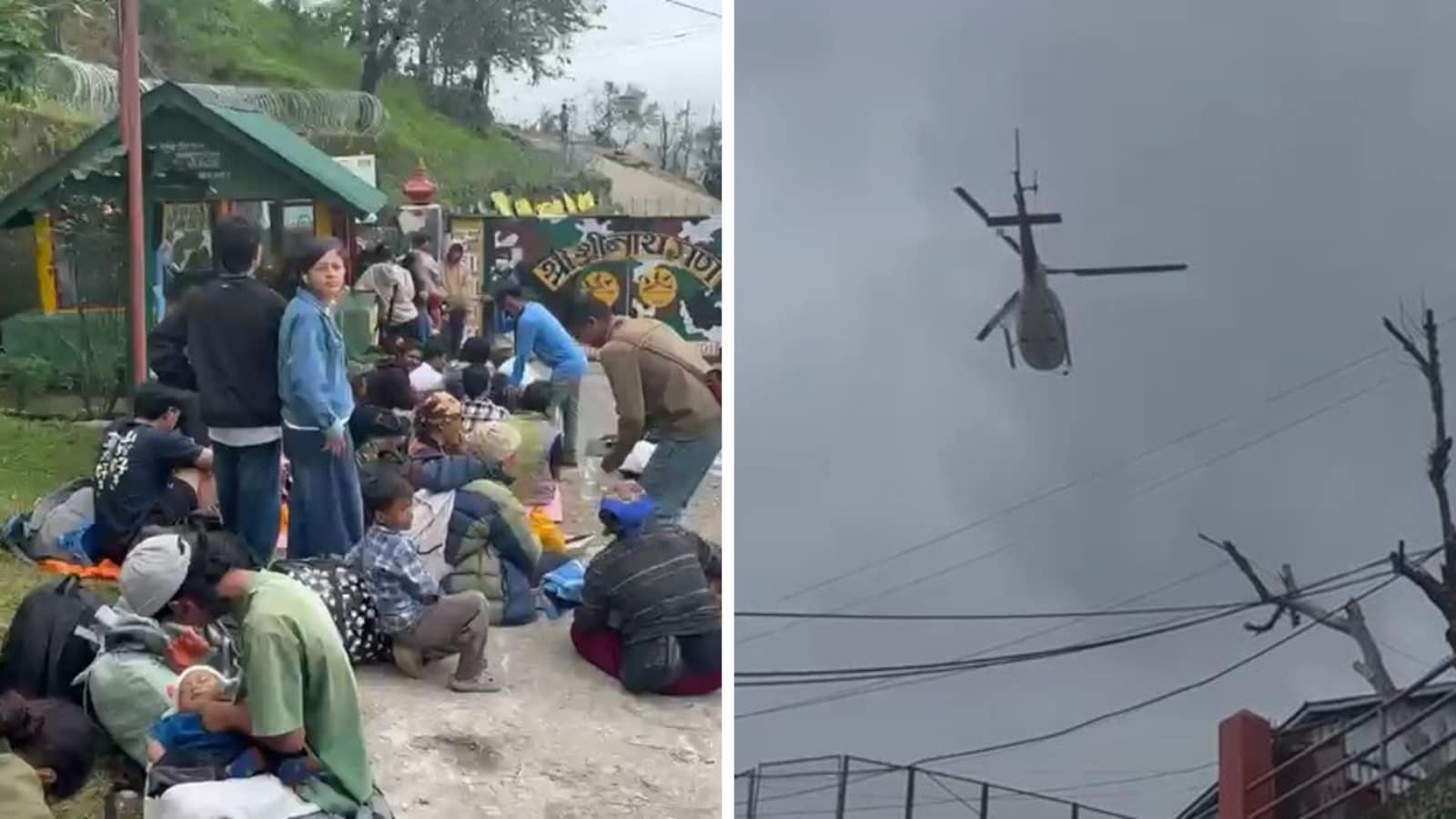
Nepal’s rescue teams are looking for survivors.
The exact number of victims is not known yet.
The immediate cause was a glacial avalanche.
Some reports say a lake-related event in China may have helped trigger it.
Warnings can save people, but sending messages across remote mountains is difficult.
The disaster has also raised concerns about building large projects in fragile Himalayan areas.

A glacial avalanche sent ice, rock and debris downstream through the Bhotekoshi-Trishuli river system.
Nepal’s security and disaster-response forces are searching for survivors, while the final toll remains uncertain.
The disaster’s immediate cause was identified as a glacial avalanche, possibly linked to a Chinese glacial lake burst.
China later issued a level 4 flood alert after a barrier lake began overflowing in Tibet.
The tragedy has renewed calls for Himalayan coordination, mobile alerts and caution over infrastructure in fragile mountain areas.
- Who
- Nepal’s security and disaster-response forces are leading rescue efforts; people in communities near the affected rivers were endangered.
- What
- A glacial avalanche involving ice, rock and debris caused a major disaster and may have followed a Chinese glacial lake burst.
- Where
- The disaster occurred near the Nepal-China border in the Himalayan region, affecting the Bhotekoshi-Trishuli river system and Tibet.
- When
- The fateful event occurred on August 26; a further barrier-lake alert was issued on Thursday before conditions remained dangerous on Friday.
- Why
- The immediate cause was a glacial avalanche; the article also discusses possible glacial-lake activity, limited warnings and risks from infrastructure in fragile mountain areas.
Stronger Warnings and Coordination
Limits of Warnings and Development Pressures
Responsibility for warnings
Stronger Warnings and Coordination
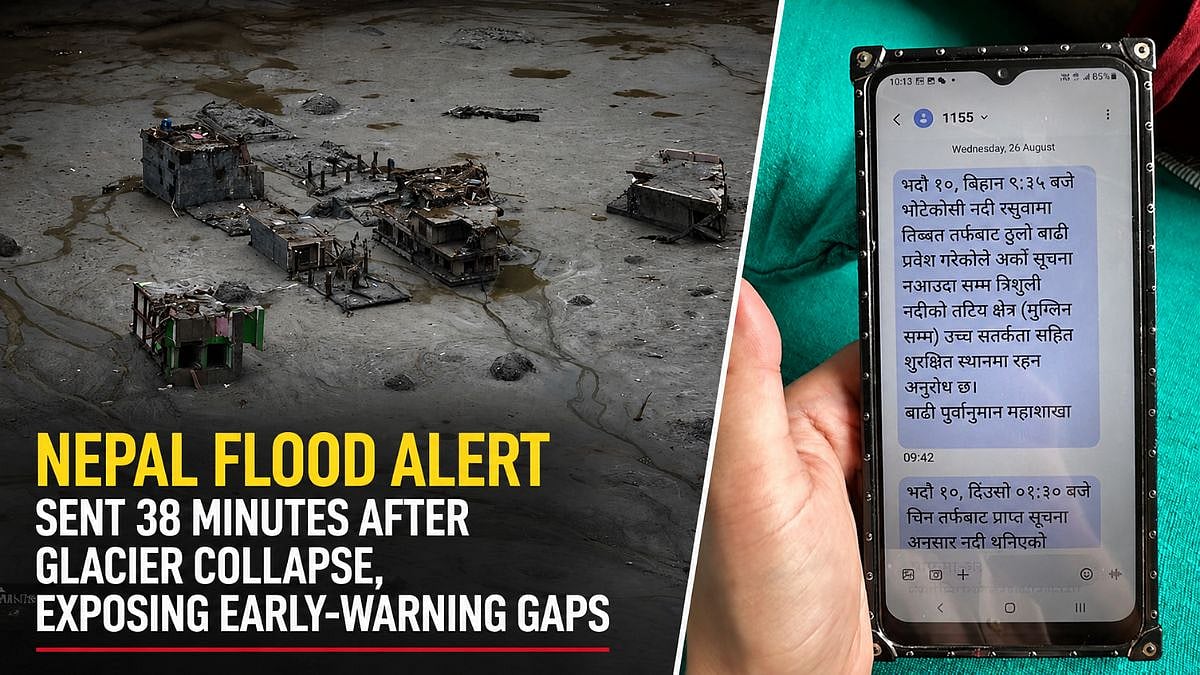
Nepali media claimed China may not have passed along an international alert in time, and the article argues that earlier warnings could help save lives.
Limits of Warnings and Development Pressures
China reportedly has monitoring and early-warning systems, but real-time communication across remote, poorly connected areas is difficult and frequent alerts could cause public panic.
Cause and accountability
Stronger Warnings and Coordination
The disaster’s possible connection to a Chinese glacial lake burst and the lack of a timely alert support calls for greater cross-border coordination.
Limits of Warnings and Development Pressures
The article says it is too late for a blame game because the immediate cause was the glacial avalanche, as supported by satellite observations, while the precise fundamental cause is disputed.
Mountain infrastructure
Stronger Warnings and Coordination
Large roads, bridges, dams and hydroelectric projects can disturb fragile mountain ecosystems and increase safety concerns.
Limits of Warnings and Development Pressures
Nations may continue building infrastructure in remote border areas for national-security reasons, making it difficult to halt such construction.
Key facts
- Immediate cause
- A glacial avalanche carrying ice, rock and debris downstream.
- Potential trigger
- A Chinese glacial lake burst, described as a geological disaster dam, was reported as a possible trigger.
- Affected river system
- The Bhotekoshi-Trishuli river system.
- Rescue effort
- Nepal’s security and disaster-response forces are searching for survivors.
- Further warning
- China issued a level 4 flood alert for a barrier lake that was beginning to overflow.
- Main concern
- The final death toll could be far higher than currently reported, while data from China remained incomplete.
- Proposed improvement
- Greater coordination among Himalayan countries and mobile-phone-based early-warning systems.
Sources
Related news

China Rejects Flood Trigger Claim After Himalayan Disaster
Nepal Flood Exposes Delayed Alerts and Cross-Border Warning Gaps

Nepal Flash Flood Triggers Warning Questions After Tibetan Deluge

China Links Nepal-Tibet Flood Disaster to Glacier Collapse

Nepal Floods Expose Warning Gaps, Spur China Data Push
Nepal Floods Expose Gaps in Himalayan Data Sharing

Nepal Thanks India as Glacial Disaster Rescue Efforts Continue
Nepal Warns of Heavy Rain After Deadly Floods
Bhotekoshi Flood Crisis: Nepal PM Shah Calls for Courage

Nepal PM Thanks India, China Amid Climate Compensation Demand