1 week ago
Nepal Flash Flood Triggers Warning Questions After Tibetan Deluge

A very large flood came from the Tibet side into Nepal’s Bhote Koshi River.
It hit places near the Nepal-China border, including Timure and Syabrubesi.
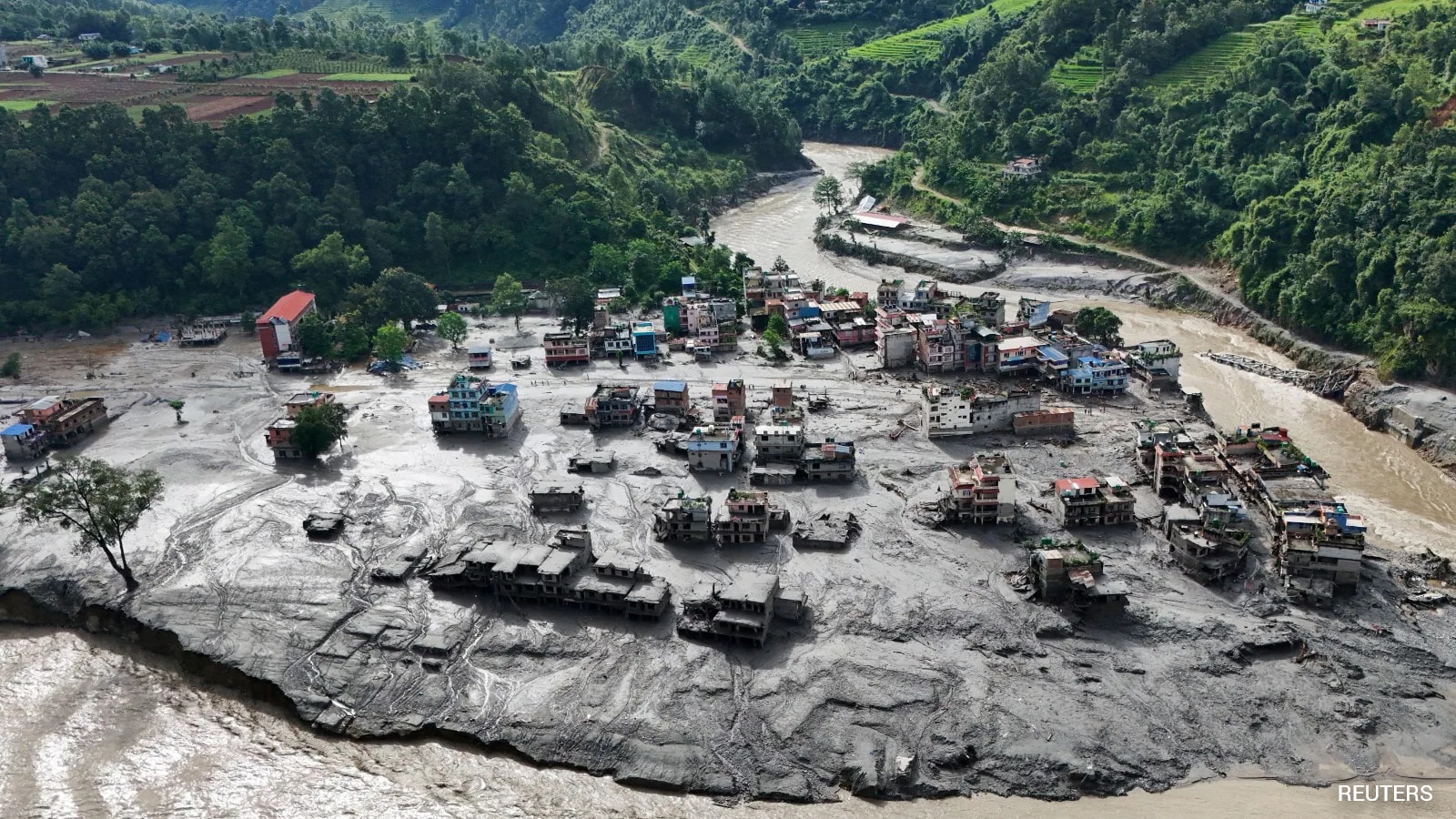
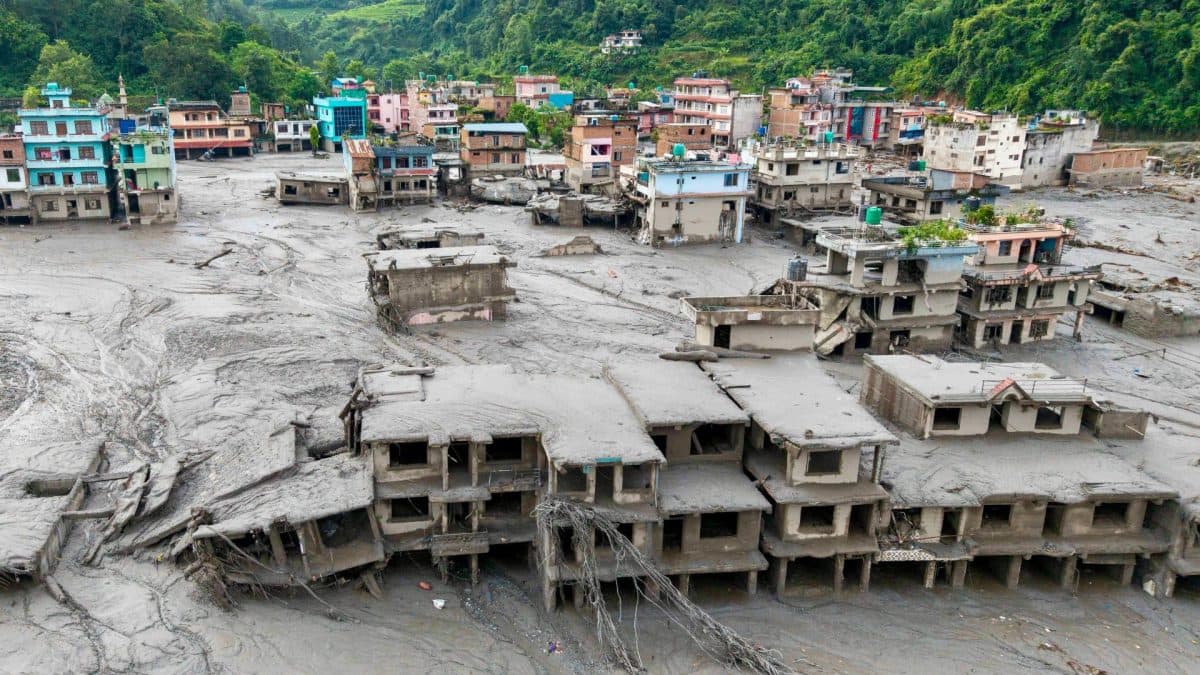
Many homes, roads, bridges and other buildings were damaged.
Early reports said 16 people had died and hundreds were missing.
Some tourists and people from other countries were also feared missing.
Nepali officials said they learned about the flood from local reports before receiving information from Chinese authorities later in the day.
A Nepali journalist criticized China for not giving an earlier warning.
China’s side of the border was also hit, and officials there ordered rescue and stronger warning systems.

A flash flood entered Nepal’s Bhote Koshi River from Tibet on August 26, affecting Rasuwa, Dhading and Nuwakot districts.
Early reports said at least 16 people died in Nepal, while hundreds were missing, including tourists and foreign nationals.
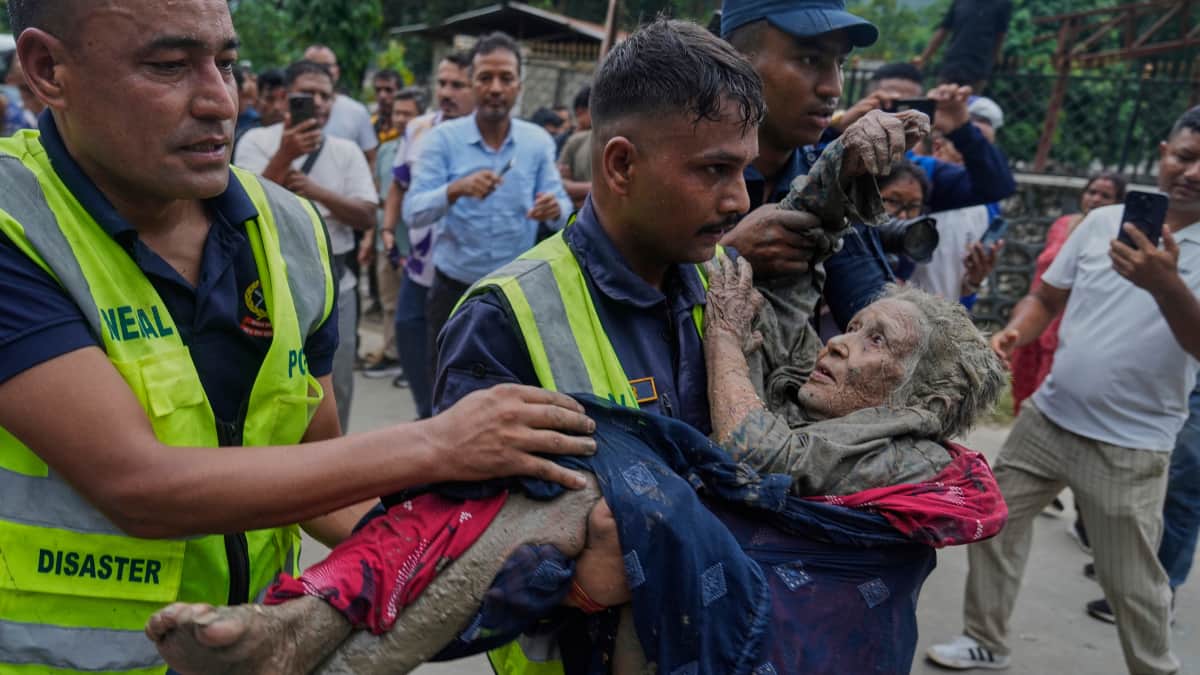
The flooding destroyed homes, vehicles, roads, bridges, customs facilities and hydropower infrastructure near the border.
Nepali reports alleged that China did not warn Nepal before the flood, although China’s side was also severely affected.
Nepali authorities launched alerts, rescues and evacuations, while Bihar in India raised its own alert after water levels increased in the Gandak River.
- Who
- Residents and authorities in Nepal’s border districts were affected; Nepali journalist Parshuram Kaphle criticized China’s alleged lack of an early warning.
- What
- A flash flood swept from the Tibetan side into the Bhote Koshi River, causing deaths, disappearances and extensive destruction.
- Where
- The disaster affected Tibet’s Gyirong and Kerung areas and Nepal’s Rasuwa, Dhading and Nuwakot districts, including Timure and Syabrubesi.
- When
- The flooding occurred on August 26, with reports placing the Nepal impact at around 9 a.m. local time.
- Why
- The immediate cause reported was a sudden surge of water after a lake formed when a river was blocked on the Tibet side; the articles also raised questions about warning delays.
Warning Failure Allegations
Unconfirmed Failure and Shared Disaster
Whether Nepal received timely notice
Warning Failure Allegations
Nepali reports and journalist Parshuram Kaphle alleged that China failed to provide an early warning, potentially worsening the loss of life and destruction.
Unconfirmed Failure and Shared Disaster
The available reporting does not establish that a specific Chinese early-warning failure occurred, and China’s side of the border was also severely affected.
How Nepal learned about the flood
Warning Failure Allegations
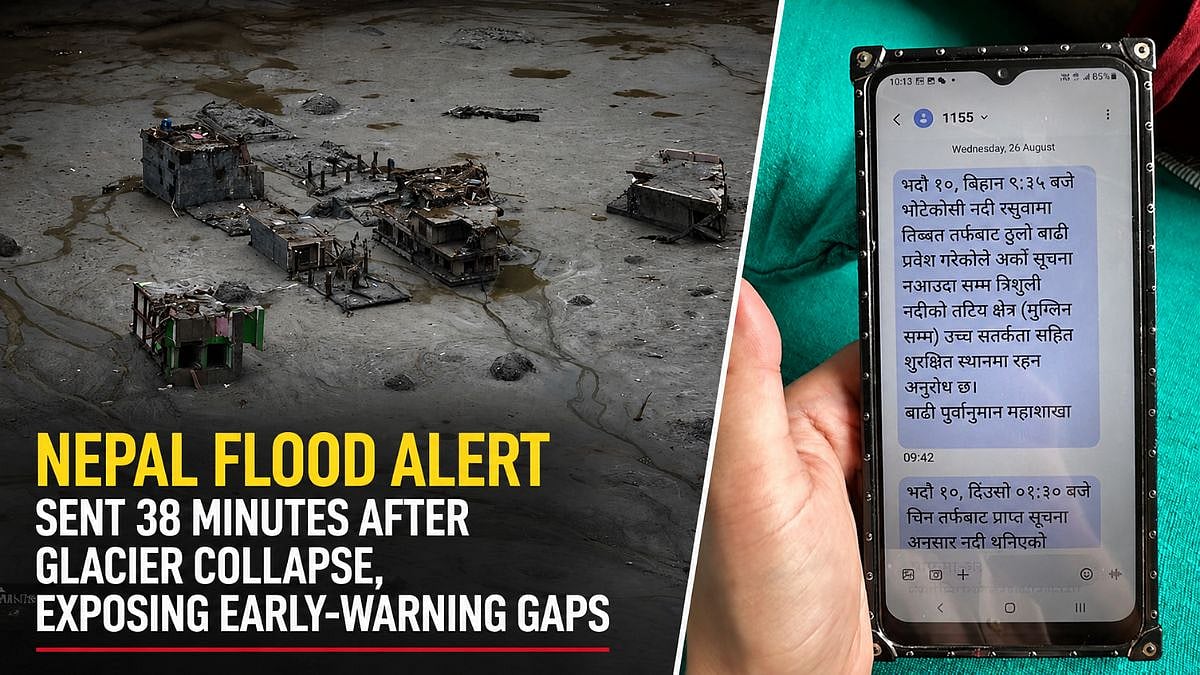
A report citing National Disaster Risk Reduction and Management Authority spokesperson Shanti Mahat said Nepal first learned of the approaching flood when Rasuwa’s chief district officer reported local sightings around 9 a.m.
Unconfirmed Failure and Shared Disaster
The Chinese side reportedly informed Nepal at 1:35 p.m. that a lake formed after a river was blocked and had completely drained, shifting the risk downstream.
Possible causes and precedent
Warning Failure Allegations
The reports raised concerns that extensive Chinese construction in the Himalayas may have contributed and said a similar lack of warning was alleged during flooding in the same river the previous year.
Unconfirmed Failure and Shared Disaster
The articles state that the immediate reported mechanism was a blocked river and the drainage of a lake on the Tibet side; they do not establish that construction caused this disaster.
Key facts
- Reported Nepal death toll
- Early reports put the toll at 16.
- Missing people
- Hundreds were reported missing, including tourists and foreign nationals.
- Flood timing
- The flood reached Nepal at approximately 9 a.m. local time on August 26.
- Chinese notification
- Nepali reports said information from the Chinese side arrived at 1:35 p.m.
- Damage
- Homes, vehicles, roads, bridges, customs facilities and hydropower infrastructure were destroyed.
- Rescue response
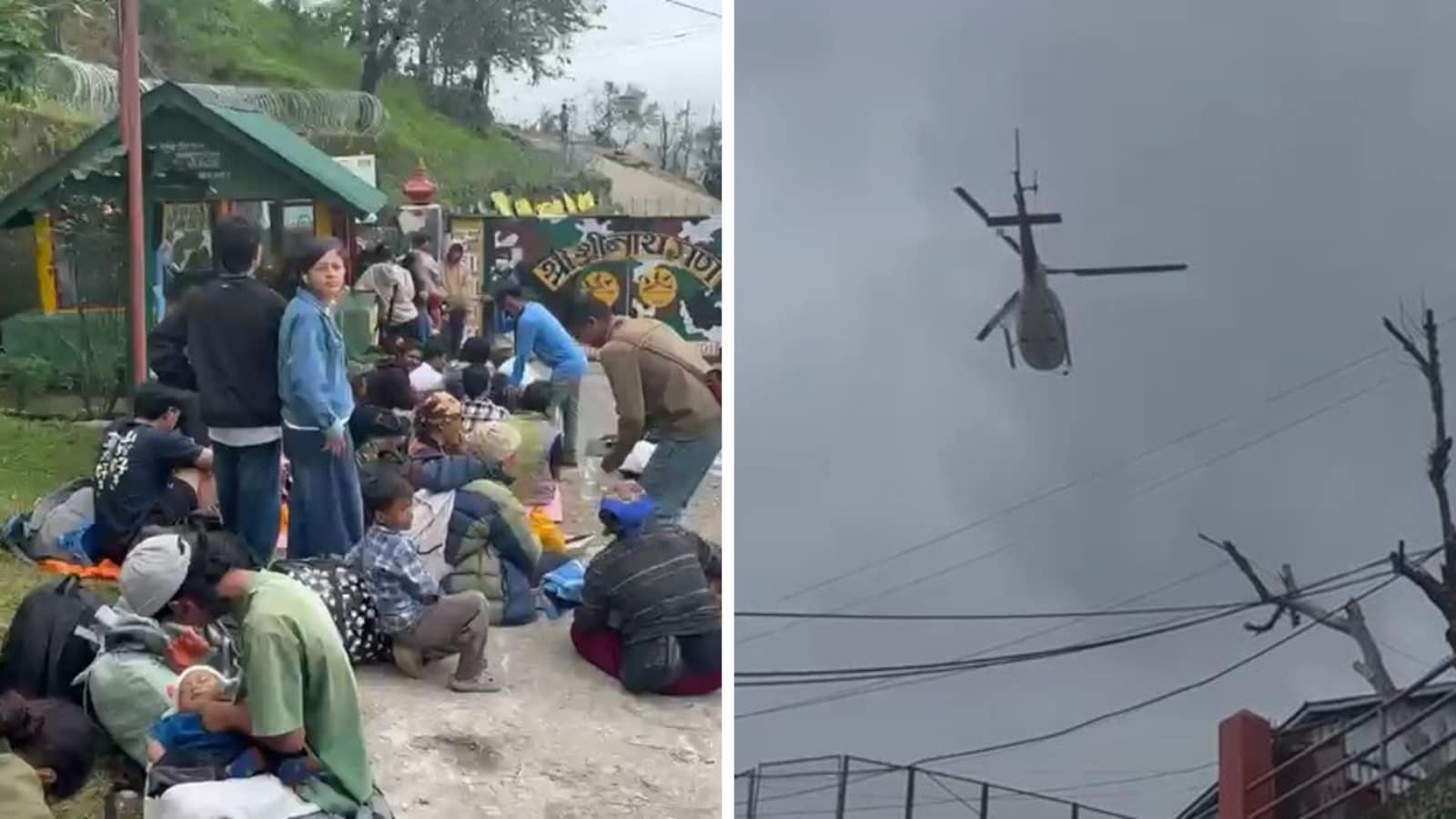
- Nepal launched rescue and evacuation operations, though helicopter operations were hampered by high water and difficult conditions.
- Regional alert
- Bihar placed several districts on high alert after increased flow in the Gandak River.
Quotes
Parshuram Kaphle
Nepali journalist who criticised China’s alleged failure to provide Nepal an early flood warning
“Why should Nepal pay the price of one-sided love?”
 freepressjournal.in
Sources

Related news
Nepal Floods Spark Dispute Over Chinese Warnings and Construction

China Rejects Flood Trigger Claim After Himalayan Disaster
Nepal Flood Deaths Rise as Former Minister Criticizes China
Nepal Flood Exposes Persistent Risks Along Border River

Nepal Floods Expose Warning Gaps, Spur China Data Push

Nepal Thanks India as Glacial Disaster Rescue Efforts Continue
Nepal Warns of Heavy Rain After Deadly Floods
Nepal Flood Exposes Delayed Alerts and Cross-Border Warning Gaps
Bhotekoshi Flood Crisis: Nepal PM Shah Calls for Courage

Nepal PM Thanks India, China Amid Climate Compensation Demand