2 weeks ago
Parliament's 2026 Monsoon Session inefficiency cost about Rs 130 crore
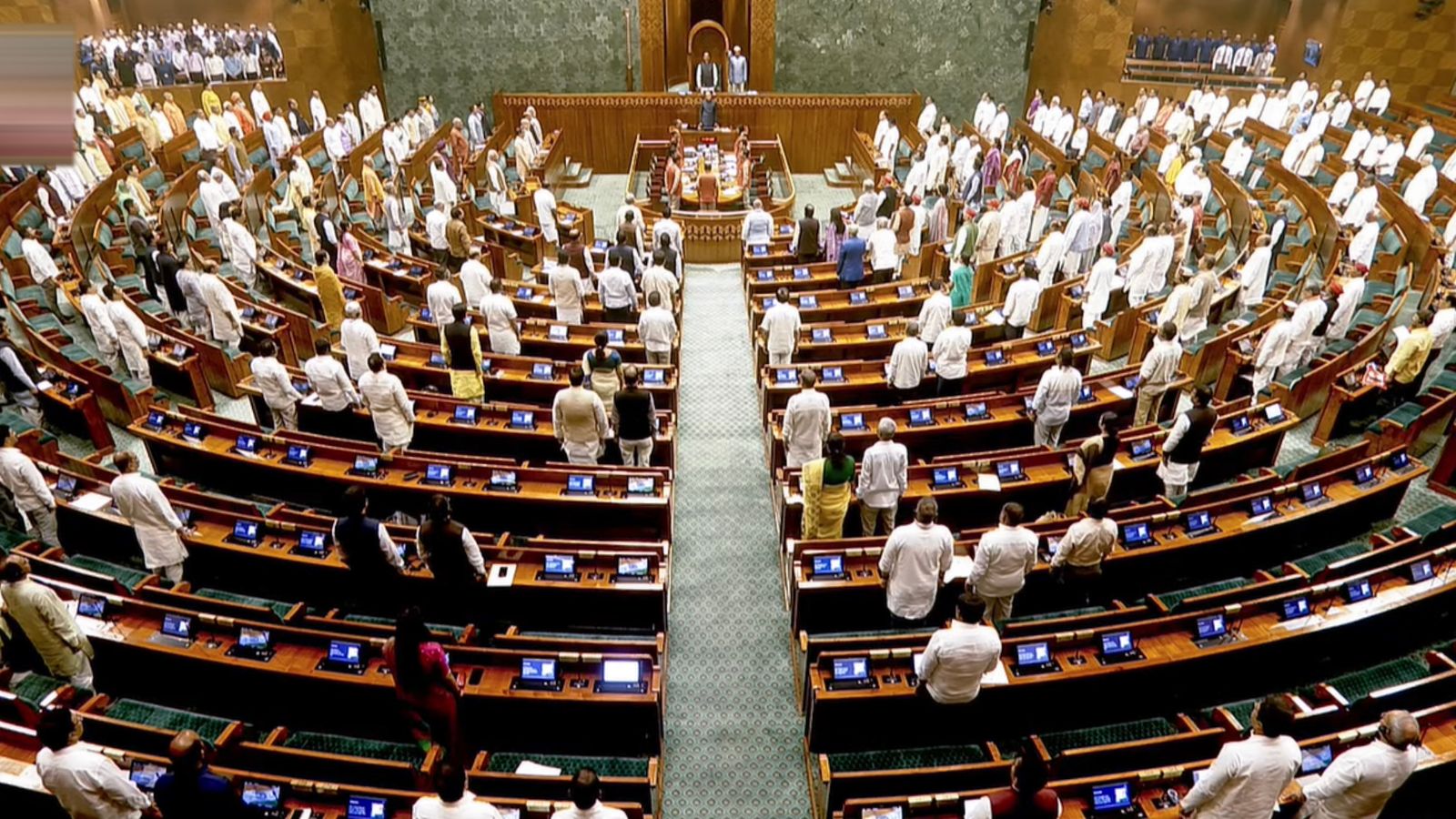
India has a big meeting place where leaders make rules, called Parliament.
It has two parts: the Lok Sabha and the Rajya Sabha.
This year, during a special meeting time called the Monsoon Session, the leaders were supposed to work for about 114 hours in each part.
But people shouted a lot and stopped the meetings again and again.
So the Lok Sabha only worked for about 17.5 hours, and the Rajya Sabha worked about 37 hours.
That is like a school day where almost all the classes get cancelled.
Wasting this time costs the people who pay taxes a lot of money — maybe about Rs 130 crore.
The article says there is a rule that can help: if time is wasted, make up the time later.
It also says leaders should talk and ask questions instead of just shouting, so citizens can see what changed because of their work.

In the 2026 Monsoon Session, Lok Sabha worked 17.5 hours (15 per cent of scheduled time) and Rajya Sabha worked 37.37 hours (33 per cent), according to PRS Legislative Research data.
Against roughly 114 scheduled hours per House over the session, the shortfall was about 96.5 hours in Lok Sabha and 76.6 hours in Rajya Sabha — 173.1 hours in total.
Applying the widely used Rs 2.5 lakh-per-minute benchmark for both Houses, the lost time represents an indicative opportunity cost of about Rs 130 crore.
The 2025 Monsoon Session lost two-thirds of planned time to disruptions, while the 2026 Budget Session saw Lok Sabha work 86 per cent and Rajya Sabha 92 per cent of scheduled time.
The article proposes a Parliamentary Performance Compact, including make-up time for lost hours, a guaranteed route to debate, and a real-time transparency dashboard.
- Who
- India's Parliament — the government led by Prime Minister Narendra Modi and the Opposition — with Home Minister Amit Shah offering on August 12 to hold an extended debate.
- What
- The 2026 Monsoon Session ended with very low productivity: Lok Sabha worked 17.5 hours (15 per cent) and Rajya Sabha 37.37 hours (33 per cent) of scheduled time.
- Where
- India's Parliament (Lok Sabha and Rajya Sabha).
- When
- Monsoon Session of 2026, covering 19 scheduled sittings through August 13.
- Why
- Repeated disruptions and forced adjournments reduced working time, costing taxpayers an estimated opportunity cost of about Rs 130 crore.
Accountability reformers
Deliberation defenders
Applying performance metrics to Parliament
Accountability reformers
Institutions should be judged by measurable outcomes such as working hours, attendance, questions and time recovered; a signature proves presence, not performance.
Deliberation defenders
Democratic work cannot be reduced to quarterly targets; dissent, sharp questions, reasoned speeches, committee reports and even protest are legitimate parliamentary work.
Who caused the lost hours
Accountability reformers
Slogan-shouting that repeatedly forces adjournment turns one group's protest into a veto over every other member and voter; the Opposition is equally responsible for preserving the forum.
Deliberation defenders
The government has the first duty to list business transparently, give adequate notice and ensure ministers answer; the majority cannot bulldoze and responsibility for a functioning Parliament is joint.
Amit Shah's August 12 debate offer
Accountability reformers
The Home Minister offered an extended debate through 3 pm on August 13 and to respond to every question; demanding an answer and then declining to hear it is a contradiction.
Deliberation defenders
The Opposition rejected what it called a lecture, wanting political accountability and the chance to continue pressing its demand rather than accept the minister's framing.
Key facts
- Session
- Monsoon Session 2026
- Scheduled sittings
- 19 sittings through August 13
- Lok Sabha work time
- 17.5 hours (15% of scheduled time)
- Rajya Sabha work time
- 37.37 hours (33% of scheduled time)
- Total hours lost
- 173.1 hours (96.5 in Lok Sabha, 76.6 in Rajya Sabha)
- Estimated opportunity cost
- About Rs 130 crore, based on the Rs 2.5 lakh-per-minute benchmark
- Daily attendance allowance
- Rs 2,500
- 2026-27 Parliament allocation
- Rs 1,491.99 crore combined for Lok Sabha and Rajya Sabha
Sources
Related news
Indian Parliament's Monsoon Session Ends Amid Disruptions, Low Productivity
Parliament Monsoon Session Disruptions Cost Rs 175 Crore
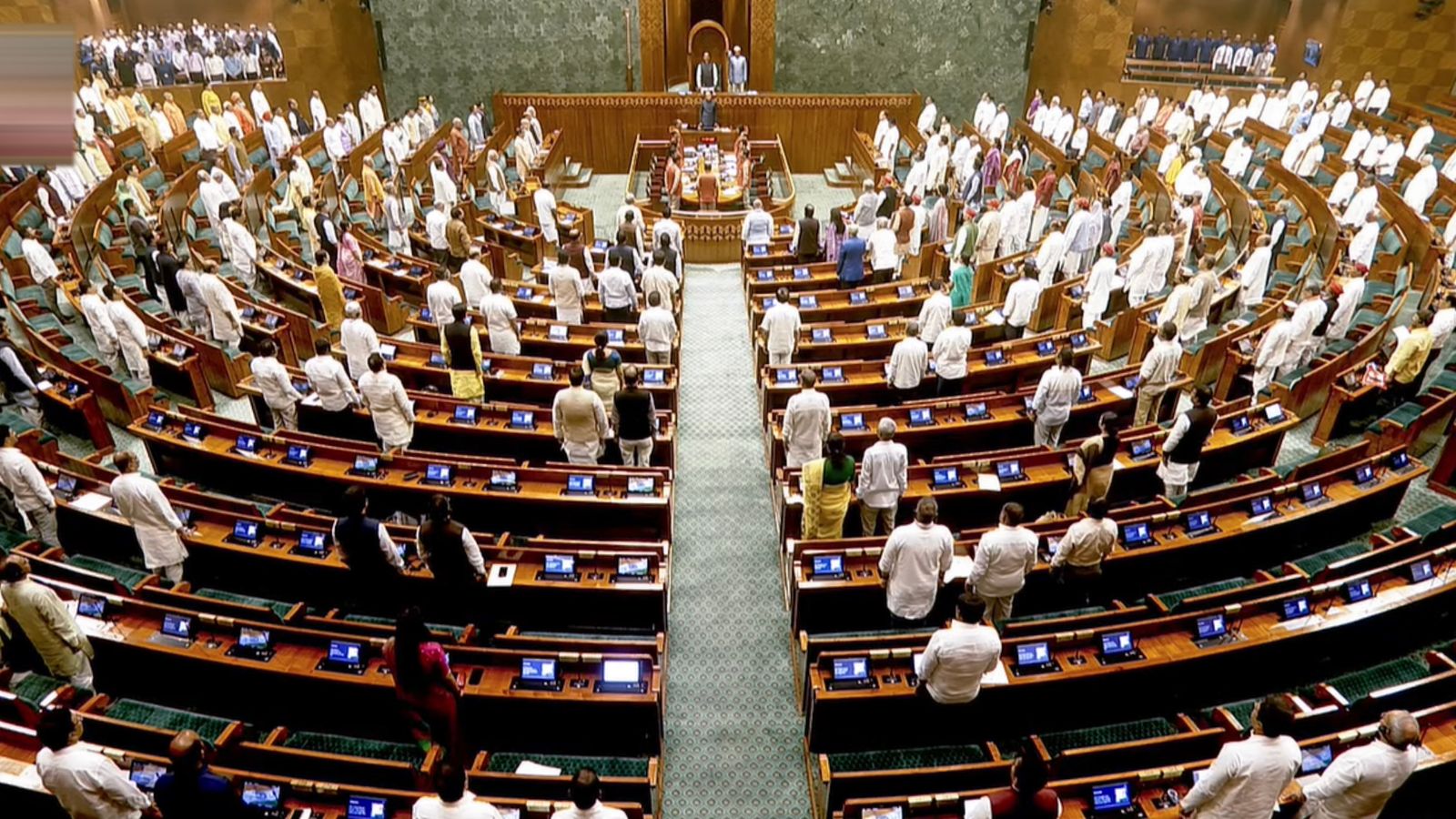
Government Accuses Opposition of Deliberately Disrupting India’s Parliament

Govt blames Congress for disrupting Parliament's Monsoon Session

Parliament Washout: Opposition vs Government Ego War Wastes ₹175 Crore
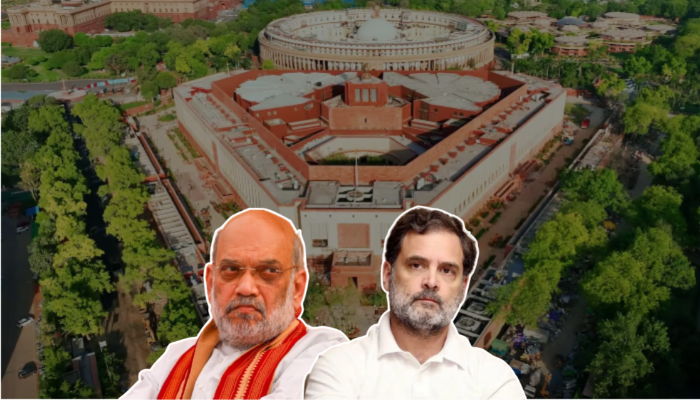
Parliament Disruption Deepens Clash Between Government and Opposition
Goyal Defends India’s 7.8% GDP Growth Amid Data Debate

Manipur Census Deferment Welcomed as Step Toward Public Aspirations
UPSC Key Covers SCO, Electoral Rolls, Economy, Defence and Climate
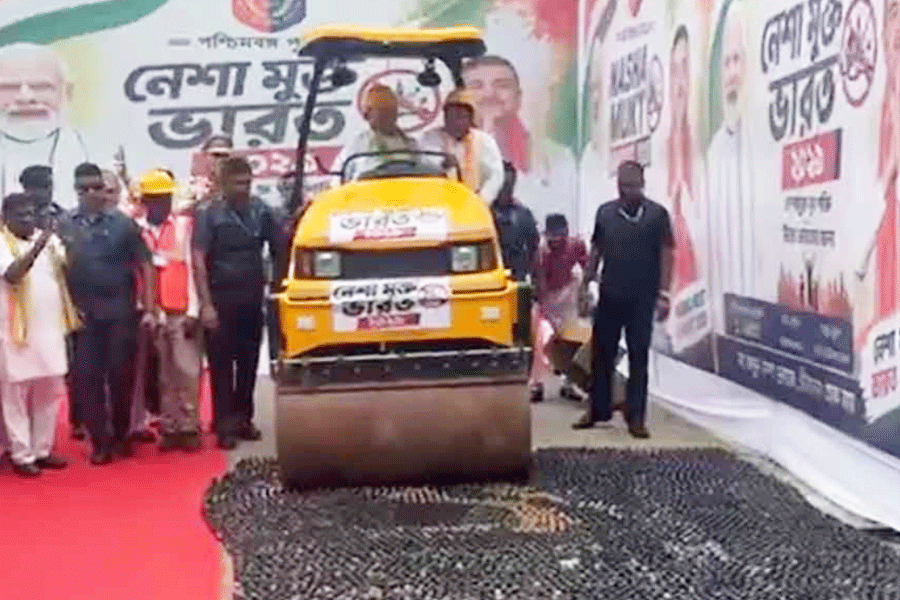
West Bengal CM Crushes Nearly 2 Lakh Seized Syrup Bottles

Modi Highlights India’s Growing Avocado Market and Farmer Gains