2 hrs ago
Iran Rial Falls Past 2.5 Million Per Dollar

Iran’s money has become much less valuable compared with the US dollar.
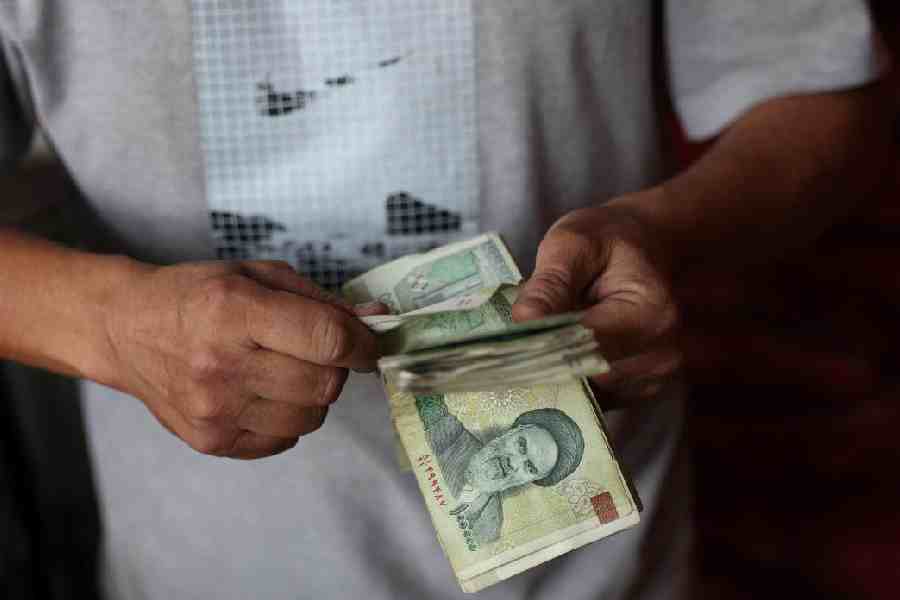
Traders in Tehran exchanged more than 2.5 million rials for one dollar.
This was a new record low for the rial.
Iran was already facing economic problems because of years of sanctions.
New US sanctions and a naval blockade have made it harder for Iran to earn money from selling oil.
US officials say these measures are meant to reduce Iran’s ability to support military activities and its nuclear program.
Iranian officials say the United States is using the nuclear issue as a reason to target Iran’s wealth.
Meanwhile, mediators from Qatar and Pakistan are trying to help the two countries reach an arrangement involving the Strait of Hormuz.
The talks could be connected to ending the fighting and reopening the waterway.

Iran’s rial fell beyond 2.5 million per US dollar in Tehran on Tuesday, reaching a record low.
The currency passed its previous record of 2.2 million rials per dollar just 27 days earlier.
Years of international sanctions, new US sanctions and a naval blockade have restricted Iran’s oil revenues.
US officials say the pressure aims to limit Iran’s ability to fund military activities, weapons development and its nuclear program.
Iran and the United States are pursuing indirect talks through Qatar and Pakistan over the Strait of Hormuz and the wider conflict.
- Who
- Iran, the United States, Iranian officials, US officials, and mediators from Qatar and Pakistan.
- What
- Iran’s rial fell past 2.5 million per US dollar as sanctions, a naval blockade and the ongoing war increased economic pressure.
- Where
- The currency was traded in Tehran, while diplomatic efforts focus on the Strait of Hormuz.
- When
- Tuesday; the latest record came 27 days after the rial crossed 2.2 million per dollar on September 2.
- Why
- The decline is attributed to the war’s economic fallout, longstanding sanctions, new US restrictions and reduced access to oil revenues.
United States Position
Iranian Position
Purpose of sanctions and blockade
United States Position
US officials say restricting Iranian oil revenues is intended to weaken Iran’s ability to finance the war, military activities, weapons development and its nuclear program.
Iranian Position
Iranian Revolutionary Guard spokesman Hossein Mohebbi accused the United States of using Iran’s nuclear program as a pretext to target the country’s wealth.
Economic outlook
United States Position
US Secretary of State Marco Rubio said Iran was heading toward an economic “cataclysm” and argued that its economy could not sustain the conflict indefinitely.
Iranian Position
Iran has continued the conflict while seeking diplomatic engagement over the Strait of Hormuz, despite the worsening value of its currency.
Strait of Hormuz negotiations
United States Position
President Donald Trump rejected an Iranian proposal to reopen the strait within seven days in exchange for measures including lifting the blockade, releasing frozen assets and waiving oil sanctions.
Iranian Position
Iran has signaled that indirect negotiations may be gaining momentum and is awaiting a response conveyed through Qatari intermediaries.
Key facts
- Latest exchange rate
- More than 2.5 million Iranian rials per US dollar
- Previous record low
- 2.2 million rials per dollar on September 2
- Time between records
- 27 days
- Main economic pressures
- International sanctions, new US sanctions and a naval blockade targeting Iranian oil exports
- Diplomatic focus
- The Strait of Hormuz
- Mediators
- Qatar and Pakistan
- US stated objective
- To limit Iran’s ability to fund military activities, develop weapons and advance its nuclear program
Quotes

Abbas Araghchi
Iranian foreign minister involved in indirect negotiations over the Strait of Hormuz
“If there is a response, the Qataris will convey it to us and a decision will be made in Tehran on that basis.”
 livemint.com
“The current focus is solely on the Strait of Hormuz.”
livemint.com
Sources
Related news
Iranian Rial Hits Record Low as War Deepens Economic Pain

US Sanctions and Oil Blockade Deepen Iran’s Economic Crisis

Iran’s Rial Hits Record Low Amid Inflation and Sanctions

Iran’s Economic Crisis Deepens as Food Prices Soar, Rial Falls
Iran Promises Reforms, Threatens Harsher Response Amid Economic Squeeze
Iran’s Hormuz Leverage Wanes as U.S. Economic Pressure Intensifies
Trump Says Iran Conflict Will End Soon Amid Hormuz Recovery

Rajnath Singh Highlights Indian Navy’s Expanding Blue-Water Maritime Role
Seven Months of War Push Iranians Into Economic Hardship

UPSC Key Highlights Economy, Security, Judiciary, Weather and Global Affairs