2 hrs ago
Seven Months of War Push Iranians Into Economic Hardship

Many people in Iran are finding everyday life much more expensive after seven months of war.
Food, rent, medicine and school supplies now cost more for families.
Some people have lost their jobs or moved away from Tehran because housing is too expensive.
Shopkeepers say customers are buying fewer items than before.
Some people are using black markets or paying bribes to get services, which can cost a lot.
The country is also earning less money because a US blockade has reduced its oil exports.
Iranian officials are worried that economic problems could lead to unrest.
These difficulties have helped encourage some diplomatic efforts.
However, many people interviewed said they were too busy dealing with daily problems to think about protesting.

Iranian households are struggling to afford food, rent, medicine, cigarettes and other basic necessities.
A US blockade restricting Iran’s oil exports is cutting into the state’s financial lifeline, according to Reuters.
Private-sector job losses are increasing, while some residents have left Tehran for cheaper housing elsewhere.
Black-market payments and alleged bribes have become more common and expensive for some people seeking services.
Economic pressure has contributed to recent diplomacy, but officials also fear unrest and have cracked down on dissent.
- Who
- Ordinary Iranians, including workers, families, shopkeepers and business owners, are affected; Iranian officials and the United States are also involved.
- What
- Seven months of war and economic restrictions have worsened living costs, job losses and access to necessities in Iran.
- Where
- Across Iran, including Tehran, northern Iran, Sanandaj and areas outside the capital.
- When
- The report was published September 29 and describes conditions after seven months of war; it also refers to events in January and the months since the war began.
- Why
- The article attributes the hardship partly to a US blockade reducing Iran’s oil exports, while the war has disrupted jobs, supply chains and daily life.
Key facts
- War duration
- Seven months, according to the report
- Main economic pressure
- A US blockade restricting Iran’s oil exports
- Affected necessities
- Food, rent, medicine, school supplies and fuel-related goods
- Employment
- Private-sector job losses are being reported
- Housing
- Some residents have left Tehran for less expensive areas
- Informal payments
- Some people report rising black-market costs, surgeon payments and alleged police bribes
- Public response
- Interviewees said daily financial concerns left them with little capacity to consider protesting
Quotes
Ramin Yousefnia
Grocery shop owner interviewed on camera in Tehran
“I’m forced to sell my items with a very small and negligible profit, yet I can’t close my business because then I’d be unemployed.”
 theprint.in
“Something they used to buy five or 10 of, they can only buy two of now. Don’t even get me started on savings. This is the reality.”
theprint.in
Sources
Related news
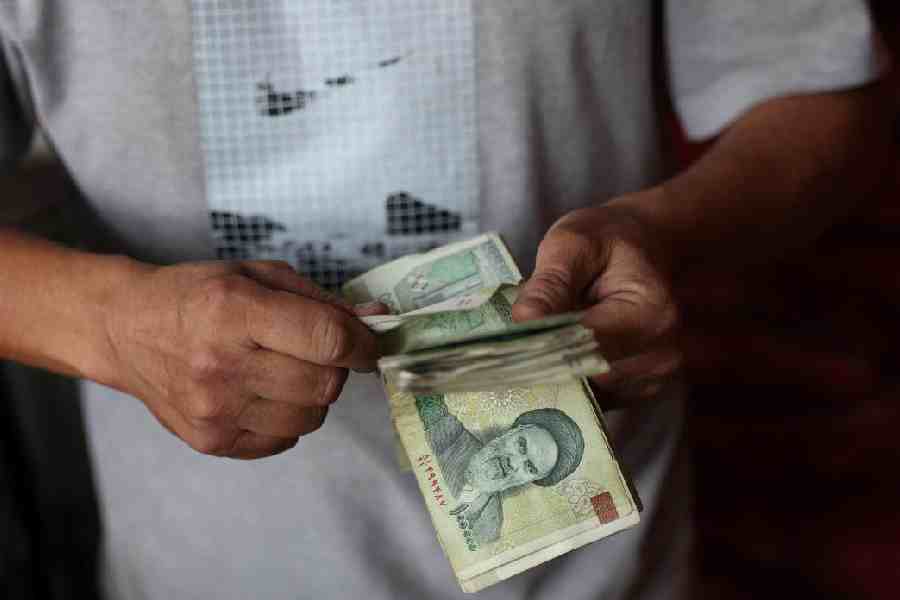
Iranian Rial Hits Record Low as War Deepens Economic Pain

Iran’s Economic Crisis Deepens as Food Prices Soar, Rial Falls
US Sanctions and Oil Blockade Deepen Iran’s Economic Crisis

Iran Rial Falls Past 2.5 Million Per Dollar
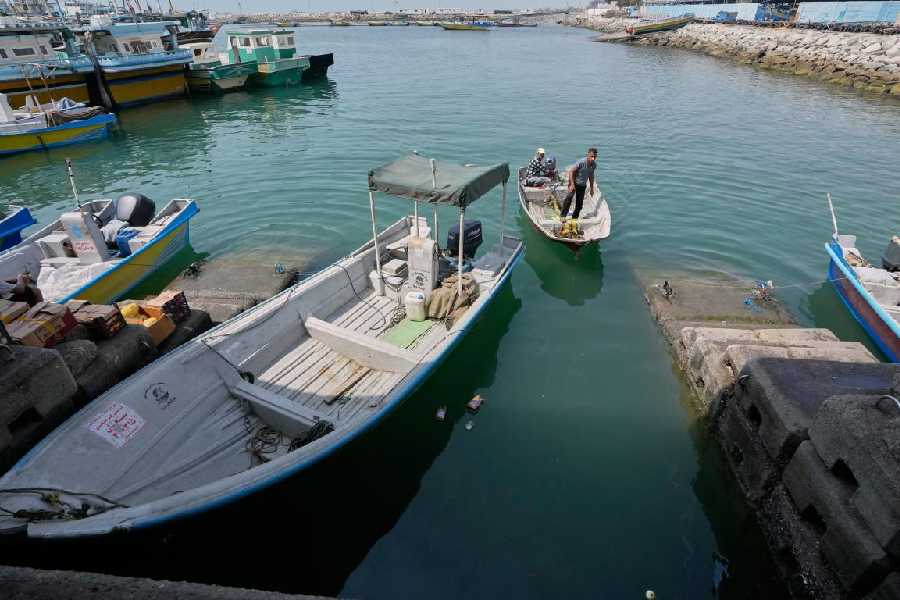
US Blockade Chokes Trade and Livelihoods in Iran's Bandar Abbas
Iran’s Economic Crisis Sends Afghan Families Back to Taliban Rule

Trump Says Iran Conflict Will End Soon Amid Hormuz Recovery

Rajnath Singh Highlights Indian Navy’s Expanding Blue-Water Maritime Role
UPSC Key Highlights Economy, Security, Judiciary, Weather and Global Affairs