

1 day ago
Iran’s Rial Hits Record Low Amid Inflation and Sanctions

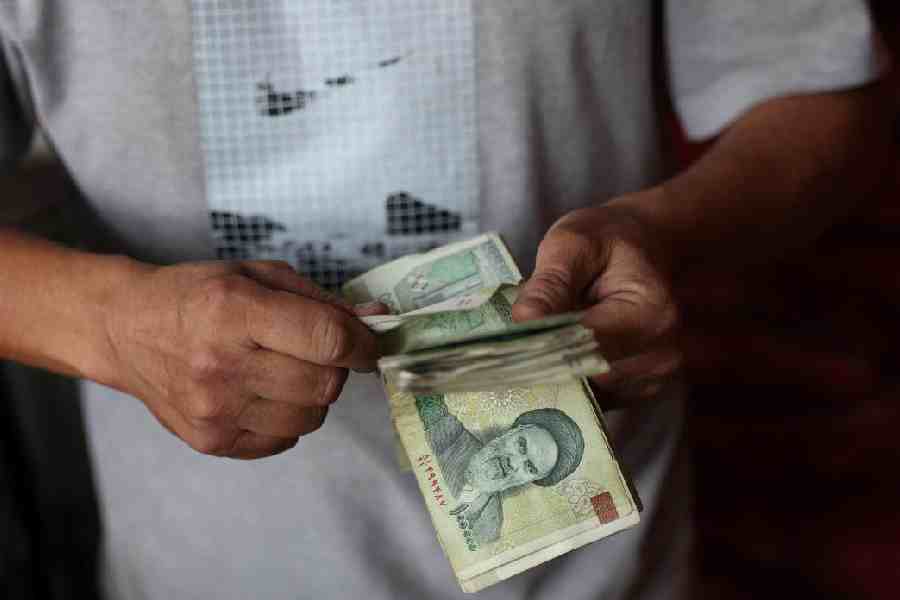
Iran’s money, called the rial, is worth less than ever compared with the United States dollar.
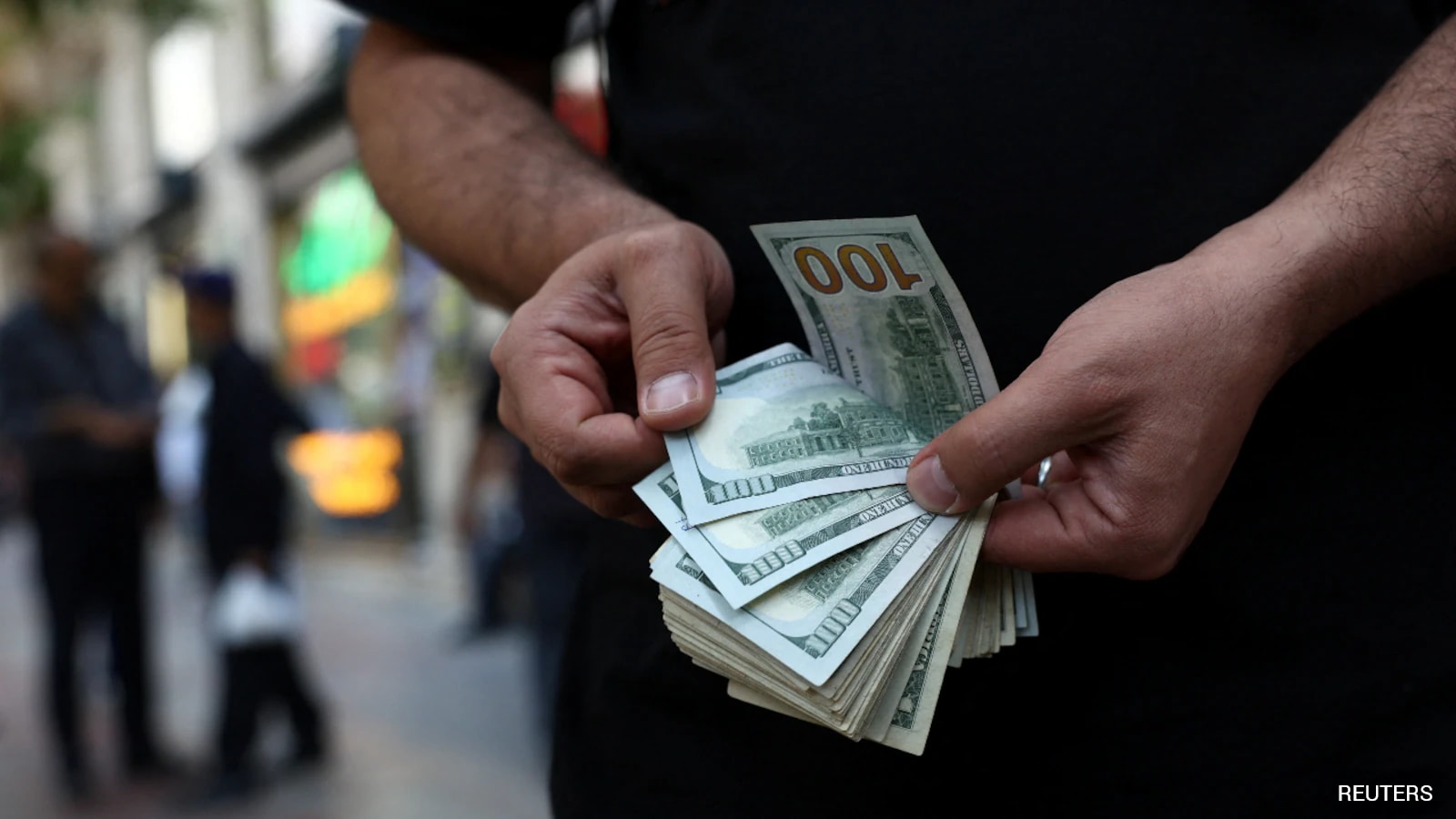
This means people in Iran need more rials to buy the same amount of goods priced in dollars.
Analysts say economic pressure and sanctions have contributed to the decline.
The United States Treasury launched a maximum-pressure campaign against Iran on August 24, 2026.
Prices in Iran are also rising very quickly.
Annual inflation has gone above 60%.
Food prices rose 128.1% compared with the same period a year earlier.
As food becomes more expensive, families can afford less with their money.

Iran’s rial has fallen to a record low against the United States dollar.
Analysts attribute the depreciation to Iran’s economic struggles following a maximum-pressure campaign launched by the United States Treasury.
The campaign was launched on August 24, 2026, according to the report.
Iran’s annual inflation rate has risen above 60%.
Official data showed food prices increased 128.1% year-on-year, reducing household purchasing power.
- Who
- Iran and its households are affected; analysts attribute the currency decline to economic pressure from the United States.
- What
- Iran’s rial has reached a record low against the United States dollar amid high inflation and sanctions.
- Where
- Iran and the currency market involving the United States dollar.
- When
- The maximum-pressure campaign was launched on August 24, 2026; the report does not specify when the record low occurred.
- Why
- Analysts say Iran’s economic struggles, following the United States maximum-pressure campaign and sanctions, contributed to the rial’s depreciation; high inflation further weakened purchasing power.
Key facts
- Currency
- Iranian rial
- Exchange-rate status
- Record low against the United States dollar
- Annual inflation
- Above 60%
- Food-price increase
- 128.1% year-on-year
- Economic campaign
- Maximum-pressure campaign launched by the United States Treasury
- Campaign date
- August 24, 2026
- Household impact
- Purchasing power has been further eroded
Sources
Related news

Iran’s Economic Crisis Deepens as Food Prices Soar, Rial Falls
Iranian Rial Hits Record Low as War Deepens Economic Pain
Iran Says Currency Reserves Hold Despite US Sanctions

US Sanctions and Oil Blockade Deepen Iran’s Economic Crisis
Iran’s Fuel Reserves Dwindle as US Sanctions Tighten Pressure
US Says Iran Lacks Hormuz Control, Faces Economic Death Spiral
Rupee Falls 20 Paise Against Dollar Amid Oil, Outflows

How Companies Hedge Pound-Dollar Exposure Without Predicting Currency Markets
Can the Chinese Yuan Displace the US Dollar?
Rupee Weakens as Oil Surges and Dollar Strengthens
