2 days ago
Iran’s Economic Crisis Deepens as Food Prices Soar, Rial Falls

Iran is having a serious economic crisis.
Food and other everyday items have become much more expensive.
The country’s money, called the rial, is now worth much less than before.
This makes imported goods and basic needs harder to afford.
Some petrol stations have closed, causing long lines for fuel.
Officials blamed panic buying and damage to oil storage facilities for some of the fuel problems.
The United States has also imposed new sanctions, making it harder for Iran to sell oil and earn money.
Iranian leaders are asking people to use less fuel and produce more goods themselves.

Food prices surged sharply, with vegetable oil up 383% year-on-year in August and egg prices up 294%.
The Iranian rial fell to about 2 million per US dollar on the open market on August 23.
Iran’s Statistical Centre reported 84.4% year-on-year inflation in August and an annual average rate of about 65%.
Fuel shortages, long queues and closed petrol stations were reported in Tehran and Mashhad after panic buying and damage to oil facilities.
US sanctions and difficulties exporting oil are reducing Iran’s revenue as officials urge citizens to cut fuel use and make goods domestically.
- Who
- Iranian households, leaders and officials are affected, while the United States has launched a new sanctions campaign.
- What
- Iran’s economic crisis is worsening through soaring food prices, high inflation, a record-low rial, fuel shortages and reduced oil-export revenue.
- Where
- The crisis is affecting Iran, with fuel queues reported in Tehran and Mashhad.
- When
- The rial reached its reported record low on August 23; inflation figures were reported for August, and red-meat demand was compared for April 2026.
- Why
- The articles cite US sanctions, difficulties exporting oil, currency weakness, panic buying and damage to oil storage facilities caused by Israeli strikes.
Iranian Officials’ Framing
Critics and Economic Analysts’ Concerns
Cause of the crisis
Iranian Officials’ Framing
Iranian leaders frame the economic struggle as part of the country’s confrontation with the United States and emphasize public cooperation.
Critics and Economic Analysts’ Concerns
Energy expert Amirhossein Hashemi-Javid said the central problem is Iran’s difficulty exporting oil under the US blockade, which reduces government revenue and raises storage costs.
How households should respond
Iranian Officials’ Framing
Hojatoleslam Taeb urged people to reduce petrol use by up to 10%, and Mohsen Rezaei advised young people to produce needed goods at home.
Critics and Economic Analysts’ Concerns
Economics magazine editor Mohammad Taheri compared the domestic-production suggestion to Mao Zedong’s “backyard steel furnaces” campaign during China’s Great Leap Forward.
Fuel shortages
Iranian Officials’ Framing
Officials attributed fuel disruption partly to panic buying after rumors of a planned fuel-price increase.
Critics and Economic Analysts’ Concerns
The reported shortages also followed damage to oil storage facilities caused by Israeli strikes, adding to the pressure on fuel supplies.
Key facts
- US sanctions campaign
- The latest campaign is dubbed “Operation Economic Outcast.”
- Food-price increase
- Vegetable oil prices were reportedly 383% higher in August than a year earlier; eggs rose 294%, chicken 177% and red meat 148%.
- Inflation
- Iran’s Statistical Centre reported 84.4% year-on-year inflation in August and an annual average inflation rate of about 65%.
- Currency rate
- The US dollar reached around 2 million Iranian rials on the open market on August 23.
- Food demand
- Demand for red meat reportedly fell 50% in April 2026 compared with April 2025.
- Fuel disruption
- Long queues and closed petrol stations were reported in Tehran and Mashhad.
- Official appeals
- Hojatoleslam Taeb urged people to reduce petrol consumption by up to 10%, while Mohsen Rezaei encouraged domestic production.
Sources
Related news

Iranian Toman Hits Record Low as Food Prices Soar

Iranian Rial Hits Record Low as US Prepares New Sanctions

Iranian President Acknowledges Domestic Problems as US Tightens Sanctions

Iran Prepares for Painful Fuel Hike Amid US Sanctions
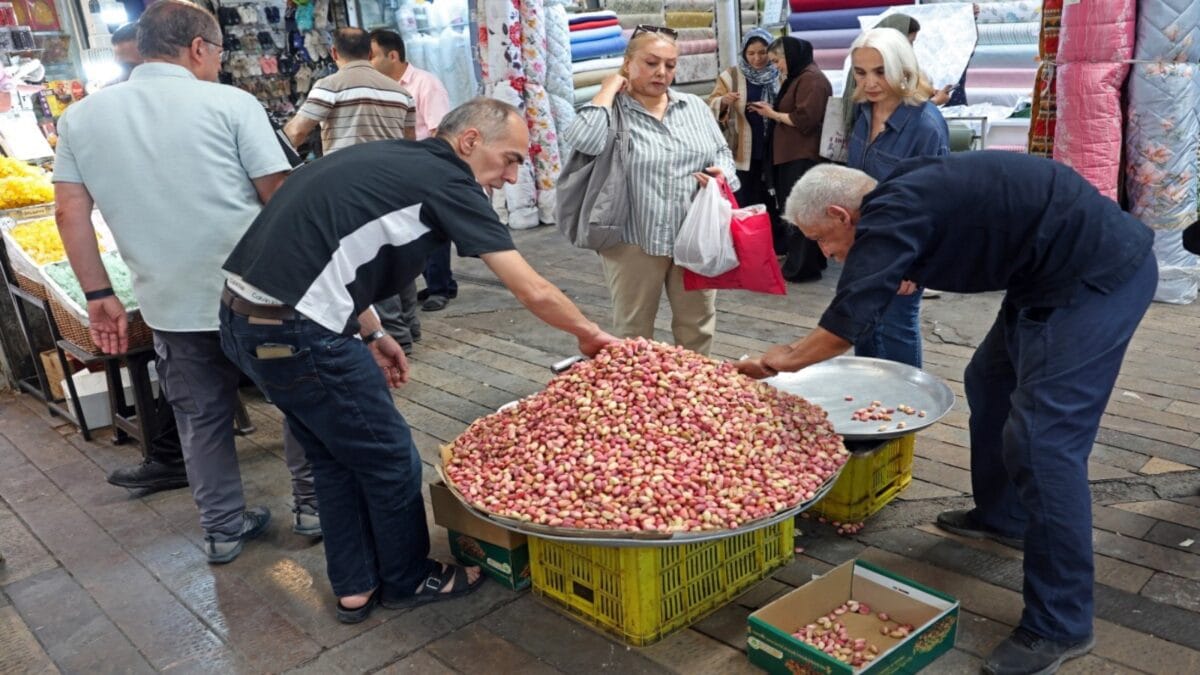
Six Months Into Iran War, Economic Crisis Deepens
Pezeshkian Acknowledges US Sanctions Are Pressuring Iran’s Economy
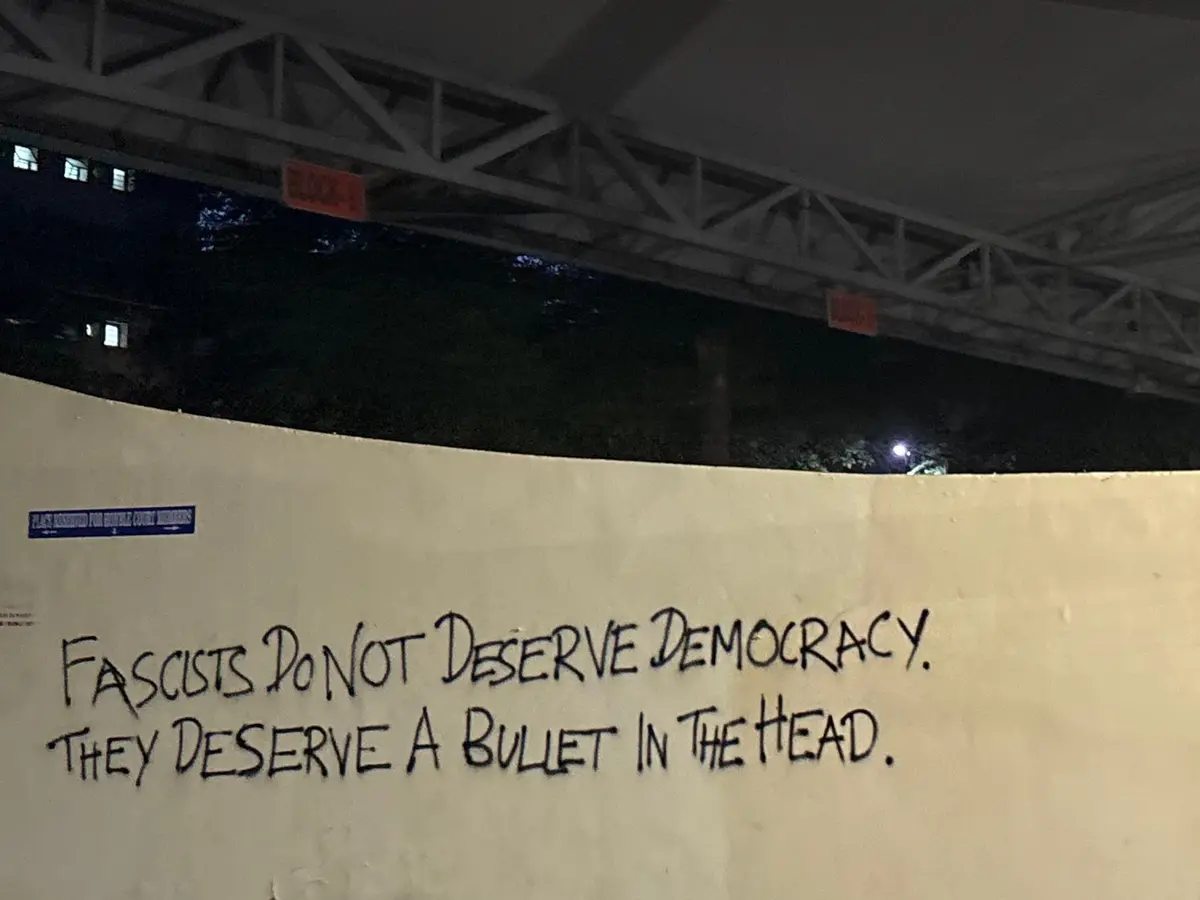
Jadavpur University Graffiti War Deepens State-Campus Political Divide

Naxalbari's Peasant Roots and the Urban Revolution Myth

Chinese Dissident Artist Gao Zhen Sentenced Over Mao Sculptures
China’s Rise and Demographic Decline Shape India’s Strategy