

2 weeks ago
Hormuz crisis drives up costs, delays Indian exporter shipments
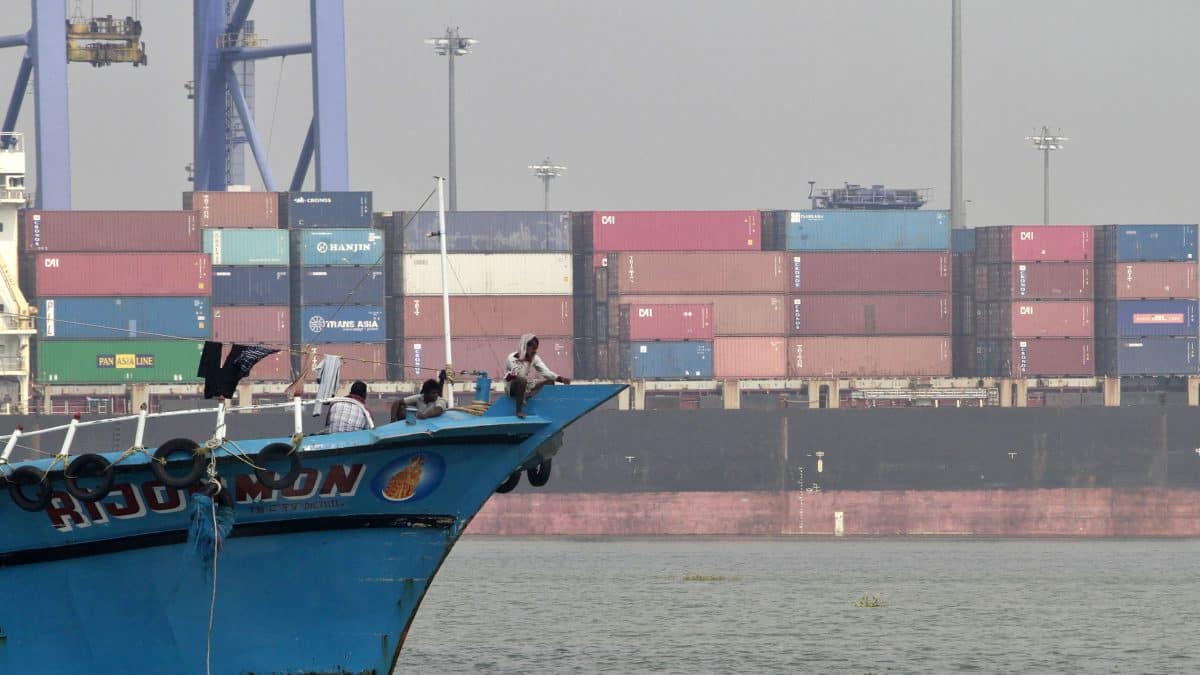
Ships carry things we buy across the ocean, and many of them sail through a narrow sea passage called the Strait of Hormuz.
Lately, that area has become unsafe, so ships are taking different, longer routes.
This makes shipping much more expensive and much slower.
A company in India called Nuflower makes special food for children who do not get enough to eat.
Its shipments to Africa that used to take a little over a month now take more than three months.
Nuflower also has to pay more for the ingredients it needs, like peanuts, milk and oil.
The company cannot raise prices much because the food is meant for malnourished children and it competes in a very cost-sensitive market.
Some of Nuflower's customers in Europe and Africa are now buying from other countries instead.
The Indian government is trying to help with a special programme called RELIEF.
For now, Nuflower hopes the problems will end soon so food can still reach children on time.

The Strait of Hormuz disruption has raised raw material and packaging costs by up to 30 per cent at Indian nutrition exporter Nuflower.
A shipment from Mundra to Cameroon that once took 37 days now takes about 95 days, while the Mundra-Durban route has stretched from about 27 days to more than 90 days.
Freight rates surged 115 per cent to Sierra Leone, 68.75 per cent to Ashdod in Israel and 151.16 per cent to Guatemala between March and August.
Only eight vessels were tracked through the Strait of Hormuz on Tuesday versus a 10-day average of about 12, compared with roughly 130-140 vessels a day before the disruption.
India's government launched the Rs 497 crore RELIEF scheme in March to help exporters facing higher freight, insurance and war-related export risks.
- Who
- Akshat Khandelwal, founder and CEO of Nuflower, an Indian exporter of nutrition products for malnourished children, along with Indian exporters, overseas buyers and the Indian government.
- What
- Disruption in the Strait of Hormuz is raising raw material, freight and insurance costs and causing major shipping delays for Indian exporters like Nuflower.
- Where
- The Strait of Hormuz, Indian ports such as Mundra, and shipping routes to Africa, Europe, Israel and Guatemala.
- When
- Over the past four to five months, with freight-rate data spanning March to August and vessel tracking reported on the current week's Tuesday and Wednesday.
- Why
- Carriers are rerouting vessels to avoid conflict zones, skipping scheduled port calls and facing port congestion and vessel backlogs, pushing up costs and lead times.
Key facts
- Affected company
- Nuflower, Indian nutrition products exporter
- Raw material and packaging cost rise
- Up to 30 per cent
- Mundra-Cameroon transit time
- 37 days to about 95 days
- Mundra-Durban transit time
- About 27 days to more than 90 days
- Freight rate surges
- Sierra Leone +115%, Ashdod +68.75%, Guatemala +151.16%
- Vessels through Strait of Hormuz
- 8 tracked on Tuesday vs ~12 ten-day average; ~130-140 before disruption
- IMF energy estimate
- 25-30% of global oil and ~20% of LNG pass through Hormuz
- RELIEF scheme outlay
- Rs 497 crore, launched in March
Quotes
Akshat Khandelwal
Founder and CEO of Nuflower, an Indian nutrition product exporter
“The increase in major raw material prices remains the single biggest additional absolute cost our company is facing right now.”
 firstpost.com
“It's a very delicate balance for us.”
firstpost.com
Sources
Related news
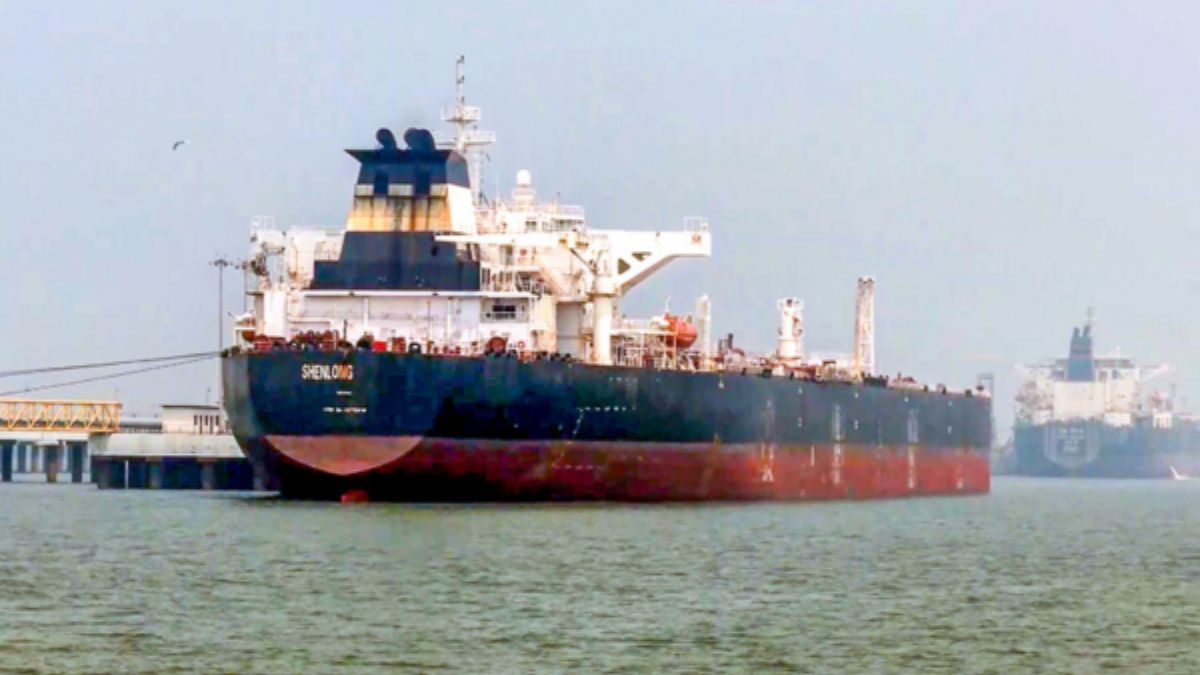
Hormuz Disruption Drives India’s Crude Freight Costs Sharply Higher

Red Sea crisis enters 1,000th day, shipping detours squeeze trade

West Asia War Raises Costs and Complicates India’s Logistics

India urged to boost shipping capacity, naval protection: GTRI
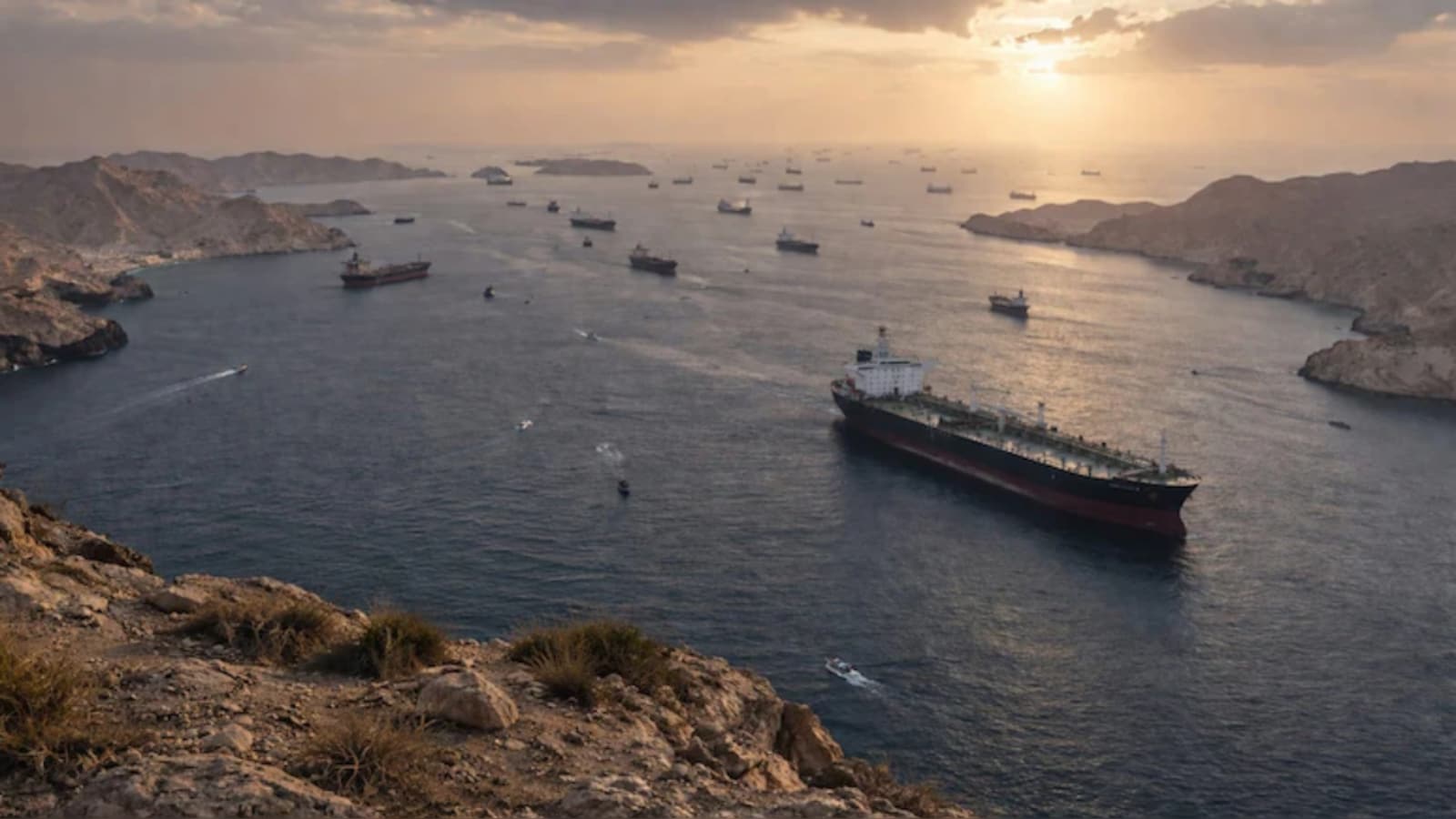
India Hits Record Exports Despite Freight Surge Amid US-Iran War

Unjha Spice Market Struggles Amid Freight and Export Disruptions
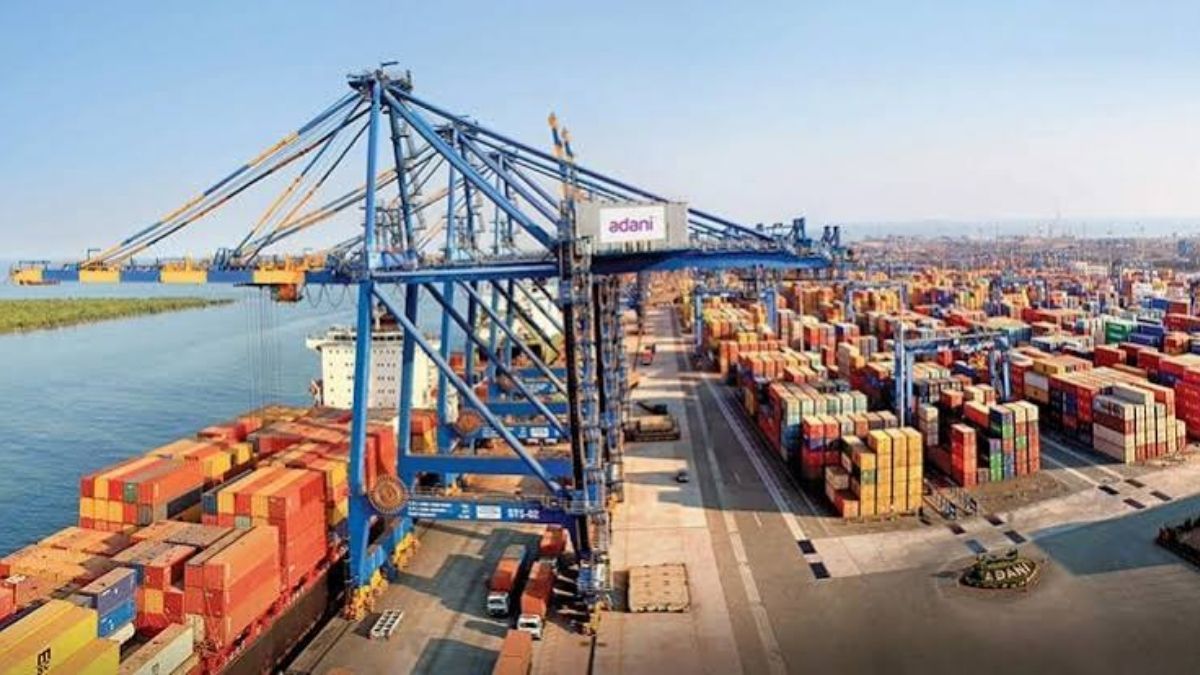
Mundra Port disruption deepens supply-chain strain amid West Asia crisis
Adani Says Big Ports, Green Projects Reshape India’s Economics
Adani Urges Wider Infrastructure Rating Lenses for India’s Ambitions

Adani Urges Wider Infrastructure Ratings Lens for India’s Future

Vadodara-Mundra Air Taxi Launches Faster Connectivity Between Industrial Hubs
