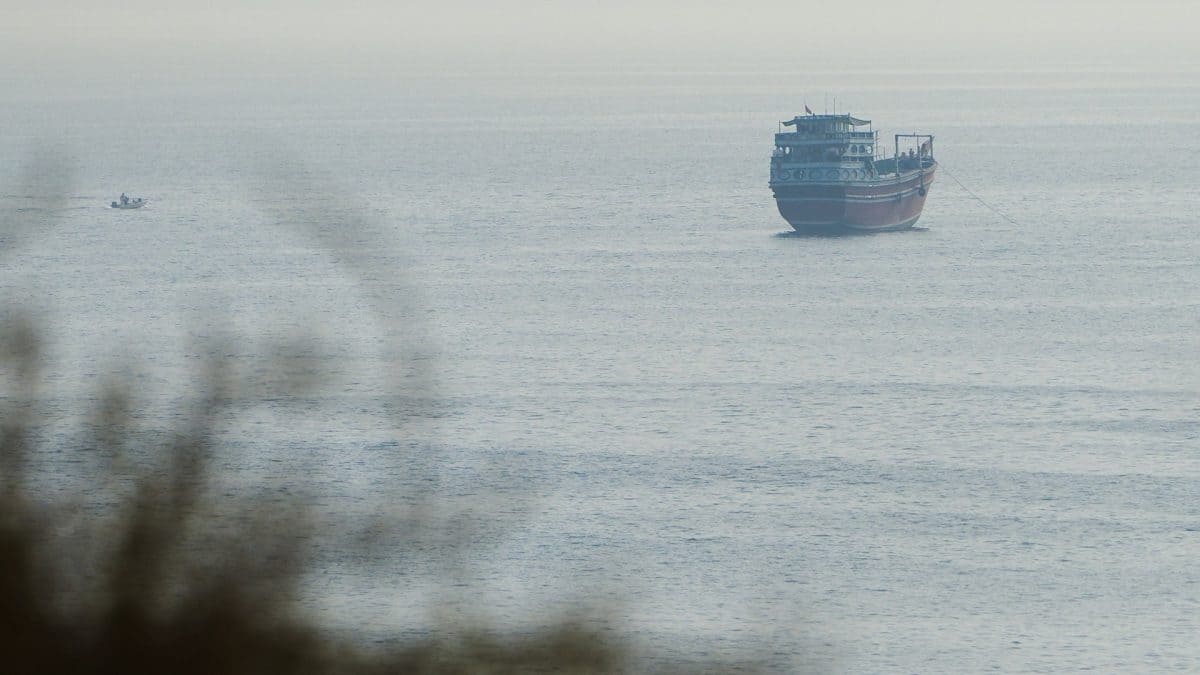
2 weeks ago
Red Sea crisis enters 1,000th day, shipping detours squeeze trade

The Red Sea and the Suez Canal form a very important water route that ships use to carry goods between Asia and Europe.
In November 2023, a rebel group called the Houthi rebels took over a cargo ship called the Galaxy Leader near Yemen.
Because it was no longer safe in that area, ships started taking a much longer route all the way around Africa instead.
That journey can now take about two weeks longer each way.
Longer trips mean ships use more fuel and cost more money.
This has pushed the cost of sending goods up, and some of those higher costs can reach shoppers as higher prices.
Companies in India that make clothes, leather goods, carpets and other products have been hurt because shipping is slower and more expensive.
Big shipping companies like Maersk and Hapag-Lloyd have started trying the Red Sea route again, but only a little and very carefully.
The crisis, now past 1,000 days, shows how much countries depend on safe shipping routes for trade.

The Red Sea shipping crisis entered its 1,000th day on August 15, 2026, forcing continued vessel diversions around the Cape of Good Hope.
The crisis began on November 19, 2023, when Yemen-based Houthi rebels seized the cargo ship Galaxy Leader near the Yemeni port of Hodeidah.
Freight rates remain 25-40 percent above pre-crisis levels, with $3-4 million in extra fuel and operational costs and nearly $500,000 more in war-risk premiums per voyage.
Maersk and Hapag-Lloyd have begun cautiously testing some Red Sea services again, but carriers remain wary of the security situation.
Indian MSME exporters in textiles, garments, engineering goods and leather are among the hardest hit, with 200-400 percent rate spikes on some India-Europe and India-US routes at the worst points.
- Who
- Yemen-based Houthi rebels, global shipping lines such as Maersk and Hapag-Lloyd, and Indian exporters (especially MSMEs) affected by the disruption.
- What
- The Red Sea shipping crisis entered its 1,000th day, keeping container ships diverted around the Cape of Good Hope and pushing freight rates and operating costs above pre-crisis levels.
- Where
- The Red Sea and Suez Canal corridor connecting Asia and Europe, with detours around the Cape of Good Hope affecting trade with India, Europe, the UK, North Africa and the US East Coast.
- When
- The crisis began on November 19, 2023, and marked 1,000 days on August 15, 2026.
- Why
- The Houthi seizure of the Galaxy Leader near Hodeidah, Yemen, triggered prolonged security disruption that has kept carriers cautious about returning to the route.
Key facts
- Crisis duration
- 1,000 days
- Start date
- November 19, 2023
- Share of global maritime trade on the route
- Nearly 15 percent
- Added transit time per one-way Asia-Europe voyage
- About two weeks
- Freight rates vs pre-crisis levels
- 25-40 percent higher
- Extra fuel and operational cost per voyage
- $3-4 million
- War-risk premium increase per voyage
- Nearly $500,000
- Worst-case freight rate spike (India-Europe/India-US routes)
- 200-400 percent
Sources
Related news

India urged to boost shipping capacity, naval protection: GTRI
Hormuz crisis drives up costs, delays Indian exporter shipments

West Asia War Raises Costs and Complicates India’s Logistics

Mega container ships return to Suez, aiding Indian exporters