1 week ago
West Asia War Raises Costs and Complicates India’s Logistics

A war near important shipping routes is making it harder and more expensive to move goods.
Some ships cannot safely use the Strait of Hormuz, Red Sea or Suez routes.
Many vessels are taking a much longer path around Africa.
This makes deliveries slower and raises shipping and insurance bills.
Businesses are keeping extra goods in storage so they are not caught without supplies.
They are also finding backup routes and using trains, roads and technology.
Small businesses have less money to handle these extra costs.
Experts say companies and the government must build supply chains that can keep working during future disruptions.

Indian exporters’ working-capital needs have risen by about 15-25% as freight, insurance and inventory costs increase.
Insurance premiums reportedly climbed from 0.15-0.25% to 7.5-12.5%, while container surcharges rose by $2,000-$4,000.
Shipping disruptions around the Strait of Hormuz, Red Sea and Suez are forcing vessels onto longer routes around the Cape of Good Hope.
Companies are adding safety stock, alternative routes, multimodal transport and cargo-tracking technology to improve resilience.
MSMEs and low-margin exporters face the greatest pressure because of limited working capital, higher credit costs and weaker access to technology.
- Who
- Indian exporters, logistics providers and especially MSMEs are affected; Jitendra Srivastava of Triton Logistics and Maritime described the impact.
- What
- The war has disrupted shipping and increased freight rates, insurance premiums, transit times, inventory needs and working-capital requirements.
- Where
- Shipping routes through the Strait of Hormuz, Red Sea and Suez, with vessels often rerouted around the Cape of Good Hope; the impact is discussed from Chennai and across India.
- When
- Since the start of the war in West Asia; the articles provide no specific start date.
- Why
- Attacks, route closures and uncertainty are disrupting commercial shipping and forcing companies to use longer, costlier and more resilient supply-chain arrangements.
Key facts
- Working-capital increase
- Indian exporters’ requirements have risen by around 15-25%.
- Insurance premiums
- Rates increased from roughly 0.15-0.25% to 7.5-12.5%.
- Container surcharge
- Freight costs increased by approximately $2,000-$4,000 per container.
- Safety stock
- Companies are maintaining about 15-30% additional inventory.
- Resilience cost
- Diversified supply chains can cost about 15-20% more, rising to 30-35% depending on complexity.
- Affected sectors
- Perishables, textiles, garments, apparel, some engineering goods, chemicals and agricultural exports are particularly vulnerable.
- Current shipping conditions
- Freight rates and insurance premiums remain elevated, while Red Sea and Suez routes continue to be avoided because of attack risks.
Sources
Related news
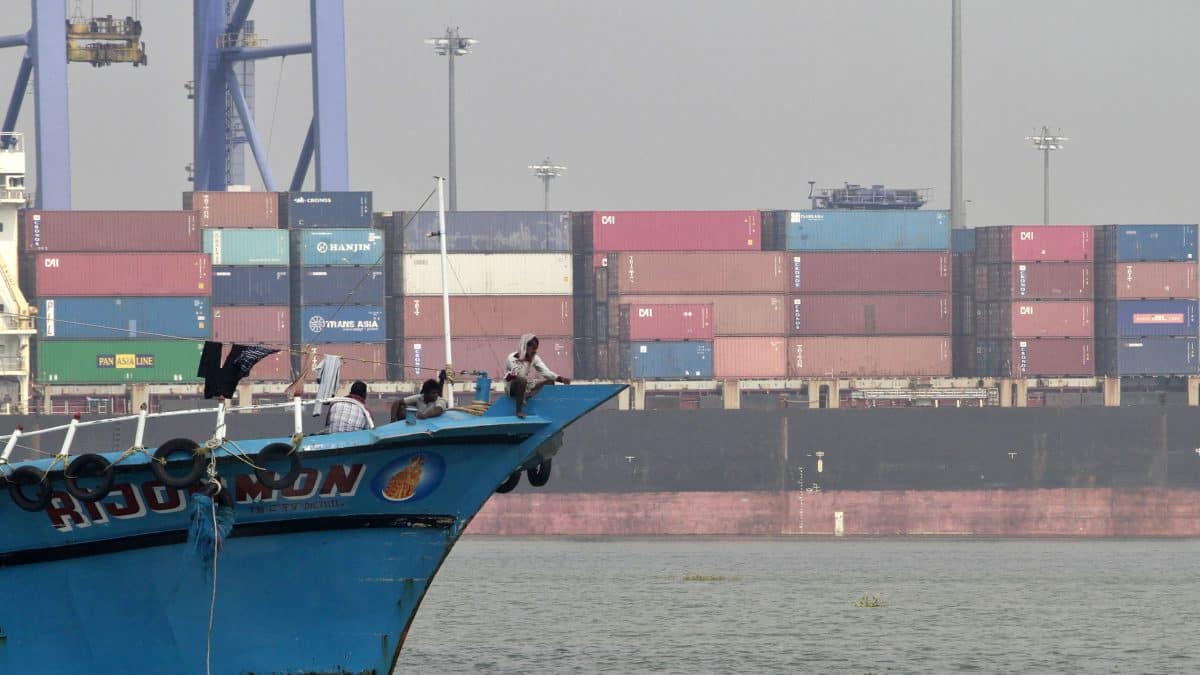
Hormuz crisis drives up costs, delays Indian exporter shipments
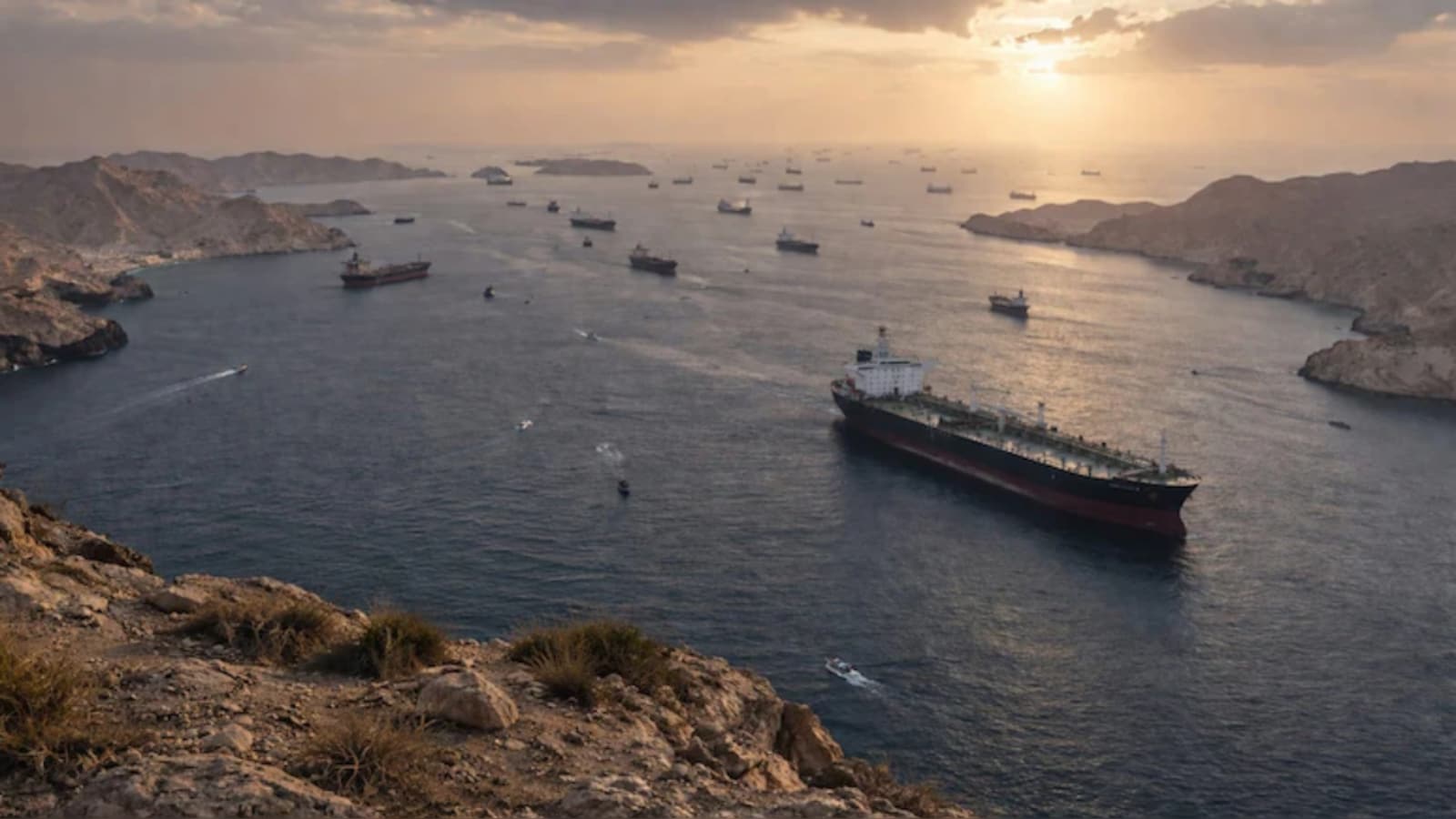
India Hits Record Exports Despite Freight Surge Amid US-Iran War

India urged to boost shipping capacity, naval protection: GTRI
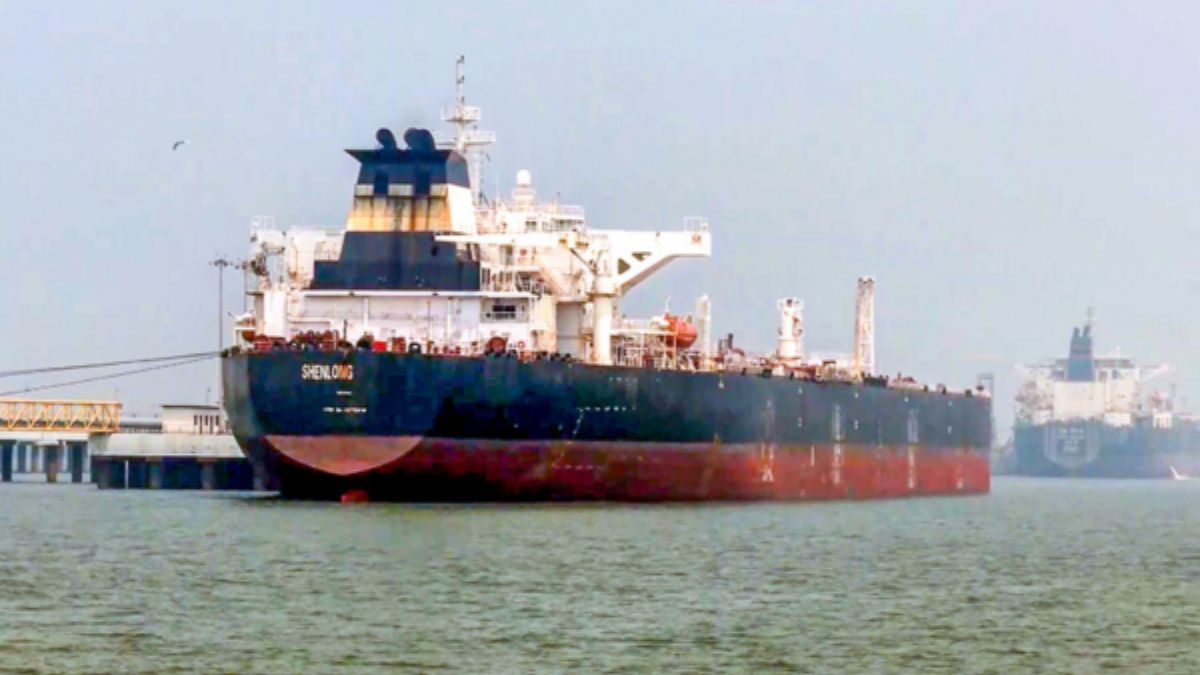
Hormuz Disruption Drives India’s Crude Freight Costs Sharply Higher

Red Sea crisis enters 1,000th day, shipping detours squeeze trade

Unjha Spice Market Struggles Amid Freight and Export Disruptions

Trump Floats Renaming Strait of Hormuz as ‘Trump Strait’

Chevron Plans $7 Billion Venezuela Expansion Amid U.S. Oil Push

Saudi Arabia Says Iranian Tanker Attack Killed Two Sailors
U.S.-Iran Exchange Escalates Across Middle East, Markets Slide

Trump Aides Seek Quiet Iran War Before Midterm Elections