

1 day ago
Adani Urges Wider Infrastructure Ratings Lens for India’s Future
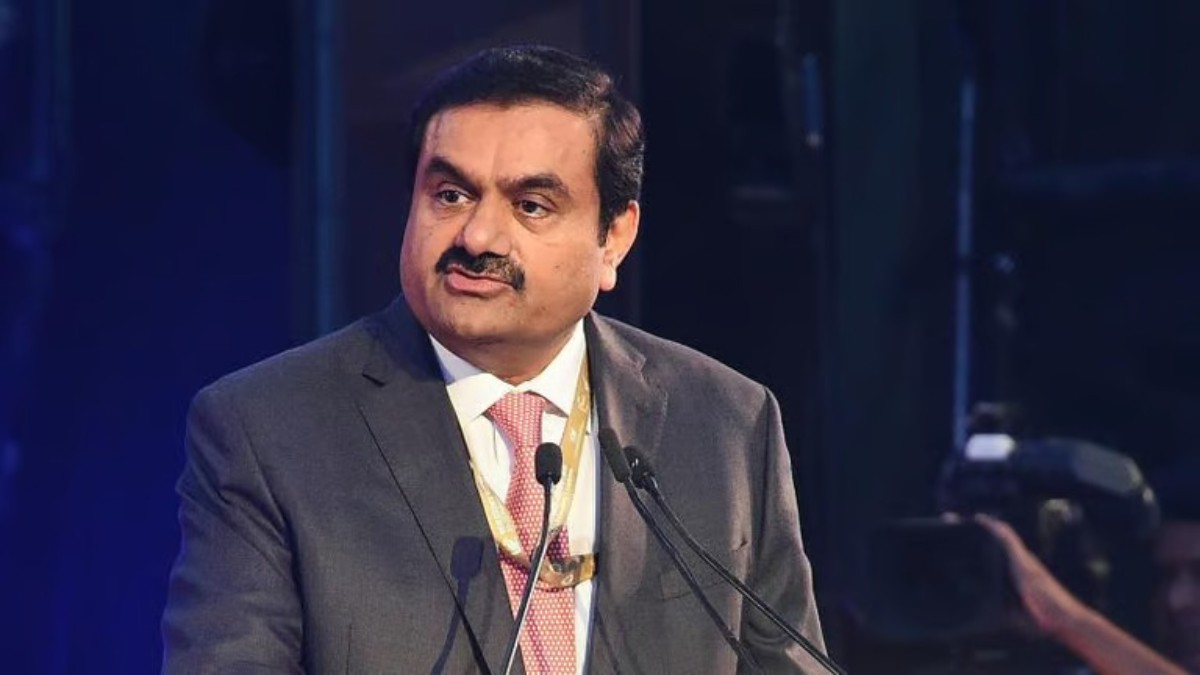
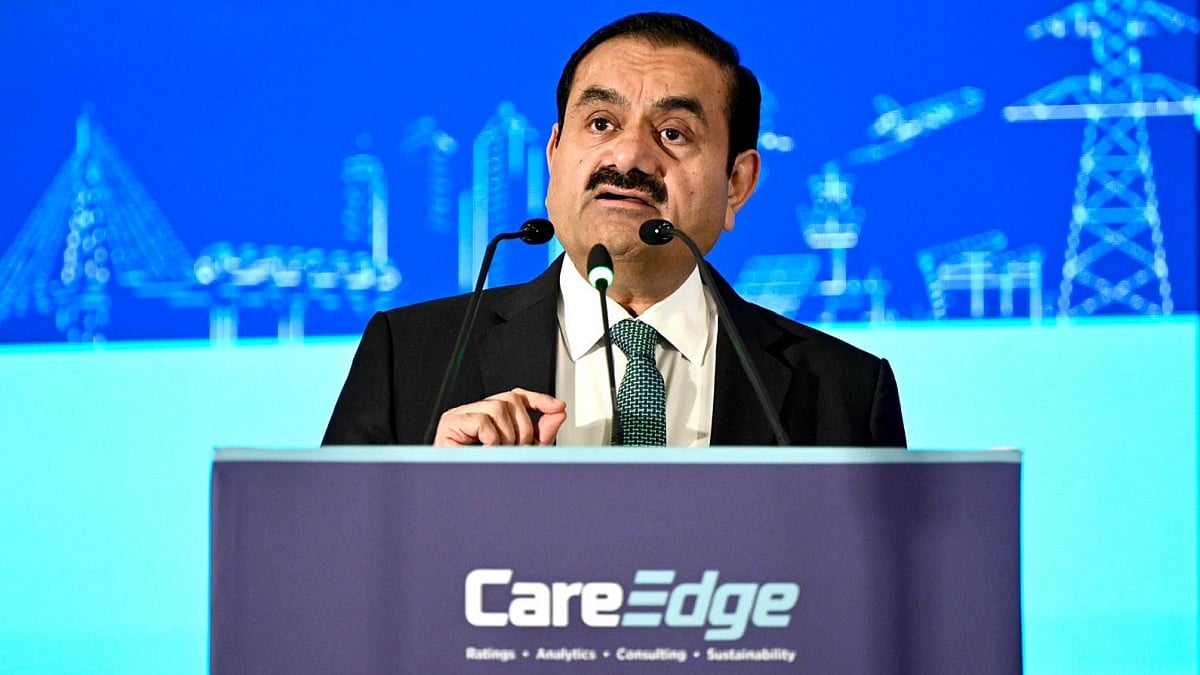
Gautam Adani said big infrastructure projects should not be judged only as separate assets.
He believes some projects create new businesses, jobs and industries around them.
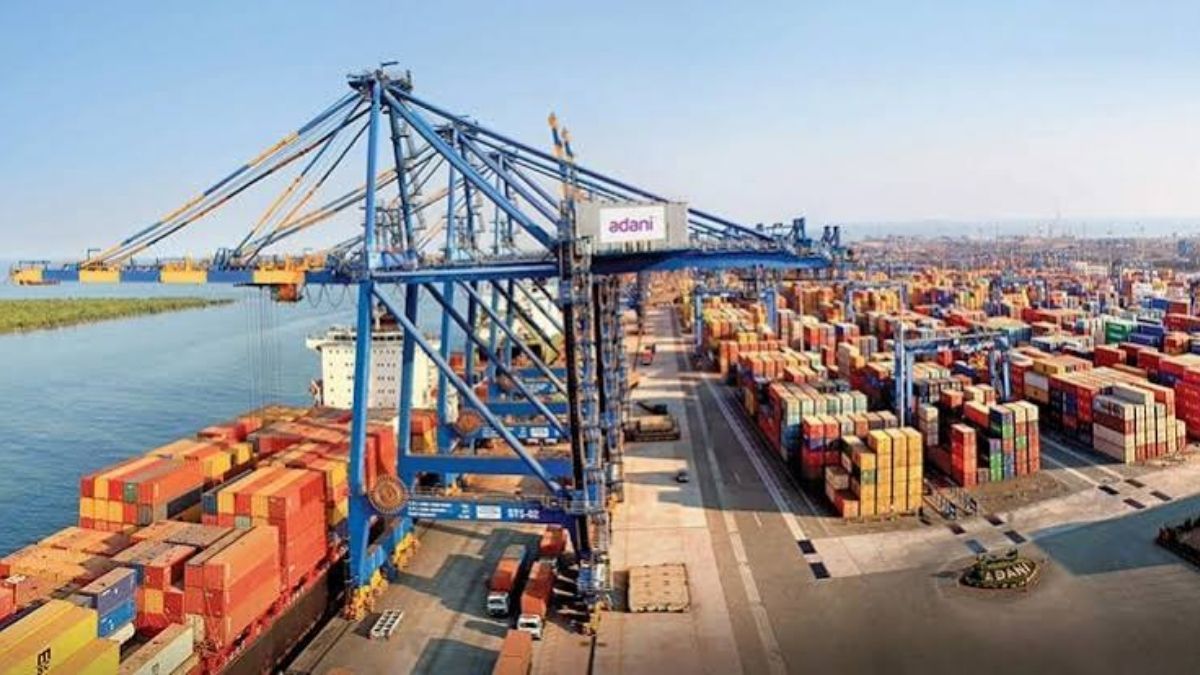
He used Mundra port as an example because it grew alongside railways, logistics, power plants and factories.
He also pointed to Vizhinjam port, which he said reached two million TEUs within 18 months after facing years of doubts.
Adani said Khavda is more than a renewable-energy project because it could support manufacturing and artificial intelligence.
He explained that AI needs physical things such as electricity, data centres, cooling systems and transmission networks.
He asked rating agencies to measure these wider effects as well as financial risks.
He stressed that broader ratings should not mean lower standards or less independent scrutiny.

Gautam Adani urged rating agencies to assess infrastructure beyond individual assets and standalone cash flows.
He said wider frameworks should measure ecosystem effects, strategic resilience, adjacency value and multiplier benefits.
Adani cited Mundra port’s expansion into a network of rail, logistics, power and industrial assets.
He said Vizhinjam port reached two million TEUs within 18 months despite earlier concerns over complexity and profitability.
He described Khavda’s 30-GW renewable platform as a foundation for manufacturing, digital infrastructure and artificial intelligence.
- Who
- Gautam Adani, Chairman of the Adani Group.
- What
- He called for broader credit and rating frameworks for integrated, multi-layer infrastructure projects.
- Where
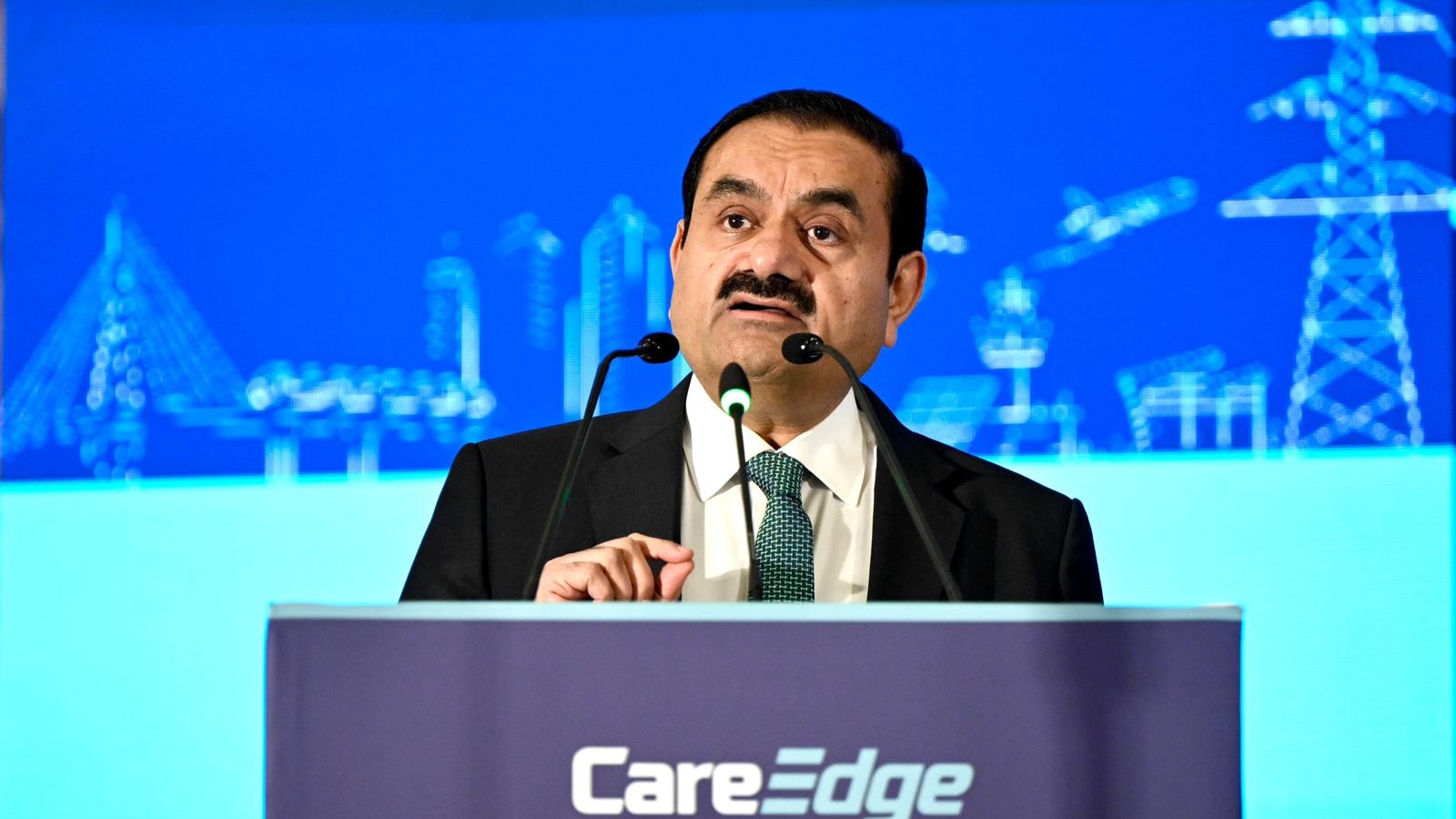
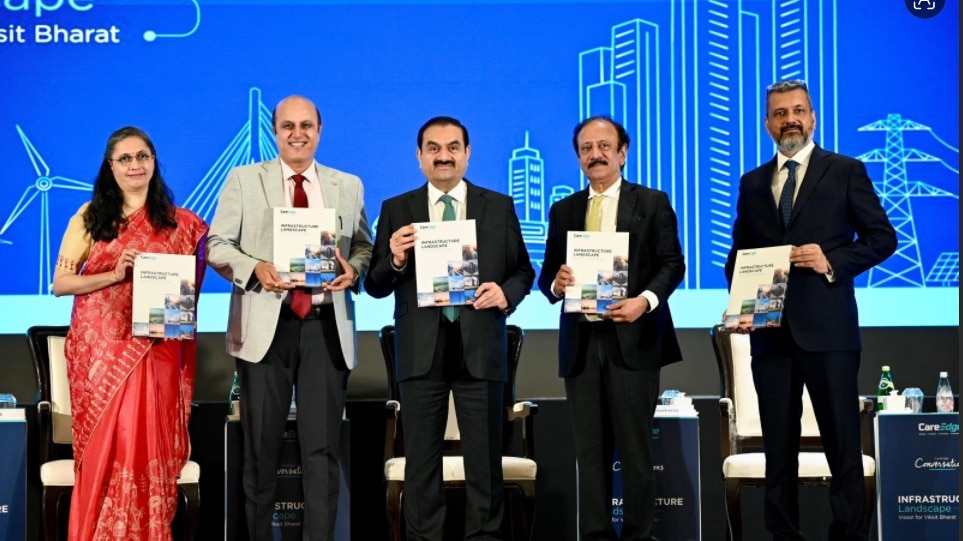
- A CareEdge event in Mumbai, Maharashtra, India.
- When
- Monday, August 31, 2026.
- Why
- Adani said conventional asset-level models may miss projects’ wider economic, strategic and ecosystem value.
Wider Ecosystem-Based Assessment
Conventional Asset-Level Assessment
How projects should be evaluated
Wider Ecosystem-Based Assessment
Adani said ratings should consider ecosystem multipliers, adjacency value, strategic benefits, national resilience and capabilities created by connected infrastructure.
Conventional Asset-Level Assessment
Traditional frameworks focus more on individual assets, standalone cash flows, visible demand, execution risks and financial returns.
Standards and scrutiny
Wider Ecosystem-Based Assessment
Adani called for wider and more dynamic analytical lenses while saying India does not need lower standards, easier ratings or less independent scrutiny.
Conventional Asset-Level Assessment
Conventional models apply established financial and risk measures, which may make projects appear difficult to justify when demand or profitability is uncertain.
Infrastructure and artificial intelligence
Wider Ecosystem-Based Assessment
Adani said AI growth depends on physical infrastructure, including reliable energy, data centres, manufacturing, cooling systems and transmission networks.
Conventional Asset-Level Assessment
A narrower model could assess projects such as Khavda primarily as individual power-generation assets rather than as parts of a broader AI and industrial ecosystem.
Key facts
- Speaker
- Gautam Adani, Chairman of the Adani Group
- Event
- CareEdge Group annual summit or the Infrastructure Landscape: Vision for Viksit Bharat Conclave
- Main proposal
- A comprehensive credit framework for integrated platform infrastructure
- Mundra example
- The port developed an ecosystem involving rail, logistics, power generation, industrial zones, traders and manufacturers
- Vizhinjam milestone
- Adani said the Kerala port became the fastest Indian port to reach two million TEUs, doing so within 18 months
- Khavda project
- A 30-GW renewable-energy platform in Gujarat’s Rann of Kutch
- AI infrastructure
- Adani linked AI growth to electricity, data centres, cooling systems, transmission networks, land, manufacturing and digital infrastructure
Quotes
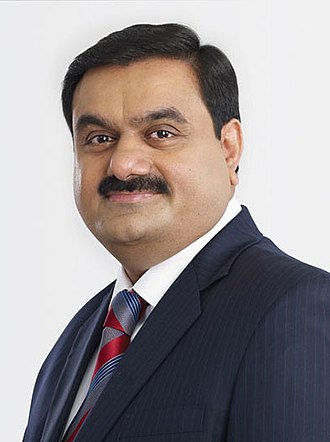
Gautam Adani
Chairman of the Adani Group
“Mundra proved that platform infrastructure operates as a multi-layer network where each new layer cross-subsidizes, feeds, and de-risks the other, creating an economic compounding flywheel that linear financial models mostly fail to capture”
 freepressjournal.in
“India has now entered a very different period. The nature of infrastructure has changed, and the sophistication of our rating frameworks must evolve alongside the sophistication of what India is building.”
 thehindubusinessline.com
Sources

Related news
Adani Says Big Ports, Green Projects Reshape India’s Economics
Adani Urges Wider Infrastructure Rating Lenses for India’s Ambitions

Adani Calls for New Credit Rating Framework
Adani Calls for Wider Lenses in Infrastructure Credit Framework

Rs 18.66 lakh crore infrastructure projects approved under PM GatiShakti
Modi Reviews Over ₹30,000 Crore Projects at PRAGATI
Mundra Port disruption deepens supply-chain strain amid West Asia crisis
Vadodara-Mundra Air Taxi Launches Faster Connectivity Between Industrial Hubs
