

1 day ago
Adani Says Big Ports, Green Projects Reshape India’s Economics
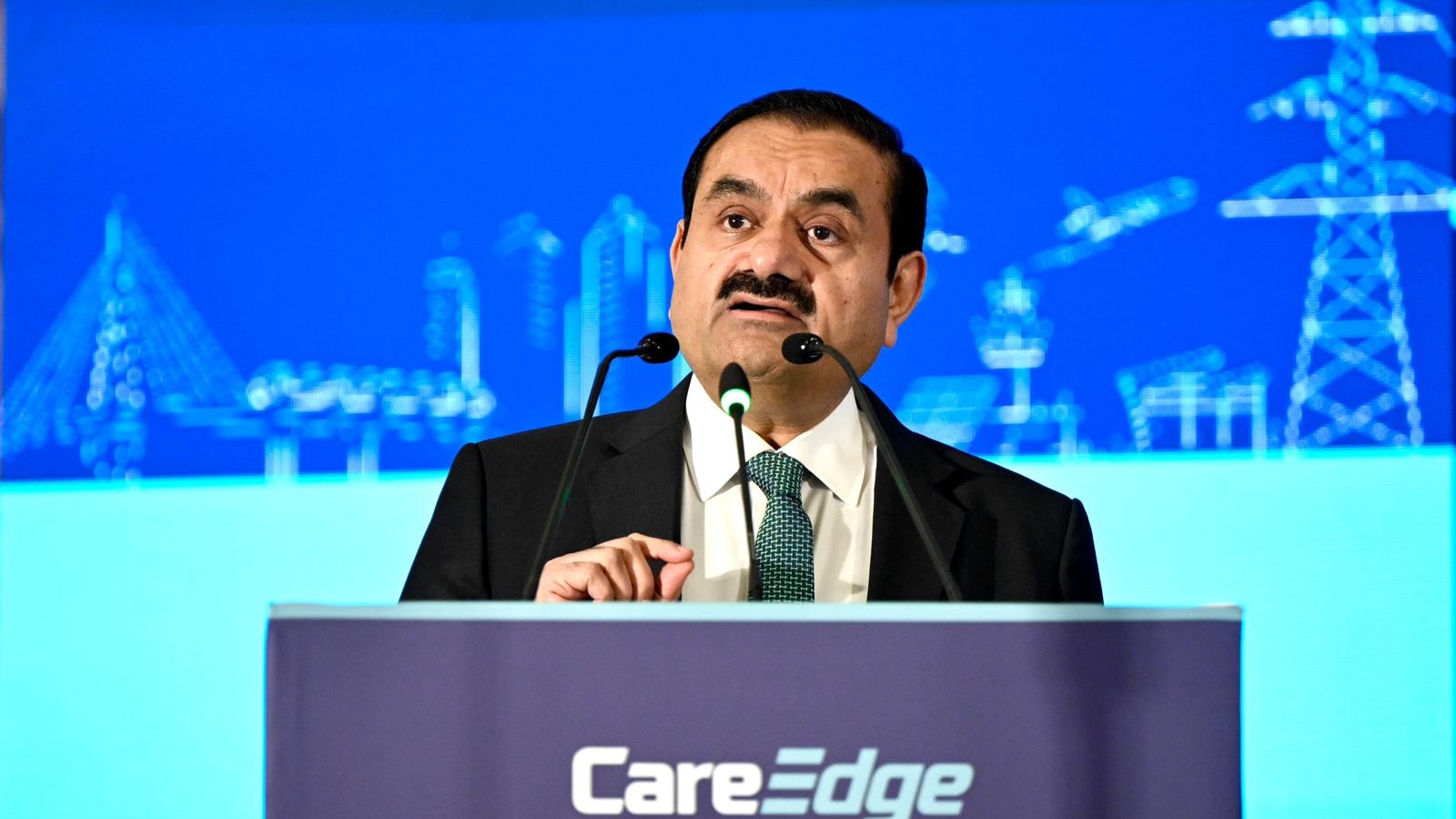
Gautam Adani said big projects can do more than solve today’s problems.
They can create new businesses, jobs and industries around them.
He used Mundra Port as an example because it grew into a large network of railways, warehouses, power plants and factories.
He said Vizhinjam Port was built even though many investors thought it was too risky.
Before that, some Indian cargo had to be moved through ports in other countries.
Adani said the Khavda project is more than a renewable energy site.
He described it as a possible source of clean power for computers, artificial intelligence and factories.
He believes India should judge such projects by the future opportunities they can create, not only by today’s demand.

Gautam Adani said major infrastructure projects can create new capabilities and transform surrounding economies, rather than merely meet existing demand.
He cited Mundra Port as an example of infrastructure expanding into rail, logistics, power, industry and trading ecosystems.
Adani said Vizhinjam Port ended India’s dependence on foreign ports for transshipping some container cargo, after decades of limited investor interest.
He described the Khavda renewable energy project as a potential platform linking clean energy with artificial intelligence, manufacturing and digital infrastructure.
Adani called for more sophisticated rating frameworks to assess projects whose future benefits may exceed currently visible demand.
- Who
- Gautam Adani, chairman of the Adani Group, speaking to the CareEdge Group annual summit.
- What
- He argued that large ports and renewable energy projects can create new economic ecosystems and require more advanced rating frameworks.
- Where
- At the CareEdge Group annual summit in India; the projects discussed are in Gujarat and Kerala.
- When
- Monday; the article does not provide a specific date.
- Why
- Adani said infrastructure built only for visible current demand could leave India unprepared for future opportunities.
Traditional Risk Assessment
Future-Oriented Infrastructure Investment
How projects should be evaluated
Traditional Risk Assessment
A conventional assessment may focus on current demand, execution risks, difficult terrain and the capital required.
Future-Oriented Infrastructure Investment
Adani said assessments should also consider the new industries, capabilities and economic ecosystems that infrastructure can create.
Khavda’s purpose
Traditional Risk Assessment
Viewed traditionally, Khavda can appear to be a project in a harsh desert with uncertain demand and significant execution risk.
Future-Oriented Infrastructure Investment
Adani said Khavda should be viewed as a broader platform for clean energy, artificial intelligence, manufacturing and digital infrastructure.
Vizhinjam’s investment case
Traditional Risk Assessment
The project was considered too complex and risky by potential investors for 25 years, according to Adani.
Future-Oriented Infrastructure Investment
Adani said building the port was justified by India’s need for deep-water capacity and the cost of relying on foreign transshipment hubs.
Key facts
- Speaker
- Gautam Adani, chairman of the Adani Group
- Mundra Port
- Adani said it has developed into a major commercial gateway connected to rail, logistics, power and industrial zones.
- Vizhinjam Port
- Adani said the project had struggled to attract takers for 25 years because of complexity and perceived capital risk.
- Foreign transshipment
- Adani said Indian cargo previously had to be transshipped through Singapore, Dubai and Colombo.
- Khavda Renewable Energy Project
- Adani described Khavda as a potential platform connecting energy, artificial intelligence, manufacturing and digital infrastructure.
- Infrastructure assessment
- Adani called for rating frameworks to evolve alongside India’s more sophisticated infrastructure projects.
Quotes
Gautam Adani
Chairman of the Adani Group
“But what is missed is that Khavda is not a renewable energy project. Khavda is a platform where energy, artificial intelligence, manufacturing, digital infrastructure and industrial capability converge at an unprecedented scale.”
 NDTV
NDTV
“For decades, Indian commerce paid a direct sovereignty tax to foreign ports simply because domestic infrastructure was deemed too risky for institutional capital.”
NDTV
Sources
Related news
Adani Urges Wider Infrastructure Ratings Lens for India’s Future
Adani Urges Wider Infrastructure Rating Lenses for India’s Ambitions

Adani Calls for New Credit Rating Framework
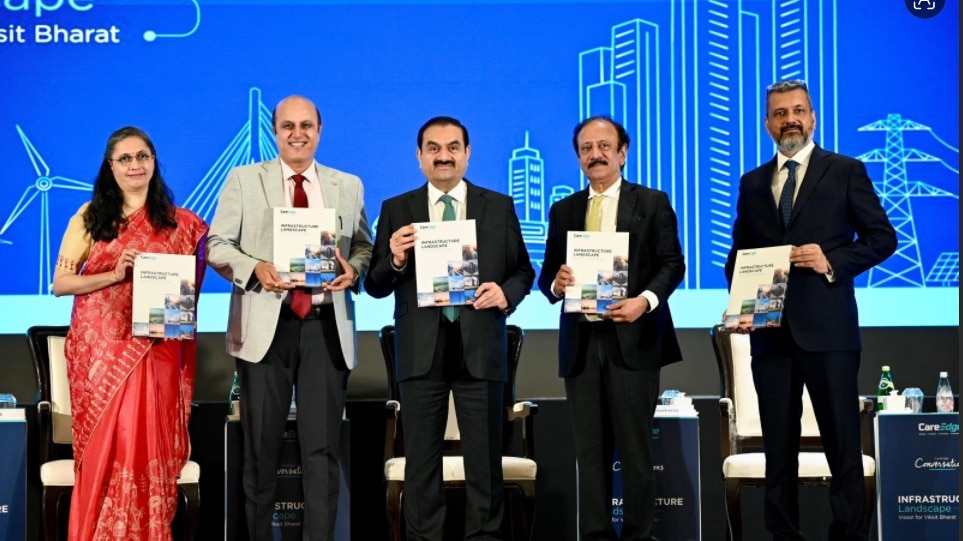
Adani Calls for Wider Lenses in Infrastructure Credit Framework
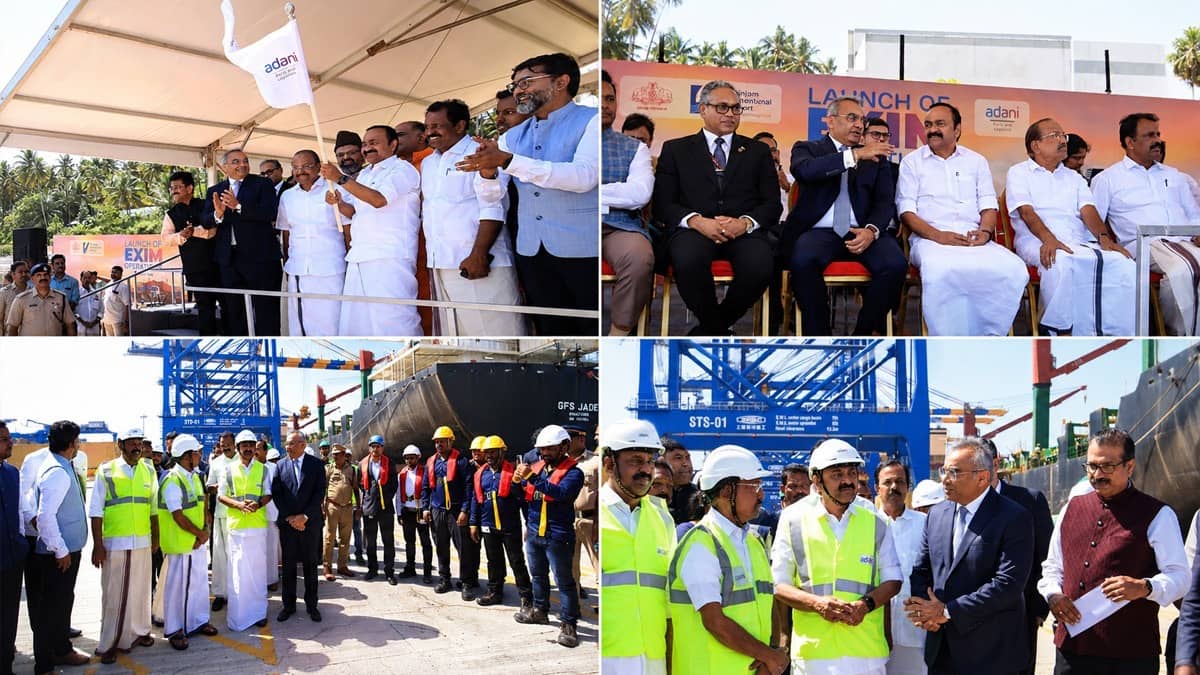
Vizhinjam Port Begins EXIM Operations as India’s Global Trade Gateway
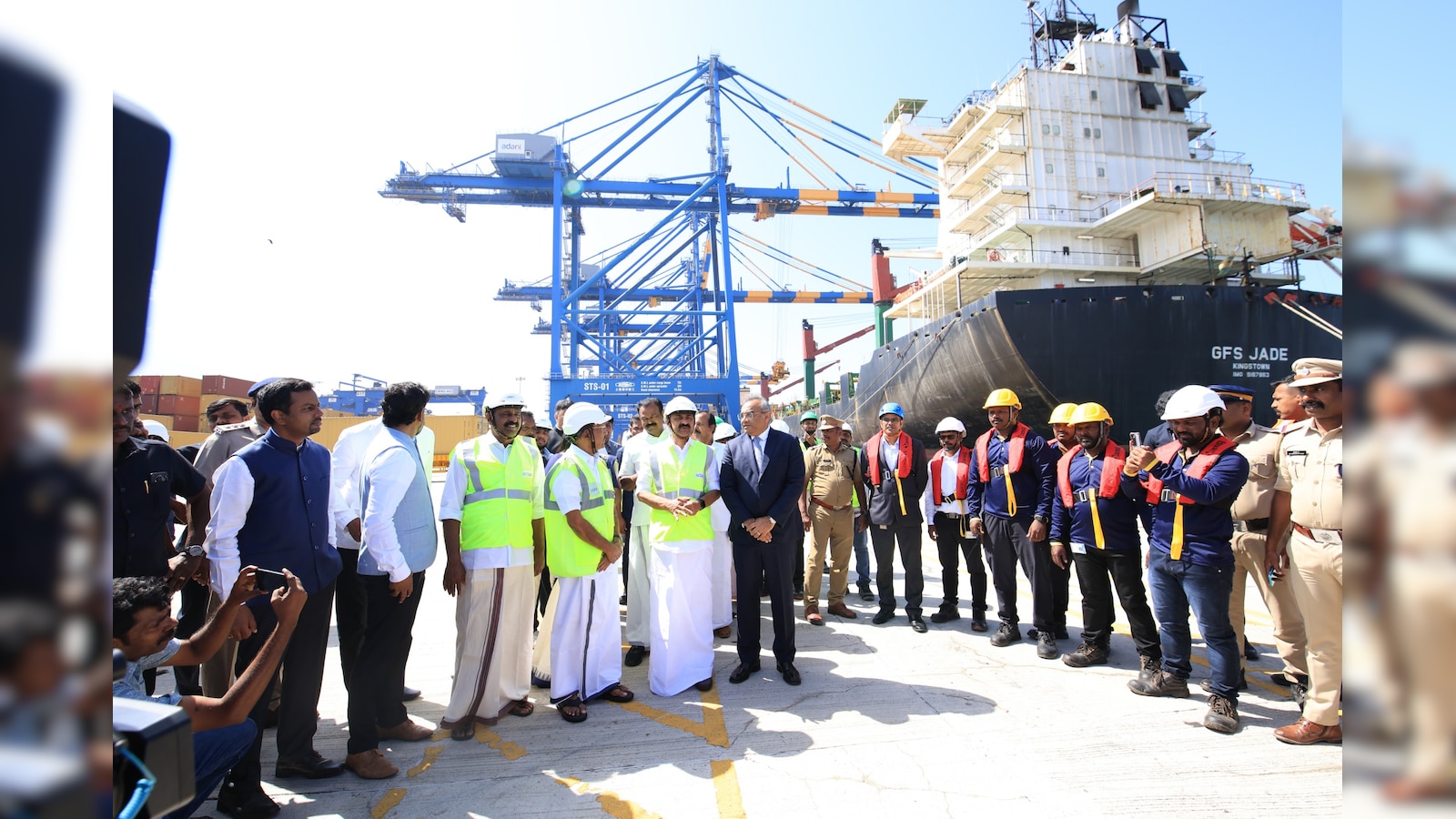
Vizhinjam Port Begins EXIM Operations, Launches Mission Samudra
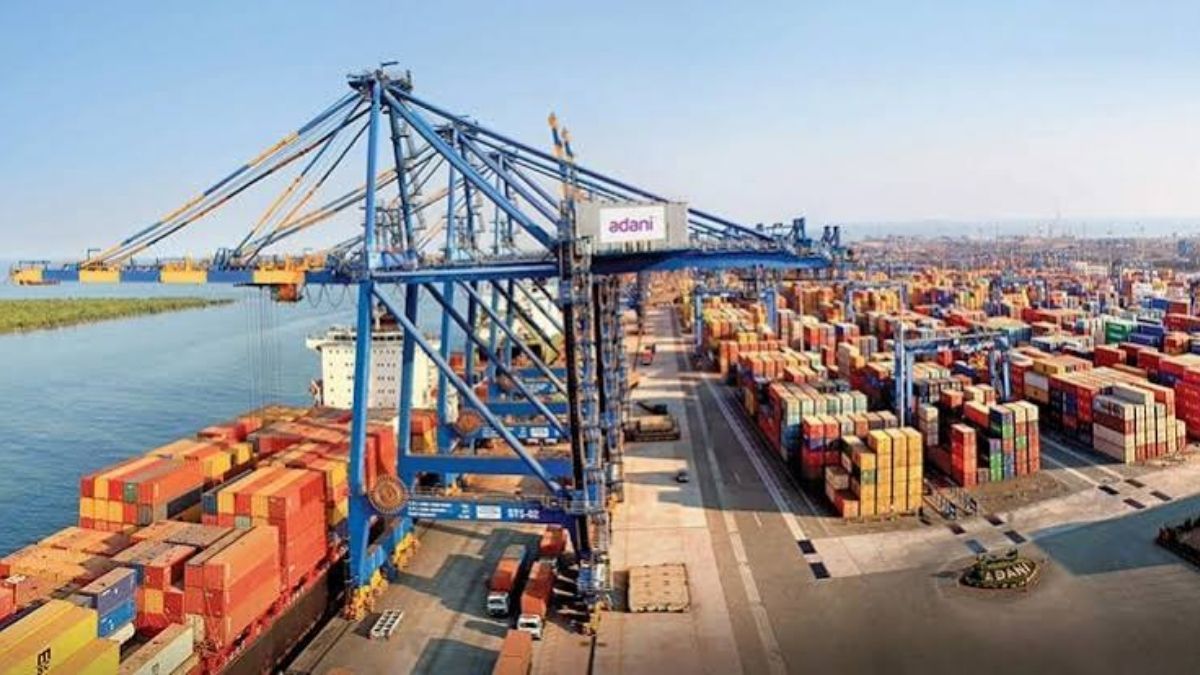
Mundra Port disruption deepens supply-chain strain amid West Asia crisis
Vadodara-Mundra Air Taxi Launches Faster Connectivity Between Industrial Hubs
