1 week ago
Hormuz Disruption Drives India’s Crude Freight Costs Sharply Higher
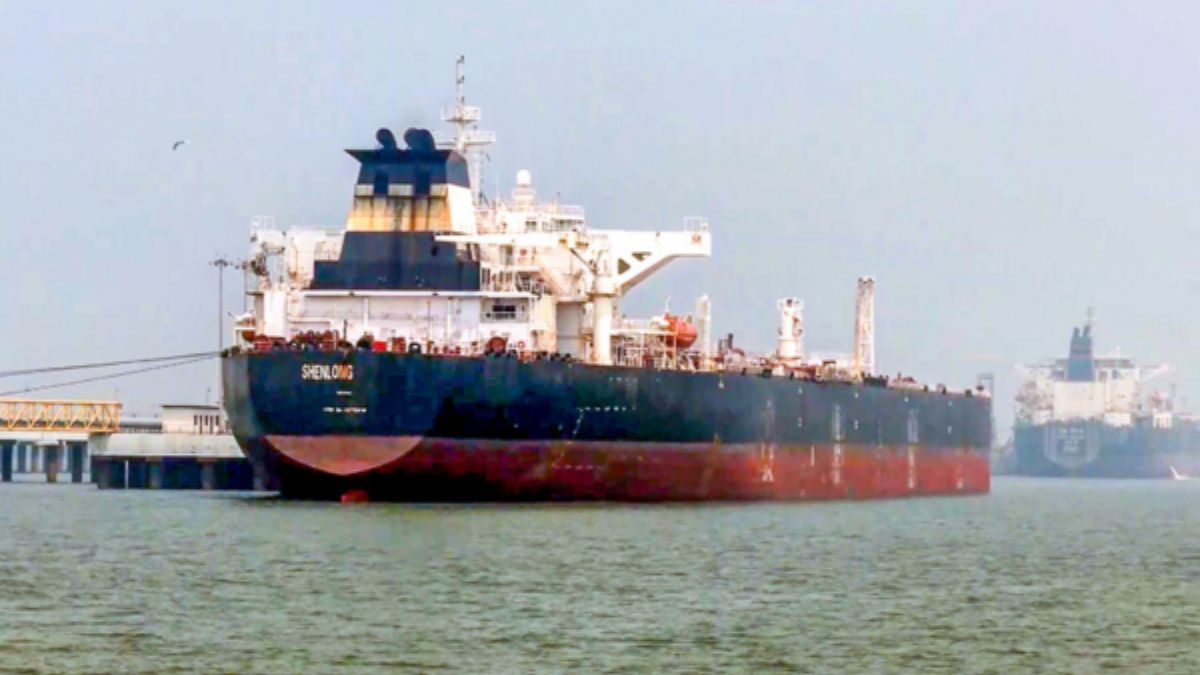
India buys much of its oil from other countries.
Fighting and disruptions around the Strait of Hormuz have made it more expensive to transport that oil.
Shipping costs on important routes to India have risen sharply.
Insurance for ships crossing the strait has also become dramatically more expensive.
This has pushed India’s oil import bill higher even though the country bought only slightly more oil.
Indian government-owned refiners also lost money in the latest quarter.
The strait briefly reopened after a ceasefire, but shipping costs rose again when the ceasefire broke down.
Analysts expect shipping traffic to stay limited for several more months.
Alternative routes may help, but they can require extra ship journeys and keep costs elevated.

Freight rates on major crude routes to India rose 137%-411% between late February and August.
War-risk insurance for one Strait of Hormuz voyage increased from about $250,000 to as much as $7.5-$10 million.
India’s April-July FY27 crude import bill rose 56.5% year-on-year to $63.4 billion, while import volumes increased only 0.5%.
IndianOil, Bharat Petroleum and Hindustan Petroleum posted combined June-quarter losses of ₹18,149 crore.
Rystad Energy expects constrained Hormuz traffic for another two to three months, with alternative routes gaining importance.
- Who
- India, its oil importers and domestic refiners, including IndianOil, Bharat Petroleum and Hindustan Petroleum, are affected; Rystad Energy analyst Erik Grundt provided the market assessment.
- What
- Crude freight rates and war-risk insurance costs have surged, increasing India’s landed oil costs and pressuring refinery finances.
- Where
- The disruption centers on the Strait of Hormuz and affects crude routes from Saudi Arabia, the United States and Russia to India.
- When
- Freight rates are compared between late February and August; import and refinery figures cover April-July FY27 and the June quarter, respectively.
- Why
- The Iran war, constrained Strait of Hormuz traffic, vessel rerouting and a tight tanker market have reduced available shipping capacity and increased risk premiums.
Key facts
- Ras Tanura-India freight
- Rose 411% to an estimated $4.34 per barrel in August from $0.85 in late February.
- United States-India freight
- Corpus Christi freight rose 150% to $15.86 per barrel from $6.35.
- Russia-India freight
- Ust-Luga freight on Suezmax tankers rose 137% to $19.90 per barrel from $8.40.
- War-risk insurance
- Increased from roughly 0.25% of hull value before the war to a reported 7%-10%, or about $7.5-$10 million per voyage.
- India’s crude import bill
- Reached $63.4 billion during April-July FY27, up 56.5% year-on-year.
- Average landed crude price
- Rose to about $106 per barrel from $68 a year earlier.
- Refiner performance
- IndianOil, Bharat Petroleum and Hindustan Petroleum recorded combined net losses of ₹18,149 crore in the June quarter.
Quotes
Erik Grundt
Senior analyst at Rystad Energy
“War risk insurance to transit the Strait of Hormuz was around 0.25% of hull value prior to the war, and is now reported anywhere in the 7-10% range, if you are able to secure coverage at all.”
 financialexpress.com
“The freight rate outlook is thoroughly linked to the state of the Strait of Hormuz.”
financialexpress.com
Sources
Related news
Hormuz crisis drives up costs, delays Indian exporter shipments

India’s Crude Import Bill Soars 57% to $63 Billion
India Hits Record Exports Despite Freight Surge Amid US-Iran War

Omani Waters Emerge as Gulf Oil Route Amid Hormuz Risks

India Paid $22 Billion After Strait Of Hormuz Shock

India’s Crude Oil Import Bill Soars Despite Stable Volumes

Iran Seizes Fuel-Smuggling Vessel in Gulf, Arrests 11 Crew

Trump Floats Renaming Strait of Hormuz as “Trump Strait”

Chevron Plans $7 Billion Venezuela Expansion Amid U.S. Oil Push
Saudi Tanker Hit in Hormuz, Killing Two Filipino Sailors

U.S.-Iran Exchange Escalates Across Middle East, Markets Slide