

1 week ago
Canada’s U.S. Tariff Fight Opens Door for India Partnership
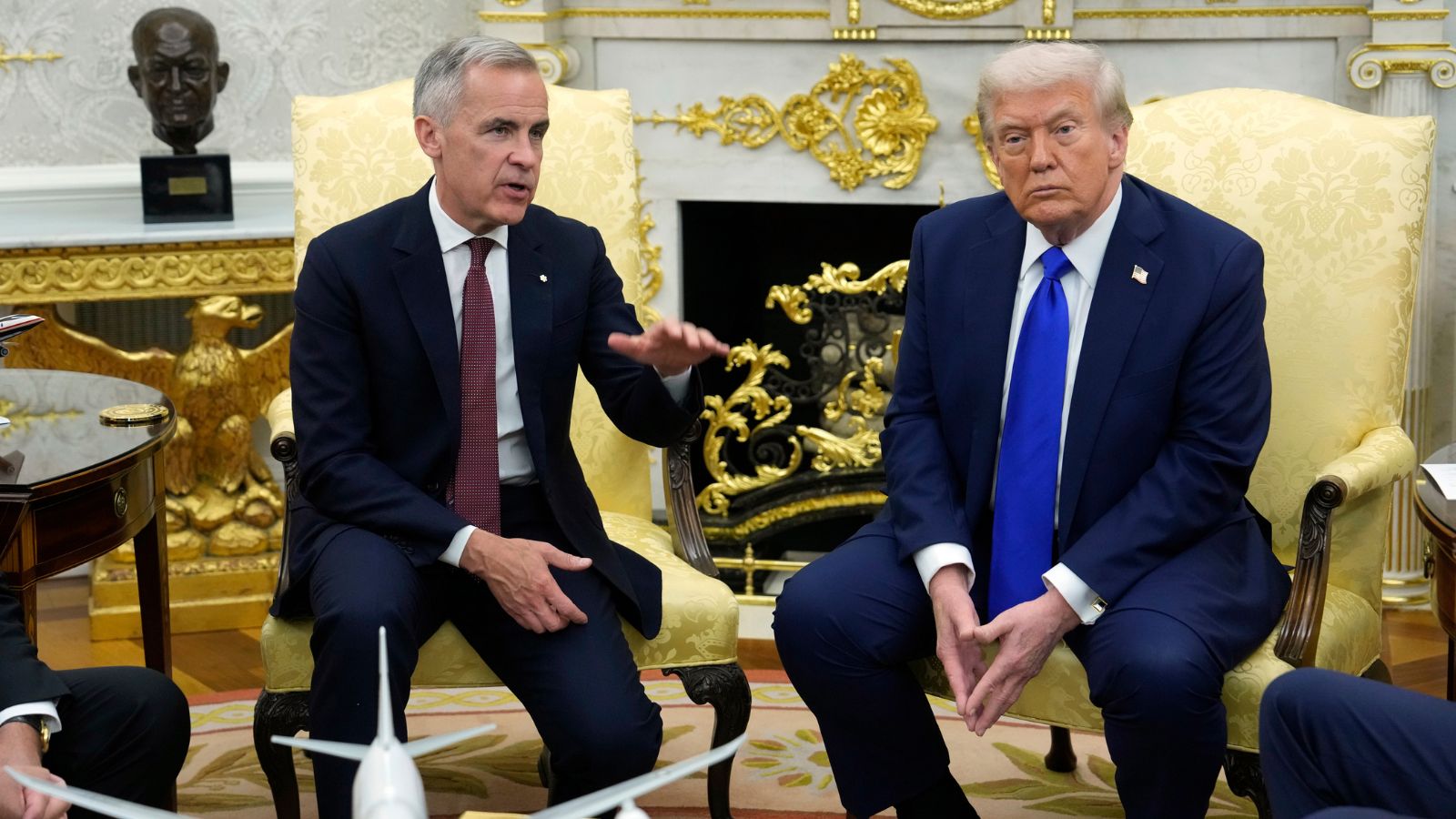
The United States and Canada are arguing about trade taxes called tariffs.
The United States put a 50 percent tariff on many Canadian products, and Canada planned tariffs in response.
These taxes make it harder and more expensive for goods to cross the border.
Canadian exports to the United States have already fallen, and some industries are being hurt.
Some people in Canada support buying Canadian products to strengthen the country’s negotiating position.
Others think the dispute is mainly driven by Donald Trump’s desire for attention.
Canada is now looking for more customers outside the United States.
India could become an important partner because it needs Canadian energy, minerals and investment, while Canada wants access to India’s growing market.
The two countries are working toward a new trade agreement and higher trade by 2030.

The United States imposed 50 percent tariffs on about $28 billion of Canadian goods on August 22.
Canada responded with planned matching counter-tariffs after negotiations with Washington collapsed.
Canadian exports to the United States fell by 10 percent over the past year, while steel shipments roughly halved.
Canada is seeking new markets, including through a trade arrangement and energy partnership with India.
Canada and India aim to conclude a Comprehensive Economic Partnership Agreement by year-end and reach $50 billion in two-way trade by 2030.
- Who
- The governments of Canada, the United States and India, including Prime Minister Mark Carney, President Donald Trump and Prime Minister Narendra Modi.
- What
- A tariff dispute between Canada and the United States is encouraging Canada to deepen trade and energy ties with India.
- Where
- The dispute involves trade between Canada and the United States, while the potential diversification centers on India and the Indo-Pacific.
- When
- The tariffs took effect on August 22; matching Canadian counter-tariffs were set for September 8, while Canada-India negotiations continued after meetings in March.
- Why
- Canada wants to reduce its exposure to American trade pressure, while India and Canada see opportunities to exchange energy, minerals, investment and market access.
Diversification Advocates
Skeptical Interpretations
How Canada should respond
Diversification Advocates
Canada should strengthen its economic nationalism, support buying Canadian products and diversify exports toward markets such as India, China, the Middle East and Asia.
Skeptical Interpretations
Some officials and commentators argue that Canada should avoid reacting to every provocation and view the dispute as a personality-driven contest for attention.
Trump’s tariff strategy
Diversification Advocates
The tariffs are consequential economic measures that are already affecting Canadian exports, steel shipments and provincial growth.
Skeptical Interpretations
The dispute may be primarily theatrical, with Canada serving as a convenient foil rather than a genuine adversary; however, the tariffs still impose real costs.
Canada-India opportunity
Diversification Advocates
India offers Canada a large, fast-growing market and could buy Canadian uranium, potash, energy and other goods while helping offset American tariffs.
Skeptical Interpretations
The relationship still faces obstacles, including pulse tariffs, declining Canadian education exports and an earlier trade-agreement attempt that stalled in 2017.
Key facts
- U.S. tariffs
- A 50 percent tariff on approximately $28 billion of Canadian goods took effect August 22.
- Canadian response
- Canada recalled its negotiators and set matching counter-tariffs for September 8.
- Export impact
- Canadian exports to the United States fell by one-tenth over the past year.
- Steel shipments
- Canadian steel shipments to the United States have roughly halved.
- Canada’s target
- Ottawa aims to double non-American exports by 2035.
- Canada-India trade goal
- The two countries are targeting $50 billion in two-way trade by 2030, compared with a goods base of roughly $8.5 billion.
- Planned agreement
- Canada and India aim to conclude a Comprehensive Economic Partnership Agreement by year-end.
- Energy partnership
- The countries announced cooperation covering liquefied natural gas, liquefied petroleum gas, uranium and hydrogen.
Sources
Related news

Carney Walks Away From Unacceptable U.S. Trade Terms
Canada Tariff Dispute Raises Wider Worry for New Delhi
Canada’s Tariff Showdown Tests Carney’s Middle-Power Strategy Against Trump

US-Canada Trade Collapse Offers India a Cautionary Lesson
India-Canada Trade Could Gain as Ottawa Diversifies Beyond US
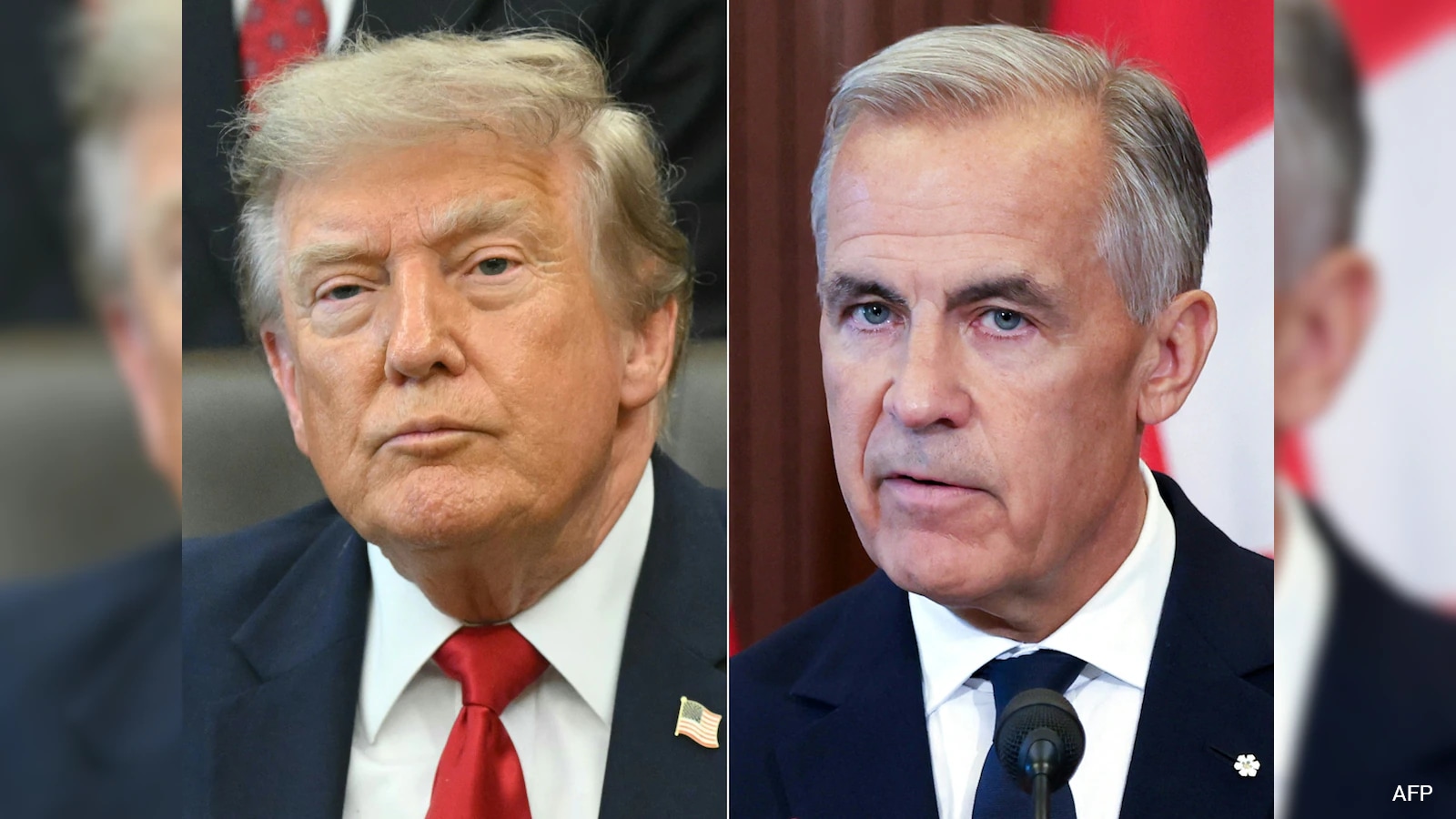
US-Canada Trade War Fundamentally Reshapes Once-Durable North American Alliance
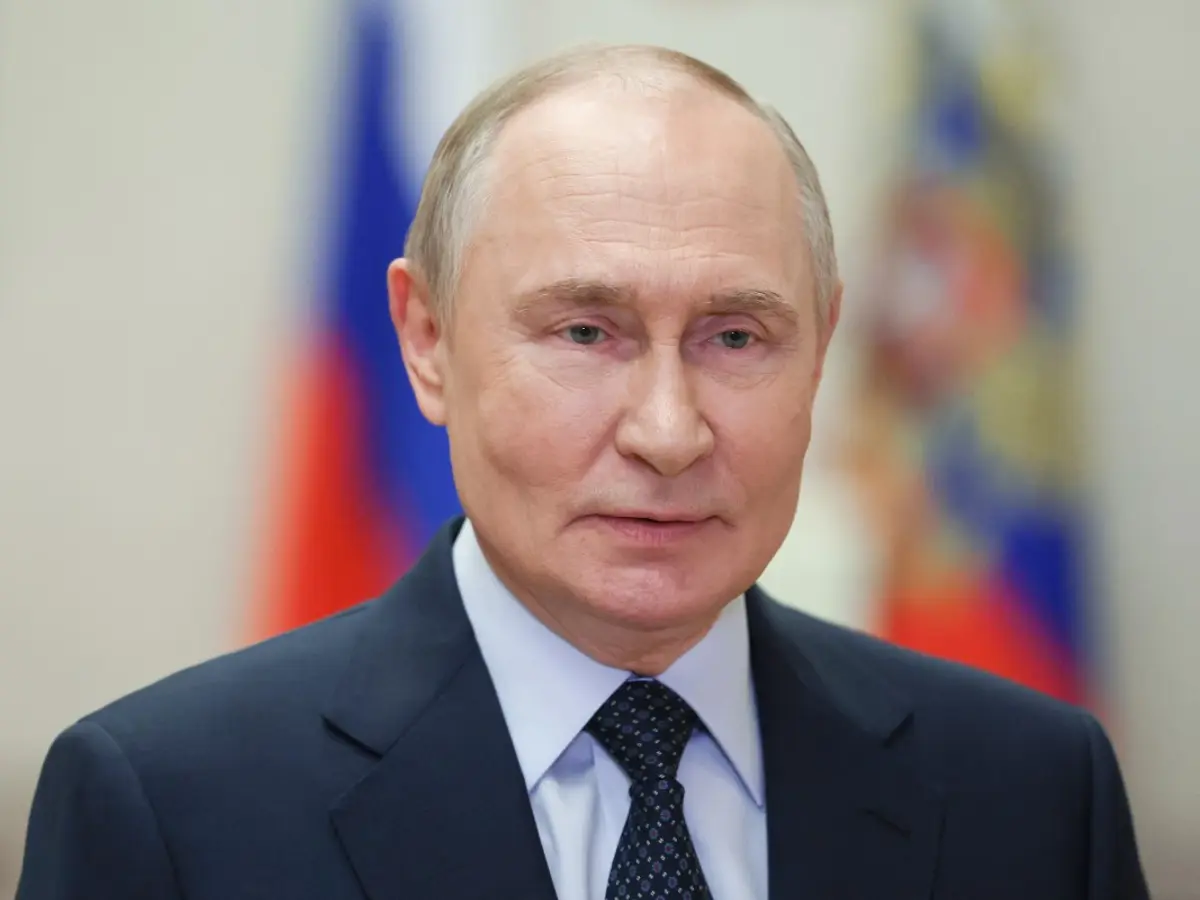
Putin Faces Western Isolation While Russia Builds Non-Western Ties

India’s Global Power Ambitions Face Economic and Democratic Setbacks
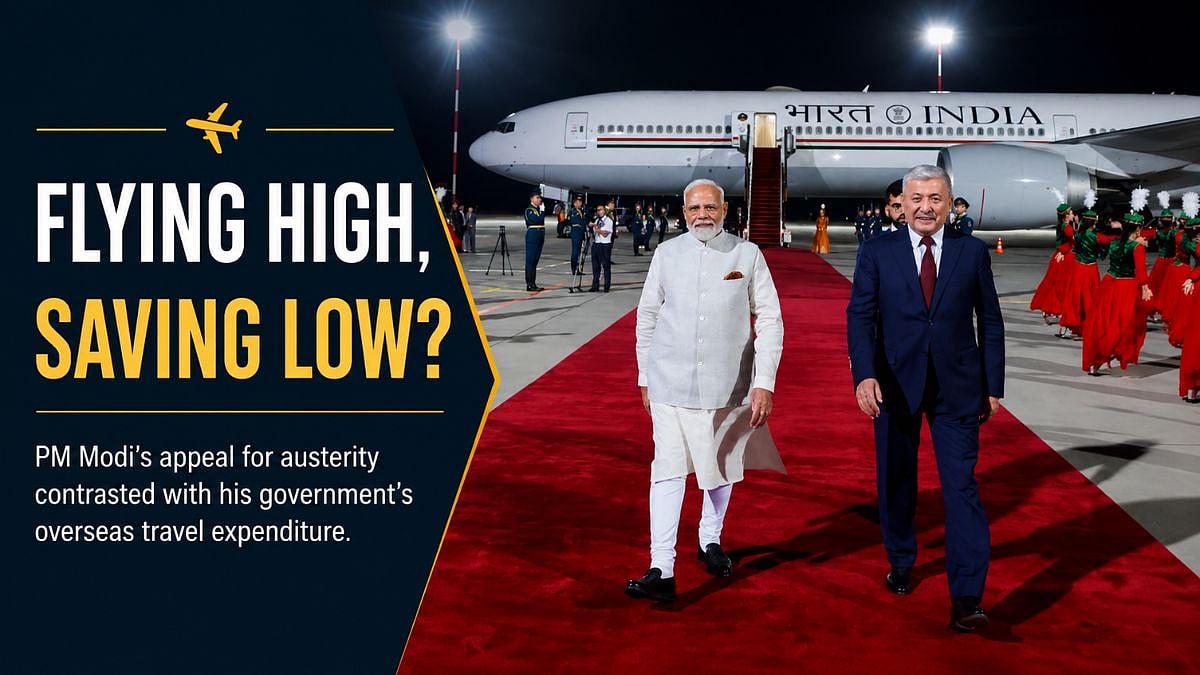
Modi’s Frugality Appeal Contrasts With Extensive Foreign Travel
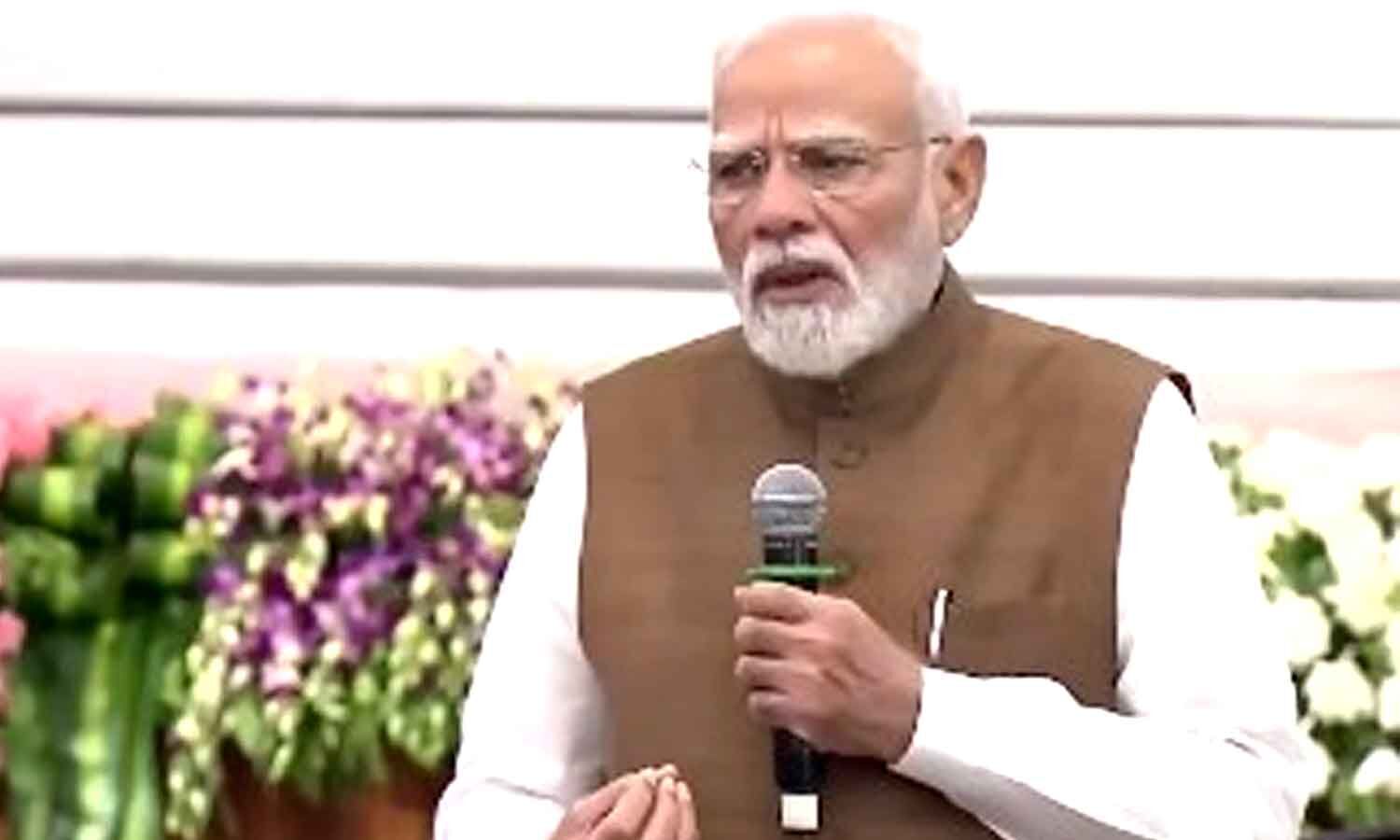
Modi Sets Roadmap for Collaborative, Water-Secure India’s Future

Sonia Gandhi Memoir Sparks Debate Over Politics, Publishing And Speech
