

5 days ago
India-Canada Trade Could Gain as Ottawa Diversifies Beyond US
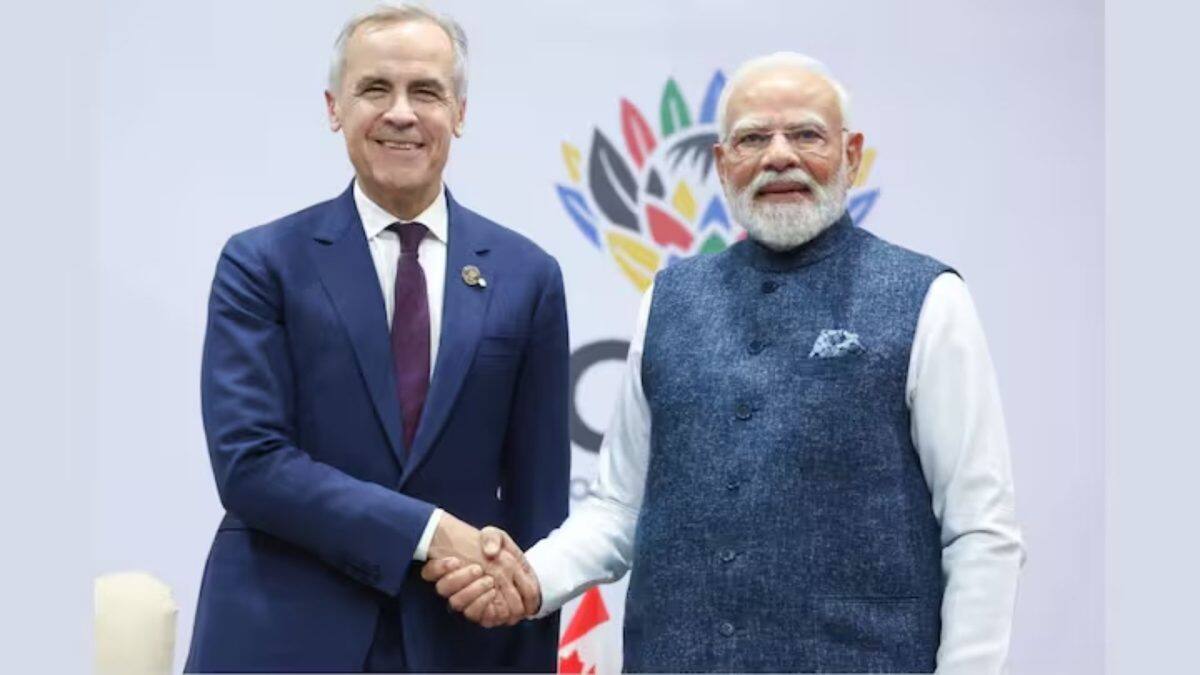
India and Canada are discussing a new trade agreement.
They want to increase the value of goods and services traded between them to $50 billion by 2030.
India’s exports to Canada have grown in recent years.
Canada is also planning tariffs on some products from the United States.
Because of this, Canadian businesses may look for suppliers in other countries, including India.
Indian companies already sell machinery, steel products and electronics to Canada.
This could create more business opportunities for them.
However, the final benefit will depend on prices, tariffs and other market-access rules.

India and Canada aim to raise combined goods and services trade to $50 billion by 2030.
Comprehensive Economic Partnership Agreement negotiations began in March 2026 and have entered their third round.
India’s goods exports to Canada rose from $3.8 billion in FY2022 to $4.7 billion in FY2026.
Canada plans retaliatory tariffs of 15%, 25% and 50% on selected US products from September 8.
Indian exports worth about $1 billion in targeted sectors could benefit, though tariffs and market access remain important factors.
- Who
- India, Canada, Indian exporters and Canadian businesses.
- What
- India-Canada trade could expand as the countries negotiate a Comprehensive Economic Partnership Agreement and Canada considers alternative suppliers to the United States.
- Where
- The potential opportunities concern trade between India and Canada, particularly access to the Canadian market.
- When
- CEPA negotiations began in March 2026 and have entered their third round; Canadian retaliatory tariffs are planned from September 8.
- Why
- Canada is seeking to diversify imports amid trade tensions with the United States, while India and Canada are targeting $50 billion in combined trade by 2030.
Potential opportunities
Constraints and uncertainty
Diversifying Canadian suppliers
Potential opportunities
Canada’s tariffs on selected US products could encourage businesses to seek suppliers from India.
Constraints and uncertainty
The actual shift away from US suppliers will depend on product-level tariffs, competitiveness and market-access conditions.
Trade expansion
Potential opportunities
Growing Indian exports, CEPA negotiations and a $50 billion trade target could widen opportunities for Indian companies.
Constraints and uncertainty
The analysis identifies potential rather than guaranteed gains, and the scope of the agreement is still being negotiated.
Export composition
Potential opportunities
India’s rising shares of pharmaceuticals, auto components and diamonds indicate movement toward higher-value and manufactured exports.
Constraints and uncertainty
The reported opportunity remains concentrated in selected sectors, including machinery, steel, electronics and agricultural equipment.
Key facts
- 2030 trade target
- India and Canada aim to reach $50 billion in combined goods and services trade.
- CEPA talks
- Negotiations began in March 2026 and have entered their third round.
- India’s exports
- Goods exports to Canada increased from $3.8 billion in FY2022 to $4.7 billion in FY2026.
- India’s imports
- Imports from Canada fell to $3.3 billion in FY2026 from $4.6 billion in FY2024.
- FY2026 trade balance
- India recorded a $1.4 billion surplus, compared with a $0.2 billion deficit in FY2025.
- Targeted Indian exports
- India exported about $1 billion worth of products in sectors affected by Canada’s planned US tariffs.
- Largest sectors
- Machinery and mechanical appliances accounted for $379.44 million, iron and steel products for $292.51 million, and electrical machinery for $226.01 million.
Sources
Related news
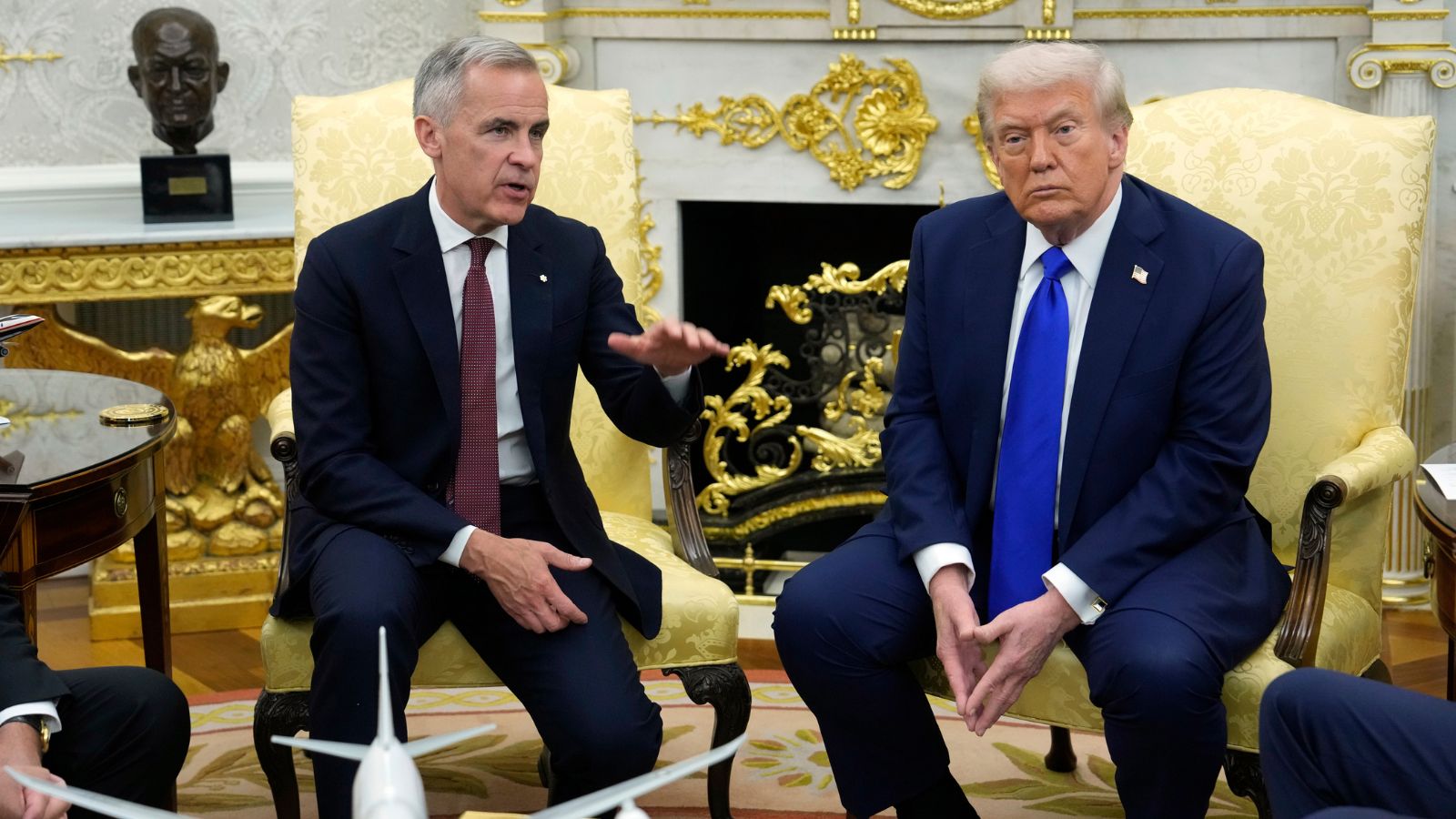
Canada’s U.S. Tariff Fight Opens Door for India Partnership

India, Canada Pursue Investment Treaty Talks, Target C$70 Billion Trade

Canada Retaliates With Up to 50% Tariffs on U.S. Goods
Canada’s US Tariff Dispute Prompts India Autonomy Warning

Canada Announces Retaliatory Tariffs After U.S. Trade Talks Collapse

Readers propose stronger, wider, more resilient Indian GCC growth
India’s GDP Paradox: Strong Growth, Uneven Economic Reality

India Rejects PCA Orders in Indus Waters Treaty Dispute

BTS India Debut May Join ARIRANG Tour in March 2027
India’s Wind Pipeline Signals Sharp Capacity and Manufacturing Surge
