1 week ago
Canada’s Tariff Showdown Tests Carney’s Middle-Power Strategy Against Trump
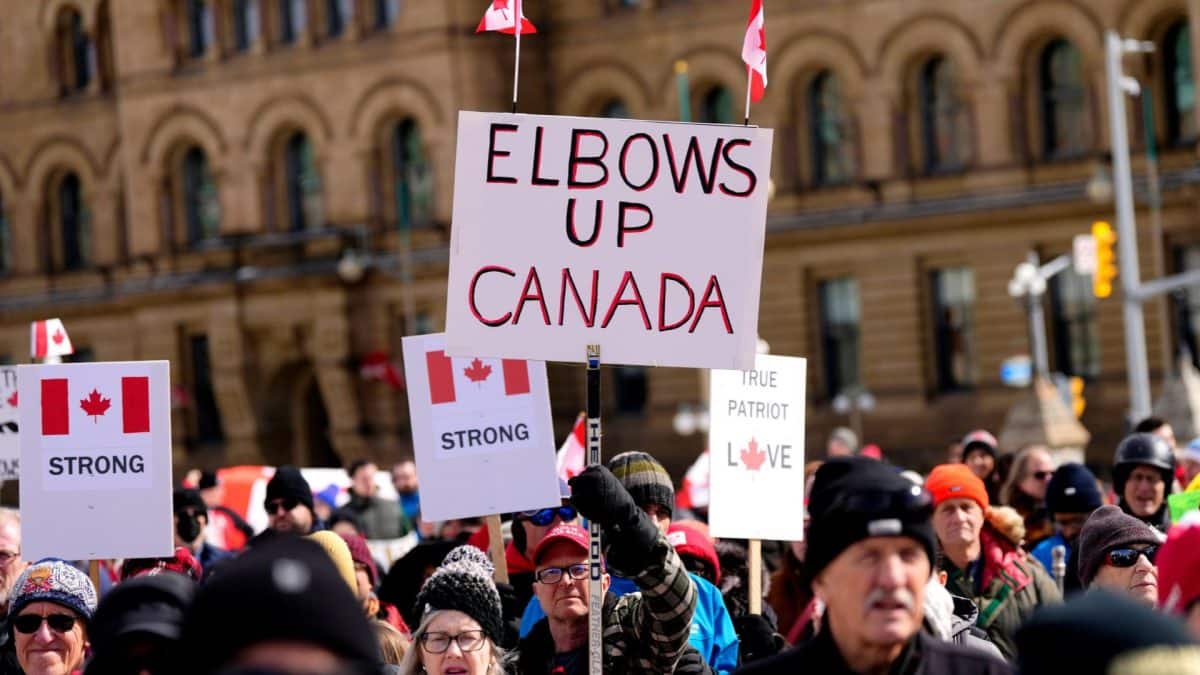
Canada and the United States are arguing about tariffs, which are taxes on goods traded between countries.
Canada stopped negotiations because Prime Minister Mark Carney thought the United States was demanding too much.
The United States then placed 50% tariffs on about $20 billion worth of Canadian goods.
Canada plans to answer with tariffs of its own.
This could make products more expensive and give Canadians fewer choices.
Canada depends heavily on the United States because most of its exports go there.
Carney says Canada must protect its independence even when that is difficult.
Other countries are watching to see whether Canada can stand up to a much larger neighbor.

Canada ended trade negotiations after Prime Minister Mark Carney judged Washington’s demands too costly.
The United States imposed 50% duties on about $20 billion of Canadian goods.
Carney announced dollar-for-dollar Canadian retaliation beginning September 8.
Canada sends nearly three-quarters of its exports to the United States, whose economy is roughly ten times larger.
The confrontation could influence whether other US allies believe resisting economic pressure is feasible.
- Who
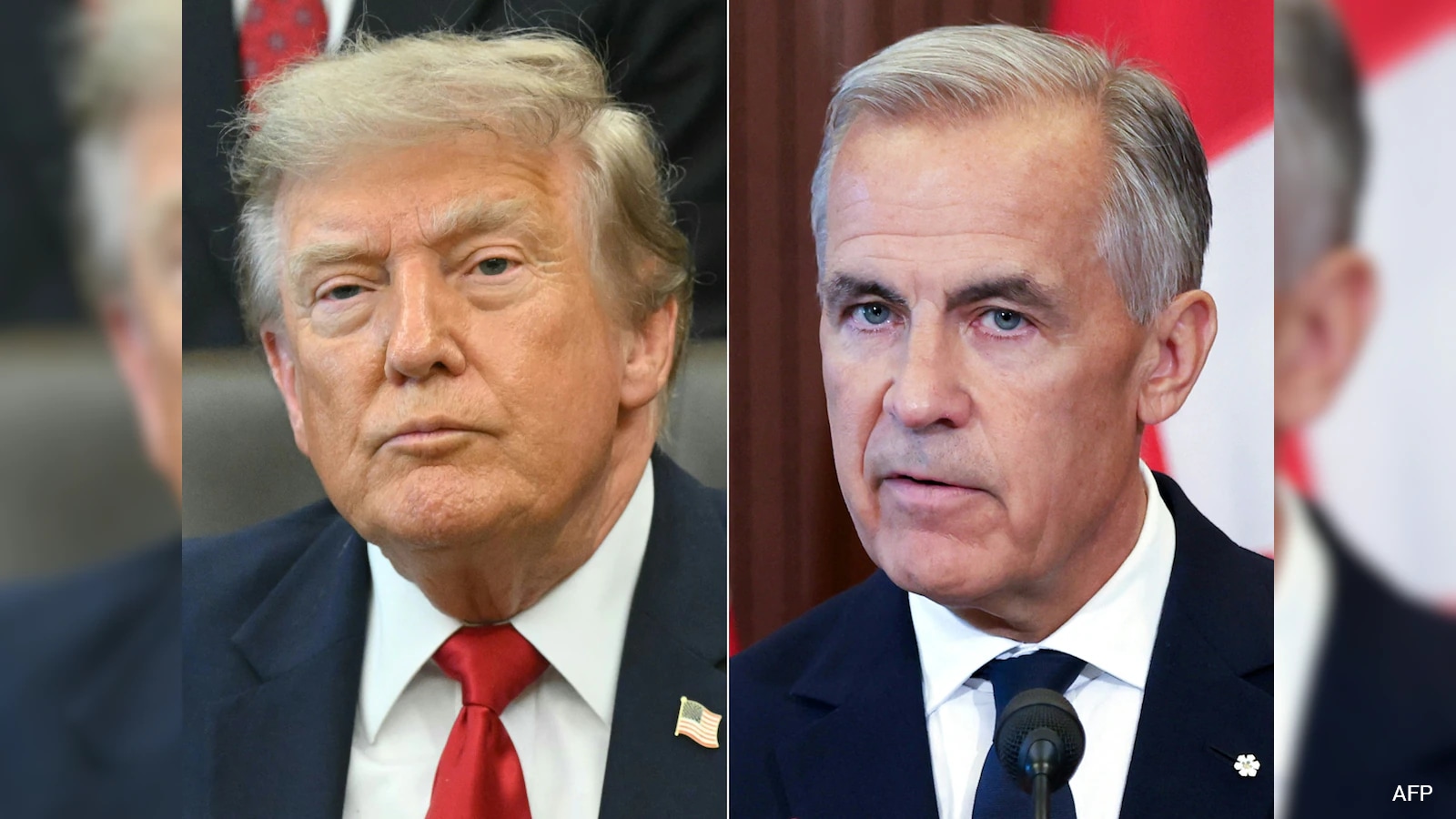
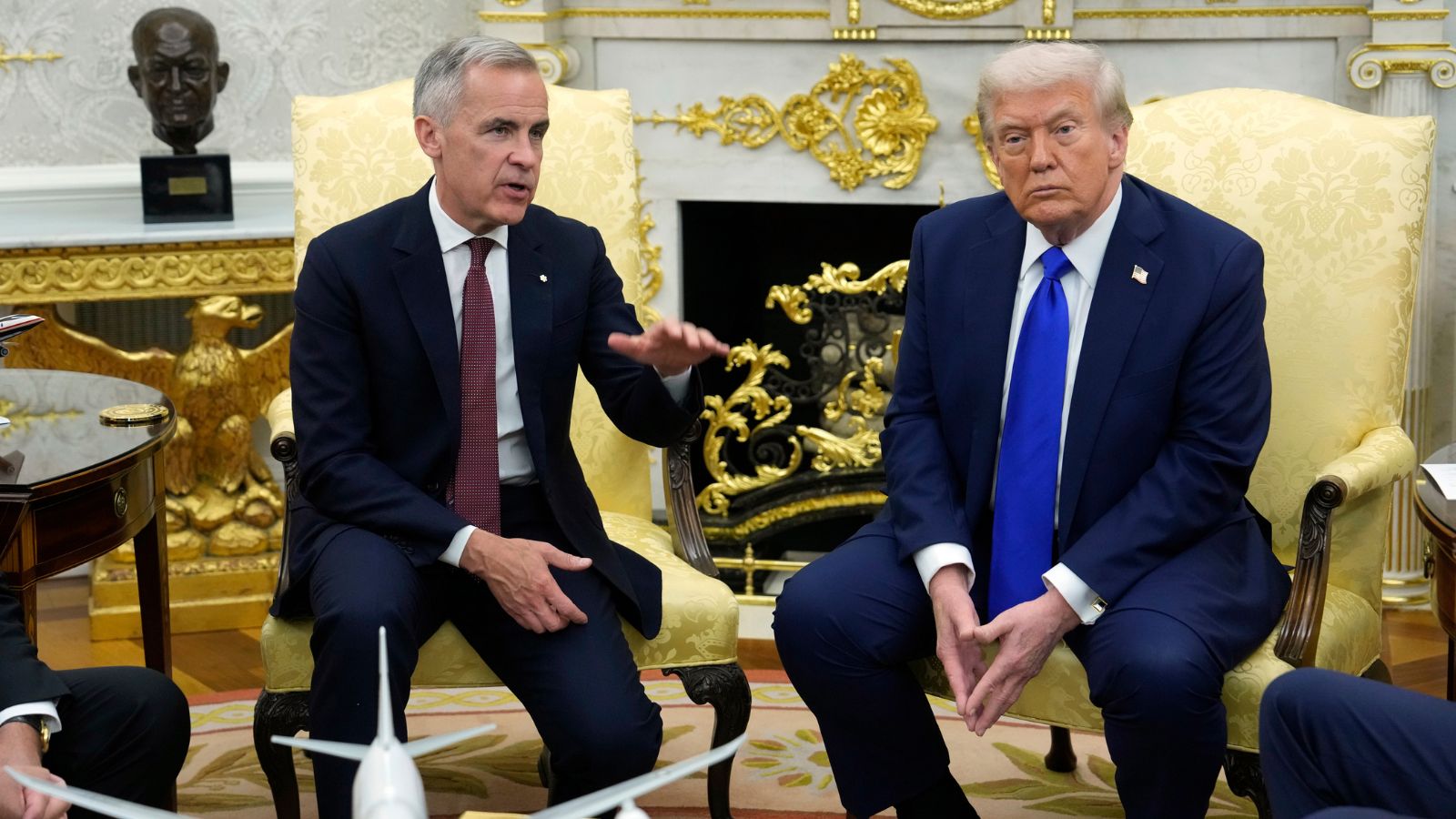
- Canadian Prime Minister Mark Carney and US President Donald Trump, representing Canada and the United States.
- What
- A tariff confrontation escalated after Canada ended trade negotiations and announced retaliatory duties.
- Where
- Between Canada and the United States.
- When
- The dispute intensified after talks ended late Friday; Canadian retaliation is scheduled to begin September 8.
- Why
- Carney said Washington demanded too much in exchange for tariff relief, while Canada seeks to defend its economic and political independence.
Canada’s Resistance
United States’ Pressure
Tariff negotiations
Canada’s Resistance
Carney ended negotiations because he concluded Washington was demanding too much in return for tariff relief.
United States’ Pressure
Trump’s administration used tariff pressure to seek concessions from Canada.
Economic sovereignty
Canada’s Resistance
Carney argues Canada must defend its economic and political independence, even at a significant cost.
United States’ Pressure
Trump has said Canada depends on the United States and has repeatedly raised the possibility of Canada becoming the 51st state.
Retaliation
Canada’s Resistance
Canada plans dollar-for-dollar tariffs to answer the US duties.
United States’ Pressure
The US tariffs expose Canada to substantial economic pressure because of its reliance on the American market.
Key facts
- US tariffs
- The United States imposed 50% duties on about $20 billion worth of Canadian goods.
- Canadian response
- Mark Carney announced dollar-for-dollar retaliation beginning September 8.
- Export dependence
- Nearly three-quarters of Canadian exports go to the United States.
- Economic imbalance
- The US economy is described as roughly ten times larger than Canada’s.
- Canadian costs
- Carney warned that retaliation would raise costs and reduce choice for Canadians.
- Broader significance
- The dispute is being watched as a test of whether middle powers can resist pressure from larger countries.
Quotes

Donald Trump
President of the United States
“Last spring, I warned that America is trying to break us so that they can own us. And I promised: ‘That will never, ever happen.’ We are keeping that promise.”
 firstpost.com
“Canada lives because of the United States.”
firstpost.com
Sources
Related news
Canada Rejects Unequal US Trade Deal Despite Economic Risks

Carney Walks Away From Unacceptable U.S. Trade Terms

Carney Rejects Trump Trade Demands, Defending Canadian Sovereignty

Carney Walks Out of U.S. Trade Talks, Escalating Levies
US-Canada Trade War Fundamentally Reshapes Once-Durable North American Alliance
Canada’s U.S. Tariff Fight Opens Door for India Partnership

Carney Accuses US of Negotiation Chaos Amid Trade War
Carney Tells Trump to Stop Memes as Trade Fight Escalates
Trump’s Canada Tariff War Strains Deeply Integrated North American Trade
Canada Tariff Dispute Raises Wider Worry for New Delhi

UPSC Weekly Current Affairs: Environment, Diplomacy, Defence and Economy