1 hr ago
India’s 13% Monsoon Deficit Raises Crop and Inflation Fears
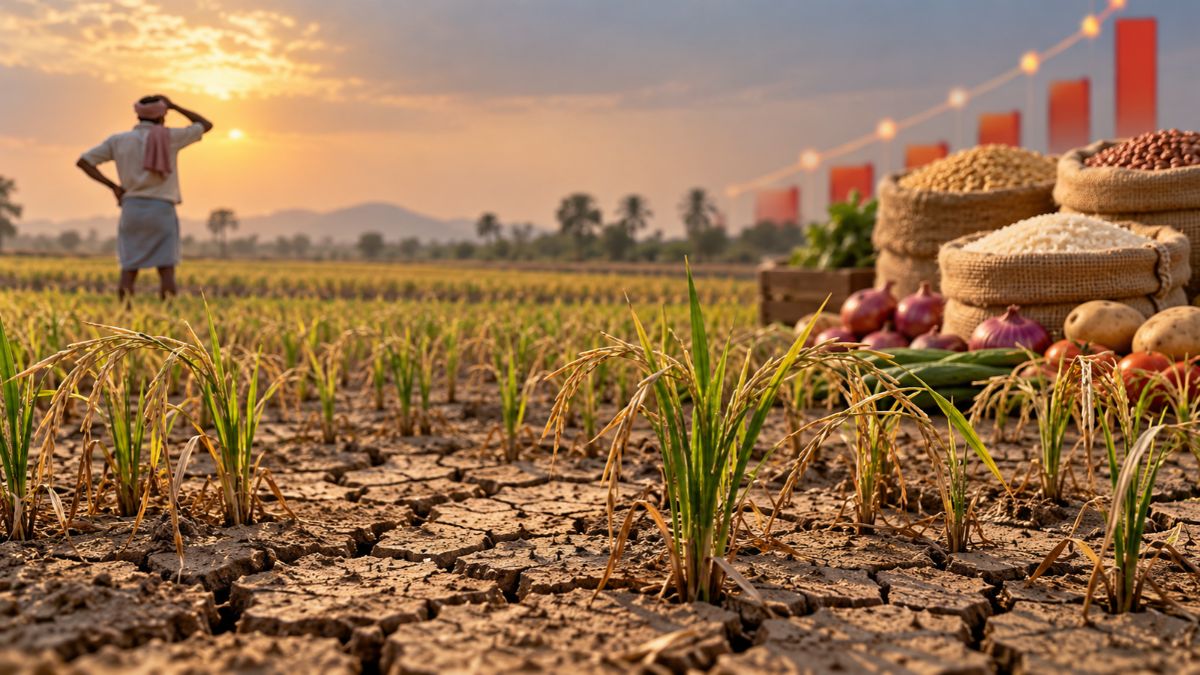
India has received much less rain than usual this monsoon season.
The shortage is about 13 percent, but farmers have planted nearly the normal amount of crops.
Planting crops does not guarantee that they will grow well, because many areas have had long dry periods.
Maharashtra has officially declared a drought, and several other states are also worried.
Rice, pulses and cotton may be especially affected.
Smaller harvests could make food more expensive for families.
The government’s stored food grains may help limit price increases for now.
But continued El Niño conditions could make the problem worse.
The next important test will be the winter, or rabi, harvest.

India’s monsoon rainfall is about 13% below normal, although sowing is only 1% below normal.
Maharashtra has officially declared drought, while Karnataka, Andhra Pradesh, Telangana and Rajasthan face dry spells or deficient rainfall.
Analysts warn that healthy sowing may not translate into strong harvests because rainfall distribution has been uneven.
Paddy, pulses and cotton are especially vulnerable in water-stressed southern and eastern agricultural regions.
Lower yields could raise food prices, weaken rural spending and test the economy during the coming rabi season.
- Who
- Farmers and consumers in India, with analysts Nuvama and Nomura assessing the economic risks.
- What
- A 13% monsoon rainfall deficit is raising concerns about crop yields, food inflation and rural demand.
- Where
- India, particularly Maharashtra, Karnataka, parts of Andhra Pradesh, Telangana, Rajasthan, and other water-stressed southern and eastern regions.
- When
- During the current monsoon season, with the main economic test expected during the coming winter or rabi harvest.
- Why
- Uneven and deficient rainfall could reduce crop output, raise food prices and squeeze farm incomes despite near-normal sowing.
Higher-Risk View
Manageable-Impact View
Crop output
Higher-Risk View
Nuvama argues that rainfall deficits have historically had a much larger effect on crop output than on sowing, and that uneven regional rainfall makes healthy sowing an unreliable indicator.
Manageable-Impact View
Near-normal sowing suggests farmers have maintained planting levels, while government foodgrain reserves provide some immediate protection against supply disruptions.
Inflation and demand
Higher-Risk View
Nomura warns that persistent El Niño conditions and weaker yields could raise food prices, reduce rural demand and add pressure to overall inflation.
Manageable-Impact View
Nomura also assesses current overall inflation and price increases as manageable, saying foodgrain stocks may limit the near-term effect on broader inflation and consumption.
Key facts
- Rainfall deficit
- Approximately 13% below normal during the monsoon season.
- Sowing deviation
- About 1% below normal.
- Drought declaration
- Maharashtra has officially announced drought.
- Vulnerable crops
- Paddy, pulses and cotton are identified as particularly exposed.
- Inflation concern
- Headline retail inflation has risen above 5%, driven mainly by food and beverage prices.
- Immediate buffer
- Ample government foodgrain stocks may help contain inflation in the near term.
- Next test
- The coming winter, or rabi, harvest will indicate the broader economic impact.
Quotes
Nuvama
Brokerage and financial research firm cited for its assessment of rainfall and crop risks.
“The overall inflation and price increases (mid-single-digit) are in a manageable range and it seems they may not materially put pressure on volumes as of now, any further product price hikes and impact on agricultural yield this year could add to the pressure on overall demand/consumption,”
 financialexpress.com
“Historically, high rainfall deficit has had much less bearing on sowing but significant bearing on crop output. And this year, the regional distribution of rainfall has been highly skewed. Thus, good sowing does not necessarily guarantee good crop output.”
financialexpress.com
Sources
Related news
India’s Monsoon Ends Deficient, Raising Inflation and Rural Demand Risks

India Faces Driest Monsoon Since 2009, Raising Food-Price Fears
India’s Weakest Monsoon in Ten Years Threatens Rural Demand
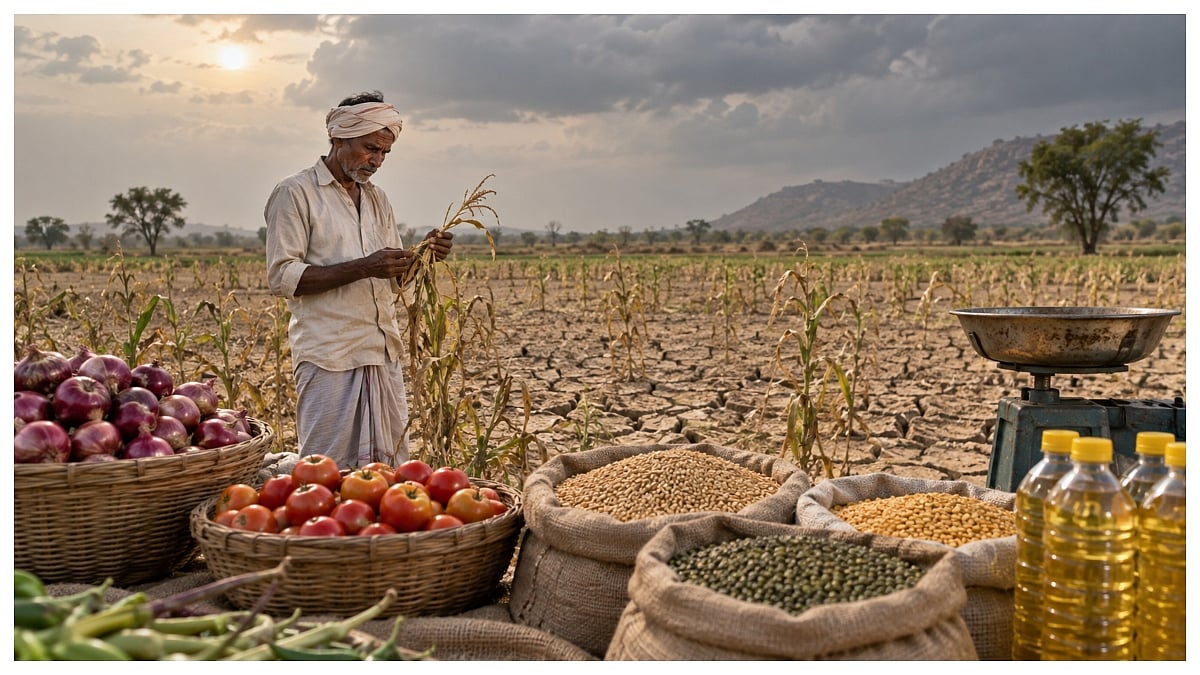
Weak Monsoon and El Niño Threaten India’s Food Prices
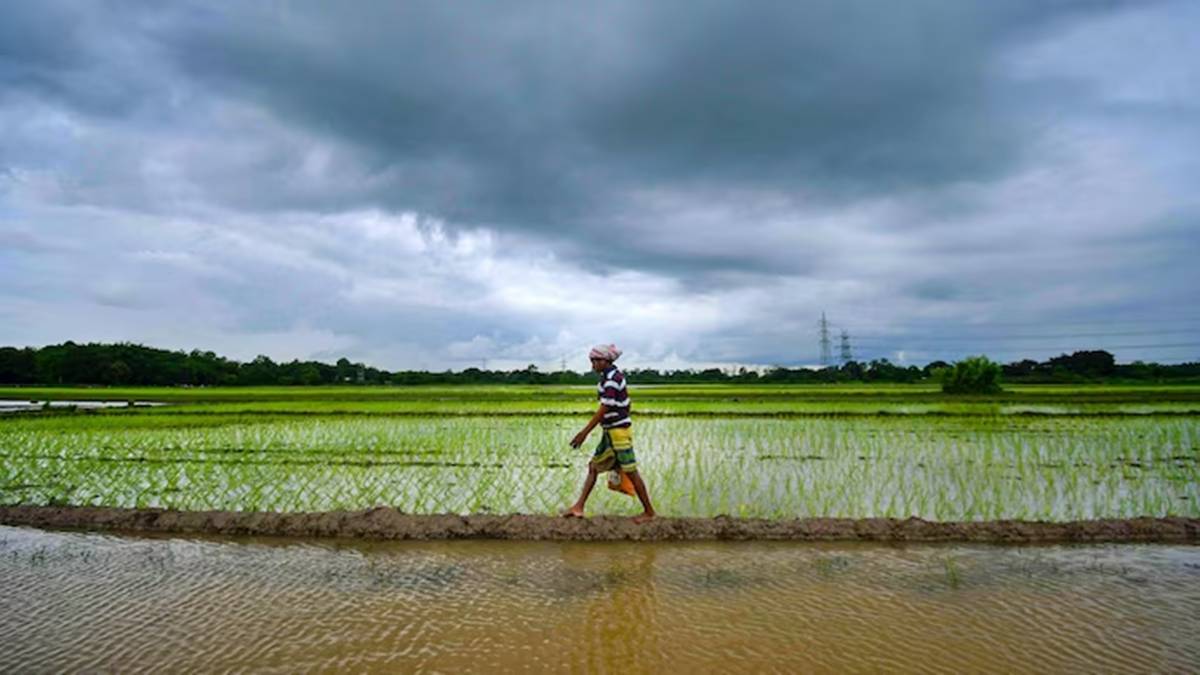
India Faces Drought Risks as El Niño Weakens Monsoon
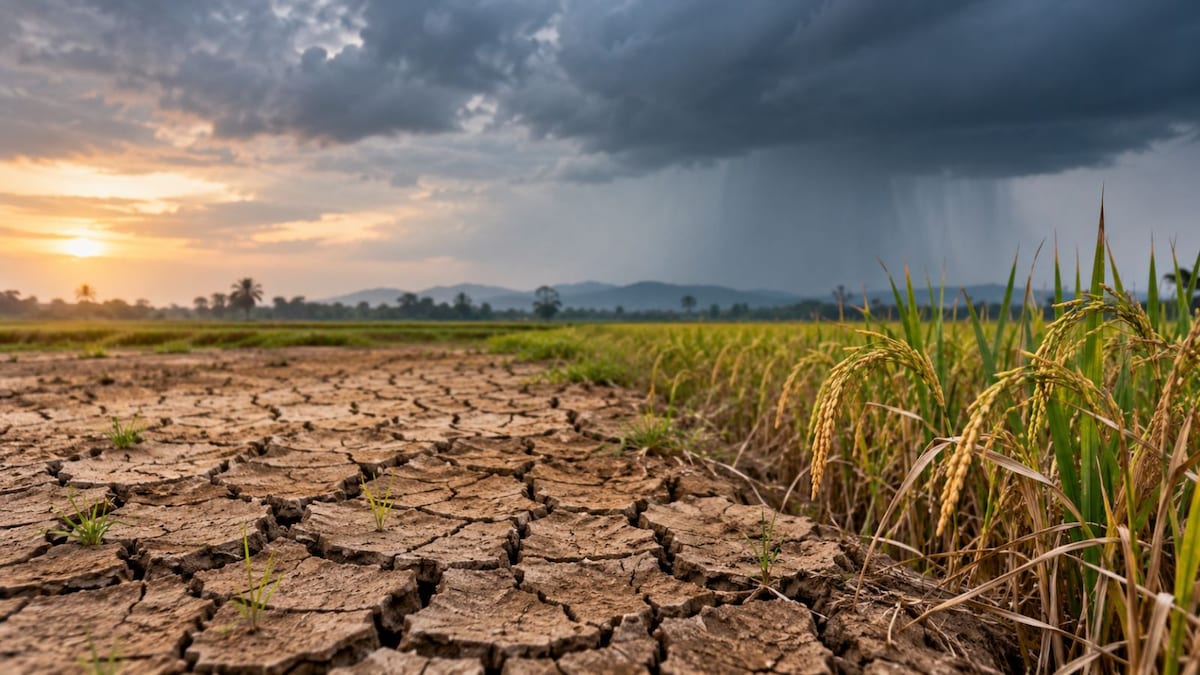
India's Weakest Monsoon Threatens Crops, Prices and Rural Demand
Maharashtra Congress Demands Resignations of Election, Public Service Chiefs

Maharashtra Launches Maha r-PET Bottle and Sticker Recycling Initiative
Parents Allege Coaching Institute Negligence in Diveagar Drowning Tragedy
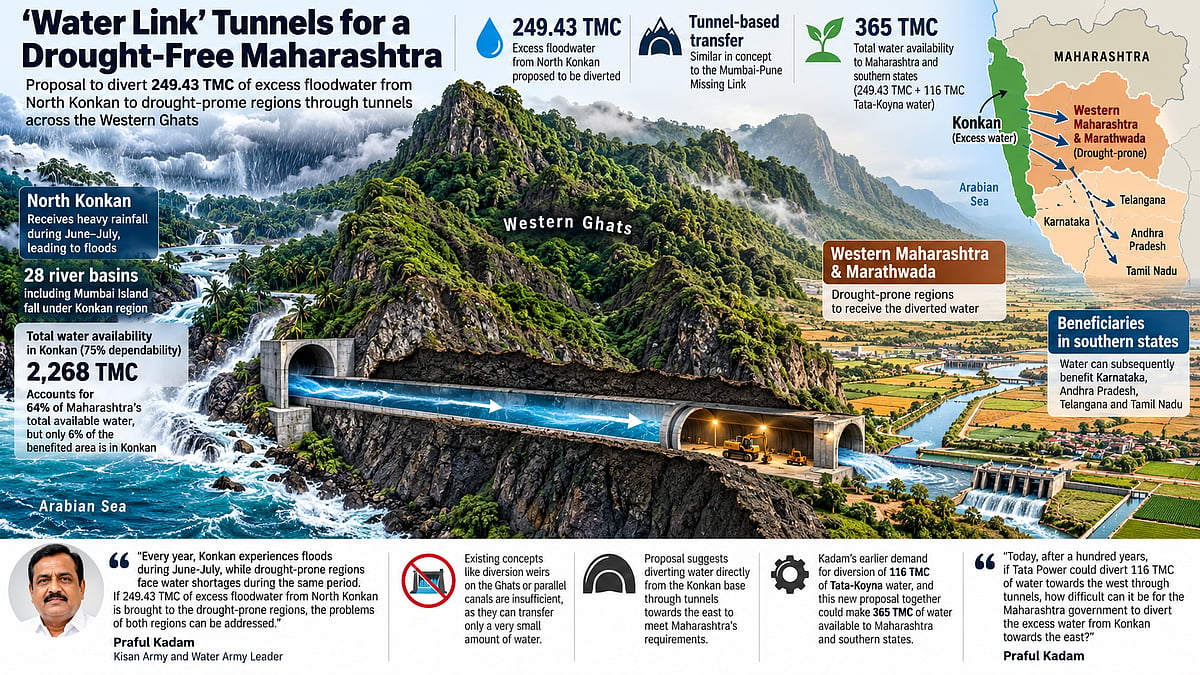
Proposal Seeks Tunnels To Divert North Konkan Floodwater Eastward

Maharashtra Cyber Police Warn Against QR Code and AI Scams