1 hr ago
India Faces Drought Risks as El Niño Weakens Monsoon
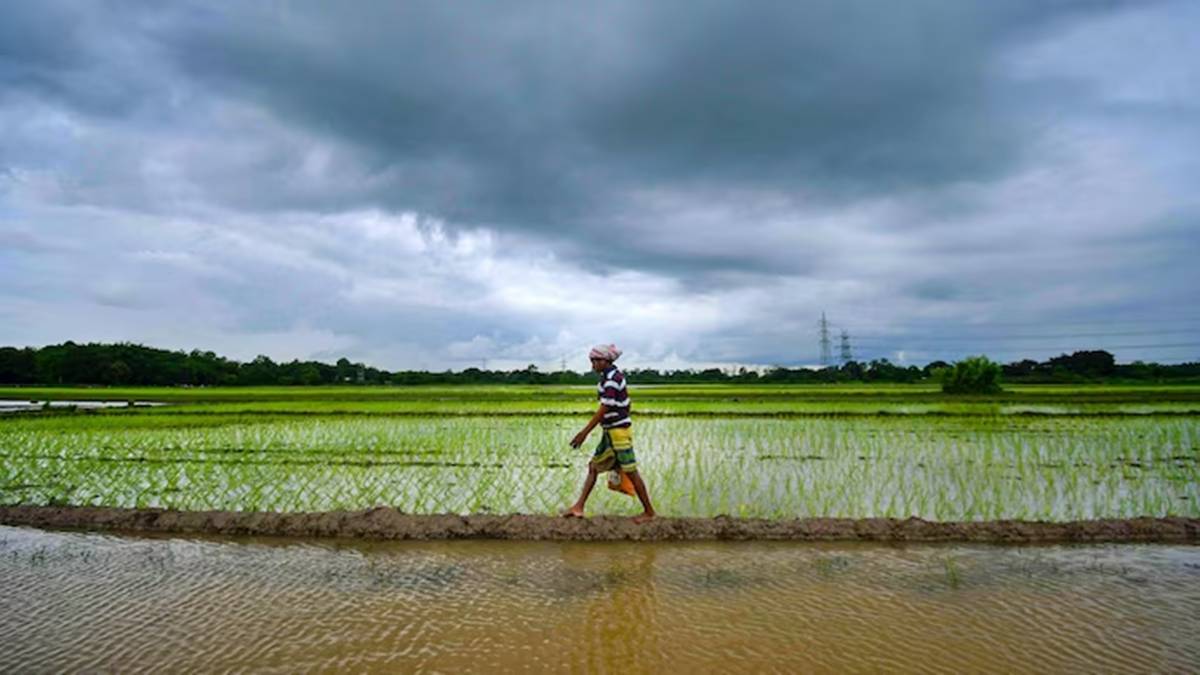
India’s rainy season is ending after bringing less rain than usual.
This is linked to the El Niño weather pattern.
Rainfall is about 15% below the long-term average across the country.
Some areas, especially Maharashtra and Karnataka, are already experiencing drought conditions.
Many farmers depend on rain, so less water can damage crops.
Paddy planting has decreased, and soybean crops in parts of Maharashtra are under serious stress.
Not every district is dry, and some places have actually received unusually heavy rain.
The government has plans for vulnerable districts and is using better irrigation and stronger seeds to help farmers.

India’s southwest monsoon has begun withdrawing from western Rajasthan and is expected to fully retreat by October 15.
Seasonal rainfall is currently 15% below average, with 14 states reporting deficits exceeding 20%.
Karnataka and Maharashtra have declared drought conditions, while 25% of districts show drought-like conditions.
Kharif sowing is down 1.3% year-on-year, with paddy acreage down 3.7% and soybean crops facing severe moisture stress in Maharashtra.
The government has identified about 111 vulnerable districts and prepared contingency plans, while officials cite improved irrigation, water management, and climate-resistant seeds.
- Who
- Indian farmers, state governments, and national officials are responding to rainfall shortages linked to El Niño.
- What
- The southwest monsoon is withdrawing after producing significantly below-average rainfall, raising drought and crop-loss concerns.
- Where
- Across India, with notable shortfalls in southern peninsular India, eastern and northeastern India, Maharashtra, and Karnataka.
- When
- Monsoon withdrawal has begun and is expected to be complete by October 15; the season’s rainfall deficiency is projected to reach 13–16%.
- Why
- El Niño has contributed to deficient and uneven rainfall, threatening rain-fed agriculture and kharif crop production.
Drought concerns
Officials’ optimism
Severity of rainfall shortfall
Drought concerns
A projected 13–16% seasonal deficit could cause widespread drought, with 25% of districts already showing drought-like conditions and crops facing moisture stress.
Officials’ optimism
Officials say conditions can be managed because irrigation, water management, technology, and climate-resistant seeds have improved since 2014 and 2015.
Government response
Drought concerns
Only Karnataka and Maharashtra have formally declared drought conditions so far, despite substantial rainfall deficits and the need for timely welfare measures.
Officials’ optimism
The government has identified about 111 vulnerable districts and prepared contingency plans to address potential kharif crop damage.
Agricultural impact
Drought concerns
Lower paddy acreage, stressed soybean fields, and reduced water availability during sowing and transplantation could hurt kharif production.
Officials’ optimism
Overall kharif acreage is down by only 1.3%, and cultivation recovered after improved rainfall in July and early August.
Key facts
- Current rainfall deficit
- 15% below the long-period average
- Projected seasonal deficit
- 13–16% below average
- States with deficits above 20%
- 14 states
- Declared drought-hit states
- Karnataka and Maharashtra
- Drought-like districts
- 25% of India’s districts
- Kharif sowing change
- Down 1.3% year-on-year
- Vulnerable districts identified
- About 111 districts, including 20 in Maharashtra
Sources
Related news

India’s Monsoon Withdrawal Begins Amid Worst Rain Deficit Since 2009
El Nino Drives Drought-Like Conditions Across Karnataka, Maharashtra
India's Monsoon Withdrawal Likely To Begin Around September 19
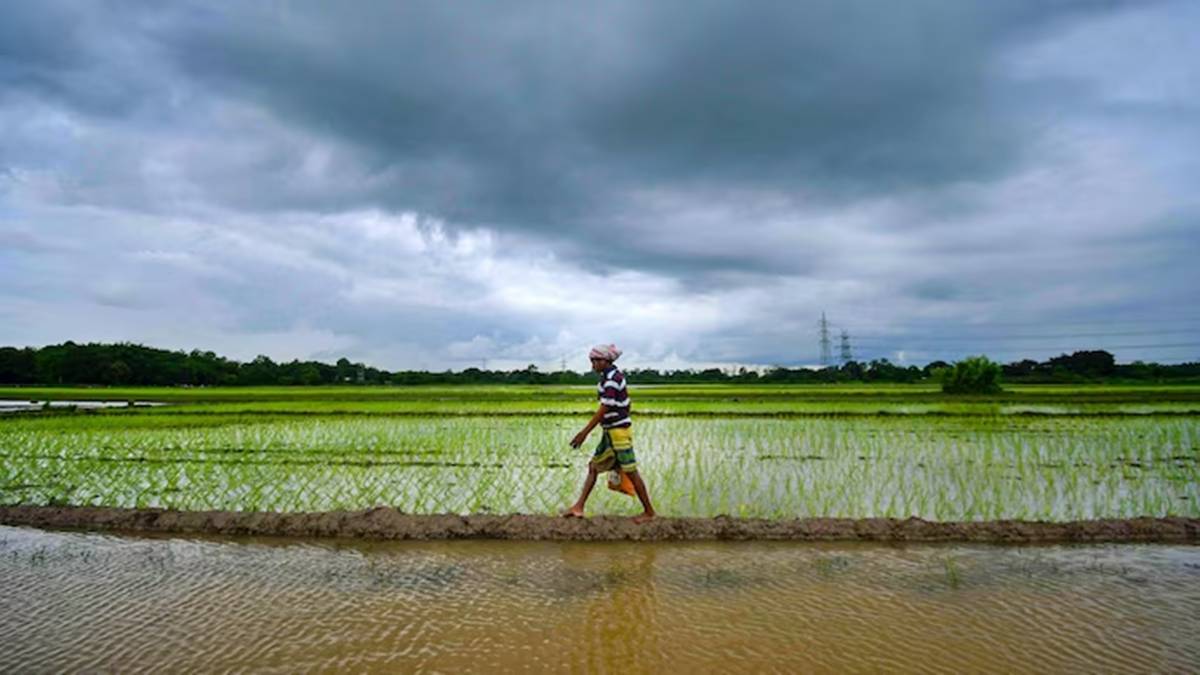
India's Southwest Monsoon Begins Withdrawal After Deficient Rainfall

IMD Warns of Dry September as India’s Monsoon Weakens
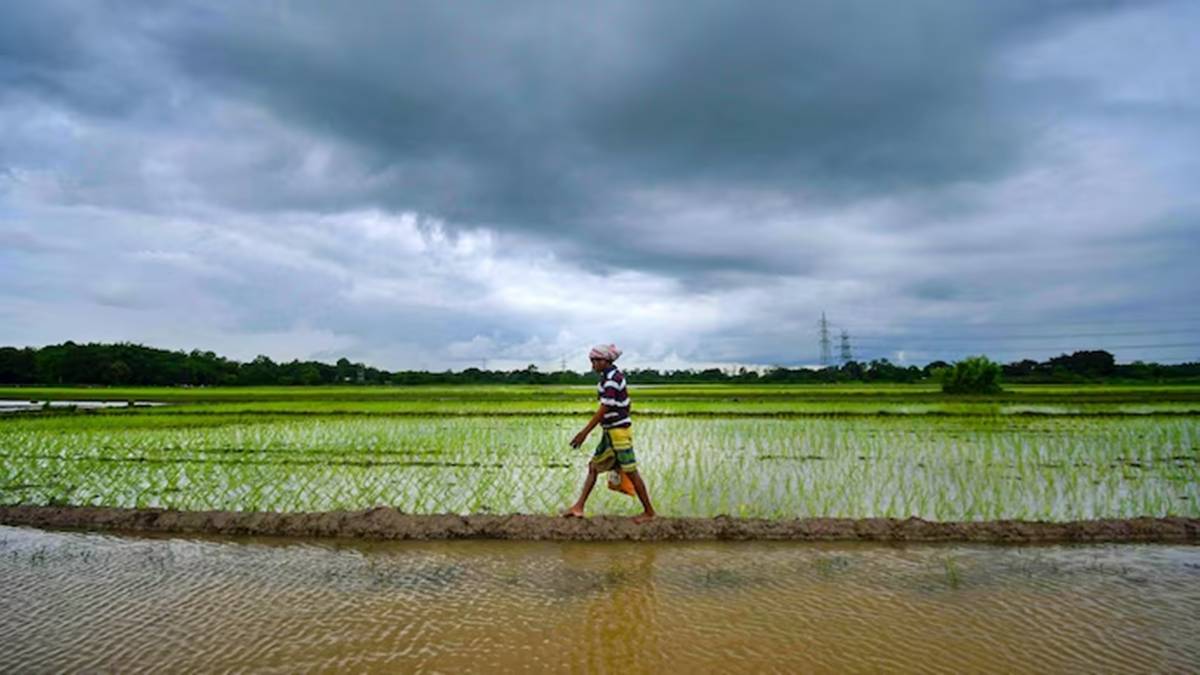
India’s Weakest Monsoon in Ten Years Threatens Rural Demand
Maharashtra BJP's Seva Sankalp Yatra Reaches Amravati, Expands Grassroots Outreach

CBI Searches 22 Locations, Arrests Two In ₹11.42 Crore Fraud
Jalgaon District Bank Plans Full-Size Statue Honoring Ajit Pawar
Minister Links Marathwada Martyrs’ Tribute To Regional Development