3 hrs ago
India's Weakest Monsoon Threatens Crops, Prices and Rural Demand
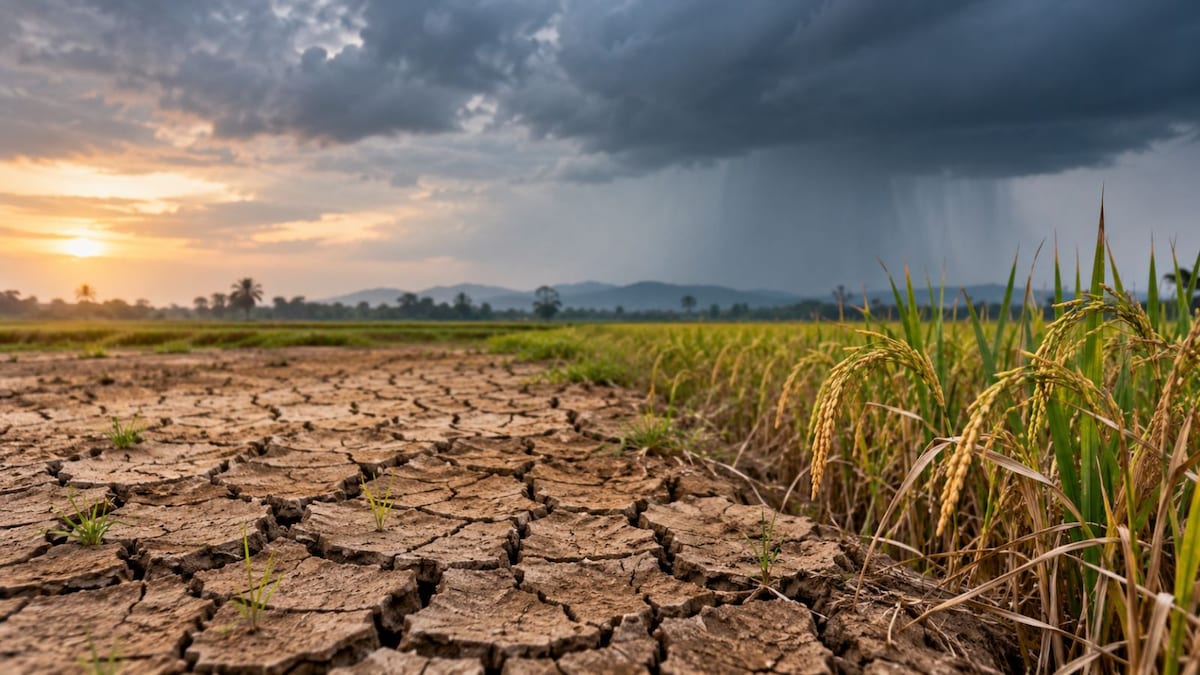
India had much less rain than usual during its main rainy season.
This was the country’s driest monsoon since 2016.
Farmers may have less water for growing winter crops called rabi crops.
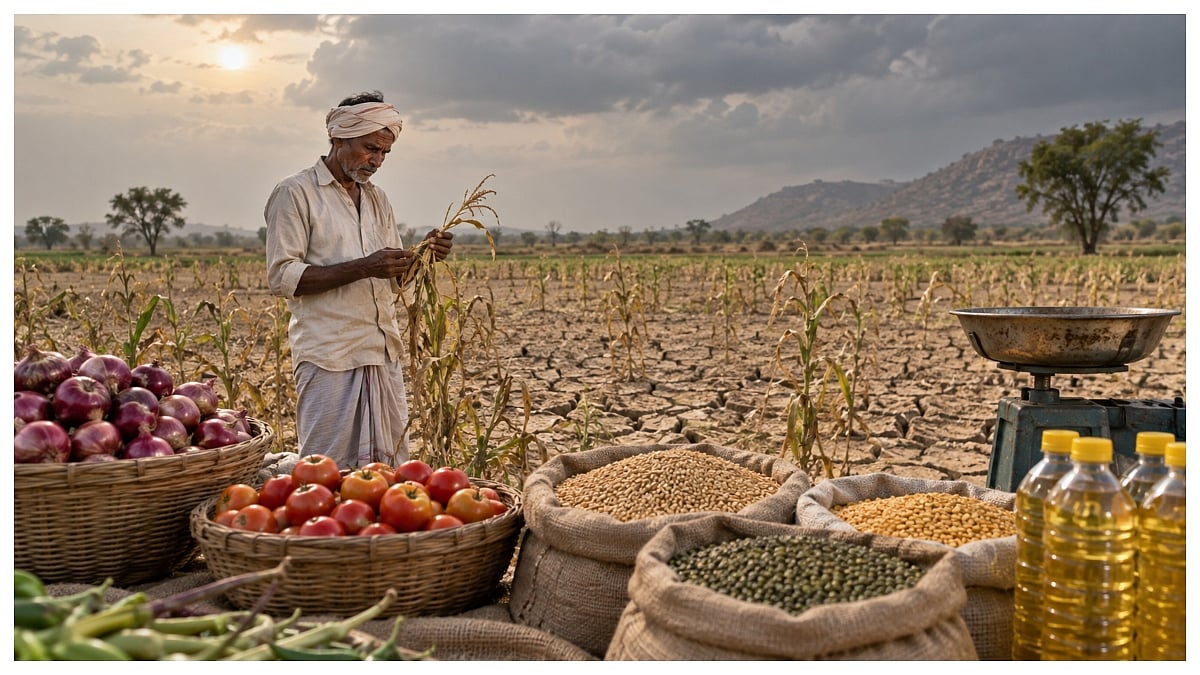
Smaller harvests could reduce farmers’ incomes and push food prices higher.
Lower incomes could also mean people in rural areas spend less money.
Dry reservoirs have reduced hydropower production.
At the same time, hot weather has increased the need for air conditioning.
This has caused more pressure on India’s electricity system.
Southern India may receive normal rain later in the year, but the national outlook remains uncertain.

India received 759.4 millimetres of monsoon rain, 12.6% below average and its lowest total since 2016.
Low reservoir and groundwater levels could reduce irrigation and affect winter, or rabi, crop production.
Economists warn weaker harvests could lower farm incomes, increase food-inflation risks and weaken rural spending.
Hydropower generation fell nearly 16% in September, while electricity shortages exceeded 2 gigawatts on more than half the month’s days.
The India Meteorological Department expects below-normal October rainfall nationally but normal October-December rainfall in South Peninsular India.
- Who
- Indian farmers, households, policymakers, economists, the Reserve Bank of India and electricity utilities are affected by the rainfall shortage.
- What
- India recorded its weakest monsoon in a decade, raising risks for crops, food prices, rural spending, water supplies and electricity generation.
- Where
- The shortfall affected India unevenly, with East and Northeast India and South Peninsular India recording steep deficits; national electricity effects were reported in September.
- When
- The southwest monsoon ended after June-September 2026; below-normal rainfall is forecast for October, with the outlook extending through the end of 2026.
- Why
- Rainfall was 12.6% below average, while an expected strengthening of El Niño, low reservoirs and hotter temperatures are adding pressure to agriculture and the power grid.
Risks and concerns
Potential relief and uncertainty
Winter crop prospects
Risks and concerns
Low reservoir and groundwater levels may leave farmers with less irrigation water, harming soil moisture, agricultural productivity and rabi crops.
Potential relief and uncertainty
Normal October-December rainfall is forecast for South Peninsular India, which could improve water conditions there during the region’s northeast monsoon.
Economic impact
Risks and concerns
Economists warn that weaker harvests could reduce farm incomes, rural consumption and food-price stability; S Jaishankar also warned of a possible major food crisis amid global supply pressures.
Potential relief and uncertainty
The national economic outcome is not certain because rainfall deficits vary by region, and a better southern rainfall season could provide some local relief.
Power supply
Risks and concerns
Depleted hydropower reservoirs and hotter weather have contributed to major electricity shortages and falling hydropower generation.
Potential relief and uncertainty
The India Meteorological Department’s forecasts provide a basis for monitoring and managing water resources, while the rainfall deficit may not necessarily continue into the next monsoon season.
Key facts
- Monsoon rainfall
- 759.4 millimetres, compared with a long-period average of 868.6 millimetres.
- Rainfall deficit
- 12.6% below average during June-September.
- Driest year
- 2026 was described as India’s driest monsoon since 2016.
- National forecast
- October rainfall is expected to be below normal, at less than 85% of the long-period average.
- Southern forecast
- South Peninsular India is expected to receive normal October-December rainfall, at 88%-112% of its long-period average.
- Power shortage
- September recorded more than 500 gigawatt-hours of unmet energy demand, with daily peak shortfalls sometimes exceeding 6 gigawatts.
- Hydropower decline
- Hydropower generation fell nearly 16% in September from a year earlier, its fifth consecutive monthly decline.
Quotes
Madhavi Arora
Economist with Emkay Global Financial Services
“There is going to be a major food crisis probably in the coming months. So if you have energy as a big crunch, and then food and fertilisers on top of it, and finance because every time there's a conflict, money moves towards safe harbours and away from the Global South, the net result of it has been really very very stressful”
 CNBC TV 18
“The monsoon shock is now less about rainfall and more about its income effects…The risk is that a weaker crop outcomes translate into softer farm incomes and hence slower rural consumption”
CNBC TV 18
Sources
Related news

India Faces Driest Monsoon Since 2009, Raising Food-Price Fears

India’s 2026 Southwest Monsoon Ranks Fourth-Lowest Since 2001
India’s Weakest Monsoon in Ten Years Threatens Rural Demand
India’s Monsoon Ends Deficient, Raising Inflation and Rural Demand Risks
India’s Monsoon Rainfall Hits Decade Low, 12.6% Below Average
Weak Monsoon and El Niño Threaten India’s Food Prices

IMD Forecasts Milder Indian Winter Amid El Niño Conditions

India’s Finance Ministry Sees 7.3% Q2 Growth Amid Risks
India’s Southwest Monsoon Ends With 12.6% Rainfall Deficit

India's October Weather Turns Drier, But Winter Rain May Help