

3 hrs ago
India’s Weakest Monsoon in Ten Years Threatens Rural Demand
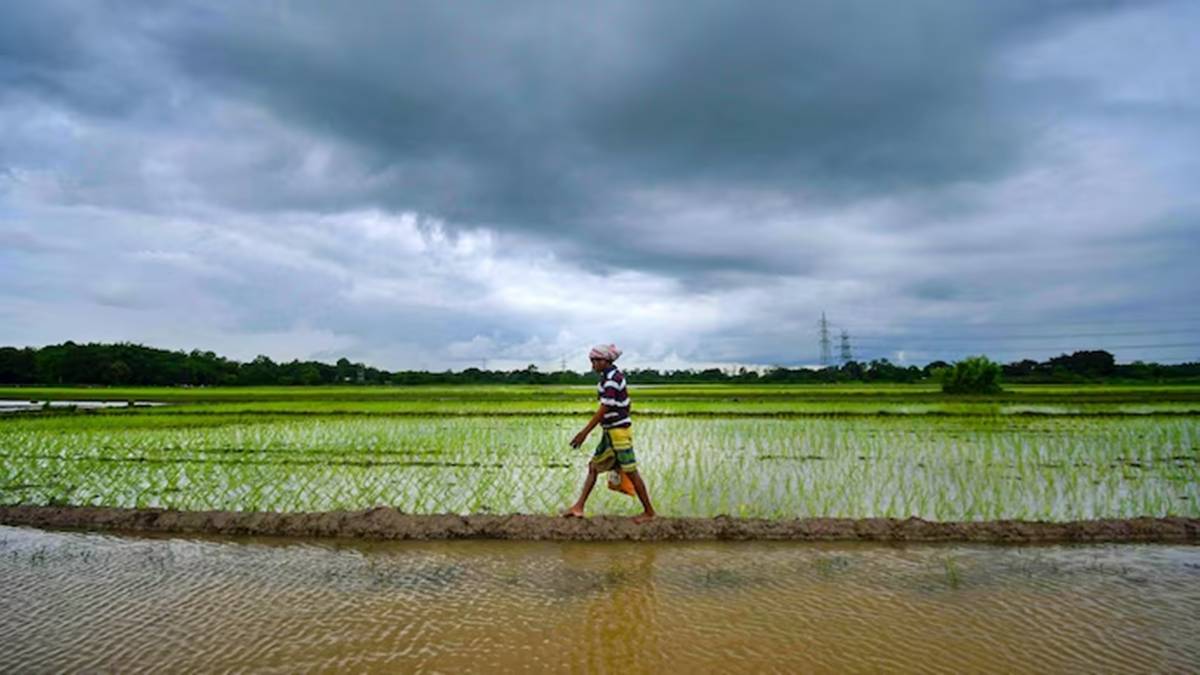
India has received much less rain than usual during this year’s monsoon.
This can make it harder for farmers to grow some crops and may reduce spending in villages.
However, the central part of India, an important farming area, has had a smaller rainfall shortage.
Farmers also planted more crops as the season continued, so the overall crop impact may be limited.
Rice and maize planting are still lower than last year, while pulse planting is slightly higher.
Government stores contain large amounts of rice and wheat, which may help prevent food prices from rising too quickly.
Reservoirs have less water than usual, creating concerns for crops planted in winter.
A weather pattern called El Niño could bring more risks, while any help from the Indian Ocean Dipole may arrive too late.
Nomura therefore favors consumer companies with strong brands, pricing power and more urban customers.

India’s southwest monsoon rainfall is nearly 15% below normal, making it the weakest in ten years, according to Nomura.
Central India’s smaller 6% rainfall deficit may cushion crop output, while the South Peninsula is 28% below normal.
Kharif sowing recovered from a 23% year-on-year shortfall in June to a 1.5% decline by September 11.
Reservoir storage is 7% below its 10-year average, raising concerns about winter rabi sowing, especially in the south.
Nomura remains cautious on rural demand but prefers urban-focused companies, naming Marico, Tata Consumer, ITC, Lenskart Solutions, Titan and United Spirits as Buy-rated picks.
- Who
- Indian farmers, rural consumers, the India Meteorological Department and companies covered by Nomura are affected or discussed.
- What
- India’s southwest monsoon is nearly 15% below normal and is affecting crop, water-storage and rural-demand prospects.
- Where
- Across India, with the South Peninsula and east and northeast facing the largest rainfall deficits and Central India faring better.
- When
- The monsoon season is nearing its end; withdrawal began around September 19, and the report gives data through September 11 and September 10.
- Why
- The rainfall shortfall is linked to risks from moderate El Niño conditions, weaker agricultural output, lower reservoir levels and pressure on rural consumption.
Risks from the weak monsoon
Factors limiting the damage
Crop output
Risks from the weak monsoon
The national rainfall deficit, weak rice and maize sowing, and severe shortages in the South Peninsula and east and northeast could hurt agricultural output.
Factors limiting the damage
Central India, the key kharif region, has only a 6% deficit, while northwest India is 10% below normal; this may cushion overall crop output and prices.
Rural consumption
Risks from the weak monsoon
Lower agricultural output, further company price increases and a potentially warmer winter could weaken rural demand and sales of seasonal products.
Factors limiting the damage
Nomura said current inflation and price increases remain manageable in the mid-single digits and are not expected to materially reduce volumes for now.
Winter farming
Risks from the weak monsoon
Reservoir storage is below its 10-year average, with the southern deficit widening to about 25%, creating risks for rabi sowing.
Factors limiting the damage
Nearly two-thirds of India’s 178 major reservoirs hold more than 80% of their normal storage, while western and central storage remains strong.
Key facts
- National rainfall deficit
- Nearly 15% below normal so far; September rainfall is around 25% below normal.
- Regional crop cushion
- Central India is 6% below normal and supplies major shares of cotton, oilseeds and pulses.
- Kharif sowing
- The year-on-year shortfall narrowed from 23% on June 25 to 1.5% on September 11.
- Crop-specific sowing
- Rice sowing is down 3.8% and maize sowing 2.6%, while pulses are up 1.5% year on year.
- Food stocks
- Government rice stocks were three times the buffer norm and wheat stocks 1.8 times the norm on August 16.
- Reservoir storage
- Live storage was 130.6 billion cubic meters on September 10, about 7% below the 10-year average.
- Nomura stock preferences
- Buy-rated picks include Marico, Tata Consumer, ITC, Lenskart Solutions, Titan and United Spirits.
Sources
Related news
Improved Sowing May Cushion Kharif Output Despite Monsoon Deficit
India’s Monsoon Faces 15% Deficit as El Niño Strengthens

India's Monsoon Withdrawal Likely To Begin Around September 19

IMD Warns of Dry September as India’s Monsoon Weakens

Below-normal September rains threaten crops, inflation and rural demand
Improved Indian Monsoon Eases Risks to Kharif Crop

Coca-Cola Foundation Backs Godavari Initiative’s Next Water Stewardship Chapter

United Breweries Valuation Reset Supports Gradual Accumulation Despite Margin Risks

FSSAI Challenges Old Monk’s Sale as Rum in Bombay HC

Old Monk Maker Agrees to Modify Labels After FSSAI Crackdown
