2 hrs ago
India’s Monsoon Ends Deficient, Raising Inflation and Rural Demand Risks
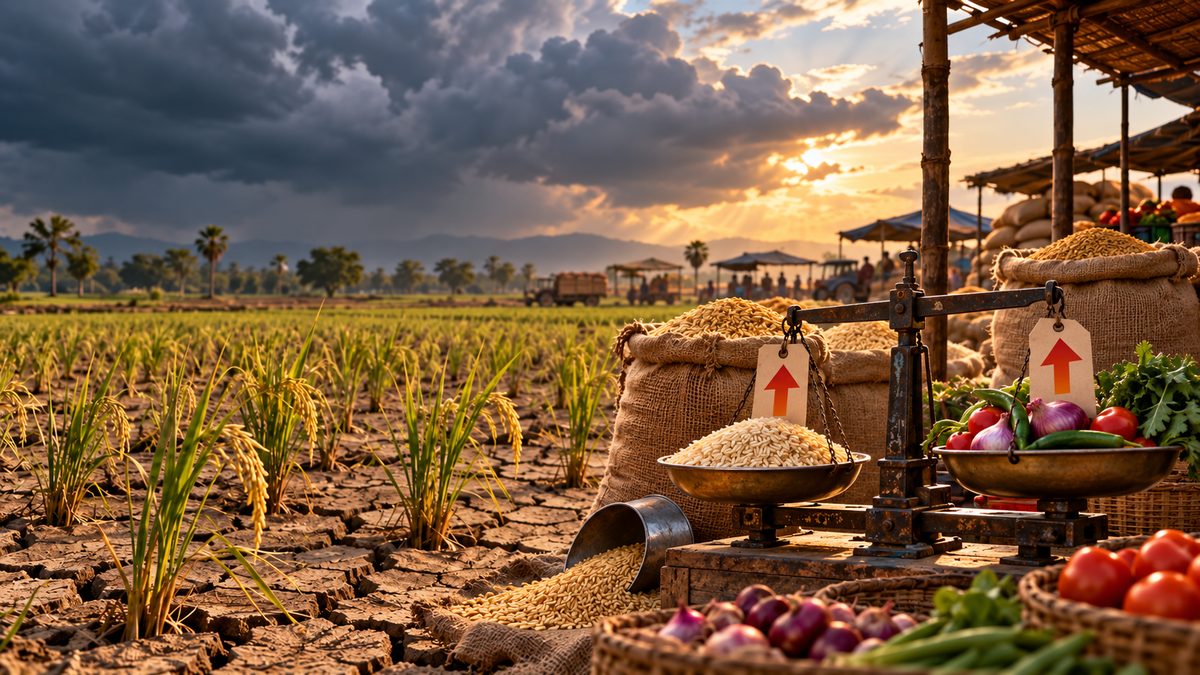
India received less rain than usual during its main rainy season.
The shortage was bigger than forecasters first expected.
Less rain can reduce the amount of crops farmers grow and lower their incomes.
Water stored in important reservoirs is also below its usual level.
This could make it harder to plant crops during the next farming season.
Government foodgrain reserves may help keep food prices from rising too quickly.
However, weaker farm incomes could make people in rural areas spend less.
Nomura also warned that higher product prices and a possible warmer winter could create more pressure.
For now, Nomura says inflation and price increases appear manageable, but the risks could grow.

India’s Southwest monsoon ended with rainfall 12.5% below normal, worse than the India Meteorological Department’s initial 10% deficit prediction.
Water levels in 178 major reservoirs were 11.5% below their 10-year average, with 70.8% of total live capacity remaining.
Kharif sowing fell 1.5% year-on-year, while rice and maize planting declined 3.8% and 2.6%, respectively.
Nomura said foodgrain buffer stocks could help contain inflation, but warned that weaker farm yields and price increases could hurt rural demand.
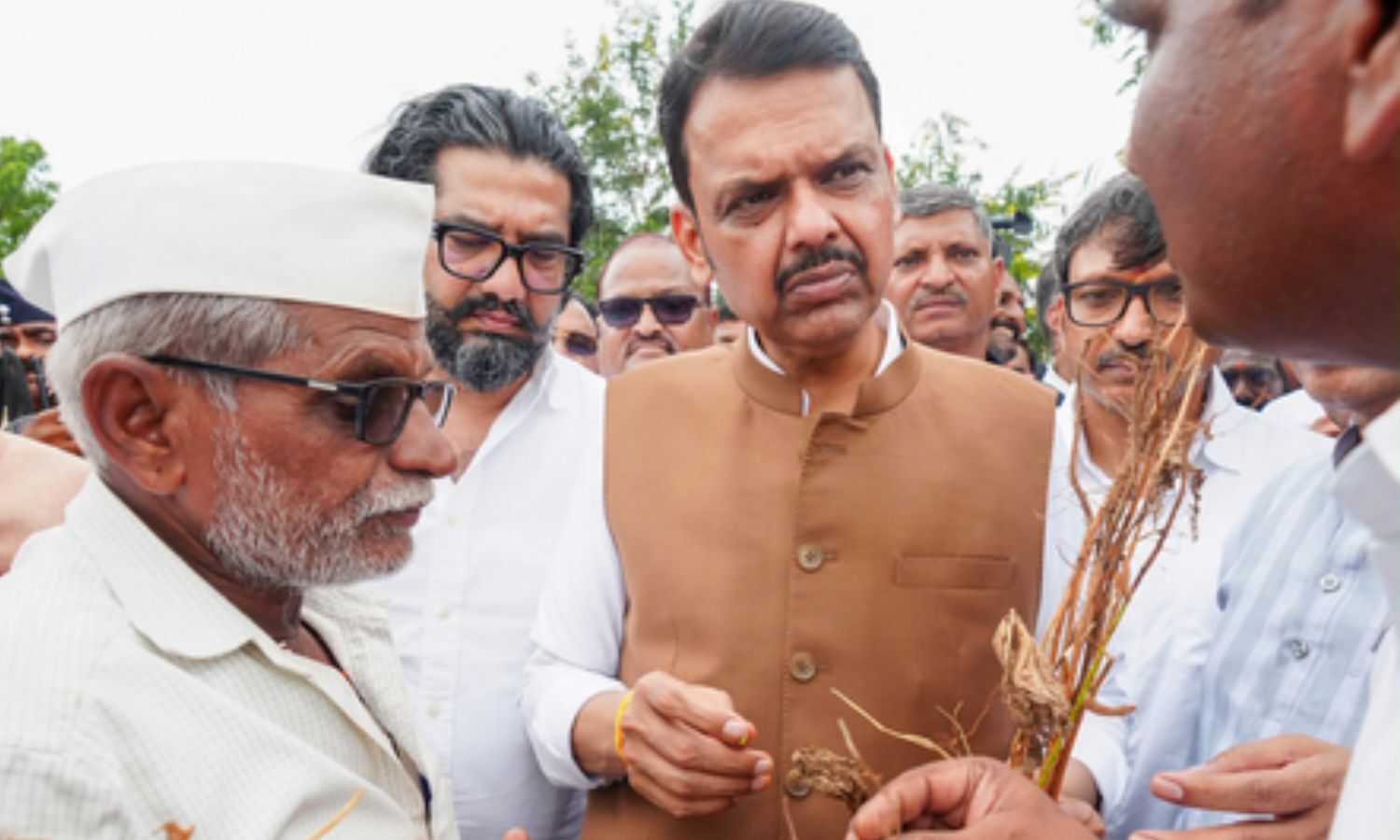
About 42% of India’s sub-divisions recorded rainfall deficits, including severe drought conditions across roughly 75% of Maharashtra and Karnataka.
- Who
- Indian farmers, rural consumers, the India Meteorological Department, and Nomura analysts Mihir P. Shah and Riya Patni.
- What
- India’s Southwest monsoon ended with a 12.5% rainfall deficit, raising concerns about crops, inflation, reservoirs, and rural demand.
- Where
- Across India, with especially large deficits in Eastern and North-Eastern India, South Peninsular India, Maharashtra, and Karnataka.
- When
- The Southwest monsoon season ended after rainfall and sowing assessments through mid-September; Nomura expects strong El Nino conditions to persist through February.
- Why
- Below-normal rainfall has reduced water availability and crop sowing, potentially weakening farm incomes and rural consumption while increasing food-price risks.
Inflation remains manageable
Risks to demand are increasing
Food prices
Inflation remains manageable
Nomura said large government foodgrain buffer stocks may help curb food inflation despite reservoir shortages.
Risks to demand are increasing
Poorer agricultural yields, depleted reservoirs, and additional product price hikes could increase pressure on overall inflation.
Rural consumption
Inflation remains manageable
Current mid-single-digit price increases have not materially pressured volumes so far, according to Nomura.
Risks to demand are increasing
Below-normal rainfall, strong El Nino conditions, lower farm yields, and company price increases could weaken rural demand and consumption.
Agricultural effects
Inflation remains manageable
Better late-season rains in central areas helped increase pulse cultivation by 1.5%, while Central India’s deficit was limited to 2%.
Risks to demand are increasing
Rainfall deficits affected about 42% of sub-divisions, and rice and maize sowing declined, creating risks for farm incomes and future output.
Key facts
- Monsoon deficit
- Cumulative Southwest monsoon rainfall was 12.5% below normal, compared with an initial 10% deficit prediction.
- Reservoir levels
- Water in 178 primary reservoirs was 11.5% below the 10-year average and stood at 70.8% of live capacity.
- Kharif sowing
- Total Kharif crop sowing was down 1.5% year-on-year by mid-September.
- Crop-specific sowing
- Rice sowing fell 3.8% and maize sowing fell 2.6%, while pulse cultivation rose 1.5%.
- Regional deficits
- Eastern and North-Eastern India recorded a 25% deficit, while South Peninsular India recorded a 24% shortfall.
- Drought exposure
- Around 75% of Maharashtra and Karnataka were described as being under severe drought conditions.
- Inflation outlook
- Nomura said inflation and mid-single-digit price increases were currently manageable, partly because of government foodgrain stocks.
Quotes

Nomura
Japanese brokerage firm and source of the inflation analysis
“the overall inflation and price increases (mid-single-digit) are in a manageable range and it seems they may not materially put pressure on volumes as of now.”
 financialexpress.com
“any further product price hikes and impact on agricultural yield this year could add to the pressure on overall demand/consumption”
financialexpress.com
Mihir P. Shah and Riya Patni
Nomura research analysts
“We remain watchful of rural demand as we believe that it will likely face multiple headwinds of below-normal monsoon, El Nino, and product price increases being taken by companies due to the West-Asia conflict”
financialexpress.com
Sources
Related news
India’s Weakest Monsoon in Ten Years Threatens Rural Demand

India Faces Driest Monsoon Since 2009, Raising Food-Price Fears

India’s 2026 Southwest Monsoon Ranks Fourth-Lowest Since 2001
India's Weakest Monsoon Threatens Crops, Prices and Rural Demand
Uneven Final Monsoon Rainfall May Shape Kharif Crops, Prices

India’s Reservoir Recovery Supports Rabi Outlook, But Shortfalls Persist

Noel Tata Faces Governance Challenge Over Tata Trusts Restructuring

Maharashtra, Vietnam Seek Stronger Trade and Investment Partnerships

DRI Dismantles Leopard Skin Syndicate in Maharashtra's Gondia
Maharashtra Announces Loan Relief and Wider Drought Coverage for Farmers