3 days ago
Mae Salong Tea Pilgrimage Reconnects Memory, History, and Environmental Costs
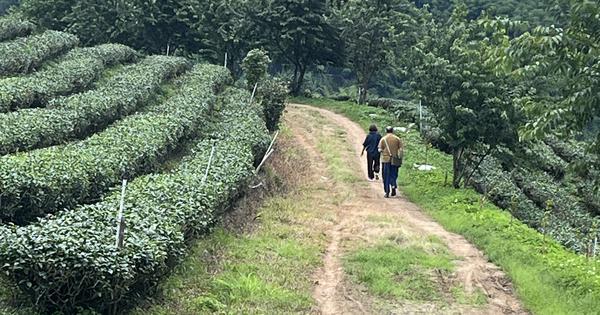
The writer traveled to Mae Salong, a mountain town in northern Thailand, to learn about tea and remember his father.
His father believed tea plants could help poor communities.
Mae Salong once grew more Assamica tea, but farmers later focused on oolong tea because it sold well.
Some local Indigenous farmers still grow stronger-tasting Assamica tea.
Mae Salong is also home to Chinese communities whose families arrived after wars in China and Myanmar.
Taiwan has supported the community with scholarships and other assistance.
Many young people leave for better opportunities and do not come back.
The writer saw that farming, mining, roads, and dams can damage mountain environments.
He ends by saying that remembering his father gives him hope for better futures.

A writer visited Mae Salong, Thailand, to explore Assamica tea and remember his father, an agronomist who promoted tea as a tool against poverty.
Mae Salong’s tea industry shifted from Assamica varieties to oolong from mainland China during the 1990s, though local growers still produce Assamica “Forest Black Tea.”
The town’s Chinese communities descended partly from Kuomintang soldiers who settled there after the Chinese Civil War and later received Thai citizenship.
Scholarships and cultural ties with Taiwan have created opportunities for young people, but many leave Mae Salong and do not return.
The writer links intensive development, mining, dams, and weak disaster responses to flooding and landslides affecting northern Thailand and Northeast India.
- Who
- The writer, his friends, Mae Salong residents, and the writer’s late father, an agronomist, are central to the account.
- What
- The writer made a tea-focused pilgrimage to Mae Salong and examined the town’s tea industry, migration history, cultural identities, and environmental pressures.
- Where
- Mae Salong, officially Santikhiri, in northern Thailand, near the Myanmar–Thailand–Laos border and China’s Yunnan province.
- When
- The journey took place during July; the writer’s father died on March 27, 2025, and the account also refers to flooding in 2024 and disasters in 2025.
- Why
- The writer wanted to understand his father’s work and belief in tea’s potential to reduce poverty, while exploring the region’s history and landscapes.
Economic Opportunity and Cultural Connection
Environmental and Social Costs
Tea production
Economic Opportunity and Cultural Connection
Oolong tea became popular and commercially valuable, particularly in connection with markets in Taiwan; tea also replaced opium as a preferred livelihood in the account.
Environmental and Social Costs
The shift away from Assamica disappointed the writer’s father’s hopes, while stronger Assamica teas remain less prominent in the market.
Migration and education
Economic Opportunity and Cultural Connection
Taiwan-linked scholarships and cultural ties give young people access to education and better employment opportunities.
Environmental and Social Costs
Many young people leave Mae Salong and do not return, contributing to a sense among residents that their community has been left behind.
Regional development
Economic Opportunity and Cultural Connection
Farming, roads, dams, and other economic projects are presented as efforts to create value and expand opportunity in the region.
Environmental and Social Costs
The writer argues that intensive hillside cultivation, mining, earth cutting, highways, and dams worsen environmental vulnerability and contribute to destructive floods and landslides.
Key facts
- Location
- Mae Salong, also known as Santikhiri, in northern Thailand
- Tea varieties
- The region grows Assamica tea, while oolong is now the dominant commercial variety described in the account
- Tea transition
- Assam tea was reportedly replaced by oolong varieties from mainland China during the 1990s
- Settlement history
- Chinese communities from Yunnan settled in the highlands after the Chinese Civil War
- Citizenship
- Former Kuomintang soldiers and their families were granted Thai citizenship after assisting Thailand against communist insurgents
- Taiwan connection
- Taiwan-linked organizations supported livelihoods, tea and livestock production, and scholarships
- Environmental concerns
- The writer associates flooding and landslides with intensive cultivation, illegal mining, earth cutting, highways, and dams
Quotes
Pongjit “Jon” Saphakhun
A theatre personality and travel companion of the author
“There are many young people who get scholarships and leave for Taiwan”
 scroll.in
“Look, in memory of your father! There is hope, darling!”
scroll.in
Sources
Related news
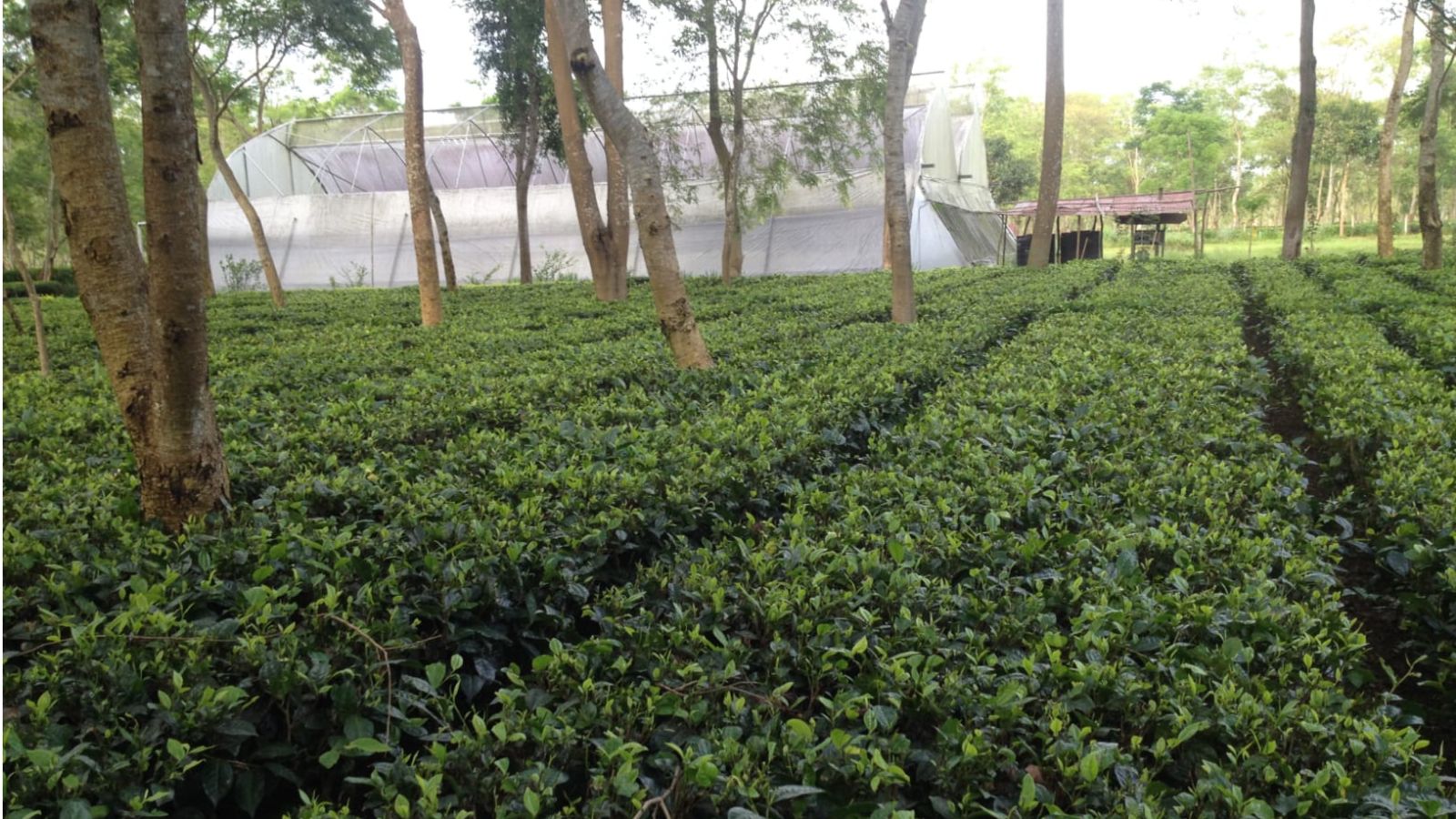
Assam Estate Produces India’s First Commercial Matcha
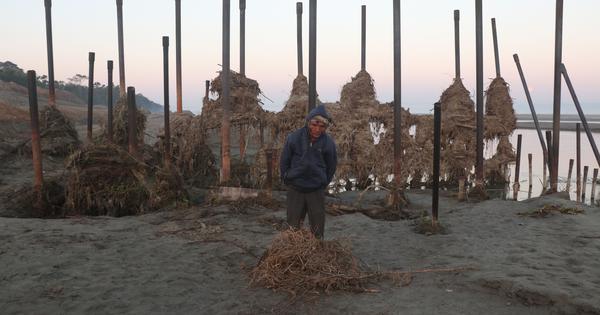
Assam Artist Documents Vanishing Villages Along Eroding Brahmaputra

Usha Soolapani Leads India’s Revival of Forgotten Rice

Tea Break Saves 52 Mansarovar Pilgrims From Nepal Floods

PaukSe & Palata: Burma Burma Celebrates Burmese Tea Shop Culture

Hyderabad’s Layered Heritage Meets Caste, Class, and Change

Trump administration weighs chip tariffs amid AI industry warnings

Why India Must Conserve Forex Despite Strong GDP Growth

CM Vijay Plans Britain Tour to Attract Tamil Nadu Investment

US and Australia Commit $580 Million for Pacific Islands

Tamil Nadu CM Vijay Plans UK Investment Outreach