2 weeks ago
Usha Soolapani Leads India’s Revival of Forgotten Rice

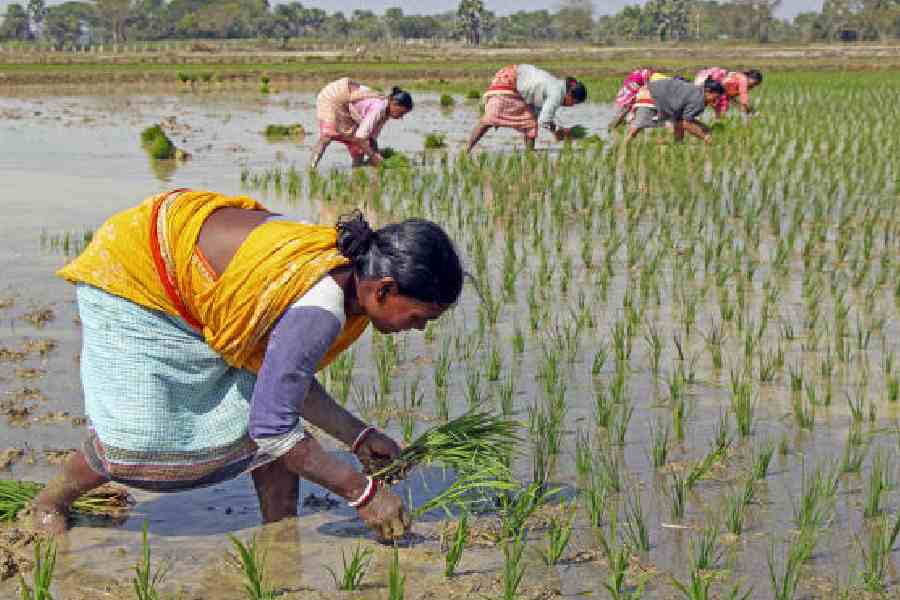
Usha Soolapani works with farmers to protect old kinds of rice.
She was inspired by a Japanese book that criticised chemical farming.
She saw that pesticides, disappearing wetlands and rising farming costs were hurting people and nature.
Through the Save Our Rice Campaign, farmers collect, grow and share seeds.
They use special plots called Rice Diversity Blocks and community seed banks.
More than 30,000 farmers in six Indian states are involved.
Together, they are conserving more than 1,000 traditional rice varieties.
The campaign says farmers should help lead decisions about seeds and farming.
It also wants young people to value rice as food, culture and living environmental knowledge.

Inspired by Masanobu Fukuoka’s writing in the early 1980s, Usha Soolapani began promoting chemical-free farming and ecological agriculture.
Through Thanal and the Save Our Rice Campaign, she helped farmers conserve traditional rice varieties across six Indian states.
More than 30,000 farmers now maintain Rice Diversity Blocks containing over 1,000 indigenous rice varieties.
The campaign uses community seed banks, seed festivals and farmer-led conservation to keep rare varieties growing in fields.
Usha links rice diversity to food sovereignty, public health, climate resilience, women’s participation and protection of paddy wetlands.
- Who
- Usha Soolapani, Thanal, local partner organisations and farmers involved in the Save Our Rice Campaign.
- What
- A farmer-led effort to conserve indigenous rice varieties, protect paddy ecosystems and promote agroecological farming.
- Where
- Across six Indian states: Karnataka, Kerala, Tamil Nadu, Chhattisgarh, Jharkhand and West Bengal.
- When
- Usha’s work was inspired in the early 1980s; the regional campaign began in 2003, and the India-wide work expanded through travel from 2005 to 2018.
- Why
- To protect seed diversity, traditional farming knowledge, food sovereignty, farmer livelihoods, biodiversity and resilience to climate and agricultural pressures.
Agroecology and Conservation Advocates
Intensive Development and Productivity Pressures
Role of traditional rice
Agroecology and Conservation Advocates
Usha and campaign supporters argue that indigenous rice varieties preserve biodiversity, nutrition, cultural knowledge and climate resilience, and should remain in farmers’ fields.
Intensive Development and Productivity Pressures
The article describes a dominant agricultural emphasis on higher-yielding hybrids and productivity, which displaced some traditional varieties.
Paddy land protection
Agroecology and Conservation Advocates
Conservation advocates support protecting wetlands and paddy fields from conversion because they sustain ecosystems, communities and livelihoods.
Intensive Development and Productivity Pressures
Pressure has continued to dilute Kerala’s paddy-land protection law and create exceptions for infrastructure projects.
Who should shape farming policy
Agroecology and Conservation Advocates
The campaign argues that farmers are breeders and innovators and should help design seed, climate and agricultural policies.
Intensive Development and Productivity Pressures
Usha says existing support systems and policy processes do not adequately make farmers partners in building agricultural resilience.
Key facts
- Campaign origin
- The Save Our Rice Campaign was launched regionally by Pesticide Action Network Asia Pacific in 2003.
- Indian organisation
- Thanal became one of the key organisations associated with the campaign in India.
- Farmers involved
- More than 30,000 farmers across six Indian states maintain Rice Diversity Blocks.
- Rice diversity
- The campaign’s network is conserving more than 1,000 indigenous rice varieties.
- Conservation methods
- Rice Diversity Blocks and panchayat-level community seed banks allow farmers to grow, multiply and share traditional seeds.
- Kerala paddy area
- Wetland rice cultivation in Kerala stood at about 1.8 lakh hectares in 2023–24, compared with roughly 7.6–8 lakh hectares in the decades after Independence.
- Endosulfan compensation
- In January 2017, India’s Supreme Court directed Kerala to disburse Rs 500 crore to more than 5,000 victims of Endosulfan exposure.
Quotes
Usha Soolapani
Indian agriculture officer and activist
““It became a guiding light,” she recalls. “It encouraged me to begin farming without chemicals and to root agriculture in philosophy rather than mere production.””
 thebetterindia.com
““Paddy is not just a crop,” she says. “It is an ecosystem that sustains people, communities and biodiversity.””
thebetterindia.com
Sources
Related news
Mae Salong Tea Pilgrimage Reconnects Memory, History, and Environmental Costs

PM Modi Highlights Nagaland Flower Grower, Odisha Forest Women
UN Resource Centre Coordinator Urges Greater Support for Organic Farming

Naxalbari's Peasant Roots and the Urban Revolution Myth

Odisha’s ‘Drone Didi’ Helps Farmers Cut Costs, Earn More