2 weeks ago
Hyderabad’s Layered Heritage Meets Caste, Class, and Change
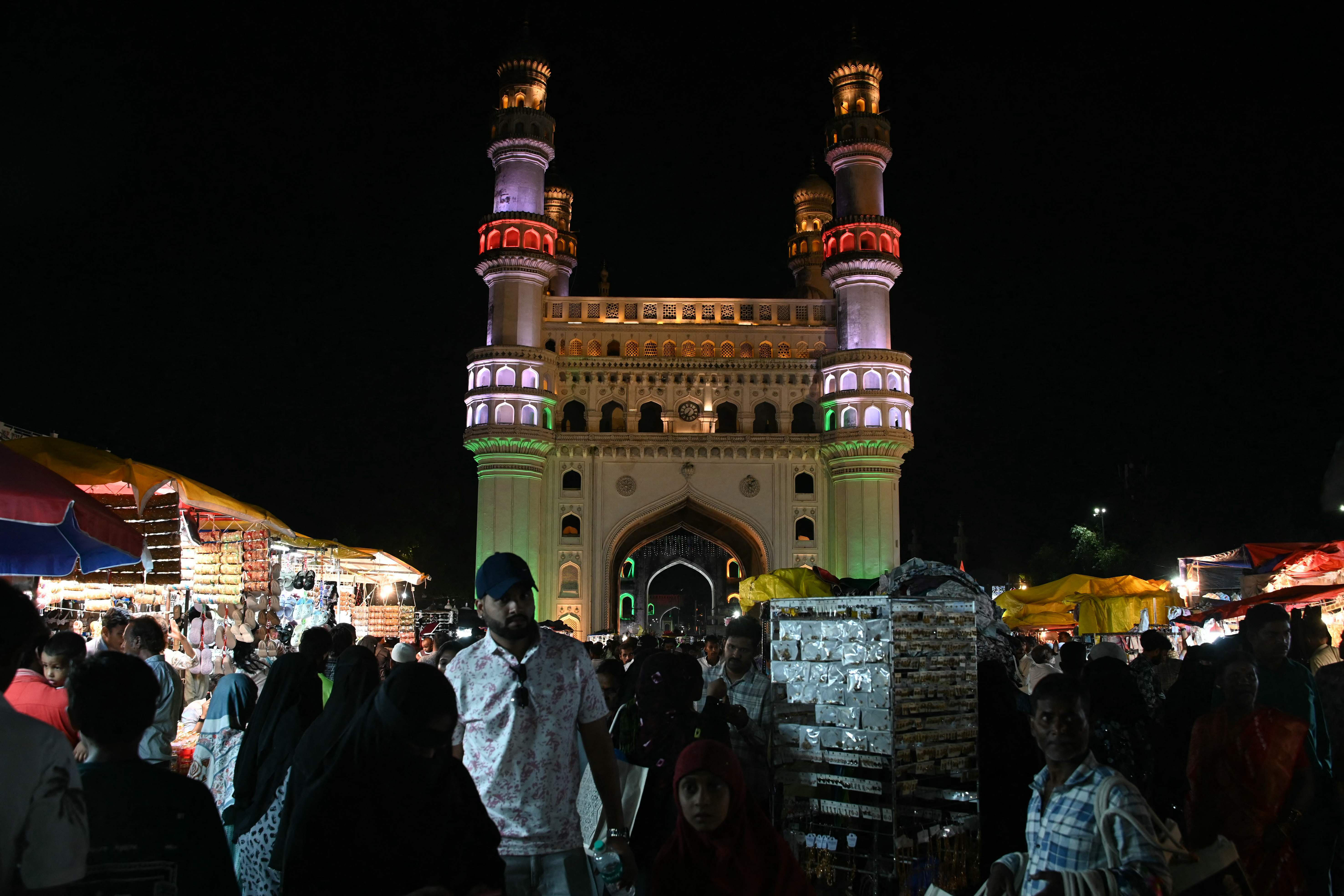
This is a personal story about growing up around Hyderabad’s many cultures and histories.
The narrator remembers grand houses, palaces, markets, foods, crafts, music, films, and family traditions.
Some memories come from wealthy and aristocratic circles, while others come from ordinary city streets and shops.
Hyderabad’s old buildings and customs are shown beside its newer roads, metro, technology, and growing towers.
The narrator feels especially attracted to Islamic art, architecture, clothing, food, and poetry.
At the same time, the narrator questions traditions that restrict women and separate people by caste, religion, or wealth.
Family rituals and objects from different faiths appear together, but the narrator says this does not always create true equality.
The story therefore celebrates Hyderabad’s cultural richness while examining the unfairness within some inherited traditions.
It ends with the narrator choosing not to accept every part of that inheritance.

A first-person memoir traces Hyderabad through family memories, aristocratic connections, historic sites, food, crafts, and music.
The narrator recalls elite social worlds involving palaces, polo, art events, heritage homes, and influential Hyderabad families.
Childhood experiences included Vidyaranya school, Telugu-language learning, family connections to public health, cinema, and the city’s old neighborhoods.
The account contrasts Hyderabad’s preserved monuments and traditions with modern transport, development, technology, and changing cultural institutions.
Although drawn to Islamic art, architecture, cuisine, and poetry, the narrator rejects inherited systems in which caste, religion, gender, and class limit belonging.
- Who
- The unnamed first-person narrator, the narrator’s relatives, and Hyderabad’s aristocratic, artistic, religious, and cultural figures.
- What
- A reflective memoir about Hyderabad’s history, family lineages, cultural traditions, social privilege, and the narrator’s rejection of inherited inequality.
- Where
- Hyderabad, including Banjara Hills, the Old City, Goshamahal, Moazzam Jahi Market, historic palaces, museums, schools, and family homes.
- When
- The memories span the narrator’s childhood, the 1980s and 1990s, and reflections on contemporary Hyderabad.
- Why
- The narrator examines how Hyderabad has changed while questioning traditions in which caste, religion, gender, and class define belonging.
Cultural Inheritance and Preservation
Questioning Inherited Hierarchies
Hyderabad’s traditions
Cultural Inheritance and Preservation
The city’s architecture, cuisine, crafts, music, rituals, family histories, and preserved monuments represent a rich and distinctive inheritance.
Questioning Inherited Hierarchies
Preserving cultural forms does not automatically preserve equality; the narrator argues that shared objects, houses, or rituals may conceal continuing divisions.
Elite heritage
Cultural Inheritance and Preservation
Aristocratic homes, palaces, historic families, polo, art, and formal customs are presented as part of Hyderabad’s elaborate cultural memory.
Questioning Inherited Hierarchies
The memoir also exposes the privilege and social stratification surrounding that world, including unequal access to education, clothing, wealth, and belonging.
Religious and family traditions
Cultural Inheritance and Preservation
The narrator finds beauty in Islamic architecture, cuisine, poetry, Hindu rituals, classical music, manuscripts, and objects displayed together.
Questioning Inherited Hierarchies
The narrator refuses to inherit systems that restrict women or require people to remain within fixed caste and religious identities, arguing that coexistence is not necessarily common ground.
Key facts
- Central setting
- Hyderabad and its historic neighborhoods, palaces, markets, homes, schools, and cultural venues.
- Family background
- The narrator describes relatives connected to government, music, cinema, public health, heritage, and Hyderabad’s aristocratic circles.
- Cultural traditions
- The memoir discusses Deccani textiles, zardozi, bidri, varq, miniature painting, Kathak, veena music, Telugu traditions, and Urdu cultural life.
- Historic places
- Sites mentioned include the Charminar, Qutb Shahi and Paigah tombs, British Residency, Chowmahalla Palace, Falaknuma Palace, and Salar Jung Museum.
- Food memories
- Foods include biryani, haleem, lukhmi, Irani chai, Osmania cookies, naan, Qabooli pilaf, Andhra pickles, and banana-leaf meals.
- Modern change
- The narrator contrasts older city life and tangible filmmaking with metro travel, vertical development, green screens, visual effects, and Dolby Atmos.
- Social criticism
- The narrator challenges restrictions connected to menstruation, widowhood, caste identity, religious boundaries, economic dependence, and gender.
Sources
Related news
India's 80th Independence Day: Sen and Chaterji reflect on freedom
The Republic in 6 yards: how the sari binds India
Kareem Confronts His Dead Wife’s Return in Thriller
Mae Salong Tea Pilgrimage Reconnects Memory, History, and Environmental Costs
From Irani Chai to Specialty Coffee: Hyderabad's Taste Evolves
Sujeeth Confirms Pawan Kalyan’s OG Sequel Amid Injury Recovery
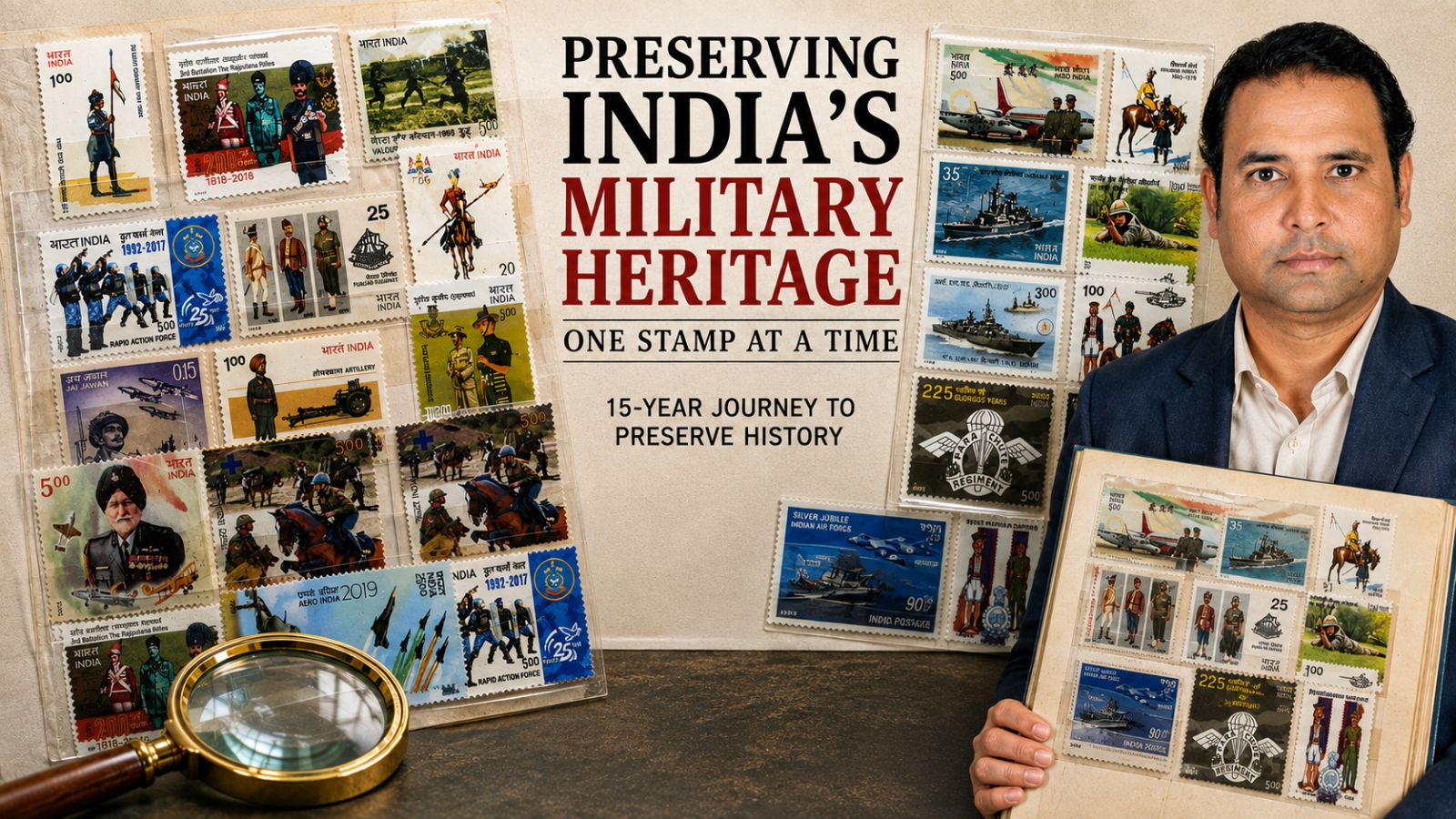
Pune photographer preserves India's military history through rare stamps

Vice-President pays tributes to freedom fighters on 80th Independence Day

West Bengal CM Adhikari Orders Arrests Over Netaji Insults