6 days ago
Assam Estate Produces India’s First Commercial Matcha
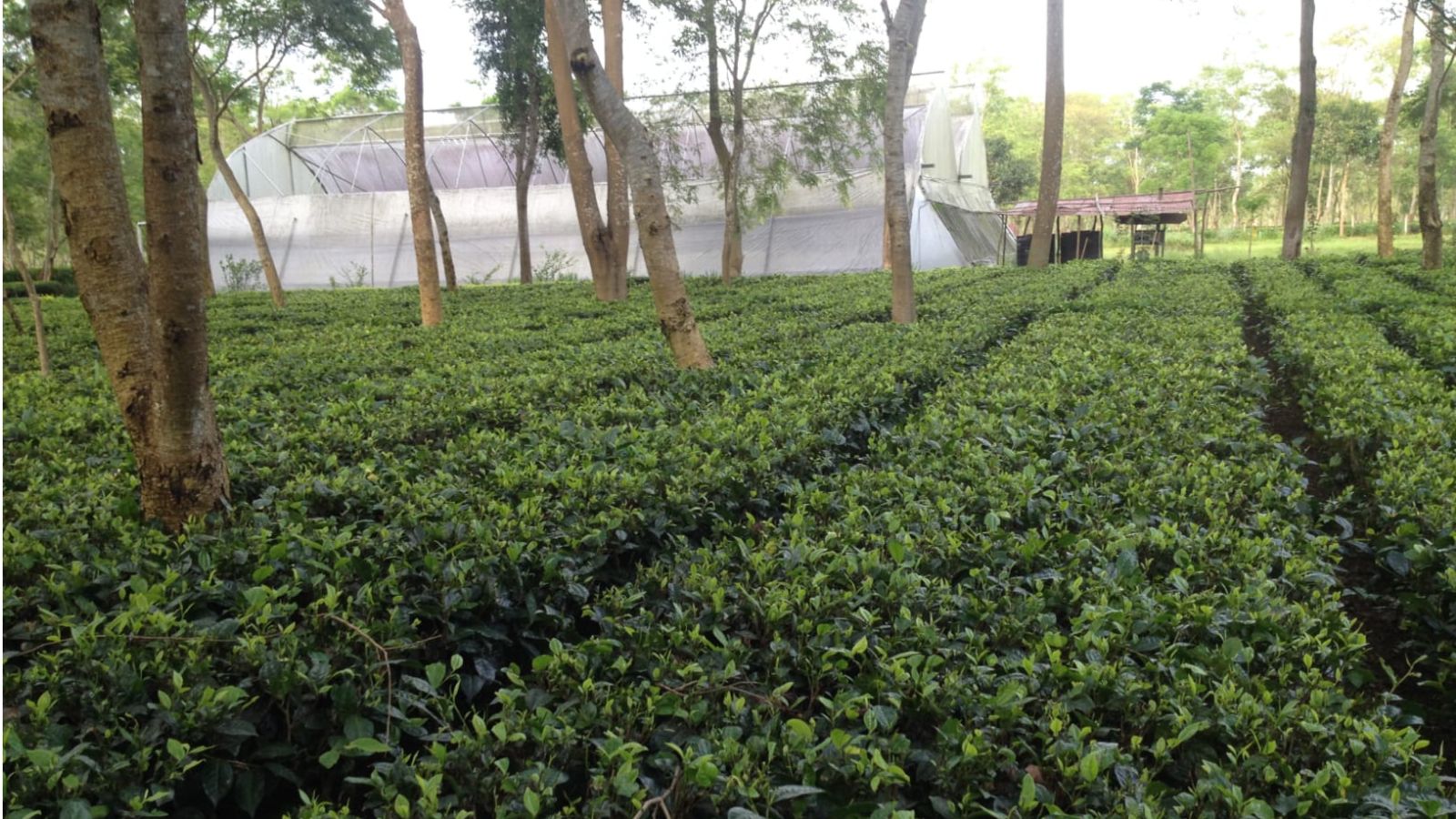
A tea estate in Assam, India, usually known for black tea, has started making matcha.
Matcha is a finely prepared green tea connected with Japan.
The idea came from Mrityunjay Jalan, whose family has grown tea for generations.
His family received help from the Hara family in Japan, with whom they have been friends for decades.
Japanese experts taught workers how to make green tea without letting the leaves wither.
The team also changed Japanese methods to fit Assam’s weather and tea plants.
The leaves are shaded before being picked and processed soon after harvest.
Chota Tingrai sold its first commercial matcha batch in July 2026.
The estate hopes specialty teas can create more value while black tea remains important to Assam.

Chota Tingrai Tea Estate in Assam developed matcha after years of experimentation and Japanese training.
The project grew from a decades-old friendship between the Jalan and Hara tea-growing families.
Japanese tea expert Masanori Yanagawa trained workers to adapt green-tea methods to Assam’s climate and leaves.
The estate sold its first five-kilogram commercial batch on July 3, 2026, for Rs 3,000 per kilogram.
The matcha fetched roughly 12 times the average Guwahati price for conventional CTC leaf and dust teas.
- Who
- Chota Tingrai Tea Estate, director Mrityunjay Jalan, its workers, and Japanese tea collaborators including Shoji Hara and Masanori Yanagawa.
- What
- The estate developed and sold Assam-grown matcha commercially for the first time.
- Where
- Chota Tingrai Tea Estate in Tinsukia district, Assam, with the batch sold through the Guwahati Tea Auction Centre.
- When
- The first commercial batch was sold on July 3, 2026, after Japanese-style green-tea production began in 2016 and years of matcha experimentation.
- Why
- The project aimed to produce authentic green tea, create higher-value specialty tea, and help Assam’s tea industry respond to rising costs and narrower margins.
Specialty Tea Expansion
Traditional Black Tea Identity
Assam’s tea future
Specialty Tea Expansion
Mrityunjay Jalan argues that specialty teas such as matcha can add value and help estates manage rising production costs and narrower margins.
Traditional Black Tea Identity
Jalan says black tea will remain special because it gives Assam its identity and cannot be replaced by specialty teas.
Production approach
Specialty Tea Expansion
The estate adapted Japanese green-tea techniques to Assam’s harvesting patterns, climate, and tea varieties rather than relying only on conventional black-tea production.
Traditional Black Tea Identity
Traditional black-tea methods remain deeply established at the estate, including withering, which is important for black tea but unsuitable for matcha.
Tea’s wider use
Specialty Tea Expansion
Jalan sees tea as a diverse product that can be used in desserts, drinks, tastings, and tourism experiences to reach new consumers.
Traditional Black Tea Identity
The article presents conventional chai, orthodox tea, and CTC tea as the forms that still largely define India’s tea market and Assam’s established reputation.
Key facts
- Estate
- Chota Tingrai Tea Estate, spread across more than 1,000 acres in Assam’s Tinsukia district.
- Product
- The estate calls its matcha “Matcha Assamica.”
- First commercial sale
- Five kilograms were sold on July 3, 2026.
- Matcha price
- Rs 3,000 per kilogram.
- Conventional tea comparison
- Guwahati CTC leaf and dust teas averaged Rs 259.27 per kilogram in the week ending July 4, 2026.
- Training
- Japanese tea expert Masanori Yanagawa spent nearly three years at Chota Tingrai, from 2016 to 2019.
- Processing
- Leaves are shaded before harvest, picked as early as 4 am, and steamed, rolled, and dried over two to three hours.
Quotes
Masanori Yanagawa
Japanese tea expert who trained Chota Tingrai’s team
“In 2016, Mrigendra Jalan and his son, Mrityunjay, approached us with the idea of producing green tea in India. We consulted with a machinery manufacturer to design a production line that would minimise breakdowns, ensuring reliability even in India, far from Japan.”
 indianexpress.com
“I carefully observed the condition of the fresh leaves every day and adjusted each stage of manufacturing, including steaming, rolling, drying, and quality control, to suit Assam’s tea leaves rather than simply applying Japanese methods without modification.”
indianexpress.com
Sources
Related news
Jalpaiguri Handmade Tea Wins Premium Prices, Foreign Interest
Mae Salong Tea Pilgrimage Reconnects Memory, History, and Environmental Costs

Dilmah Bets on India’s Untapped Fine Tea Opportunity

Makaibari launches collective to boost Darjeeling small growers
Luxmi Tea Launches Makaibari Collective With Small Growers

Japan Cricket Boss Defends Asian Games Facilities Against Concerns

Mitsubishi Revives Pajero With 201PS Fifth-Generation SUV

Europe's Bond Selloff Deepens as Middle East Tensions Lift Oil

Uday Kotak Warns Global Bond Markets Face Roller-Coaster Volatility

Global Bond Sell-Off Pushes Japan Yields To 30-Year High