1 day ago
Minoo Masani’s Vision for an Anti-Communist Asian Alliance
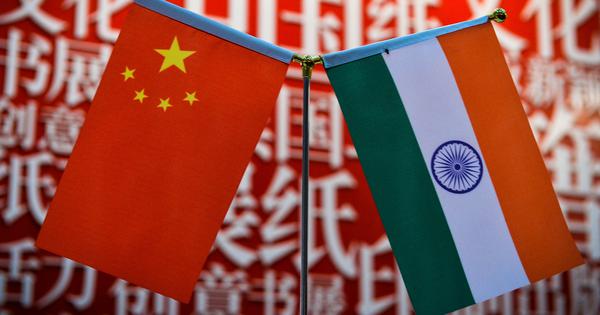
Minoo Masani was an Indian politician who worried that communism threatened India and other Asian countries.
He became especially concerned after communist China took control of Tibet.
Unlike Jawaharlal Nehru, he did not want India to stay mostly separate from the rival Cold War blocs.
Masani wanted India, Japan, Australia, New Zealand, and other Asian democracies to work together.
He also believed the United States should support this group with military aid.
After China attacked India in 1962, his idea received more attention, but Nehru rejected it.
Masani sometimes treated different communist countries as one united danger, even when China and the Soviet Union were becoming rivals.
Later, when China and the United States improved relations, Masani changed his view and supported better India-China ties.
His ideas are discussed today because India is again working more closely with the United States and Asian partners, although India still prefers strategic autonomy.

Minoo Masani promoted closer Indian ties with the United States and an anti-communist alliance of Asian democracies.
He developed this position after communist China took control of Tibet and a communist insurgency emerged in India.
Masani viewed China’s challenge as both a military threat and an ideological attack on democratic freedoms.
During the 1962 India-China war, his allies proposed collective Asian security, but Jawaharlal Nehru rejected the idea.
Masani later urged India to normalize relations with China rather than become dependent on the Soviet Union.
- Who
- Minoo Masani, Jawaharlal Nehru, and Indian foreign-policy policymakers; the proposed alliance would have included Asian democracies and received United States backing.
- What
- The article examines Masani’s proposal for an anti-communist Asian alliance and his broader argument for closer India-United States ties.
- Where
- India and the wider Asian region, including countries from India to Japan, Australia, and New Zealand.
- When
- The debate developed from the 1950s through the early 1970s, with the 1962 India-China war serving as a key moment.
- Why
- Masani believed communist China posed a military and ideological threat to India and that cooperation with democratic countries could strengthen Indian security.
Nehruvian Non-Alignment
Masani’s Liberal Internationalism
Asian security order
Nehruvian Non-Alignment
Jawaharlal Nehru favored non-alignment, a zone of peace, and long-term development of India’s own industrial and military strength.
Masani’s Liberal Internationalism
Minoo Masani favored an anti-communist coalition of Asian democracies supported by the United States.
Approach to China
Nehruvian Non-Alignment
Nehru initially sought to reassure China and preferred managing the wider Asian order without intensifying superpower rivalry.
Masani’s Liberal Internationalism
Masani viewed communist China as a broader authoritarian and ideological threat extending beyond India’s frontier.
External partnerships
Nehruvian Non-Alignment
India largely emphasized internal balancing and later moved closer to the Soviet Union, while maintaining strategic autonomy.
Masani’s Liberal Internationalism
Masani urged India to accept military aid from the United States and other democracies, and later criticized India’s dependence on the Soviet Union.
Key facts
- Central figure
- Minoo Masani, founding leader of the Swatantra Party
- Main proposal
- An anti-communist regional alliance involving Asian democracies, Australia, and New Zealand
- Role of the United States
- Masani believed United States backing was necessary for an effective regional security alliance
- Key turning point
- China’s 1962 attack on India increased attention to Masani’s security arguments
- Nehru’s position
- Jawaharlal Nehru rejected a proposed collective Asian security venture, citing inadequate material capability
- Later reassessment
- By the early 1970s, Masani favored normalizing India’s relations with China
- Continuing relevance
- The article connects Masani’s ideas to India’s closer cooperation with the United States and Asian partners
Sources
Related news
Panikkar’s Maritime Vision Exposes India’s Strategic Autonomy Tension
Gor’s Kashmir Statement Signals Shift in US Position

Naravane Says China Is India’s Main Long-Term Competitor
Why India Need Not Lose Sleep Over Saudi-Pakistan-Turkiye Deal

Yayoi Kusama, Artist Who Covered The World In Dots, Dies
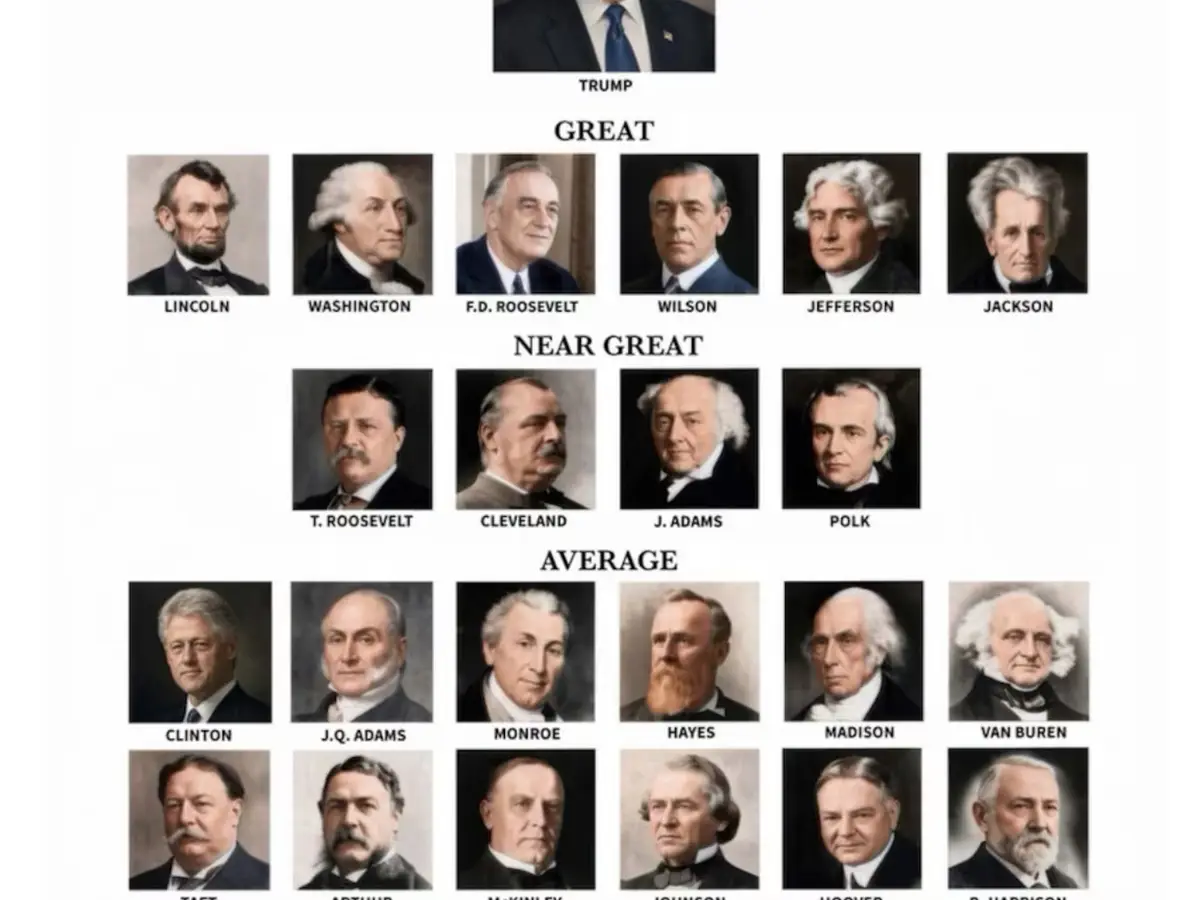
Trump Ranks Himself Above Washington and Lincoln as Greatest

Nancy Kissinger, Widow of Henry Kissinger, Dies at 92

Why India Should Look Beyond Gor’s Kashmir Remarks