1 hr ago
Trump administration weighs chip tariffs amid AI industry warnings

The Trump administration is thinking about putting new taxes, called tariffs, on computer chips.
The tariffs might also apply to laptops, game consoles and data-centre servers.
Technology companies worry this would make important chips more expensive.
They also say the United States still needs to import many advanced chips while new factories are being built.
This could make it harder and slower to build the data centres needed for artificial intelligence.
Some companies fear they might delay or cancel planned projects.
The White House says bringing chip factories to the United States is a major priority.
Officials are considering ways to connect tariff relief with investments in American chip manufacturing.
The plan is still being discussed and could change.

The Trump administration is considering broad tariffs on semiconductors and products containing them.
Potentially affected products include laptops, gaming consoles and data-centre servers.
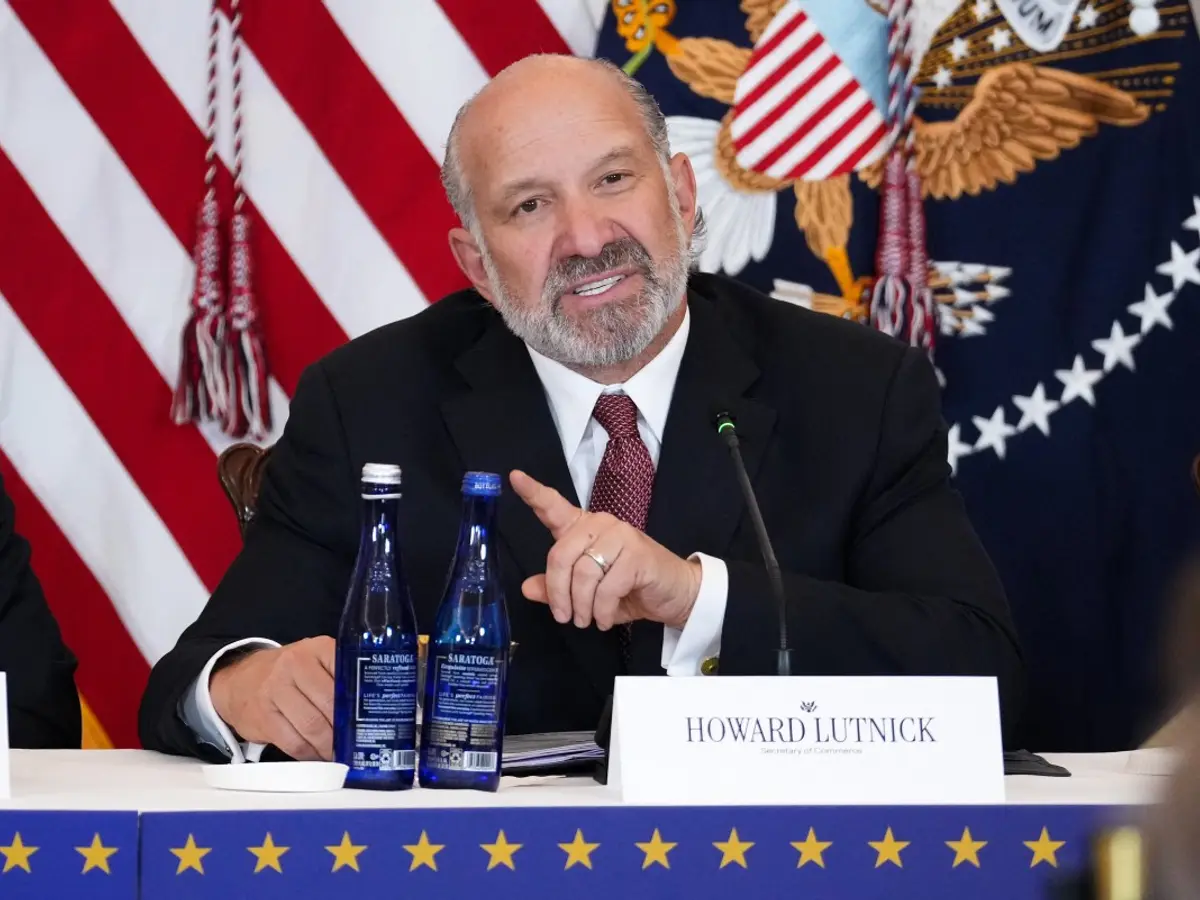
Commerce Secretary Howard Lutnick supports linking tariff relief to foreign companies’ US semiconductor investments.
Technology companies warn tariffs could raise chip costs, worsen shortages and delay AI data-centre projects.
The White House says reshoring semiconductor manufacturing supports investment, economic relief and national security.
- Who
- The Trump administration, technology companies, industry lobbyists and semiconductor manufacturers are involved in the discussions.
- What
- Officials are considering sweeping semiconductor tariffs that could also cover products containing chips, while technology companies lobby for exemptions or narrower duties.
- Where
- The policy would affect the United States and companies reliant on semiconductor imports from Asian suppliers, including Malaysia, South Korea and Taiwan.
- When
- The proposal is under discussion and could change in the coming weeks or months; the article gives no specific date.
- Why
- The administration says the tariffs could encourage semiconductor manufacturing in the United States, while technology companies say they could raise costs and undermine US artificial-intelligence ambitions.
Technology industry concerns
Administration’s tariff strategy
Effect on chip costs and supply
Technology industry concerns
Technology companies warn that tariffs could make imported advanced chips more expensive and harder to obtain during shortages.
Administration’s tariff strategy
The administration is considering tariffs to encourage greater semiconductor manufacturing investment in the United States.
Impact on artificial-intelligence expansion
Technology industry concerns
Industry representatives say higher costs and tighter chip access could delay or cancel data-centre projects and weaken US AI ambitions.
Administration’s tariff strategy
The White House says policies have already secured hundreds of billions of dollars in semiconductor-sector investments and remain focused on long-term US capabilities.
Scope and exemptions
Technology industry concerns
Technology companies want duties to resemble earlier tariffs that broadly exempted data centres and other domestic uses.
Administration’s tariff strategy
Officials are considering a wider structure that could cover products containing chips and may phase in the tariffs.
Key facts
- Possible tariff scope
- Semiconductors, laptops, gaming consoles and data-centre servers could be covered.
- Policy condition under consideration
- Tariff relief for foreign companies could be linked to investment in US semiconductor manufacturing.
- Advanced-chip dependence
- US companies remain heavily dependent on imported chips while domestic capacity expands.
- Taiwan’s role
- Taiwan produces more than 90% of the world’s most advanced semiconductors, according to the report.
- Industry concern
- Companies warn tariffs could raise costs, intensify shortages and delay or cancel data-centre projects.
- White House position
- The administration says reshoring semiconductor manufacturing is a top priority tied to investment, economic relief and national security.
- Status
- The proposal remains fluid and could undergo significant changes.
Quotes
Kush Desai
White House spokesperson
“Reshoring semiconductor manufacturing is a top priority for President Trump”
 livemint.com
Sources
Related news

Trump Administration Weighs Broad New Tariffs on Semiconductors
Trump Administration Weighs New Tariffs on Semiconductor Technology
Trump Administration Develops Semiconductor Tariff Relief Plan
US Announces 15% Tariff on Polysilicon to Counter China
Trump orders 15% tariffs on imported polysilicon, solar panels

Why India Must Conserve Forex Despite Strong GDP Growth

CM Vijay Plans Britain Tour to Attract Tamil Nadu Investment

US and Australia Commit $580 Million for Pacific Islands

Tamil Nadu CM Vijay Plans UK Investment Outreach