2 weeks ago
Trump’s Asia Pivot Reverses as U.S. Forces Shift Middle East

The United States has been trying to focus more on Asia, especially on China.
But a U.S. aircraft carrier is being moved from East Asia to the Middle East.
This means there may temporarily be no American aircraft carrier in the Far East.
President Donald Trump also reduced military exercises with South Korea.
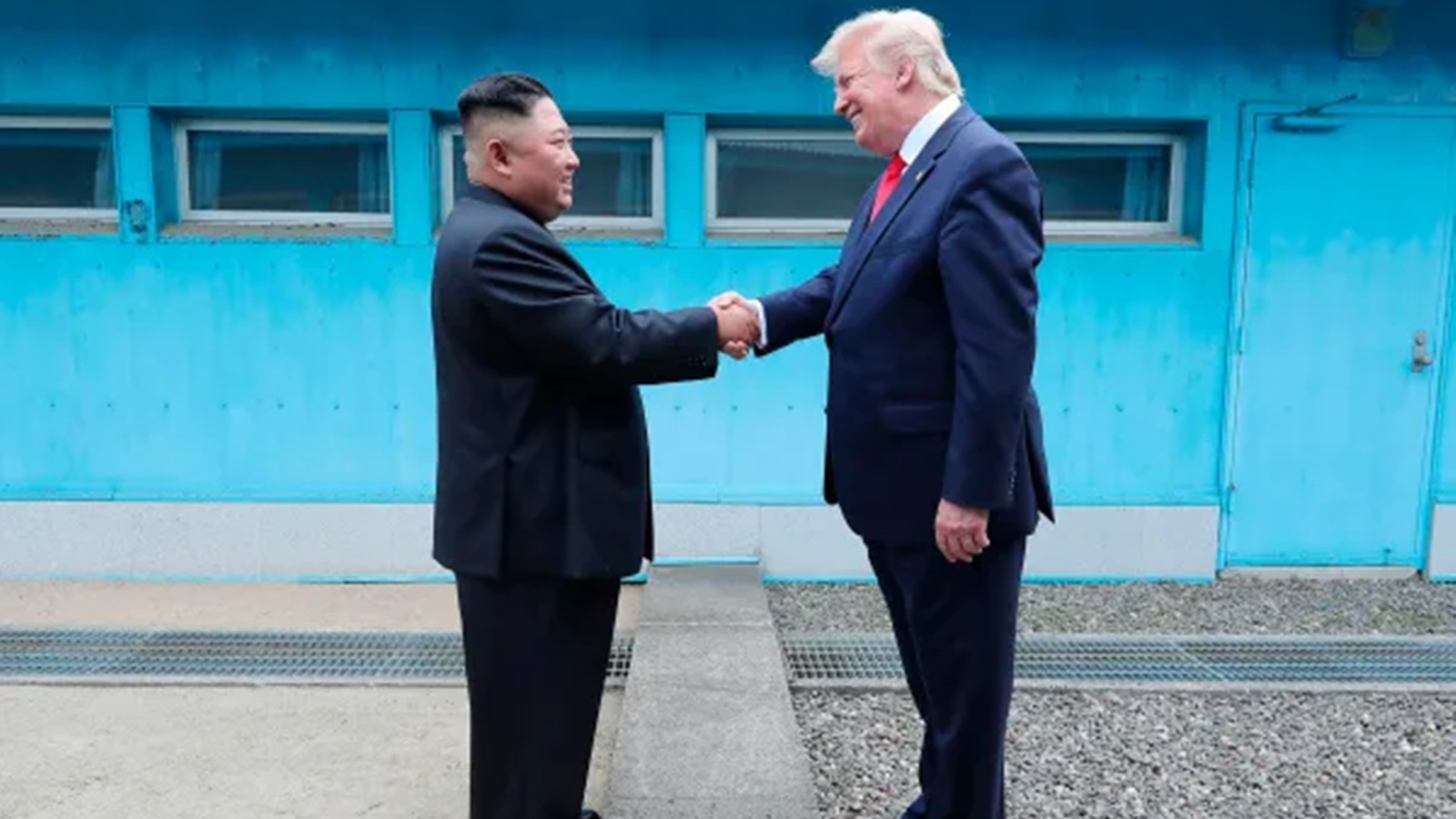
Trump said the exercises were hostile and inappropriate, while describing North Korean leader Kim Jong Un as respectful and not threatening.
The columnist says these choices could make U.S. allies feel less protected.
The article also says they may make it harder to discourage China from threatening Taiwan or the Philippines.
Supporters of the changes could argue that the Middle East war requires military resources right now.
Critics say the moves show that U.S. foreign policy lacks a clear long-term plan.

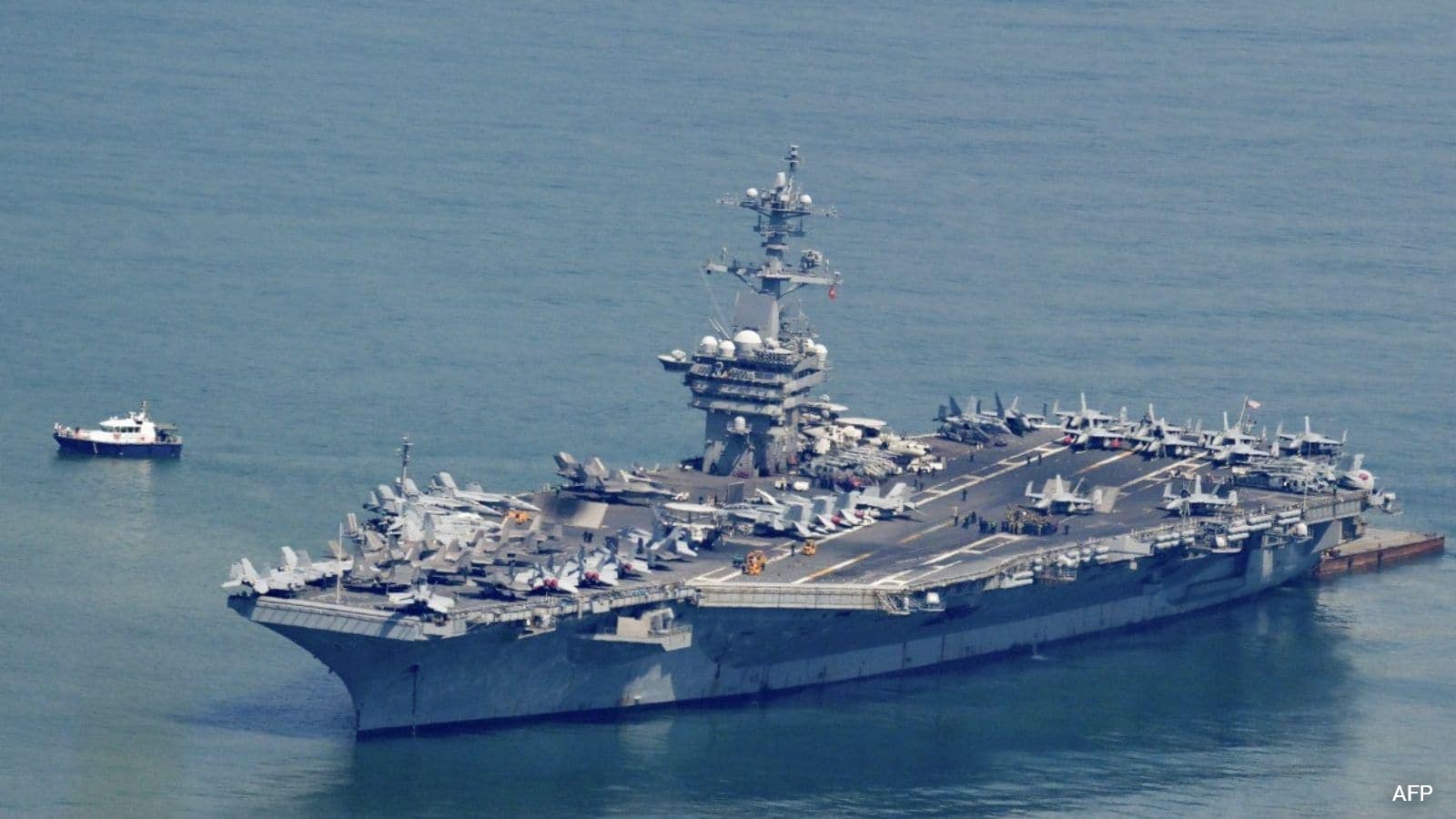
The USS George Washington is reportedly moving from the Far East to the Middle East to replace the USS Abraham Lincoln.
The shift would leave the United States without an aircraft carrier in the Far East for the time being.
Donald Trump reportedly scaled back planned military exercises with South Korea, calling them hostile and inappropriate.
The columnist argues that these decisions weaken deterrence against China and strain U.S. alliances in Asia.
Critics say the administration’s Middle East actions conflict with its stated strategy of preparing for competition with China.
- Who
- The Donald Trump administration, the United States military, South Korea, and U.S. allies and rivals in Asia.
- What
- The United States is shifting an aircraft carrier toward the Middle East and reducing planned military exercises with South Korea.
- Where
- The military shift involves the Far East, the Indo-Pacific, and the Middle East; the exercises involve the Korean Peninsula.
- When
- The changes were reported during the week covered by the article; the columnist also describes related developments occurring this month.
- Why
- The USS George Washington is reportedly replacing the USS Abraham Lincoln in the Middle East, while Trump’s criticism of exercises followed South Korea’s refusal to help fight the war against Iran, according to the article.
Critics of the shift
Administration position
Strategic focus
Critics of the shift
The columnist argues that moving resources to the Middle East abandons the longer-term effort to prepare for competition with China in the Pacific.
Administration position
The administration’s actions indicate that immediate military demands in the Middle East are being prioritized.
South Korea exercises
Critics of the shift
Critics say reducing the exercises could weaken joint defense and make South Korea question whether the United States would honor its mutual-defense treaty.
Administration position
Donald Trump said the drills were “totally inappropriate and hostile,” while portraying North Korea’s leader as respectful and not threatening.
Alliance commitments
Critics of the shift
The article argues that U.S. allies may need to prepare for the possibility that Washington will not fulfill treaty obligations and could consider building their own nuclear arsenals.
Administration position
The administration’s broader approach, as described in the article, emphasizes flexible realism and encourages allies to do more for their own defense.
Key facts
- Carrier movement
- The USS George Washington is reportedly steaming from the Far East toward the Middle East.
- Carrier replacement
- The USS George Washington is expected to replace the USS Abraham Lincoln.
- Far East presence
- The article says the United States will temporarily have no aircraft carrier in the Far East.
- South Korea exercises
- Donald Trump scaled back military exercises intended to prepare the United States and South Korea for a possible North Korean attack.
- Trump’s stated view
- Trump called the exercises hostile and inappropriate and described Kim Jong Un as unthreatening and respectful.
- Strategic concern
- The columnist argues that the changes could weaken deterrence against China and undermine confidence in U.S. treaty commitments.
- Policy phrase
- Elbridge Colby has used the phrase “flexible realism” while discussing the administration’s approach.
Quotes

Richard Fontaine
CEO of the Center for a New American Security
“"Ok. But how do moves in Venezuela, Iran, and possibly Cuba fit into the picture?"”
 livemint.com
“"totally inappropriate and hostile"”
livemint.com
Sources
Related news

Trump’s North Korea Overture Deepens Asian Allies’ Doubts
US Carrier Shift to Middle East Raises Pacific Presence Concerns
USS George Washington Leaves Pacific For Middle East Amid China Aggression
Trump Scales Back South Korea Drills, Alarming Allies
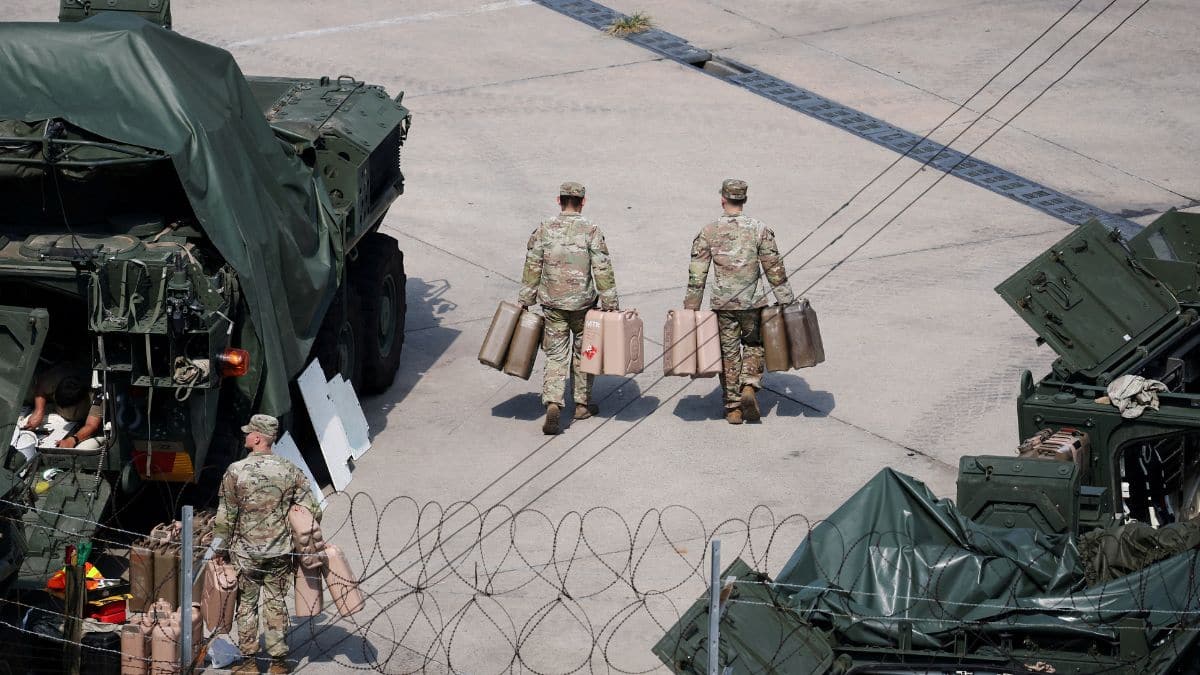
US–South Korea Military Drill Ends Six Days Early
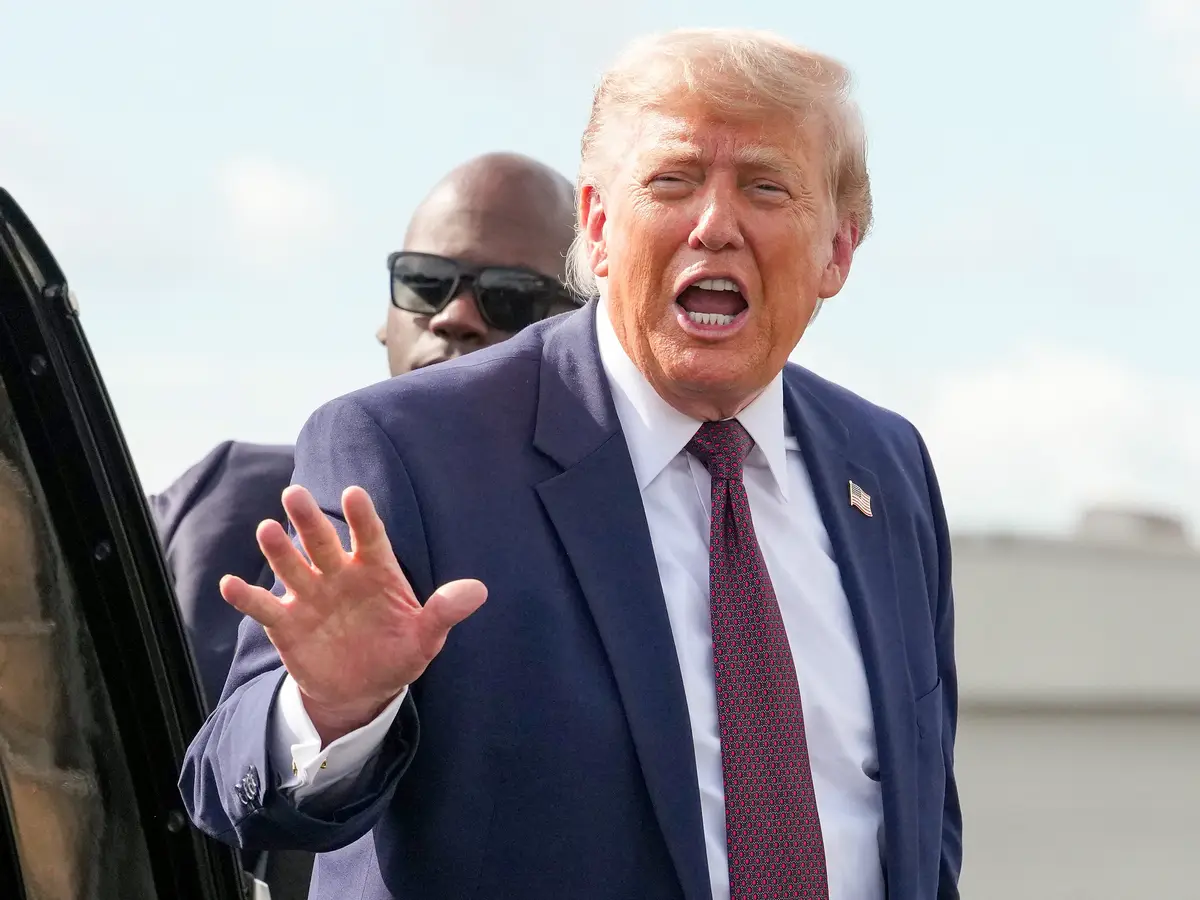
Reed Slams Trump's Downsizing of US-South Korea Military Drills

Trump administration weighs chip tariffs amid AI industry warnings

Why India Must Conserve Forex Despite Strong GDP Growth

CM Vijay Plans Britain Tour to Attract Tamil Nadu Investment
US and Australia Commit $580 Million for Pacific Islands

Tamil Nadu CM Vijay Plans UK Investment Outreach