1 week ago
US–South Korea Military Drill Ends Six Days Early
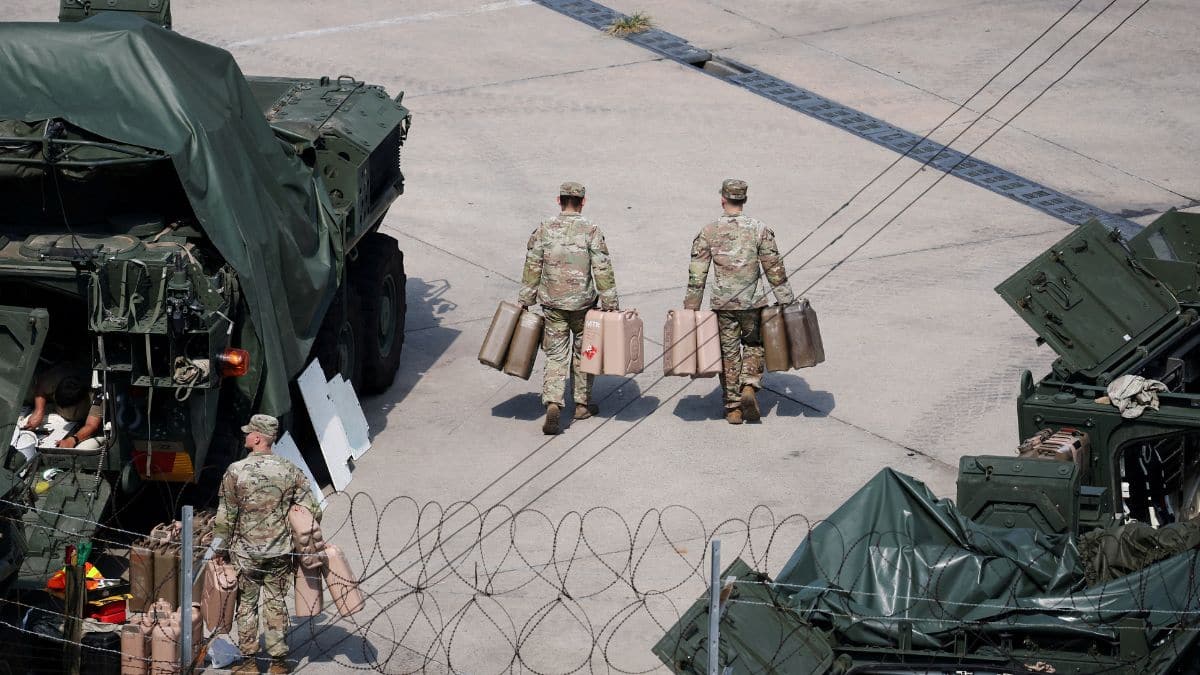
The United States and South Korea hold military exercises to practise defending South Korea.
This year, the exercise ended six days earlier than planned.
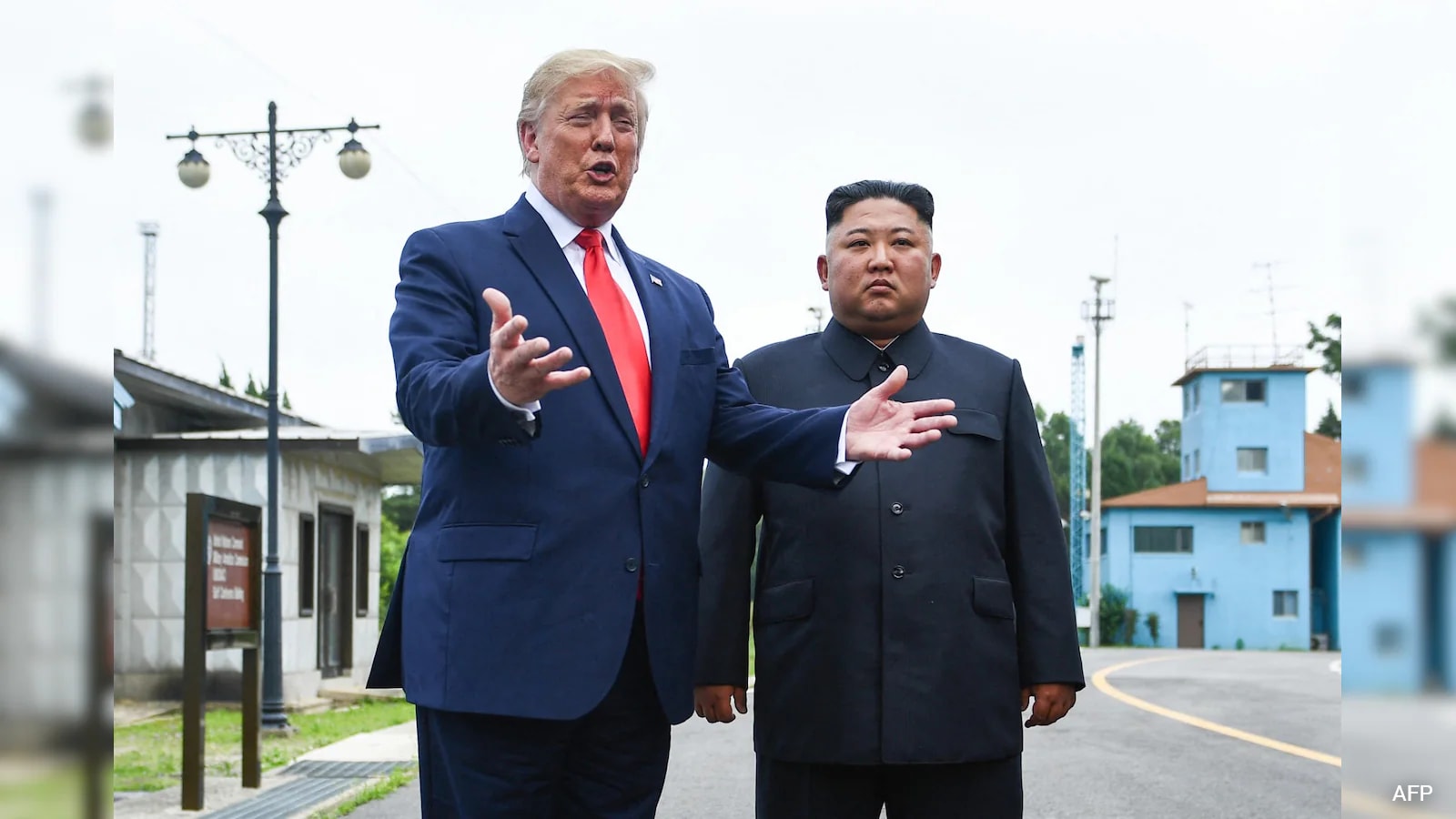
President Donald Trump said the drills were too expensive and too unfriendly toward North Korea.
South Korea did not know beforehand that the exercises would be reduced so much.
Some people worry this could make the US promise to protect South Korea seem weaker.
North Korea still has nuclear weapons and continues developing missiles.
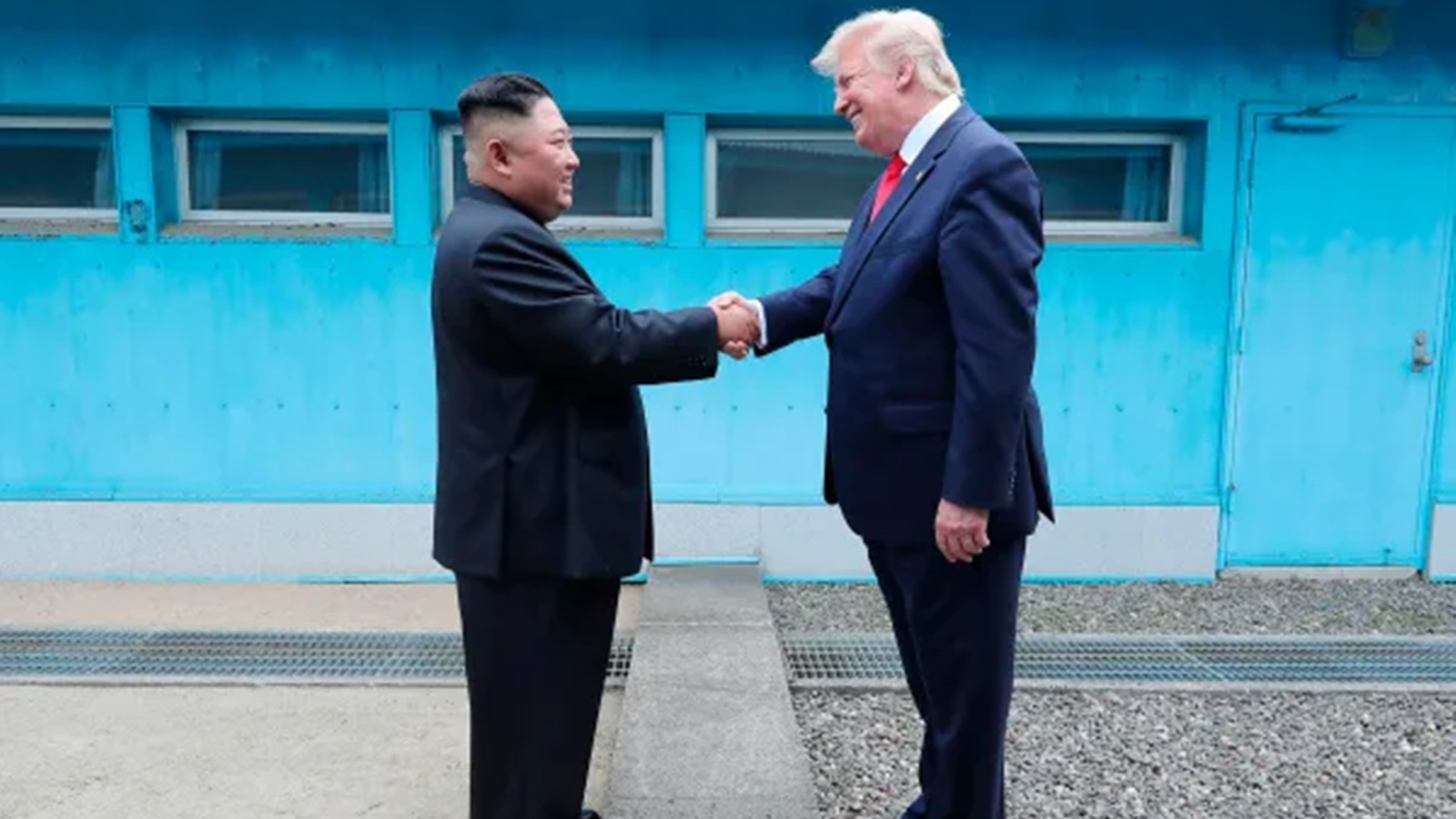
Trump wants to improve his relationship with North Korean leader Kim Jong Un.
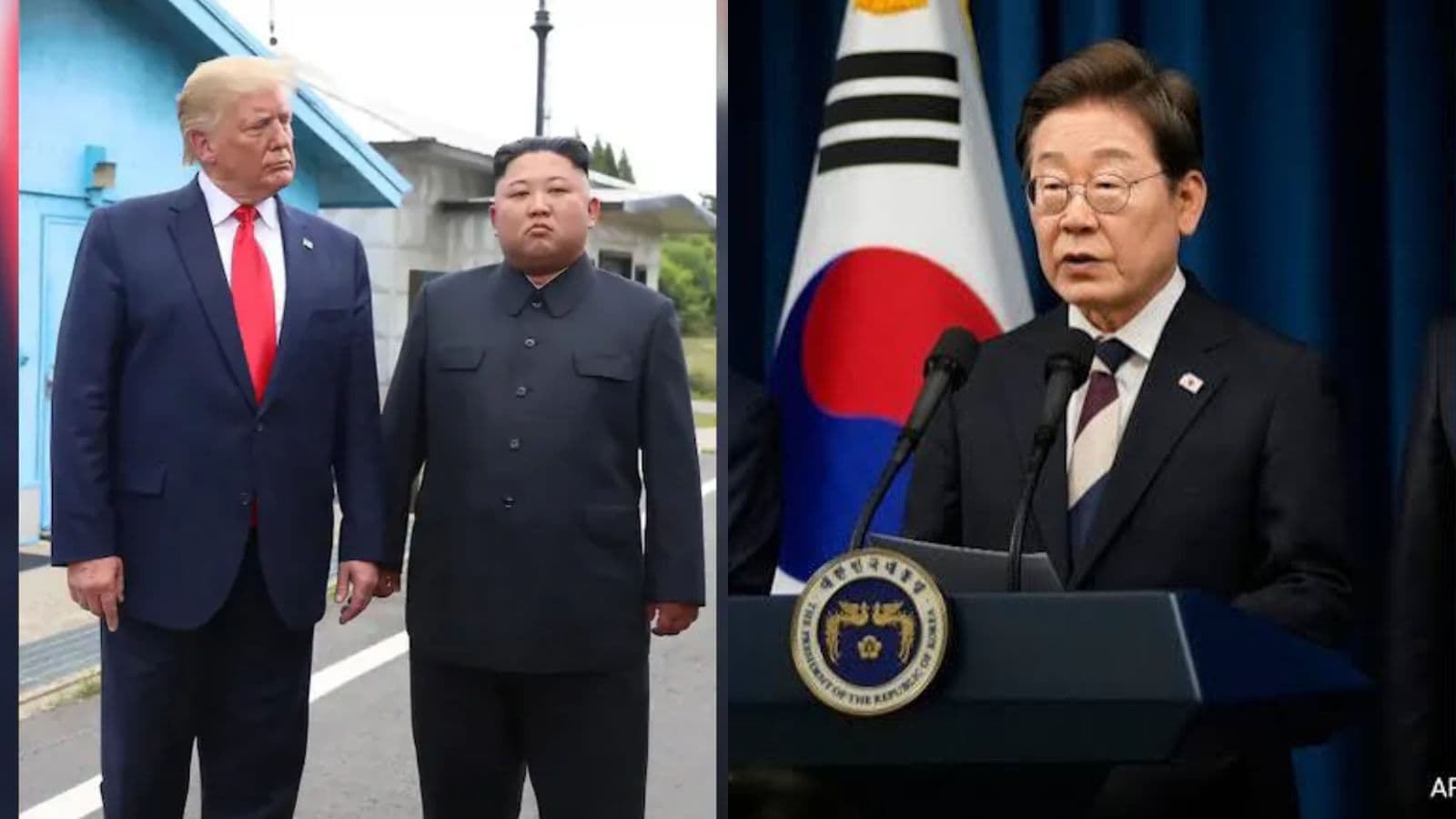
South Korea’s president welcomed the decision but also said his country should spend more on defence.
Experts disagree about whether South Korea should rely on the United States or build its own nuclear deterrence.

The Ulchi Freedom Shield exercise ended Friday after only half its planned programme.
Donald Trump ordered the Pentagon to substantially reduce the drills, calling them hostile and too costly.
South Korea was not told in advance about the scale-back and faces renewed questions about US security commitments.
The decision comes as Trump seeks renewed engagement with Kim Jong Un, while North Korea rejects giving up its nuclear weapons.
South Korea’s president supported greater national defence spending, while some experts urged Seoul to develop its own nuclear deterrence.
- Who
- The United States, South Korea, Donald Trump, North Korea and Kim Jong Un are central to the story.
- What
- The Ulchi Freedom Shield military exercise ended six days early after the United States ordered a substantial reduction.
- Where
- The drills took place in the context of the United States–South Korea alliance and tensions on the Korean Peninsula.
- When
- The exercise ended on Friday; the article does not provide a calendar date.
- Why
- Trump said the exercise was costly and hostile toward North Korea, while the reduction was also linked to efforts to revive engagement with Kim Jong Un.
Supporters of Reducing the Drills
Critics of Reducing the Drills
Military exercise policy
Supporters of Reducing the Drills
Donald Trump described the drills as costly, inappropriate and hostile toward North Korea. South Korean President Lee Jae Myung called the decision a bold step toward peace.
Critics of Reducing the Drills
Critics say the abrupt reduction could weaken confidence in the United States–South Korea alliance and encourage further demands from North Korea.
South Korea’s security
Supporters of Reducing the Drills
Lee Jae Myung said South Korea should take greater responsibility for its own security and pledged to increase defence spending.
Critics of Reducing the Drills
Other South Korean officials and analysts argue that the alliance with the United States remains essential because Seoul has limited ability to defend itself against North Korea alone.
Nuclear deterrence
Supporters of Reducing the Drills
South Korea’s government has argued that developing nuclear weapons is unnecessary and could damage its alliances.
Critics of Reducing the Drills
Advocates such as Cheong Seong-chang argue that South Korea should retain its alliance with Washington while taking steps toward its own nuclear deterrence, especially if the US reduces its regional presence.
Key facts
- Exercise
- Ulchi Freedom Shield
- Duration
- Ended six days earlier than planned, after half of the programme
- South Korean participation
- About 18,000 South Korean troops
- International participation
- 11 other American ally nations
- US troops in South Korea
- Roughly 27,000
- South Korean contribution
- About $1 billion annually toward hosting US troops
- North Korean position
- North Korea says it will not surrender its nuclear weapons
Quotes
Cheong Seong-chang
Vice-president at the Sejong Institute think-tank
“I believe [your social media post] was a bold decision that is the result of your deep consideration to achieve peace”
 firstpost.com
“take steps to acquire its own nuclear deterrence”
firstpost.com
Sources
Related news

US-South Korea Military Drills Cut Short After Trump Order
Trump Scales Back South Korea Drills, Alarming Allies
South Korea Hopeful US-North Korea Talks After Trump Cuts Drills

Trump Orders Smaller U.S.-South Korea Drills, Citing Kim
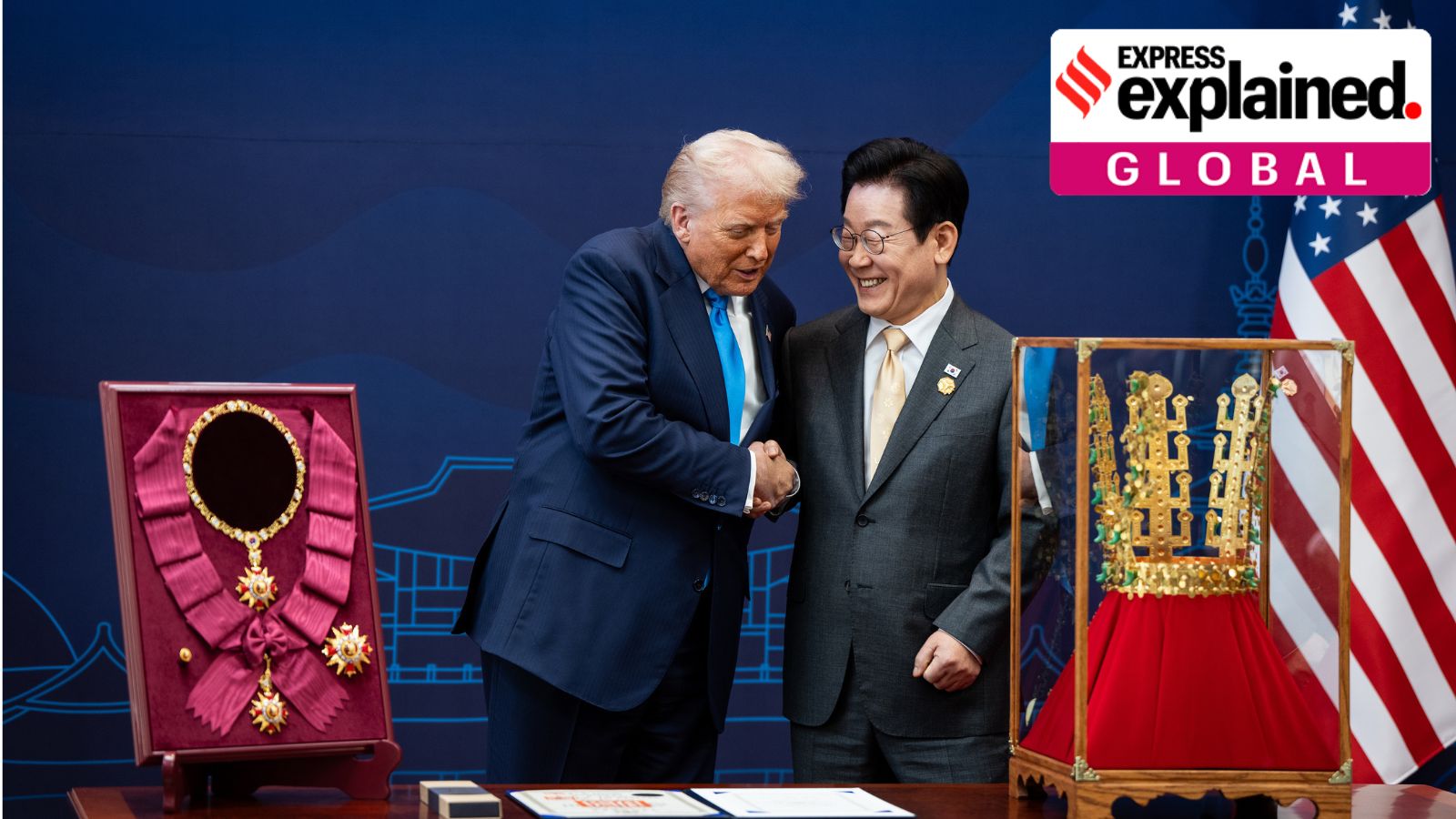
Trump announces cut to US-South Korea military drills
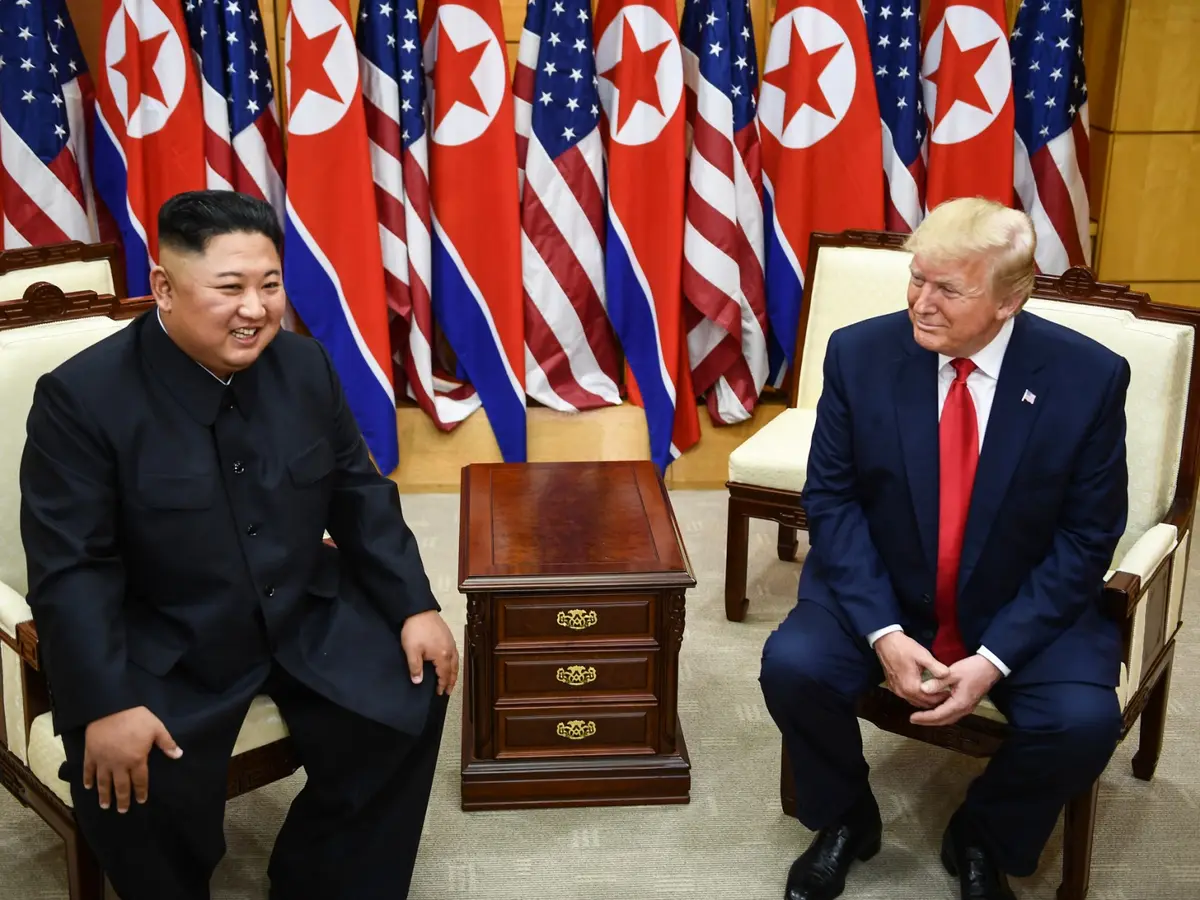
North Korea Condemns US-South Korea Drills Despite Trump Scale-Back
Seoul Says North Korea Prepares More Russia Troop Deployments

North Korea Missile Barrage Spurs Urgent US, Seoul, Tokyo Talks
North Korea Condemns Seoul’s Response to Reduced U.S. Drills