2 weeks ago
US Carrier Shift to Middle East Raises Pacific Presence Concerns
The United States has giant ships called aircraft carriers that carry airplanes and sailors.
These ships help protect America and its friends all over the world.
Right now, America is fighting in a place called the Middle East, near Iran.
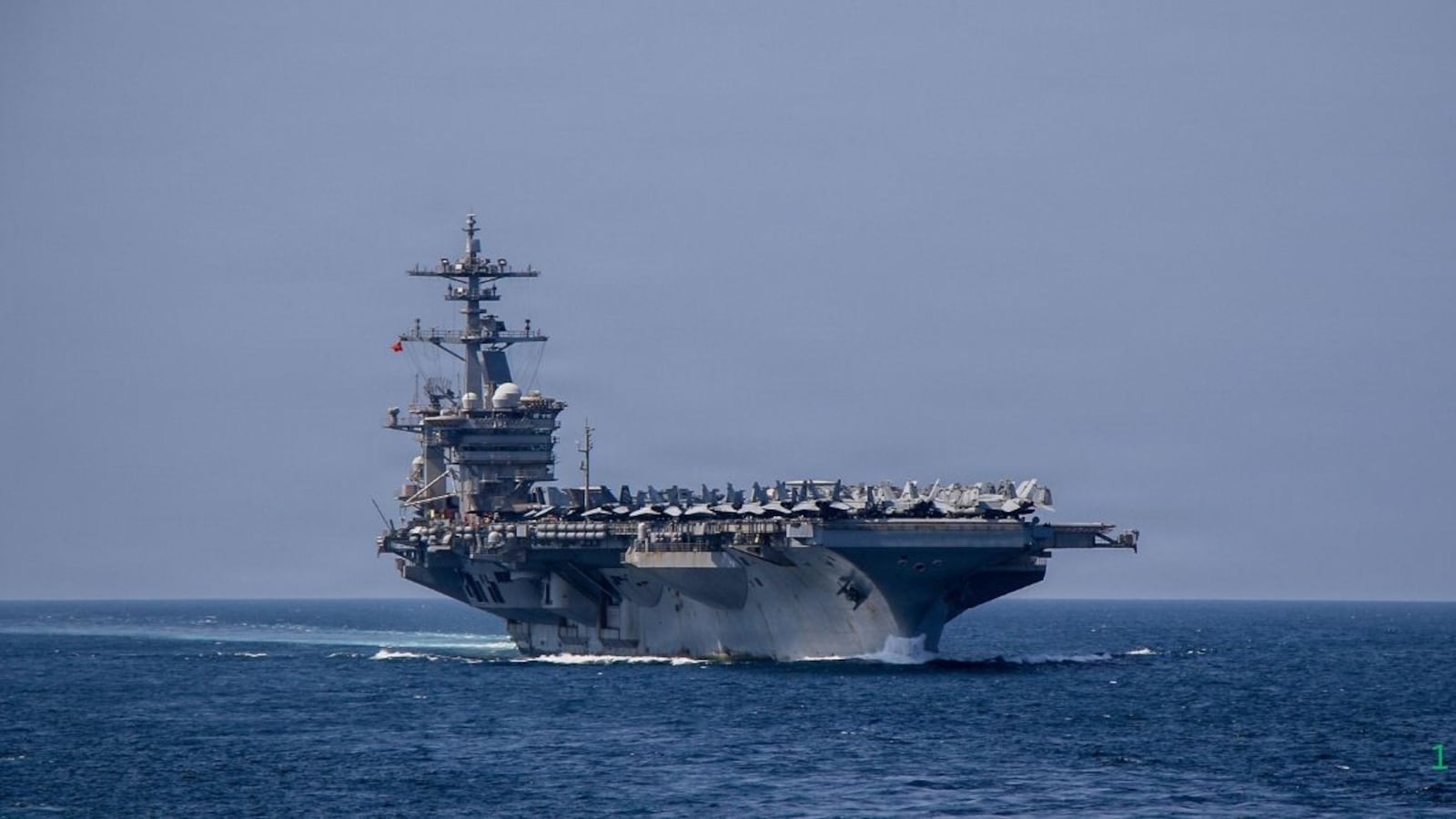
One carrier, the Abraham Lincoln, has been at sea for more than 240 days in a row, which is a very long time.
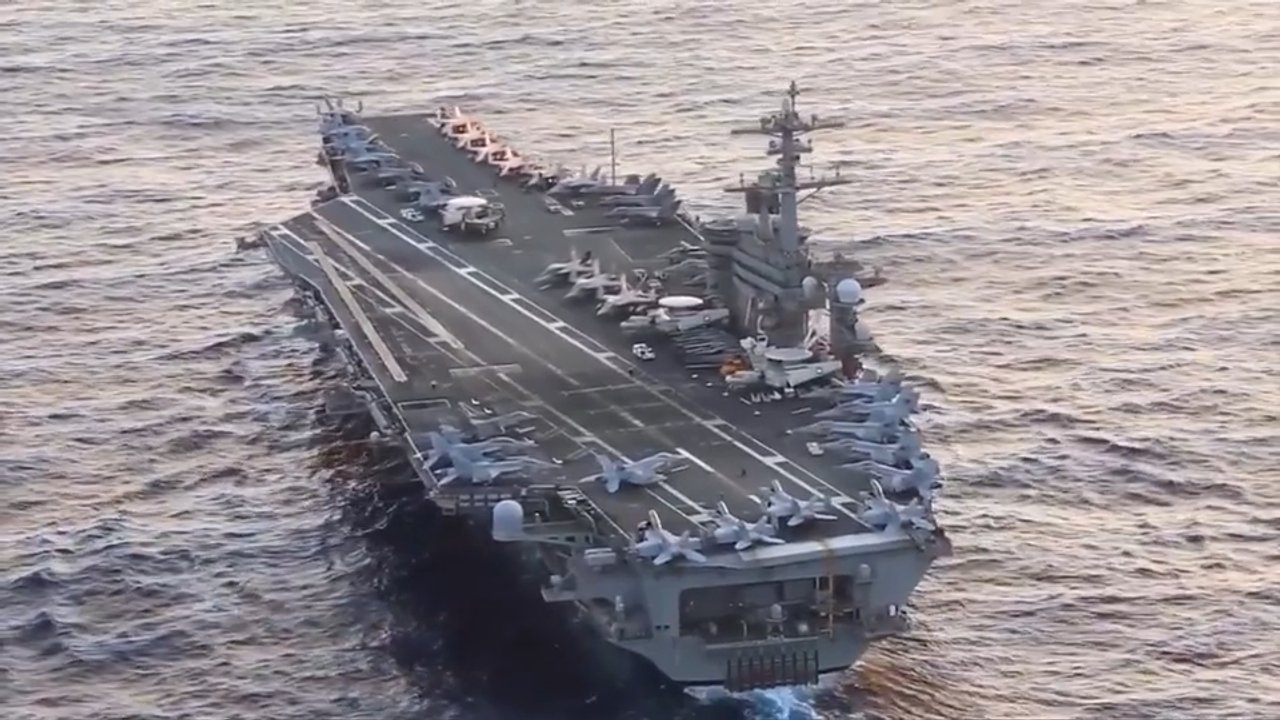
The sailors on it are tired and need rest, so the Navy is sending another carrier, the George Washington, to take its place.
But that means there will be no American carrier in the Pacific Ocean, the big ocean near China.
China has been doing military exercises near other countries, like the Philippines and Japan, to show its strength.
Some experts worry that without a US carrier nearby, China might act even bolder.
American leaders say the US can still protect its friends and will bring carriers back once the Middle East mission is finished.

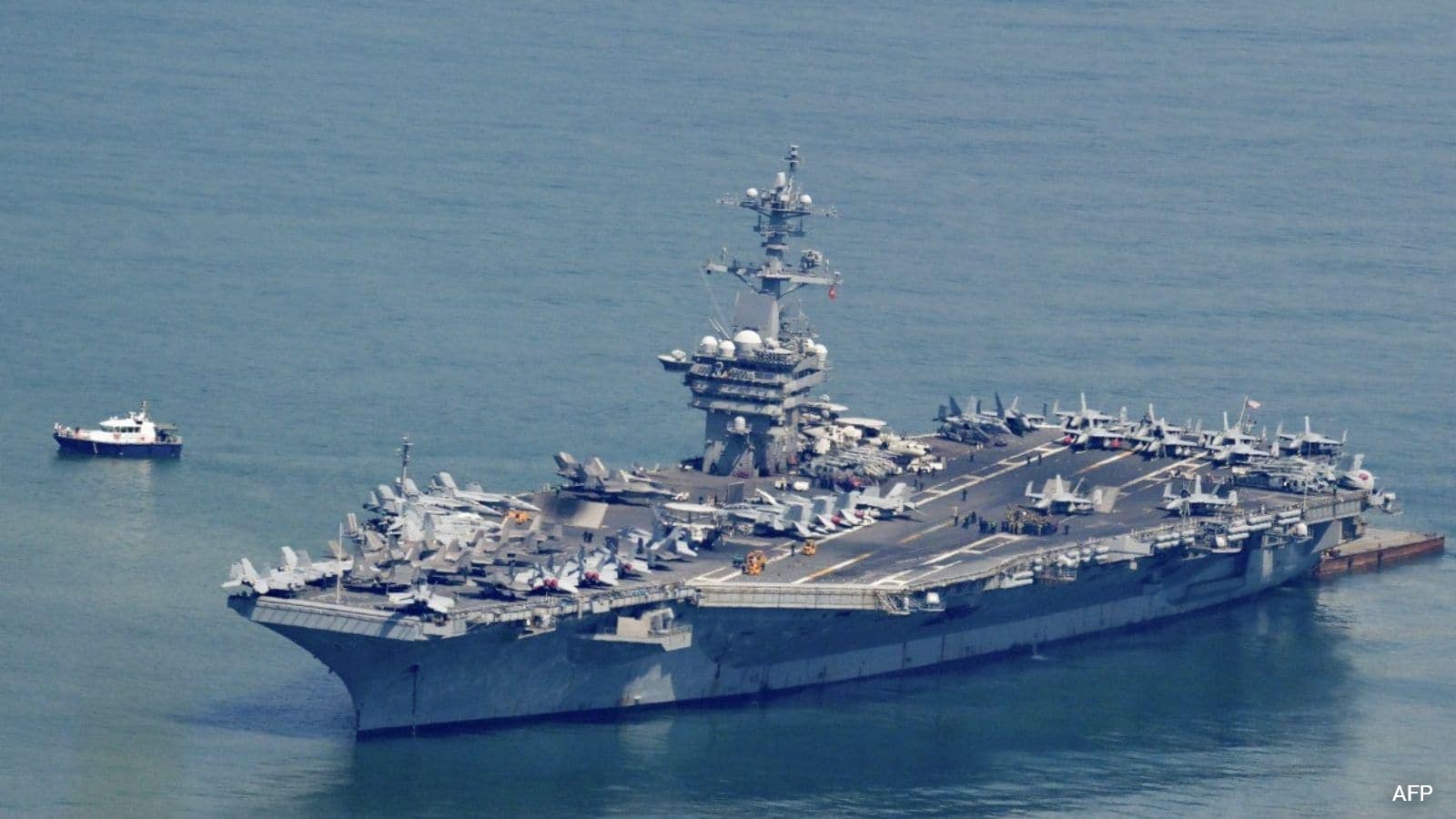
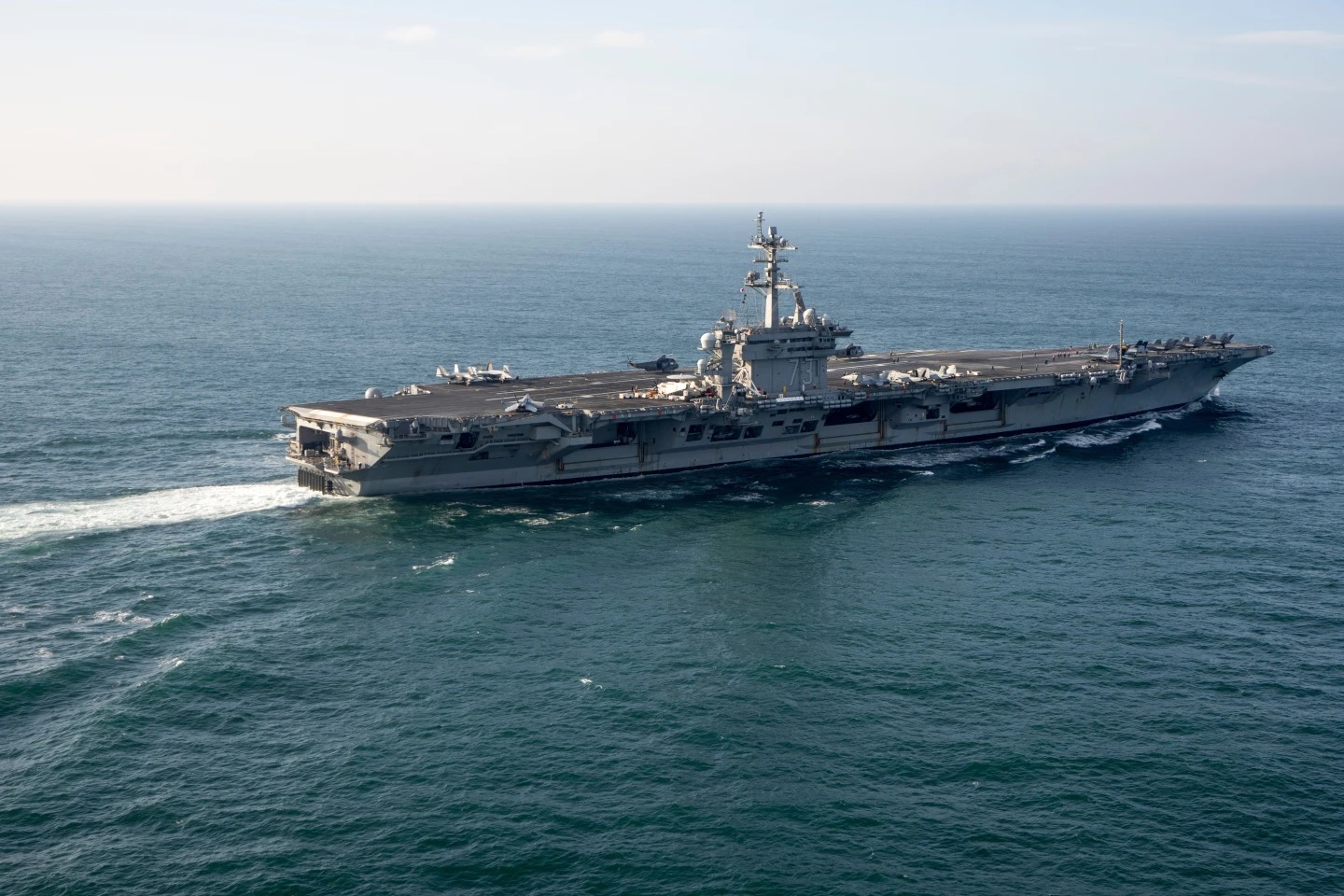
The USS George Washington is departing the Pacific to replace the USS Abraham Lincoln in the Middle East, leaving the western Pacific without a US aircraft carrier.
The Lincoln's deployment was extended beyond its original May return date, and the carrier has spent more than 240 days at sea, raising mental health and supply concerns.
Analysts say China is using the carrier's absence to show strength toward the Philippines, Japan, and Indonesia, with drills near the Scarborough Shoal and off Okinotori.
Adm. Frank Bradley, in Manila on Thursday, told Filipino counterparts that US special operations forces are ready to step up joint exercises.
The Navy has 11 carriers and typically deploys two or three at a time; the USS Theodore Roosevelt could leave San Diego for the Middle East, but maintenance backlogs are expected.
The USS Gerald R. Ford, which supported operations against Iran and the capture of Venezuela's then-leader Nicolás Maduro, returned home in mid-May after an 11-month deployment, the longest since the Vietnam War.
- Who
- The US Navy and the Trump administration, Adm. Frank Bradley, and Pacific allies such as the Philippines and Japan, along with China.
- What
- The USS George Washington is leaving the Pacific to replace the long-deployed USS Abraham Lincoln in the Middle East, leaving the western Pacific without a US aircraft carrier.
- Where
- The Middle East and the western Pacific, including Manila, the Scarborough Shoal in the South China Sea, and waters off Japan's Okinotori.
- When
- Currently, with the Lincoln's original May return date extended and China conducting drills this month.
- Why
- To support operations against Iran, though analysts warn the carrier absence gives China an opportunity to project strength in the Pacific.
Pacific-first concerns
Middle East mission priority
Theater priorities
Pacific-first concerns
Analysts like Greg Poling of the Center for Strategic and International Studies say the US is doing the exact opposite of its stated goal of withdrawing from the Middle East, and Pacific allies are unsettled by the administration's unpredictability.
Middle East mission priority
Adm. Frank Bradley says the US can project force anywhere on the globe and will redeploy and reorient forces elsewhere once the threat in the Middle East has been attended to.
Future value of aircraft carriers
Pacific-first concerns
Michael Swaine of the Quincy Institute questions the future need for carriers, arguing they are easily targeted by drones and missiles and that smaller ships and submarines can strike targets as effectively.
Middle East mission priority
Bryan Clark of the Hudson Institute says the carrier squeeze stems from a lack of preparation and planning for the Iran war, while carriers continue to provide psychological assurance to US allies.
China's response to the carrier gap
Pacific-first concerns
Clark notes China is using the carrier's absence as a narrative to show the Philippines, Japan, and Indonesia that the US is not the biggest power in the western Pacific anymore and cannot guarantee their security.
Middle East mission priority
No one expects China to invade Taiwan because an aircraft carrier left the region, and the US argues the Pacific is too important economically to lose; the absence is seen as an opportunity for Beijing to show strength rather than direct confrontation.
Key facts
- USS George Washington
- Departing the Pacific to replace the USS Abraham Lincoln in the Middle East
- USS Abraham Lincoln
- Spent more than 240 days uninterrupted at sea; return extended past its original May date
- US Navy carrier fleet
- 11 aircraft carriers, typically deploying two or three at a time
- USS Gerald R. Ford
- Returned home in mid-May after an 11-month deployment, the longest since the Vietnam War
- China military activity
- Drills this month near the Scarborough Shoal; live-fire exercise last month off Okinotori
- Adm. Frank Bradley
- In Manila on Thursday, said special operations forces are ready for joint exercises with the Philippines
- Potential fourth carrier
- USS Theodore Roosevelt could leave San Diego for the Middle East
Quotes
Adm. Frank Bradley
Head of U.S. Special Operations Command
“We have the ability to project force, the United States, anywhere on the globe, and when the threat in the region of the Middle East has been attended to, we will redeploy and reorient and be able to project that force wherever else it might be required.”
 deccanchronicle.com
“They would just prefer that countries in the region decide that China is the bigger power and the U.S. is not able to guarantee their security anymore.”
deccanchronicle.com
Sources
Related news
USS George Washington Leaves Pacific For Middle East Amid China Aggression

Iran War Pulls US Carrier, Leaving Pacific Gap for China
George Washington Relieves Lincoln After Extended Middle East Deployment
US replacing USS Abraham Lincoln amid reports of suffering troops

Trump’s Asia Pivot Reverses as U.S. Forces Shift Middle East
Replacement Carrier Heads to Middle East Amid USS Lincoln Concerns

Trump administration weighs chip tariffs amid AI industry warnings

Why India Must Conserve Forex Despite Strong GDP Growth

CM Vijay Plans Britain Tour to Attract Tamil Nadu Investment

US and Australia Commit $580 Million for Pacific Islands

Tamil Nadu CM Vijay Plans UK Investment Outreach