1 week ago
Trump’s North Korea Overture Deepens Asian Allies’ Doubts

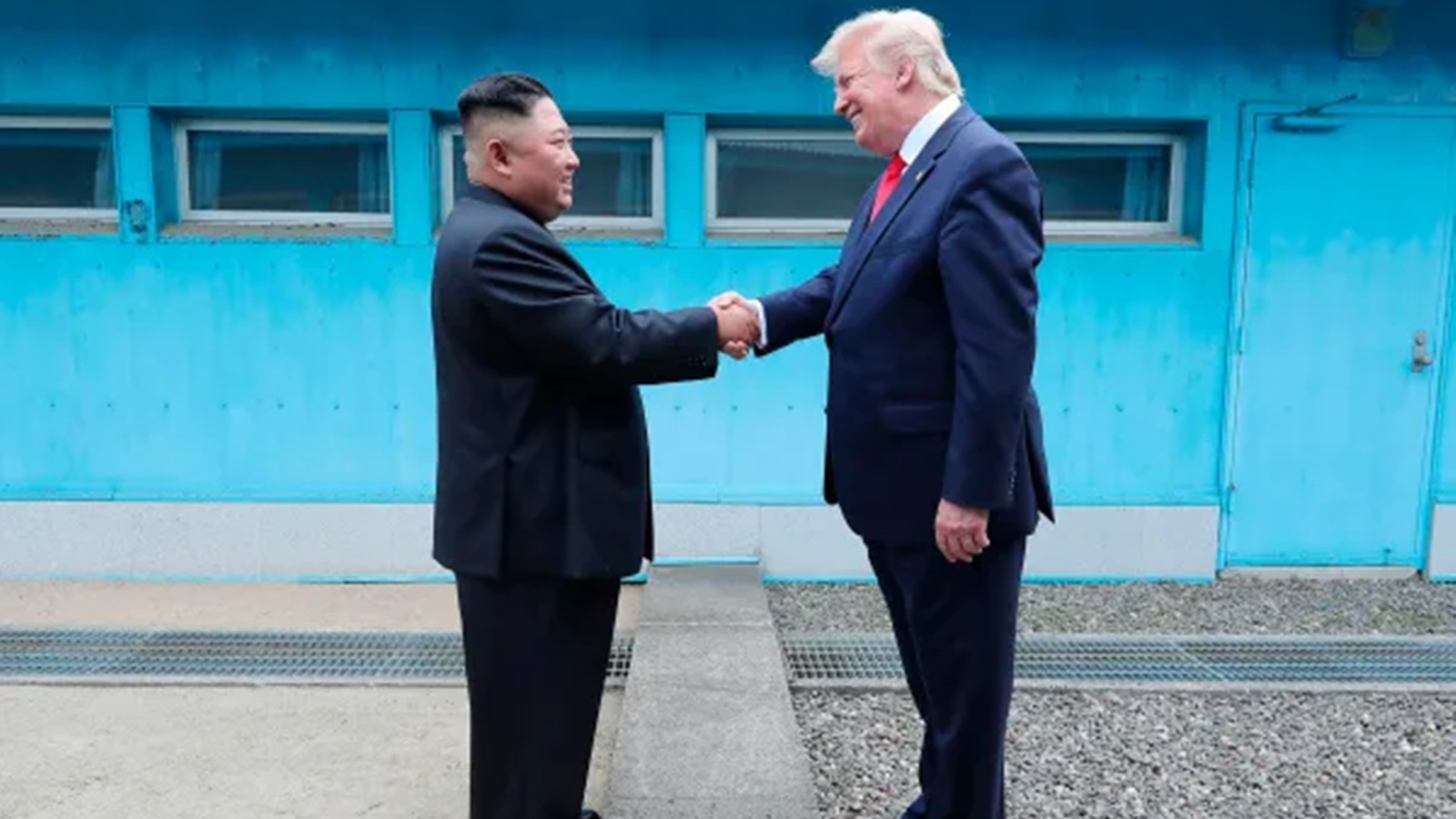
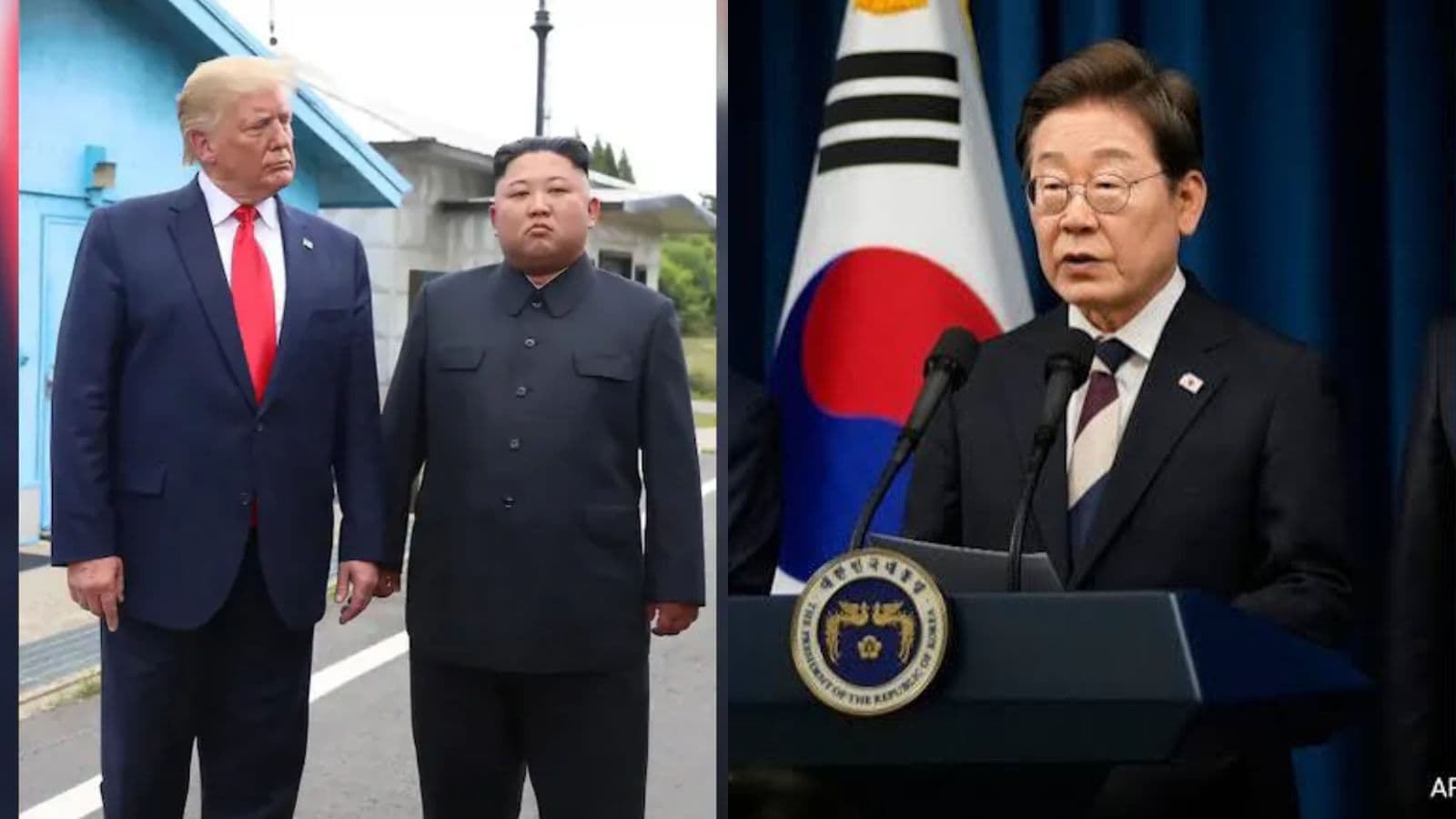
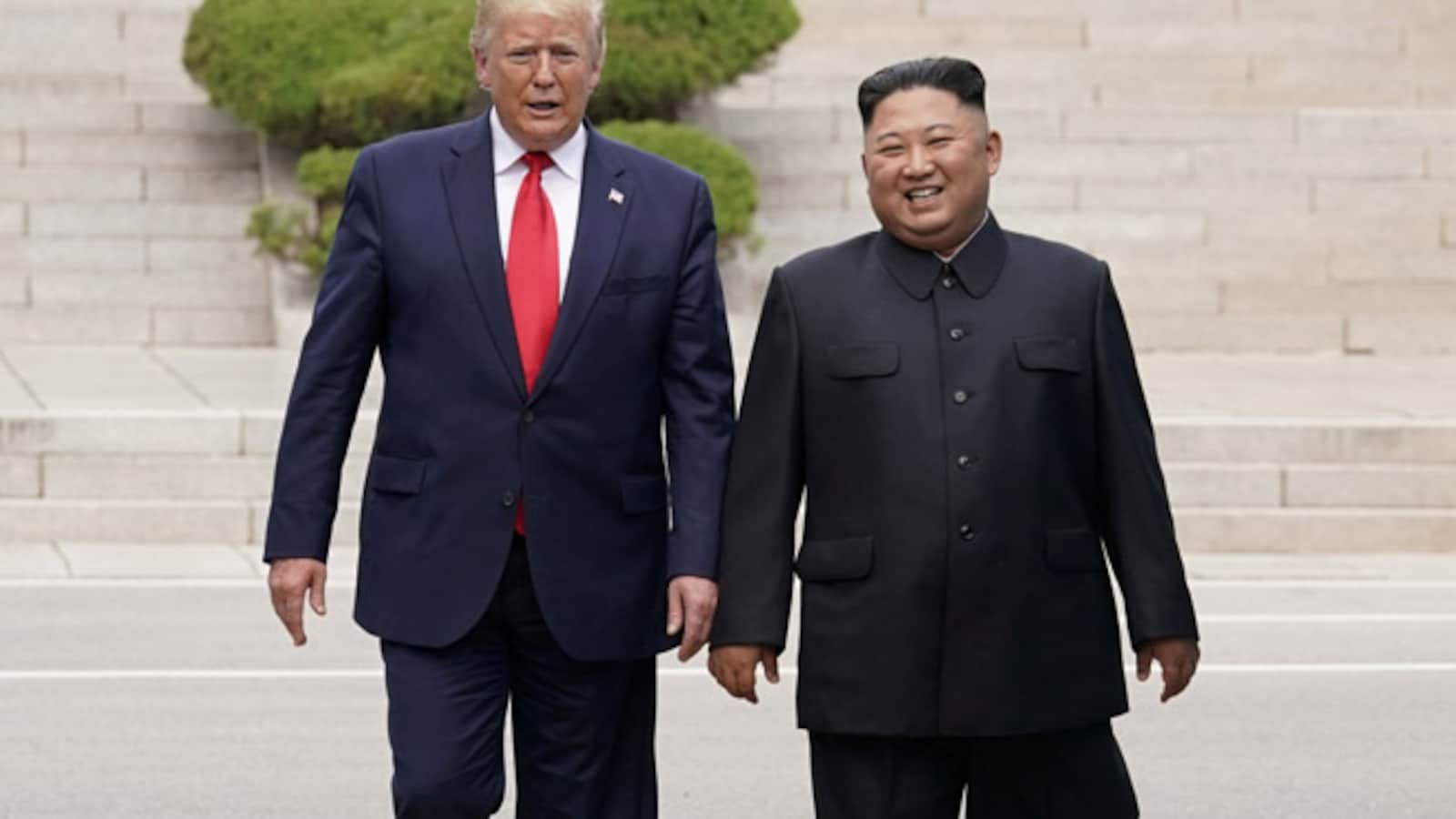
President Donald Trump wants to restart talks with North Korean leader Kim Jong Un.
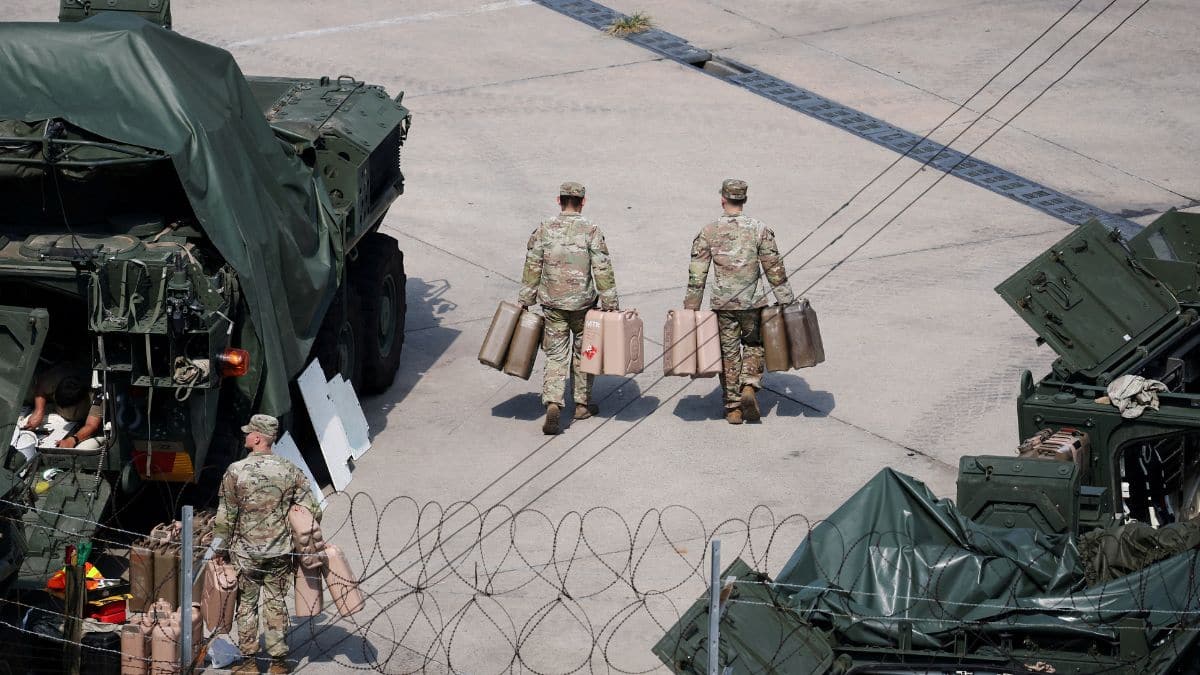
To help those talks, he reduced some military exercises with South Korea and another exercise was cancelled.
This worries U.S. allies because military exercises help them practice defending themselves.
Japan is concerned that Trump may ask it to pay much more for American troops stationed there.
Taiwan is watching because Trump has delayed a large weapons package while preparing to meet Chinese President Xi Jinping.
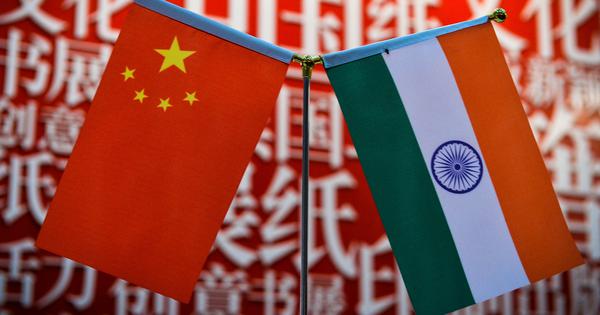
India is also less certain about how much the United States values its partnership.
U.S. officials say working with allies and keeping them ready for conflict is still important.
The disagreement is about whether Trump’s decisions are smart negotiations or are making allies trust America less.

Trump reduced military drills with South Korea, describing them as hostile to North Korea, and another exercise was later cancelled amid U.S. force constraints linked to the Iran war.
Japan fears Washington could demand a politically difficult increase in payments for hosting U.S. forces and use October’s Keen Sword exercises as leverage.
The USS George Washington’s departure for the Middle East has raised concerns that U.S. deterrence against China is weakening, although Washington says allied combat readiness remains a priority.
Taiwan expects the $14 billion U.S. arms package could be divided into smaller portions ahead of Trump’s planned summit with Chinese President Xi Jinping.
India has become more cautious about long-term defense deals with Washington amid tariffs, policy disagreements, and concerns about its strategic importance to the United States.
- Who
- U.S. President Donald Trump, North Korean leader Kim Jong Un, and U.S. partners including South Korea, Japan, Taiwan, and India.
- What
- Trump’s outreach to Kim and reductions or cancellation of military exercises have increased concerns about U.S. reliability in Asia.
- Where
- Across East and South Asia, including South Korea, Japan, Taiwan, and India, as well as the broader Indo-Pacific.
- When
- The main drill reduction occurred the previous week; another exercise was cancelled the following Monday, while Keen Sword was planned for October and a Trump-Xi summit for the following month.
- Why
- Trump wants to restart negotiations with North Korea and achieve an international political success while pressing allies to spend more on defense.
U.S. Strategic Rationale
Asian Allies’ Concerns
Reduced military exercises
U.S. Strategic Rationale
The White House says Washington remains committed to Seoul, while Trump views some exercises as hostile to Pyongyang and wants to restart negotiations.
Asian Allies’ Concerns
Officials and security experts say reducing or cancelling exercises could weaken deterrence and increase doubts about U.S. security commitments.
Defense burden-sharing
U.S. Strategic Rationale
Trump is pressing allies to spend more on their own defense, citing frustration that they did not support the U.S. war with Iran.
Asian Allies’ Concerns
Japan fears Trump could suddenly demand a sharp increase in its payments for hosting U.S. forces, creating political difficulties.
Taiwan arms sales
U.S. Strategic Rationale
Holding up or dividing the $14 billion arms package could help preserve warmer relations and a fragile trade truce with China before Trump’s summit with Xi Jinping.
Asian Allies’ Concerns
Taiwanese officials fear that accommodating Beijing could delay or weaken security support as China applies growing military pressure.
Strategic commitment to India
U.S. Strategic Rationale
The Pentagon rejects the suggestion that India has become less important after the Asia military headquarters was renamed Pacific Command.
Asian Allies’ Concerns
Analysts say the renaming, tariffs, and Trump’s policy disputes with New Delhi have made India more cautious about long-term defense cooperation.
Key facts
- South Korea exercises
- The United States reduced military drills with South Korea and later cancelled another exercise scheduled for the following month.
- North Korean response
- North Korea fired a volley of ballistic missiles off its east coast despite Trump’s overtures.
- Japan negotiations
- Tokyo is discussing how much it should contribute to the cost of hosting U.S. forces.
- Keen Sword
- U.S.-Japan military exercises known as Keen Sword were planned for October and could be smaller than in 2024.
- Taiwan arms package
- Trump has held up approval of a $14 billion package of arms sales to Taiwan.
- U.S. force movement
- The USS George Washington left Asia for the Middle East to relieve the USS Abraham Lincoln.
- India’s defense ties
- Indian officials have become very cautious about committing to long-term defense deals with Washington.
Quotes
Pearl Pandya
Senior analyst at Armed Conflict Location & Event Data
“The latest decision only reinforces President Trump’s transactional view of foreign affairs and serves as a reminder that differences over specific policies, even among allies, can carry costs for the broader bilateral relationship.”
 theprint.in
theprint.in
theprint.in
“The decision will certainly fuel growing doubts in the region about U.S. security commitments.”
theprint.in
theprint.in
Sources
Related news
Trump Scales Back South Korea Drills, Alarming Allies
US–South Korea Military Drill Ends Six Days Early

U.S. Alliance Uncertainty Grows as Korea Exercise Scales Back
South Korea Hopeful US-North Korea Talks After Trump Cuts Drills
Trump Says Kim Jong Un Responded After Scaling Back Seoul Drills
US-South Korea relationship evolves under Trump's deal-focused approach

Trump administration weighs chip tariffs amid AI industry warnings

Why India Must Conserve Forex Despite Strong GDP Growth

CM Vijay Plans Britain Tour to Attract Tamil Nadu Investment
US and Australia Commit $580 Million for Pacific Islands

Tamil Nadu CM Vijay Plans UK Investment Outreach