1 week ago
Trump Scales Back South Korea Drills, Alarming Allies
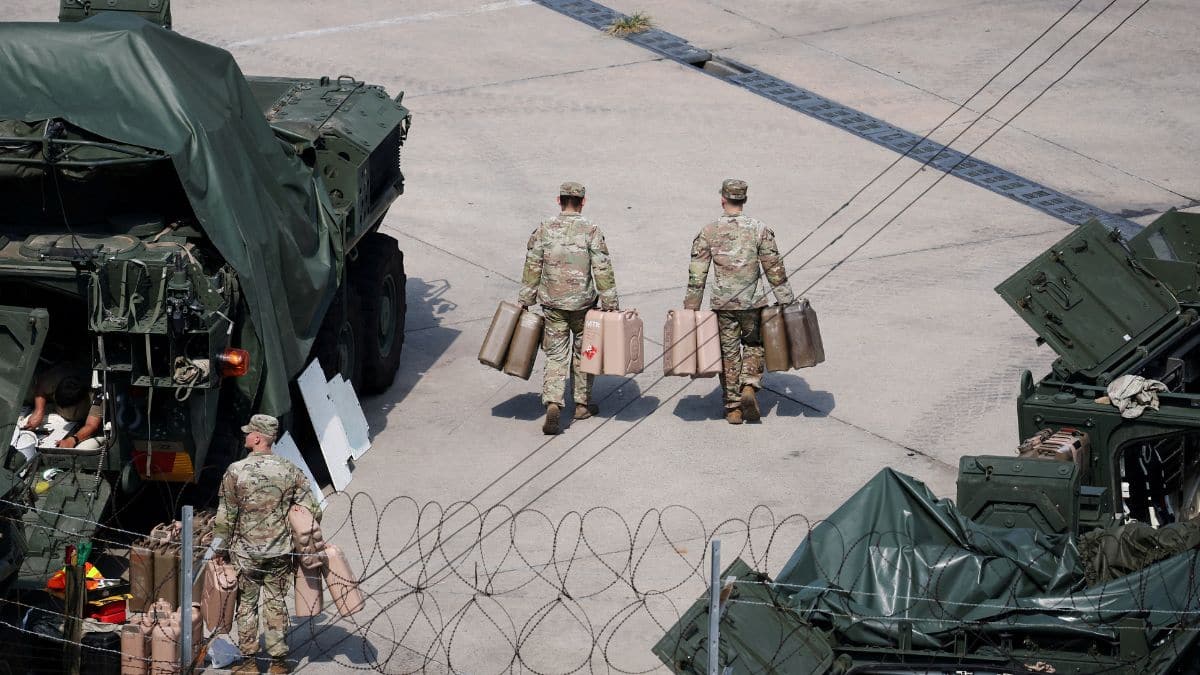
The United States and South Korea regularly practice defending South Korea together.
President Trump ordered the United States to take a smaller role in the latest exercises.
He said the drills cost too much and might make North Korea feel threatened.
North Korea has recently tested missiles and criticized the exercises.
Some experts and politicians say reducing the drills could make the US-South Korean alliance look weaker.
They also worry it could make North Korea and Russia more confident.
South Korea said it would keep working with the United States and build up its own military.
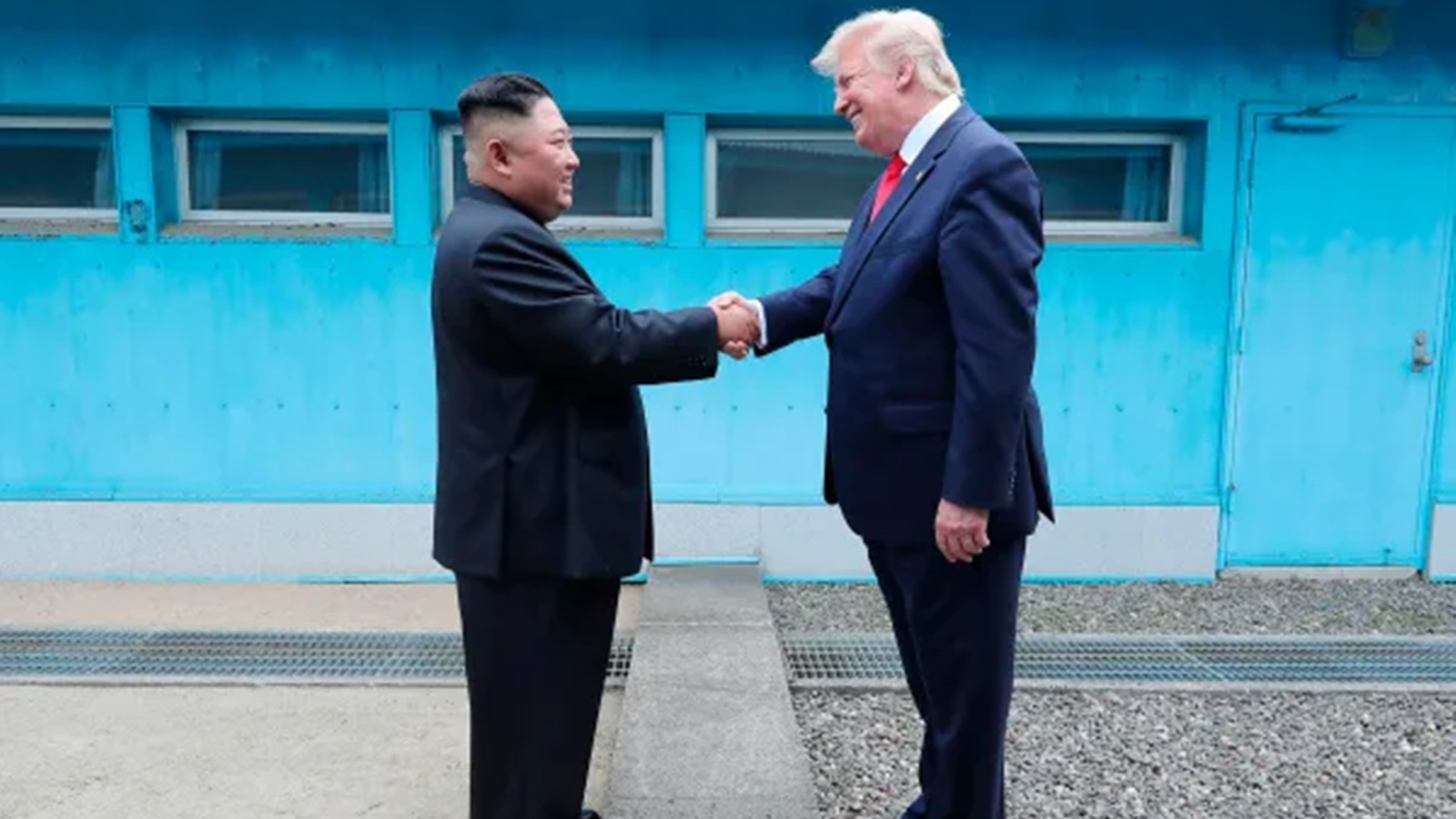
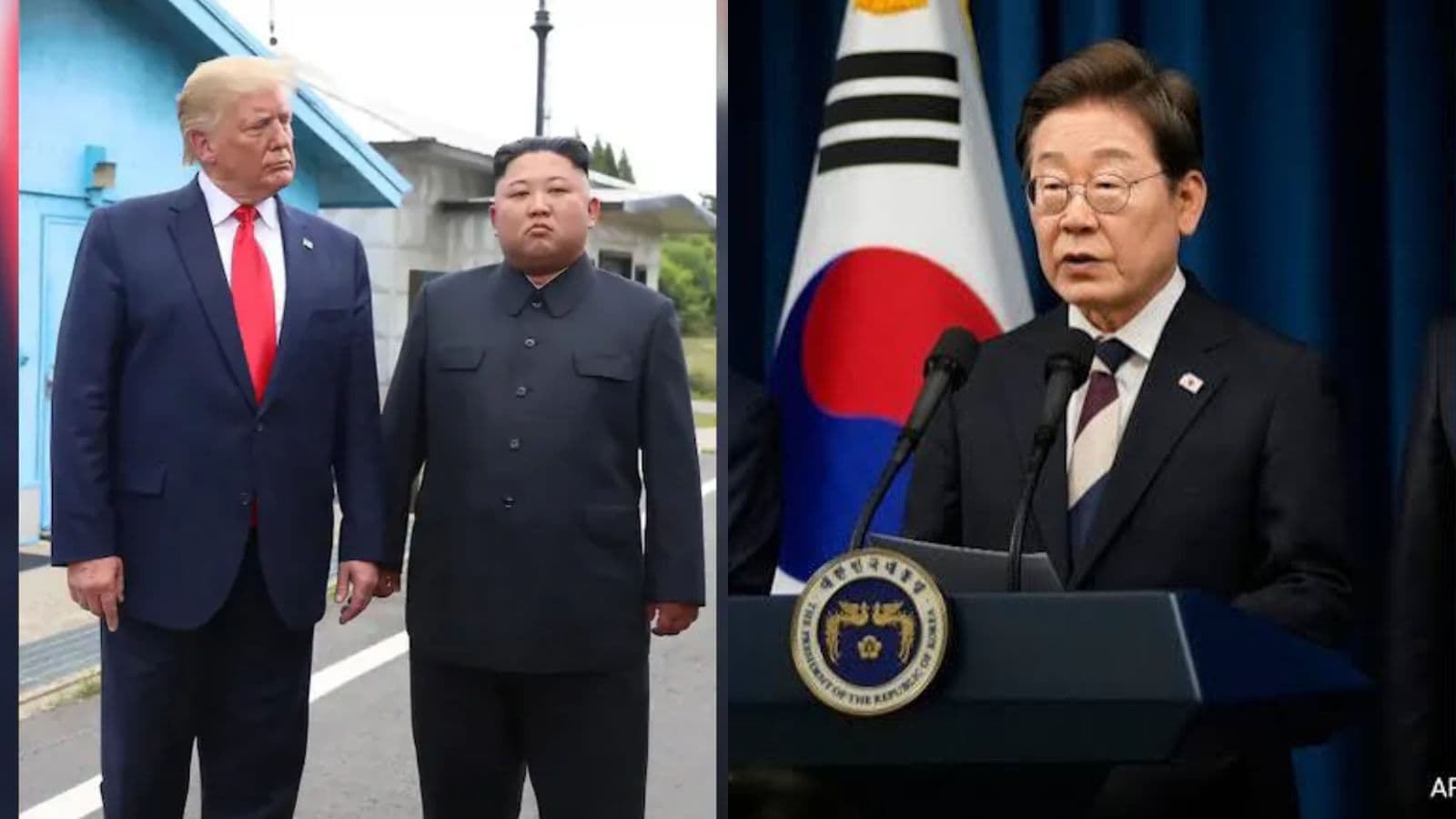
Trump and South Korean President Lee Jae Myung hope talks with North Korean leader Kim Jong Un could help bring peace.
Other analysts doubt North Korea currently wants to give up its nuclear weapons or change its hostile policies.

Donald Trump ordered the Pentagon to substantially reduce US participation in the 11-day Ulchi Freedom Shield exercises with South Korea.
Trump said the drills were expensive and could send an inappropriate, hostile signal to North Korea.
Critics warned that reducing the exercises could weaken deterrence, alliance coordination and South Korea’s defense readiness.
South Korean President Lee Jae Myung reaffirmed cooperation with Washington while calling for stronger South Korean forces.
Trump and Lee expressed openness to renewed dialogue with Kim Jong Un, though experts saw little evidence that Pyongyang would change course.
- Who
- US President Donald Trump, South Korean President Lee Jae Myung, North Korean leader Kim Jong Un, and the United States and South Korean militaries.
- What
- Trump ordered a substantial reduction in US involvement in joint military exercises with South Korea, while signaling interest in renewed talks with North Korea.
- Where
- The exercises involve US and South Korean forces on the Korean Peninsula; the decision is being watched across Northeast Asia.
- When
- The decision was announced on Sunday; the 11-day Ulchi Freedom Shield exercises began Monday.
- Why
- Trump cited the cost of the exercises and said they could send a hostile signal to North Korea, while also pointing to the possibility of renewed dialogue.
Alliance critics and deterrence advocates
Trump administration and dialogue proponents
Effect on security
Alliance critics and deterrence advocates
Critics said reducing the exercises could weaken deterrence, damage coordination and slow South Korea’s assumption of greater defense responsibility.
Trump administration and dialogue proponents
Trump argued that a smaller US role would avoid sending a hostile signal and reduce the cost of the exercises.
Impact on the alliance
Alliance critics and deterrence advocates
US and South Korean critics said the decision risks undermining one of Washington’s strongest alliances and could alarm Japan, Taiwan and the Philippines.
Trump administration and dialogue proponents
South Korean President Lee reaffirmed the alliance while supporting stronger South Korean military capabilities and continued coordination with Washington.
Prospects for talks
Alliance critics and deterrence advocates
Several experts and commentators said North Korea has shown little interest in denuclearization offers and has no clear reason to change its belligerent posture.
Trump administration and dialogue proponents
Trump and Lee’s governments expressed optimism that renewed engagement between Trump and Kim Jong Un could promote peace in the region.
Key facts
- Exercise
- Ulchi Freedom Shield
- Exercise length
- 11 days
- US decision
- Participation was ordered to be substantially reduced.
- Trump's stated reasons
- The exercises were expensive and could send an inappropriate, hostile signal to North Korea.
- South Korean response
- The government said it would coordinate closely with the United States and maintain a firm combined defense posture.
- North Korean response
- North Korea called the drills a rehearsal for an invasion war and threatened a new level of nuclear deterrence.
- Expert concern
- Analysts warned that scaling back drills could weaken deterrence and alliance coordination.
Quotes

Senator Jack Reed
Chairman of the Senate Armed Services Committee, Democrat
“Kim Jong Un has won a propaganda victory and South Korea, one of our strongest allies, has been punished for no reason beyond Trump’s ego.”
 indianexpress.com
Kim Sang‑woo
Board member of the Kim Dae‑jung Peace Foundation, former South Korean politician
“People are alarmed.”
indianexpress.com
President Lee Jae‑Myung
President of South Korea
“When we build up our strengths, our value and importance as an ally will further grow.”
indianexpress.com
Sources
Related news
US–South Korea Military Drill Ends Six Days Early
South Korea Hopeful US-North Korea Talks After Trump Cuts Drills

Trump Orders Smaller U.S.-South Korea Drills, Citing Kim

Trump’s North Korea Overture Deepens Asian Allies’ Doubts

U.S. Alliance Uncertainty Grows as Korea Exercise Scales Back
US-South Korea Military Drills Cut Short After Trump Order
South Korea’s Lee Drops Top Adviser as Housing Concerns Grow
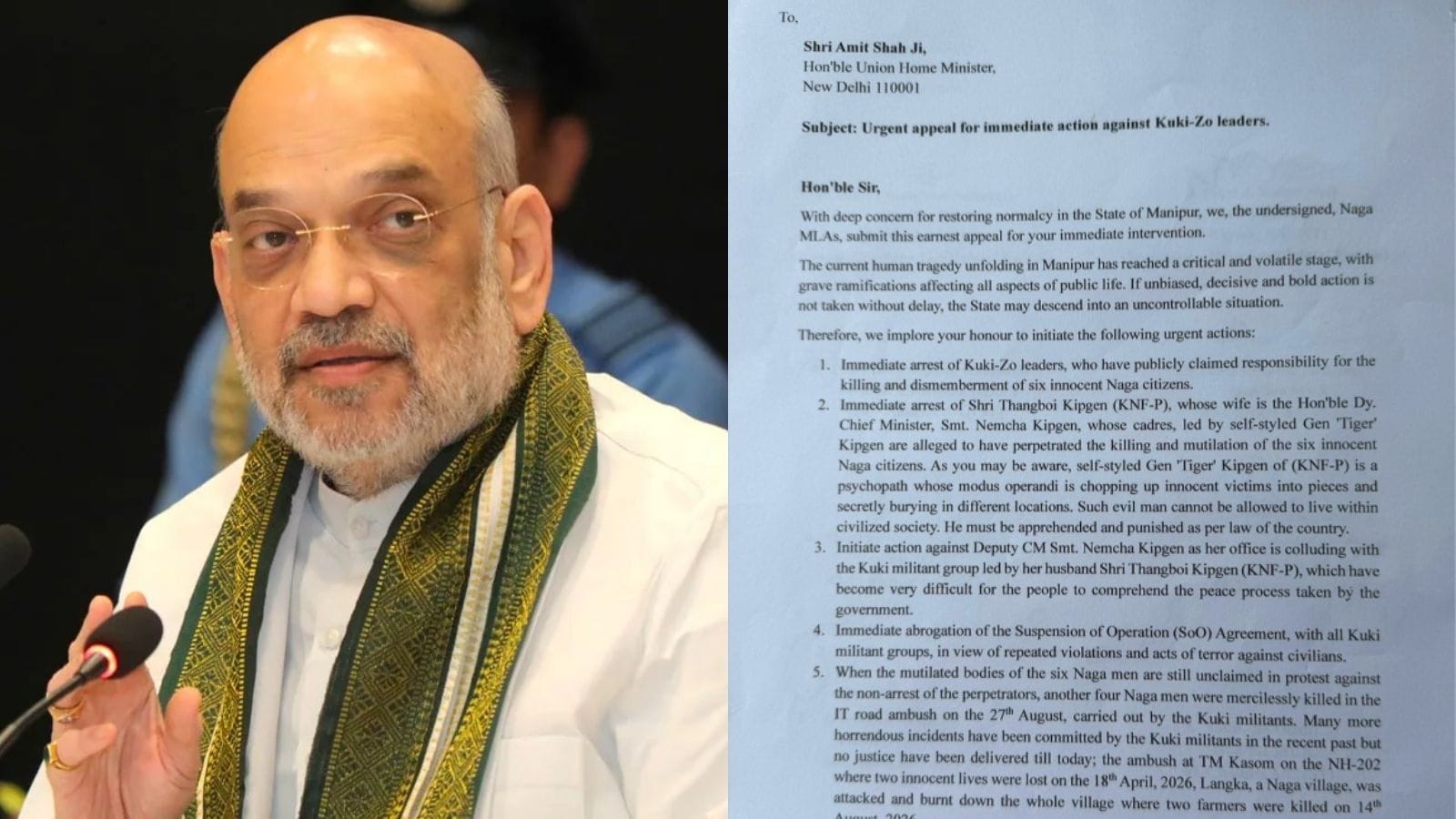
Naga MLAs Demand Action Over Manipur Civilian Killings

Modi Expands Global Partnerships as India Hedges Against Trump
South Korea Names Three Officials in Major Cabinet Reshuffle

South Korea Families Demand Helicopters for Nepal Flood Rescue