1 week ago
Nadda Reviews H1N1 Readiness as Delhi Cases Rise

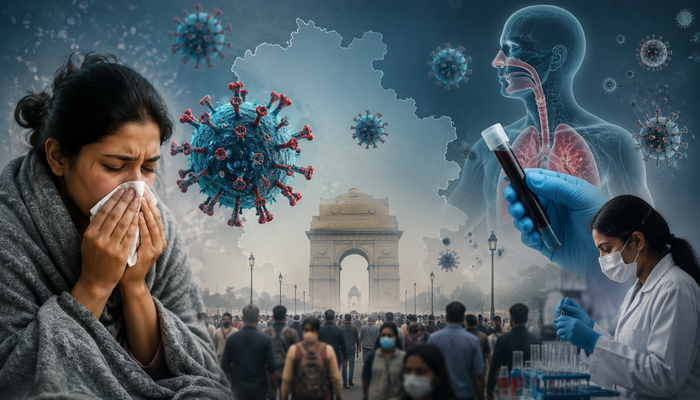
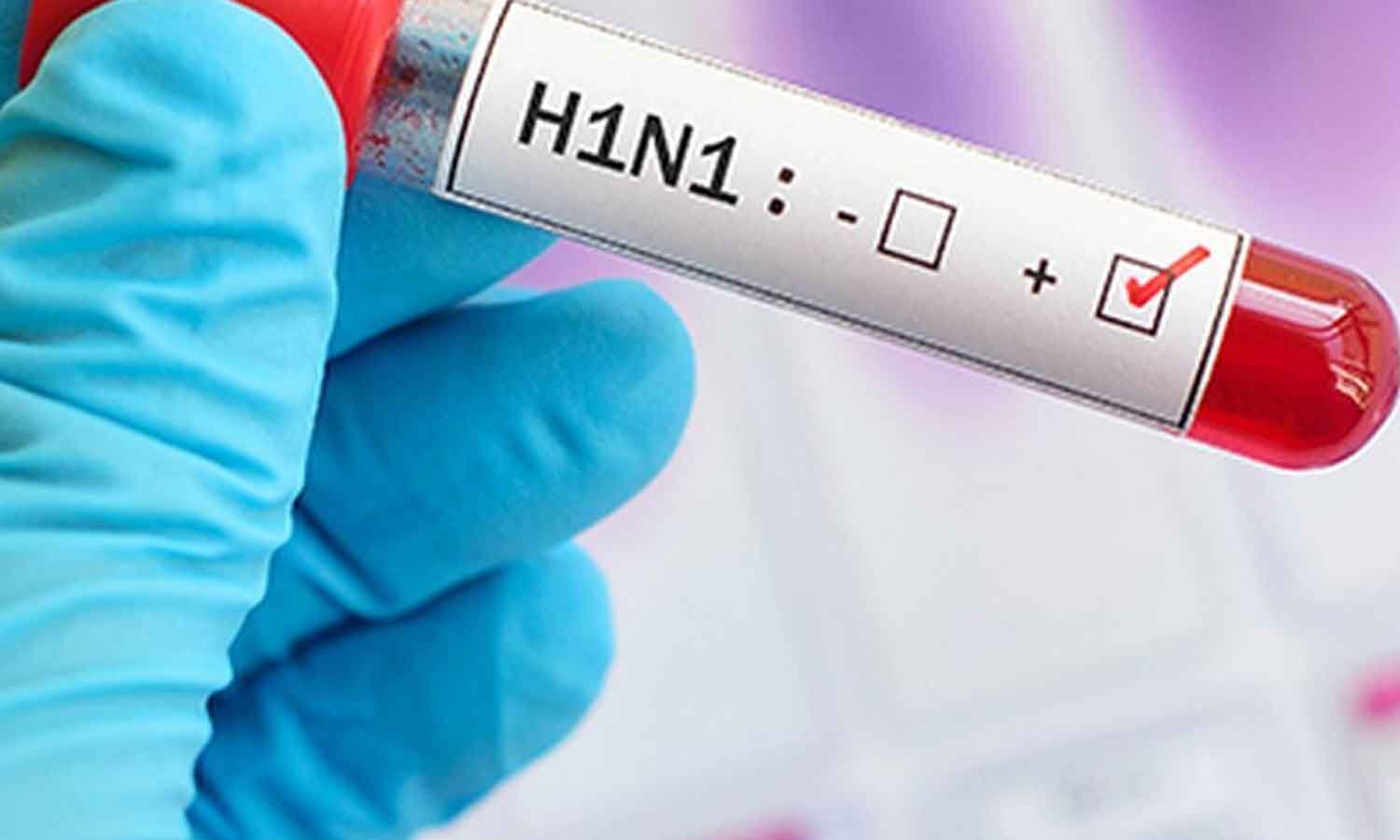
Delhi has reported many more H1N1 cases this year than during the same period last year.
H1N1 is also called swine flu and can spread when an infected person coughs, sneezes or talks.
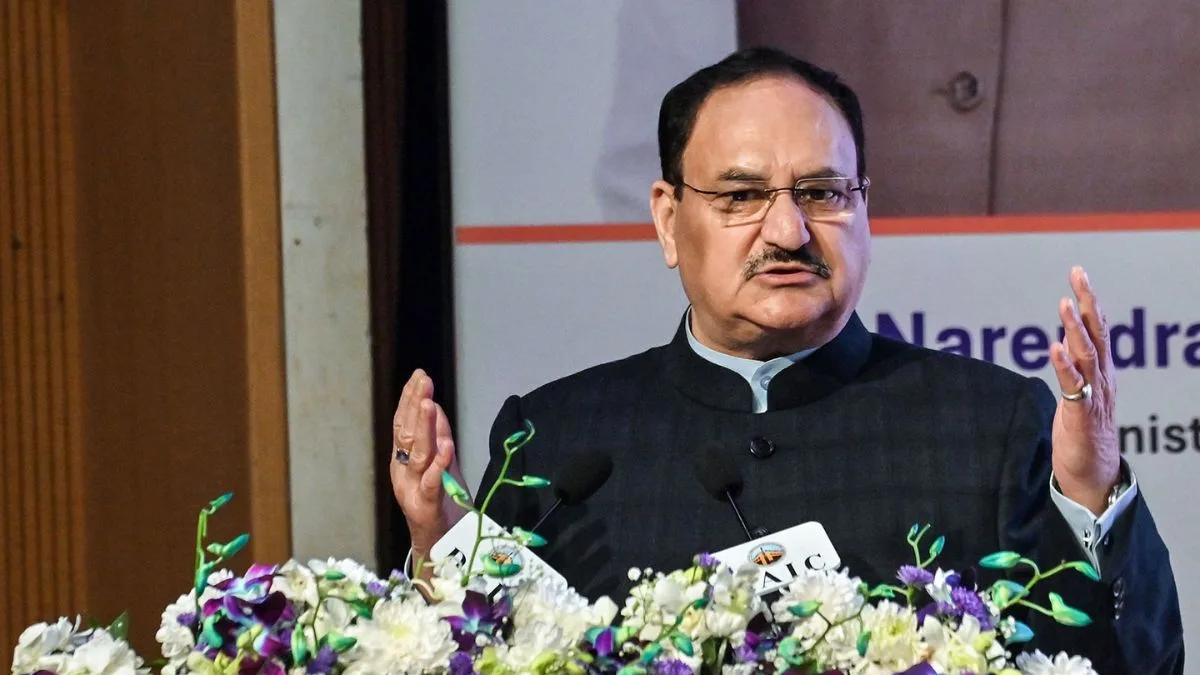
On Friday, Union Health Minister JP Nadda reviewed how ready health services are.
Officials checked disease data, testing systems and laboratory networks.
They also looked at hospitals, medicines and beds.
These systems help doctors find and treat serious infections early.
H1N1 can be especially dangerous for young children, older people, pregnant women and people with certain health problems.
People with serious symptoms such as breathing difficulty or worsening cough should seek medical care.

Delhi recorded 1,449 H1N1 infections by mid-August, compared with 229 during the same period last year.
Union Health Minister JP Nadda reviewed H1N1 preparedness, with particular attention to Delhi.
Officials assessed epidemiological trends, laboratory surveillance, testing, hospitals, medicines and beds.
The review covered tracking influenza-like illness and severe acute respiratory infections across state health systems.
Authorities stressed vigilance, public awareness and coordination on H1N1, dengue and malaria prevention.
- Who
- Union Health Minister JP Nadda, Delhi Health Minister Dr. Pankaj Kumar Singh, Union Health Secretary Punya Salila Srivastava and other Centre and Delhi government officials.
- What
- A review of H1N1 influenza preparedness, especially in Delhi, where reported infections increased sharply.
- Where
- Delhi, with the review also considering influenza activity in Karnataka, Kerala, Maharashtra and Gujarat.
- When
- Friday; NCDC data cited infections through mid-August and compared them with the corresponding period last year.
- Why
- To assess surveillance, testing, laboratories, hospitals and other measures needed to detect and manage rising or unusual respiratory-illness clusters.
Key facts
- Delhi infections
- The National Centre for Disease Control reported 1,449 H1N1 infections in Delhi by mid-August, compared with 229 during the corresponding period last year.
- Review leader
- Union Health Minister JP Nadda led or conducted the Friday preparedness review.
- Surveillance focus
- Officials assessed national epidemiological trends, laboratory networks, influenza-like illness and severe acute respiratory infection tracking.
- Healthcare readiness
- The review covered diagnostic facilities, testing, medicines, hospital beds and hospital preparedness.
- Other affected states
- Significant seasonal influenza activity was reported in Karnataka, Kerala, Maharashtra and Gujarat.
- Higher-risk groups
- Children, elderly people, pregnant women and people with chronic conditions or weakened immunity may face serious complications.
- Meeting timing
- One report described the meeting as upcoming, while another reported that Nadda reviewed preparedness on Friday.
Quotes
Dr. Niveditha Alok Swamy
Consultant in internal medicine at SPARSH Hospital, Bangalore
“Although influenza infection can recover itself through proper rest and support care, H1N1 virus may cause serious complications like pneumonia and respiratory distress in susceptible people like children, elderly patients, pregnant women and people suffering from chronic diseases and weak immunity.”
 livemint.com
“High fever, difficulty in breathing, worsening of cough or unusual tiredness are symptoms that should not be ignored and one should report to doctors immediately without resorting to self-medication. Apart from H1N1 preparedness, prevention of dengue and malaria is equally important now.”
livemint.com
Sources
Related news
Delhi-NCR H1N1 Cases Surge as Officials Review Preparedness
Delhi H1N1 Cases Reach 2,612 as Hospitals Heighten Preparedness
Delhi Assures Influenza Preparedness as H1N1 Cases Reach 1,777
Delhi H1N1 Cases Prompt Emergency Review Amid 3,000 Infections

Delhi H1N1 Cases Rise as India Reviews Flu Preparedness

Delhi H1N1 Cases Reach 2,446 as Hospitals Bolster Preparedness

How Influenza Became Notifiable in Delhi After 7,044 Deaths
Uttarakhand Alerts Districts After 57 H1N1 Cases Reported
H1N1 Accounts for 98 Percent of India’s Influenza A Cases
Karnataka Reports H1N1 Cases, Minister Says No Need For Panic
Karnataka Reports 4,212 H1N1 Cases, Health Department Rejects Outbreak