6 days ago
China Rejects Flood Trigger Claim After Himalayan Disaster

A huge flood hit areas of Nepal and Tibet near their shared border.
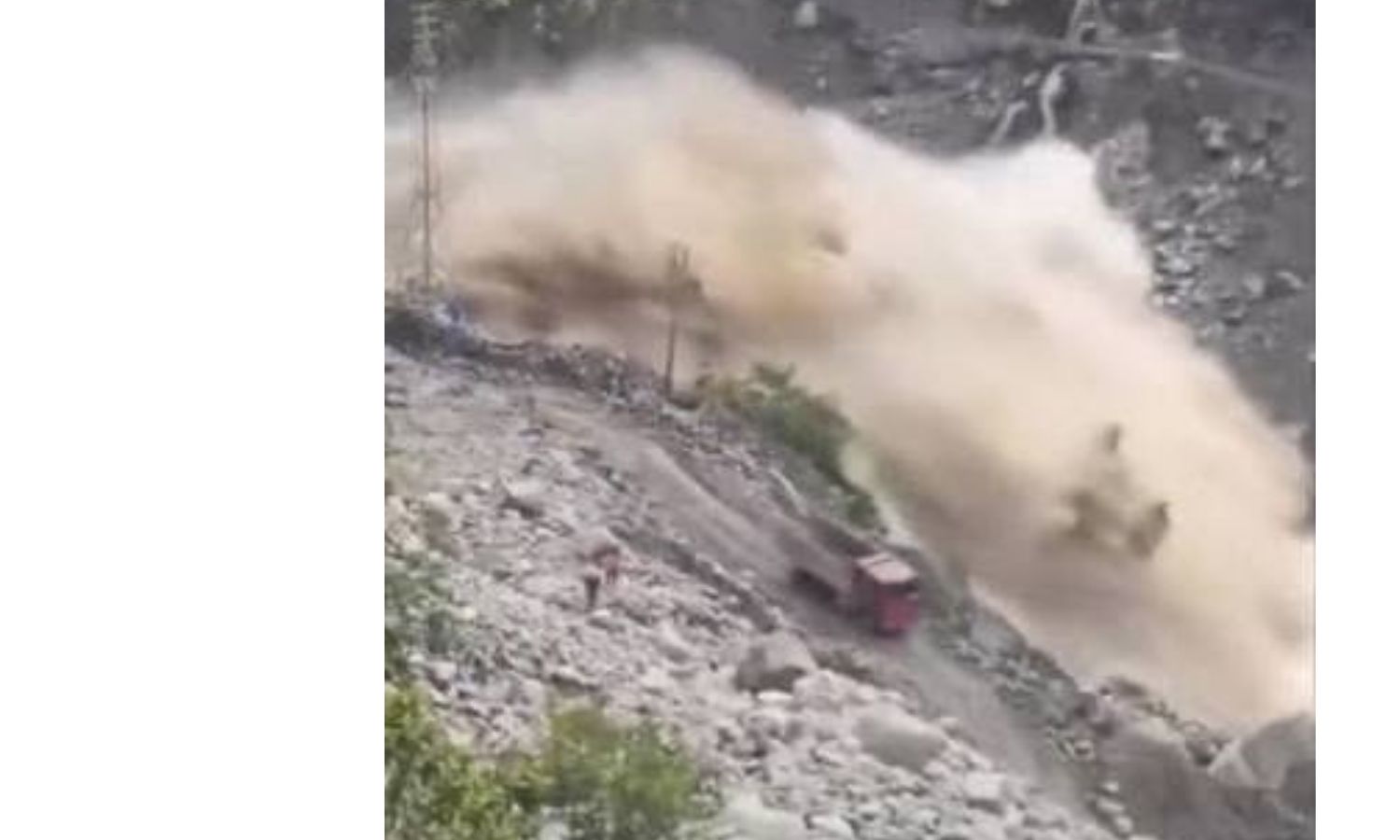
Water mixed with ice, rocks and mud rushed through valleys very quickly.
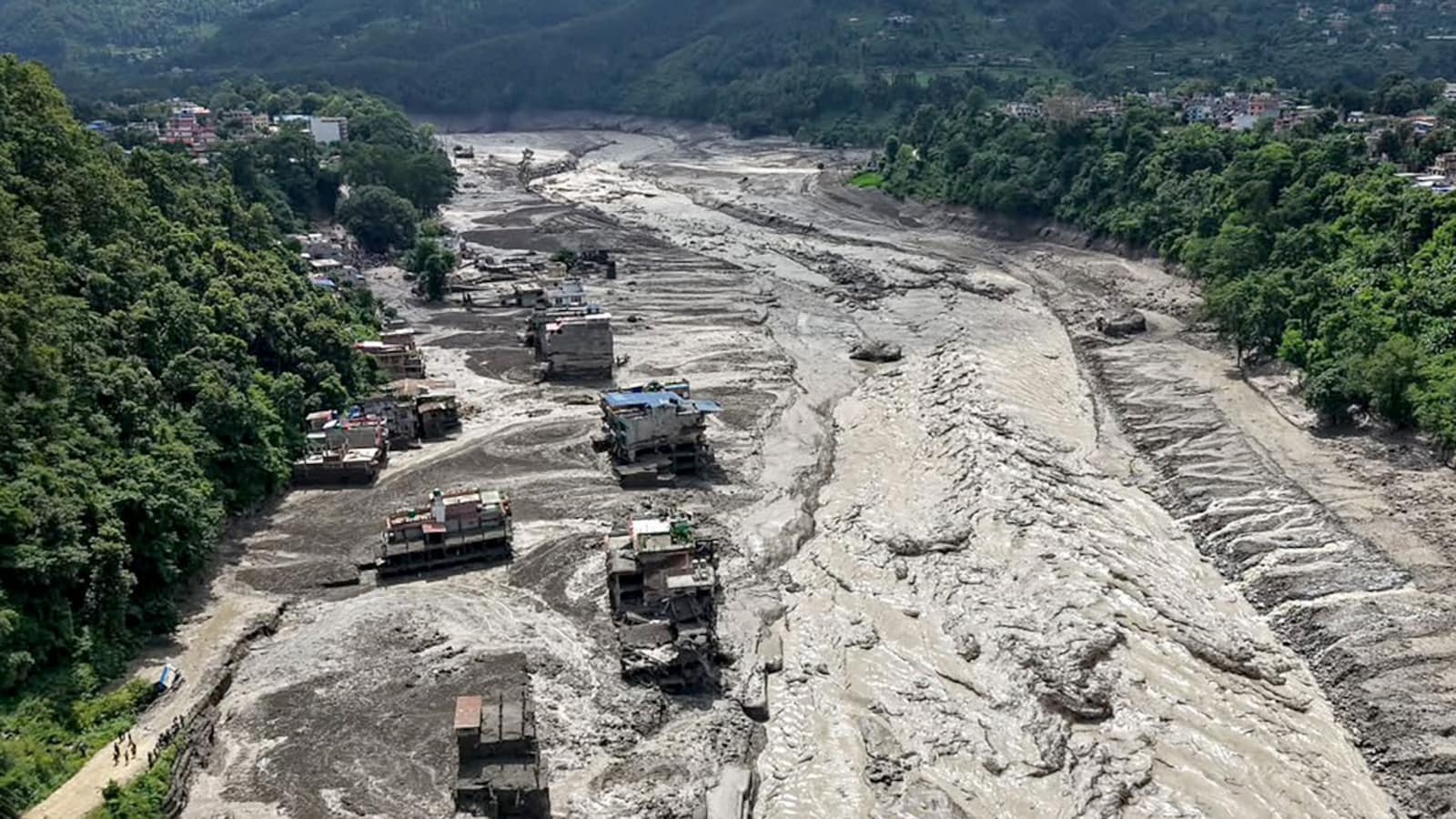
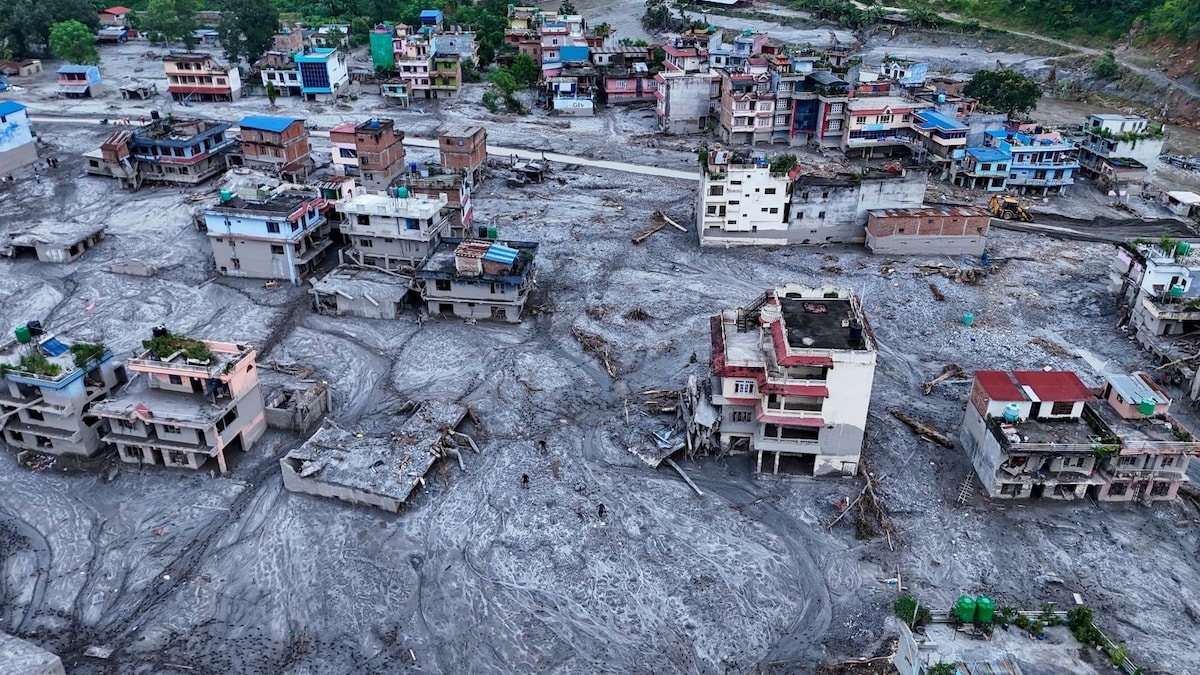
Many buildings, roads, bridges and power projects were destroyed.
Reports said between 165 and 172 people had died, and more than 1,000 people were missing in some areas.
Experts think an ice-and-rock collapse near a glacier may have started the flood.
They are still checking whether a glacial lake overflowed or a river became blocked.
An earthquake was first considered, but later analysis suggested the shaking came from the collapse itself.
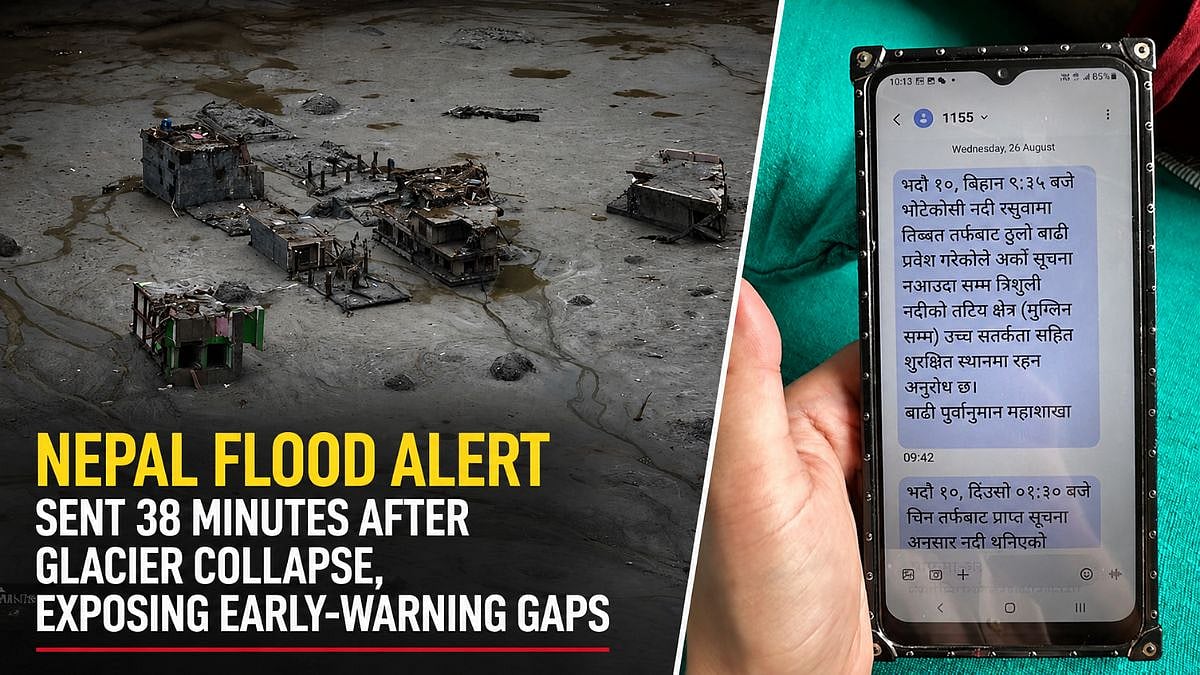
Some people in Nepal asked whether China could have warned them sooner.
China said the disaster began on the Nepali side and called claims about a Chinese geological dam fake.

A massive surge of water, ice, rocks and mud struck Nepal and Tibet near the Gyirong-Rasuwagadhi border.
At least 165 to 172 people were reported dead, while more than 1,000 remained missing in some reports.
Experts said an ice-and-rock avalanche or glacial collapse likely triggered the flood, although the precise cause remains under investigation.
Nepali commentators questioned whether China could have issued earlier warnings to downstream communities.
China denied that a collapsed geological disaster dam on its side caused the flooding and urged cooperation instead of accusation.
- Who
- People in Nepal and Tibet, including villagers, hydropower workers, police officers and foreign travelers, were affected; Nepali experts and China's Embassy in Nepal commented on the disaster.
- What
- A catastrophic flash flood involving water, ice, rocks, mud and debris caused deaths, disappearances and extensive infrastructure damage.
- Where
- The flooding affected the Gyirong-Rasuwagadhi border region, Nepal's Rasuwa district, the Lhende Khola and Bhote Koshi river system, and nearby areas of Tibet.
- When
- The disaster occurred on the morning of August 26, 2026; rescue operations continued the following Thursday.
- Why
- Experts believe an avalanche or glacial collapse triggered the flood, but investigators are still determining whether a glacial lake outburst, blocked river channel or another event initiated it.
Nepali concerns
Chinese response
Where the disaster began
Nepali concerns
Nepali commentators and experts questioned whether conditions or a geological event near the Chinese side contributed to the flood and said stronger cross-border monitoring was needed.
Chinese response
China said an earthquake-like glacial collapse occurred on the Nepali side and rejected claims that a Chinese geological disaster dam triggered the destruction.
Early warning
Nepali concerns
Nepali voices argued that China's satellite and monitoring capabilities might have detected the danger and relayed a warning to downstream communities.
Chinese response
China rejected allegations that it failed to issue an early warning and said accusations would not help, emphasizing cooperation instead.
Cause of the flooding
Nepali concerns
Experts cited an ice-and-rock avalanche, possible glacial lake outburst or blocked river channel, while noting that the cause of the initial collapse remained uncertain.
Chinese response
The Chinese Embassy described the event as an earthquake or earthquake-like glacial collapse on the Nepali side; later United States Geological Survey analysis questioned whether a conventional earthquake occurred.
Key facts
- Reported deaths
- Reports cited at least 165 to 172 deaths, with the toll expected to change as rescue teams reach isolated areas.
- Missing people
- More than 1,000 people were reported missing across Nepal and Tibet in one account; Chinese authorities reported 558 missing in Gyirong.
- Likely trigger
- Experts identified an avalanche, glacier-related collapse or glacial lake outburst as possible causes.
- Flood route
- The surge moved through the Lhende Khola river system and into the Bhote Koshi River.
- China's position
- China's Embassy in Nepal rejected claims that a geological disaster dam on the Chinese side caused the losses and called the allegation fake.
- Warning dispute
- Nepali voices questioned whether Chinese monitoring systems could have provided an earlier warning, while China denied failing to warn Nepal.
- Damage and response
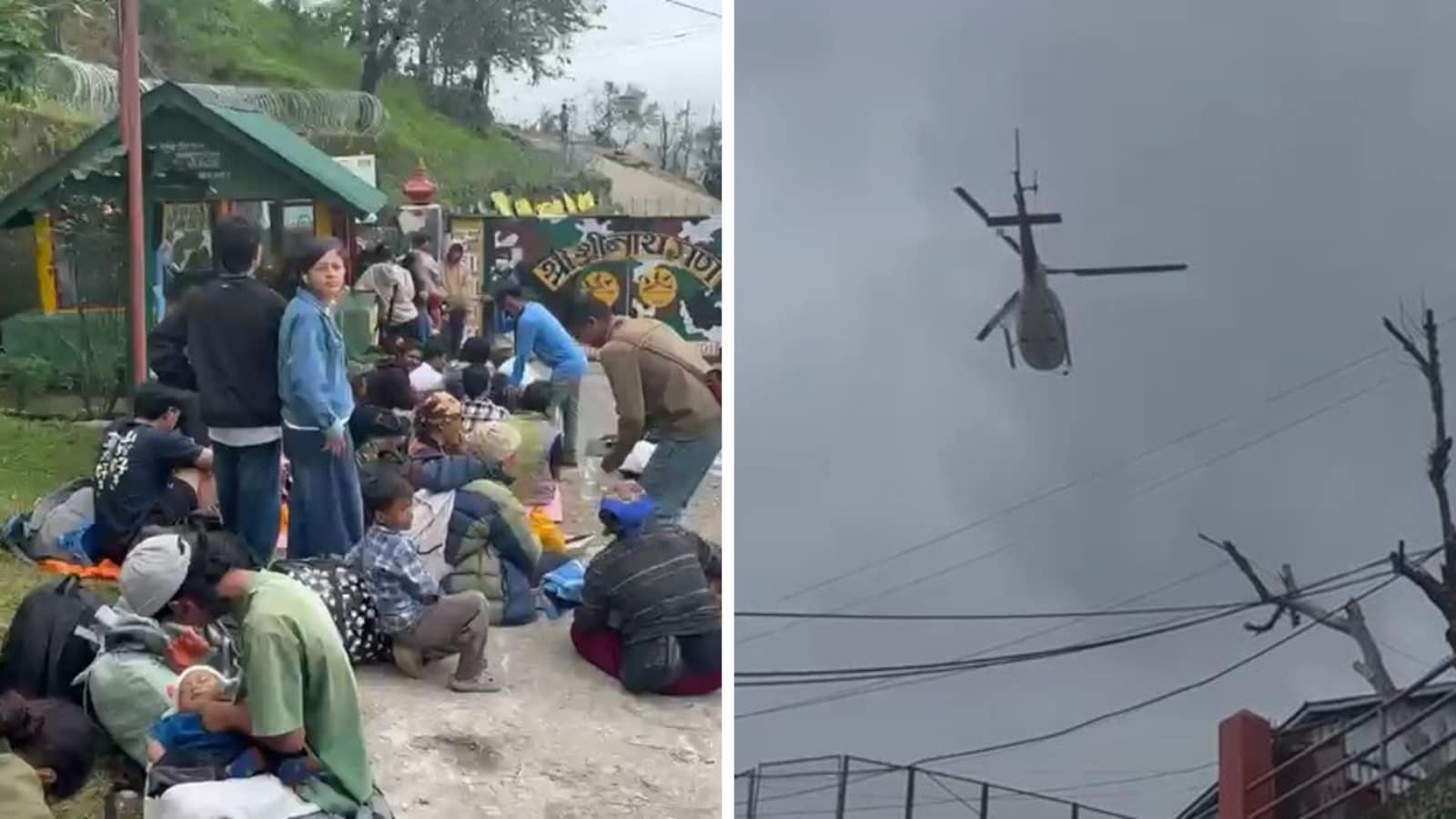
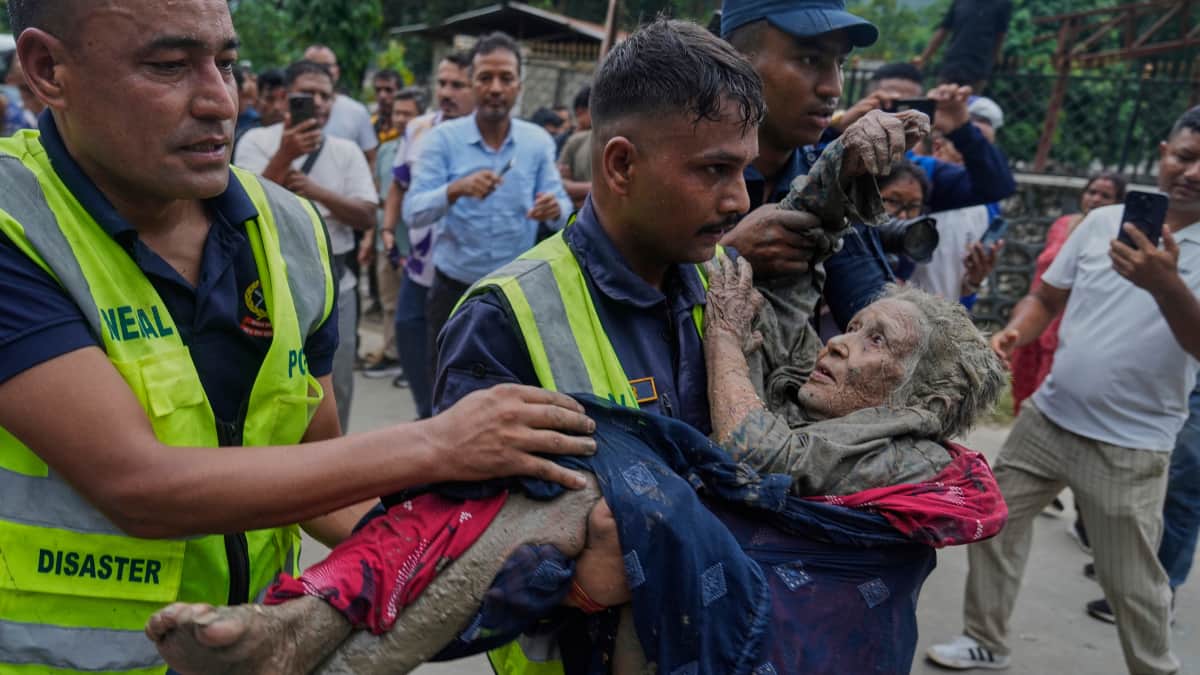
- Roads, bridges, buildings, communications, power supplies and settlements were damaged; helicopters and emergency teams were deployed on both sides.
Quotes

Chinese Embassy in Nepal
China’s diplomatic mission in Nepal responding to allegations about the flood’s cause and warnings.
“An earthquake or earthquake like glacier collapse occurred on the Nepali side on the morning of August 26, 2026, triggering huge mudslides, which caused significant casualties and left people missing on both the Nepali and Chinese sides of the Gyirong- Rasuwagadhi border region.”
 NDTV
NDTV
“We need to have better coordination with China when it comes to disasters like GLOF, flood or earthquake...This border is very sensitive with climate change.”
NDTV
Sources
Related news
Nepal Floods Spark Dispute Over Chinese Warnings and Construction
China, Nepal Link Glacier Collapse to Deadly Border Floods

China Links Nepal-Tibet Flood Disaster to Glacier Collapse

Nepal Flash Flood Triggers Warning Questions After Tibetan Deluge
Nepal-Tibet Glacial Collapse Spurs Calls for Early Warnings

Nepal Thanks India as Glacial Disaster Rescue Efforts Continue
Nepal Warns of Heavy Rain After Deadly Floods
Nepal Flood Exposes Delayed Alerts and Cross-Border Warning Gaps

Bhotekoshi Flood Crisis: Nepal PM Shah Calls for Courage

Nepal PM Thanks India, China Amid Climate Compensation Demand