5 days ago
China Links Nepal-Tibet Flood Disaster to Glacier Collapse

A huge flood struck areas near the Nepal-Tibet border on Wednesday.
China said the flood may have started when a glacier in Nepal collapsed.
Falling ice and rocks may have blocked a river called the Lhende.
The blockage then broke, sending a powerful wave of water into other rivers.
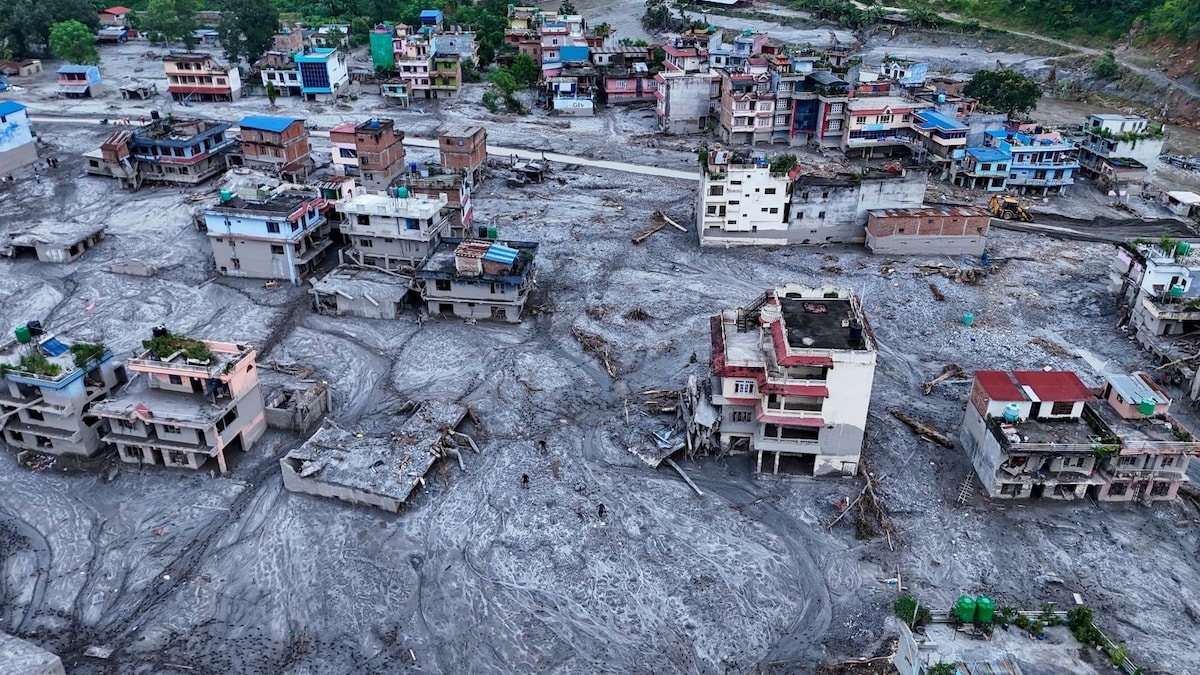
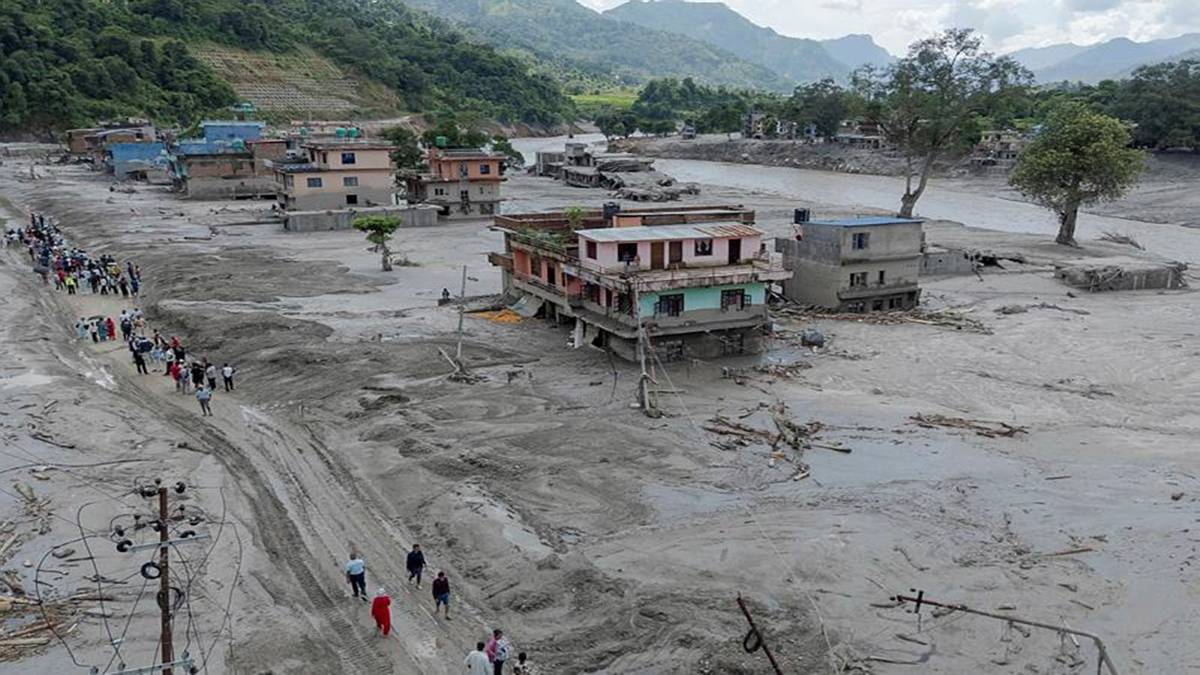
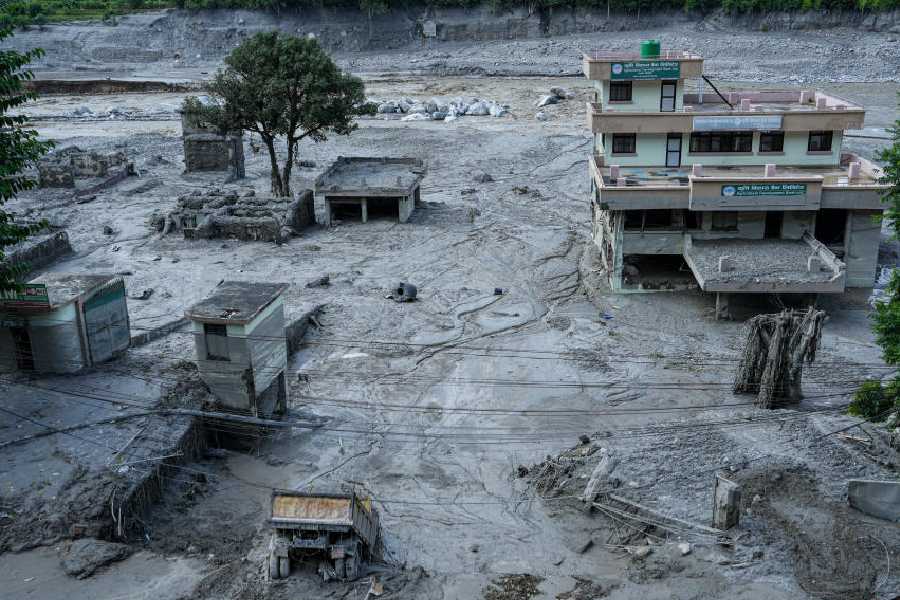
The flooding killed many people and damaged roads, bridges, homes, and power facilities.
Reports gave different numbers for the dead and missing as officials continued checking the situation.
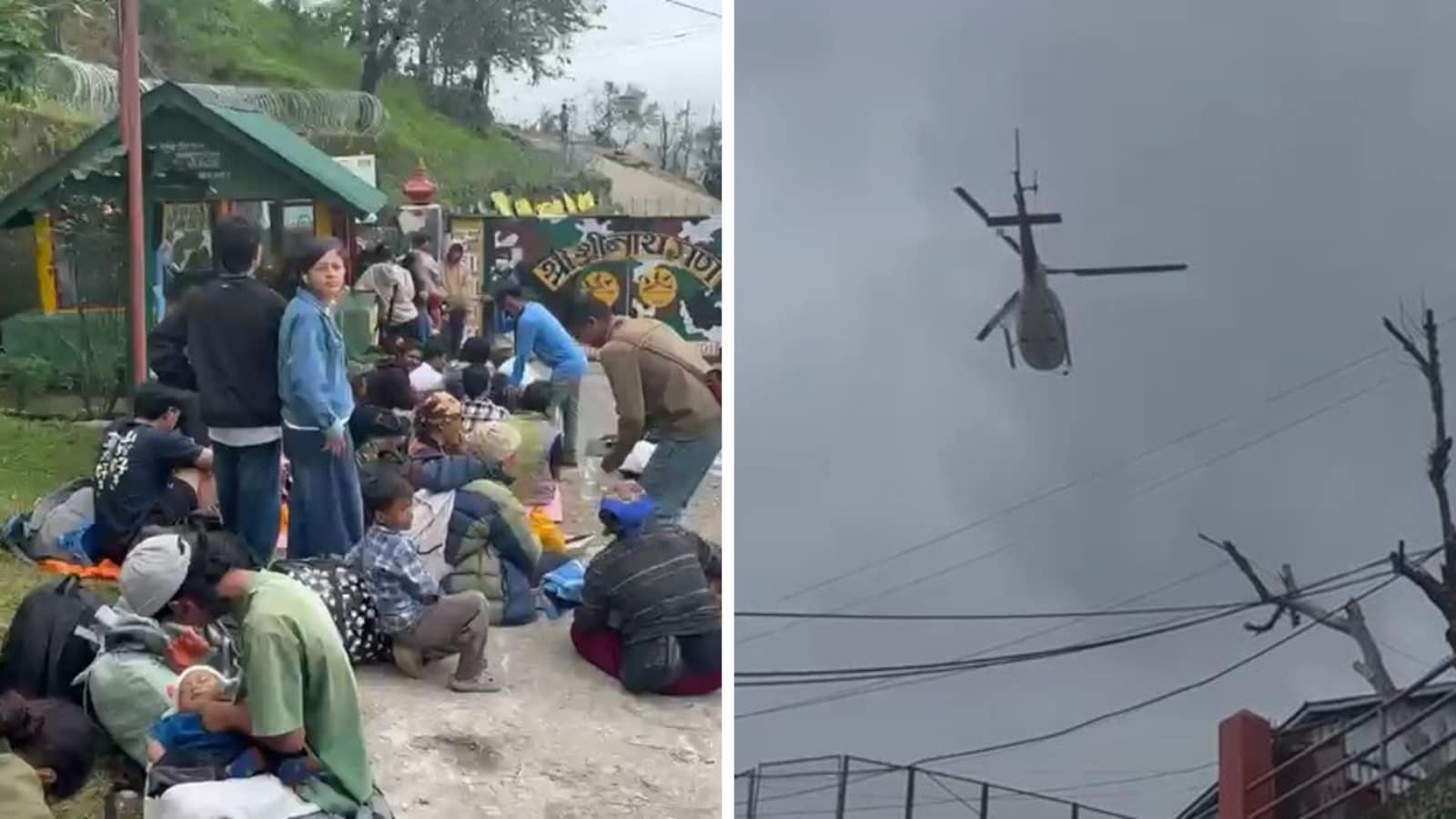
China said more than 1,000 people, including tourists, were taken to safety.
China also promised help with rescue efforts and emergency aid for Nepal.

China said a high-altitude glacier collapse in Nepal may have triggered the floods.
Nepal's reported death toll was 469, while three people died in Tibet.
Another report gave a combined death toll exceeding 547 and 558 missing.
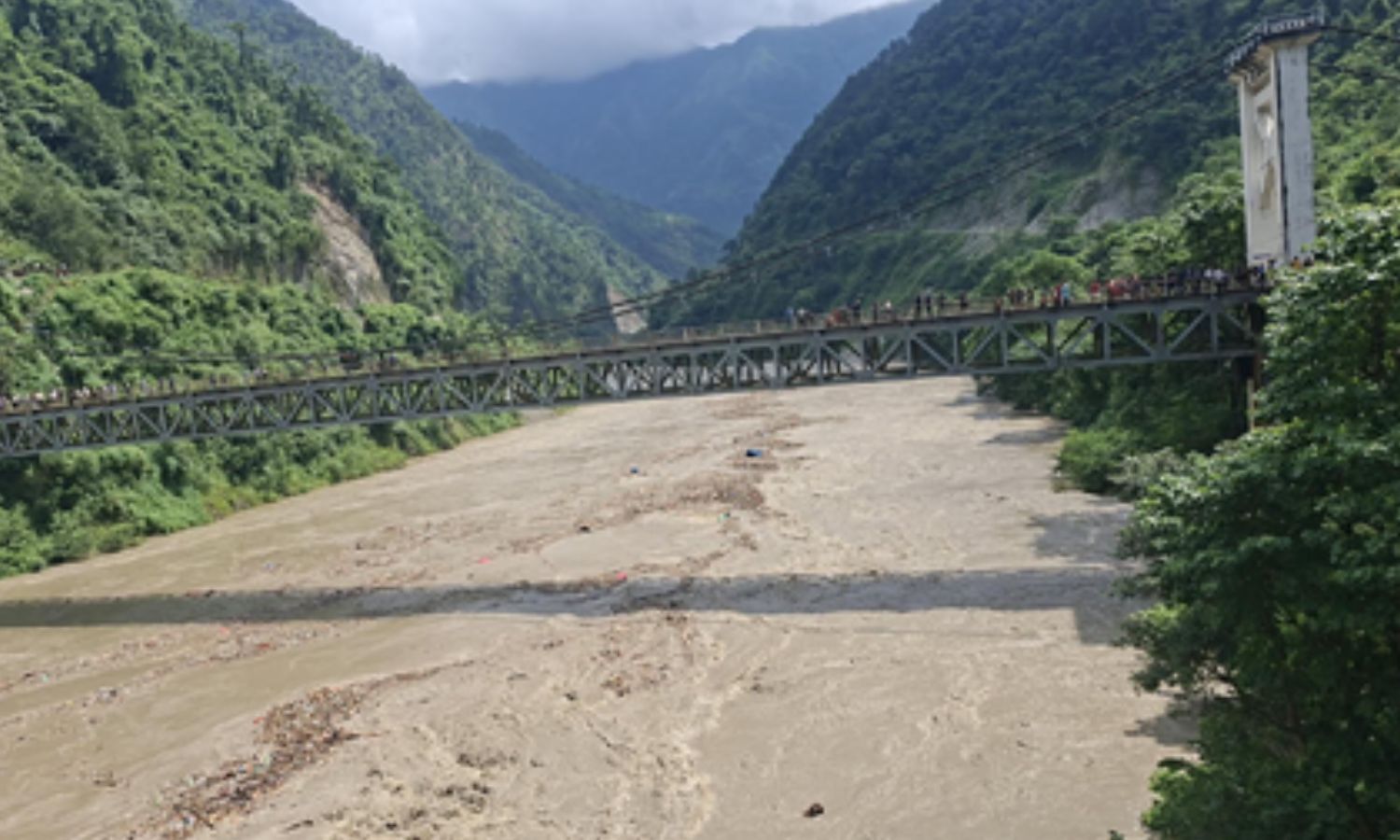
An ice-and-rock avalanche may have blocked the Lhende River before releasing a surge.
China said more than 1,000 people, including 555 tourists, were evacuated.
- Who
- People in Nepal and Tibet were affected; Chinese and Nepalese authorities and experts assessed the disaster.
- What
- A major flash flood caused deaths, missing persons, evacuations, and widespread infrastructure damage.
- Where
- The disaster struck along the Nepal-Tibet border, including Nepal's Bhotekoshi River area and Tibet's Gyirong County.
- When
- The flooding occurred on Wednesday, and China discussed its possible cause on Friday, August 28.
- Why
- Preliminary assessments suggested that a high-altitude glacier collapse or ice-and-rock avalanche blocked the Lhende River before the barrier failed.
Glacier-Collapse Explanation
Cause Still Under Investigation
What triggered the flood?
Glacier-Collapse Explanation
Chinese and Nepalese experts, Nepalese authorities, and a revised US Geological Survey analysis identified a glacier collapse or ice-and-rock avalanche followed by a debris flow.
Cause Still Under Investigation
The reports describe the assessment as preliminary; early speculation also included a glacial lake outburst flood, and scientists were still examining satellite imagery and the exact sequence of events.
Key facts
- Reported Nepal deaths
- 469 in two reports; another report said the overall death toll had exceeded 547.
- Reported Tibet deaths
- Three people, according to two reports.
- Missing people
- One report said 558 people, including 260 foreigners, remained missing; the other reports did not provide this figure.
- Evacuations
- More than 1,000 people, including 555 tourists, were evacuated from Gyirong County.
- Possible trigger
- A high-altitude glacier collapse, ice-and-rock avalanche, and resulting debris flow were identified as preliminary explanations.
- River system
- The Lhende River blockage reportedly released a surge into the Bhotekoshi and Trishuli river system.
- China's response
- China said it would provide emergency aid to Nepal and conduct international rescue cooperation.
Quotes
Communist Party of China meeting
Statement from a ruling Communist Party of China meeting presided over by Xi Jinping
“We noted that experts and official institutions of China and Nepal have made preliminary assessments on the cause of the disaster. According to their analysis, the disaster may have been triggered by the collapse of a high-altitude glacier in Nepal.”
 m.rediff.com
 freepressjournal.in
 theprint.in
“The disaster occurred in a severely cold plateau region with steep valleys, variable weather, many surrounding glaciers and glacial lakes, as well as potential geological hazards, which poses significant challenges to emergency rescue operations”
freepressjournal.in
Sources

Related news
China, Nepal Link Glacier Collapse to Deadly Border Floods

China Rejects Flood Trigger Claim After Himalayan Disaster
Nepal Border Flood Mystery Shifts From Earthquake To Glacier Collapse

Nepal-China Floods Leave Hundreds Dead and Thousands Missing
Nepal Floods Kill 469 as Barrier Lakes Threaten New Deluge
China Rejects Claims Tibet Hydropower Projects Triggered Nepal Floods

Nepal Thanks India as Glacial Disaster Rescue Efforts Continue
Nepal Warns of Heavy Rain After Deadly Floods
Nepal Flood Exposes Delayed Alerts and Cross-Border Warning Gaps
Bhotekoshi Flood Crisis: Nepal PM Shah Calls for Courage

Nepal PM Thanks India, China Amid Climate Compensation Demand