

1 week ago
A Decade of UPI Makes India Cashless, Not Cash-Free
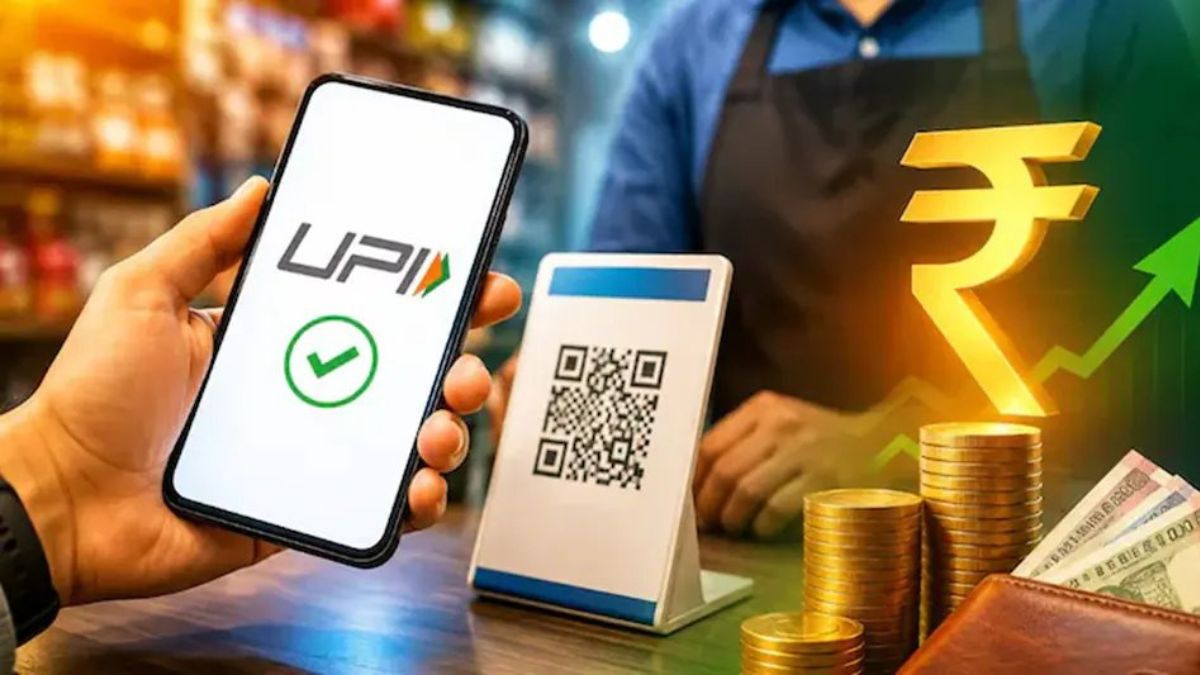
UPI lets people use their phones to send and receive money.
It has become very popular in India over the past 10 years.
People use it for small purchases, transfers, and many everyday payments.
However, Indians still keep and use a lot of physical cash.
The amount of cash in circulation has reached a record level.
Experts say digital payments have replaced cash in many shops, especially for purchases below Rs 500.
Cash remains important in smaller towns and parts of the business economy.
This makes it difficult for the central bank to predict how much cash the country will need.
India is therefore becoming cashless in many transactions, but it is not yet cash-free.

UPI transactions rose from 17.8 million in FY17 to over 241.62 billion in FY26.
UPI transaction value increased from Rs 7,000 crore to about Rs 314 lakh crore.
Currency in circulation reached a record Rs 41.7 lakh crore despite rapid digital-payment growth.
Cash’s share of private consumption fell to about 45-50%, from roughly 65% earlier.
UPI operates in 11 countries and represented nearly 49% of global real-time payment volume in 2025.
- Who
- Indian consumers, businesses, banks, the Reserve Bank of India, and the National Payments Corporation of India are central to the development and use of UPI.
- What
- UPI has transformed digital payments in India while physical currency in circulation has also reached a record level.
- Where
- The change is centered in India, with UPI also operating in 11 countries, including the United Arab Emirates, France, Singapore, and Qatar.
- When
- UPI was piloted in April 2016; the article compares figures through FY26 and cites global data from 2025.
- Why
- Digital payments have expanded rapidly, but cash remains important for consumption, smaller towns, and parts of the business economy, complicating currency planning.
Digital Payments Are Replacing Cash
Cash Remains Essential
Changing payment habits
Digital Payments Are Replacing Cash
Digital payments have caused a structural shift away from cash at the retail level, with cash accounting for about 45-50% of private consumption expenditure compared with about 65% earlier.
Cash Remains Essential
Cash remains the default for much of the country and continues to support consumers and businesses, particularly in smaller towns and cash-based parts of the economy.
Meaning of rising cash holdings
Digital Payments Are Replacing Cash
The growth of cash in absolute terms does not necessarily mean cash is gaining importance because its inflation-adjusted value is declining and its share of individual transactions is falling.
Cash Remains Essential
Currency in circulation continues to rise, ATM withdrawals are getting larger, and expanding consumption means the overall stock of cash can keep growing even as digital payments gain ground.
Policy challenge
Digital Payments Are Replacing Cash
UPI’s scale and dominance in digital payments show that India has become decisively more cashless.
Cash Remains Essential
The coexistence of rapidly growing digital payments and double-digit currency growth makes future demand harder to predict and complicates the Reserve Bank of India’s currency-production and distribution planning.
Key facts
- Currency in circulation
- Rs 41.7 lakh crore, a record level cited in the article.
- UPI transactions
- More than 241.62 billion annual transactions in FY26, compared with 17.8 million in FY17.
- UPI transaction value
- About Rs 314 lakh crore in FY26, compared with Rs 7,000 crore in FY17.
- Cash-to-GDP ratio
- 12% in FY26, down from a pandemic-era peak of 14.4% in FY21.
- UPI ecosystem
- The number of participating banks rose from 44 in FY17 to 703 in FY26.
- Small-ticket payments
- Person-to-merchant payments represented 63% of UPI transaction volume, and 86% of those were below Rs 500.
- International reach
- UPI was operational in 11 countries and accounted for nearly 49% of global real-time payment transaction volume in 2025.
Quotes
Shirish Chandra Murmu
RBI Deputy Governor discussing the challenges created by rising digital payments and cash circulation.
“Currency in circulation continues to grow at double-digit rates even as cash’s share of individual transactions declines, thanks to growing digital payment adoption. That combination makes future demand harder to predict, which complicates our planning for production and distribution capacity.”
 financialexpress.com
“Currency in circulation keeps growing, banks and retailers keep pushing into smaller towns, and the average ATM withdrawal is getting larger. Cash is a public infrastructure, still the default for much of the country and a lifeline for millions.”
financialexpress.com
Sources
Related news

UPI Reaches Decade Milestone as India’s Digital Payments Backbone

UPI Turns Ten With 13,000-Fold Growth, Global Expansion
UPI at 10: India's biggest payments system faces fee challenge
UPI Turns India’s Payment Experiment Into Global Infrastructure
India’s UPI Revolution Pushes Digital Payments Toward Cashlessness

Modi Marks UPI’s Decade as India’s Digital Payments Turning Point

NITI Aayog Flags India’s Graduate Skills and Jobs Gap
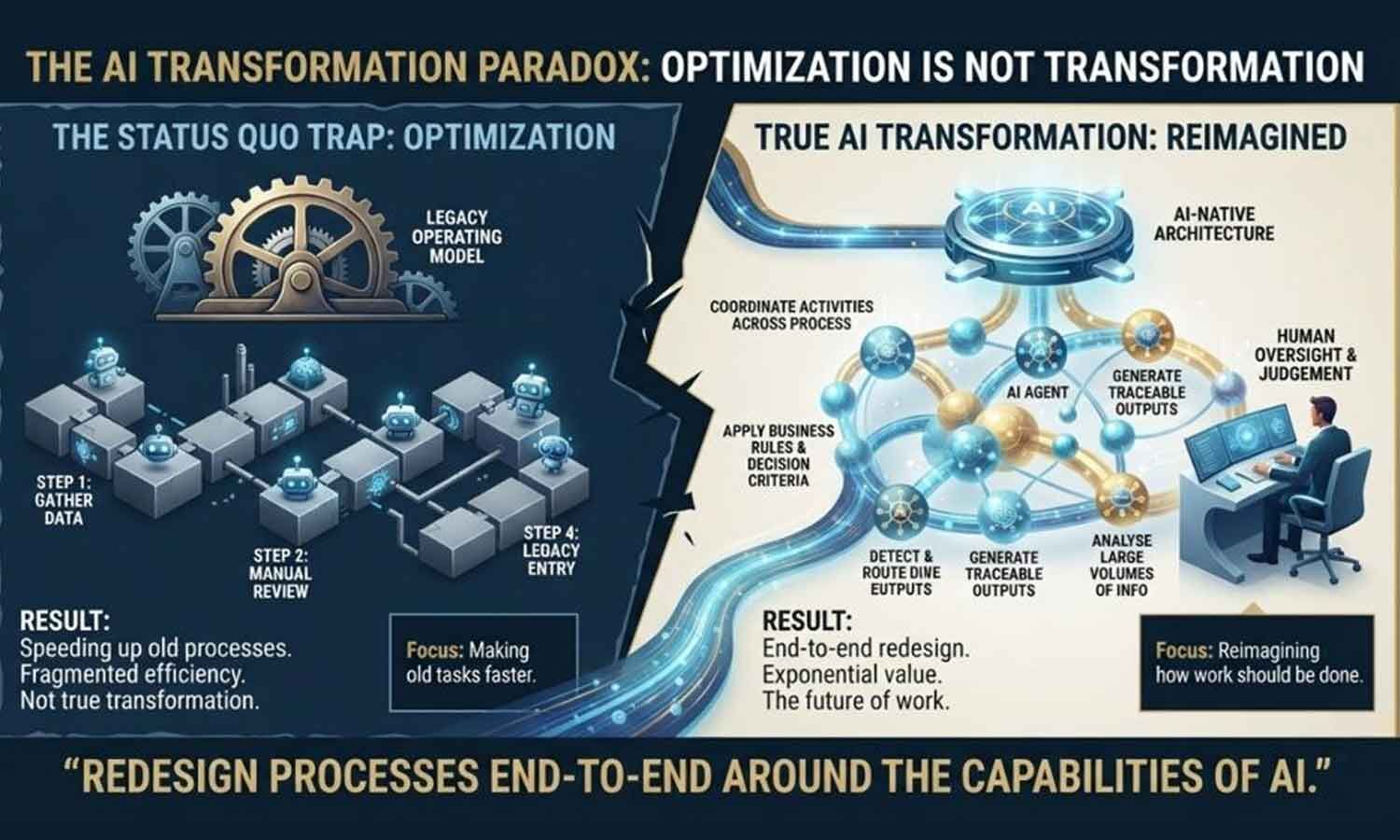
Why AI-Native Workflows Must Replace Old Incremental Automation

India’s Graduate Unemployment Surges as Skills Gap Widens

Banking AI Race Shifts From Chatbots To Back Office
