1 hr ago
Super El Niño Threatens Heat, Drought, Floods, and Lives
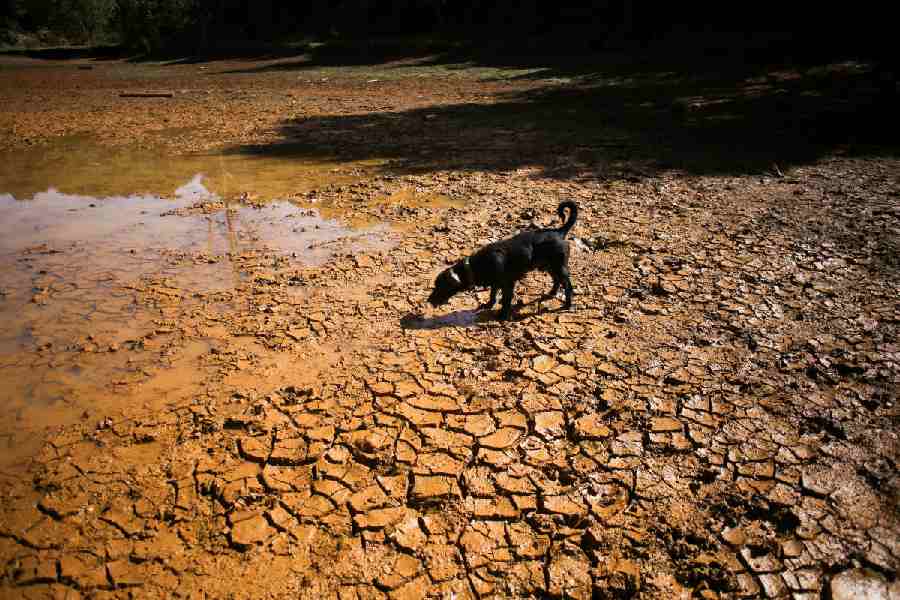
El Niño is a natural change in ocean temperatures that can affect weather around the world.
It can bring droughts and crop failures to some places, while causing heavy rain and floods in others.
The article says a very strong El Niño may develop during a period when the planet is already warmer than usual.
Experts project many additional heat-related deaths between June 2026 and February 2027.
India could be among the countries most affected, with an estimated 15,800 additional heat-related deaths.
The article says India is already facing disrupted monsoons and drought risks.
Past major El Niño events also caused very large economic losses worldwide.
The editorial argues that governments should prepare immediately rather than wait for the impacts.
It recommends heat action plans, drinking-water facilities, and plans for water shortages, crop losses, floods, and dam management.

The World Meteorological Organization reports that a very strong El Niño is developing.
Sea-surface temperatures in the central and eastern equatorial Pacific were 3.08°C above the 1991–2020 average on September 21.
The Climate Impact Lab projects 451,000 additional heat-related deaths globally from June 2026 to February 2027.
India could experience an estimated 15,800 additional heat-related deaths, including 7,400 during winter.
The editorial calls for urgent heat, water, agriculture, flood, and dam-management preparations.
- Who
- The World Meteorological Organization, the Climate Impact Lab, India’s government and meteorological authorities, and populations in vulnerable countries are involved or affected.
- What
- A very strong, potentially ‘Super El Niño’ is developing, with projected heat-related deaths, droughts, floods, and economic damage.
- Where
- The central and eastern equatorial Pacific is where El Niño develops; India, Nigeria, Indonesia, Sudan, and Brazil are identified as among the countries most affected.
- When
- The article cites September 21 ocean temperatures, June 2026 to February 2027 death projections, and preparations needed before impacts intensify.
- Why
- Human-induced global warming is making the event more dangerous, while the article says preparedness measures and district-level assessments remain insufficient in India.
Key facts
- Projected global deaths
- 451,000 additional heat-related deaths from June 2026 to February 2027
- Projected Indian deaths
- 15,800 additional heat-related deaths by February, including 7,400 during winter
- Pacific temperature anomaly
- 3.08°C above the 1991–2020 average on September 21
- Historical El Niño mortality
- The 1877–78 El Niño was associated with more than 50 million deaths from drought and famine
- Historical economic losses
- The 1982–83 and 1997–98 events were associated with global income losses of $4.1 trillion and $5.7 trillion
- Countries identified as highly affected
- India, Nigeria, Indonesia, Sudan, and Brazil
- Recommended preparations
- Heat action plans, hydration facilities, and contingency plans for water shortages, crop losses, floods, and dam management
Sources
Related news

Super El Niño Could Cause 15,800 Extra Indian Heat Deaths

Super El Niño Could Drive 451,000 Heat Deaths

India projected to see 16,000 extra heat deaths
Super El Niño Threatens Deaths, Crop Losses and Extreme Weather
What Makes an El Niño Super and Especially Severe
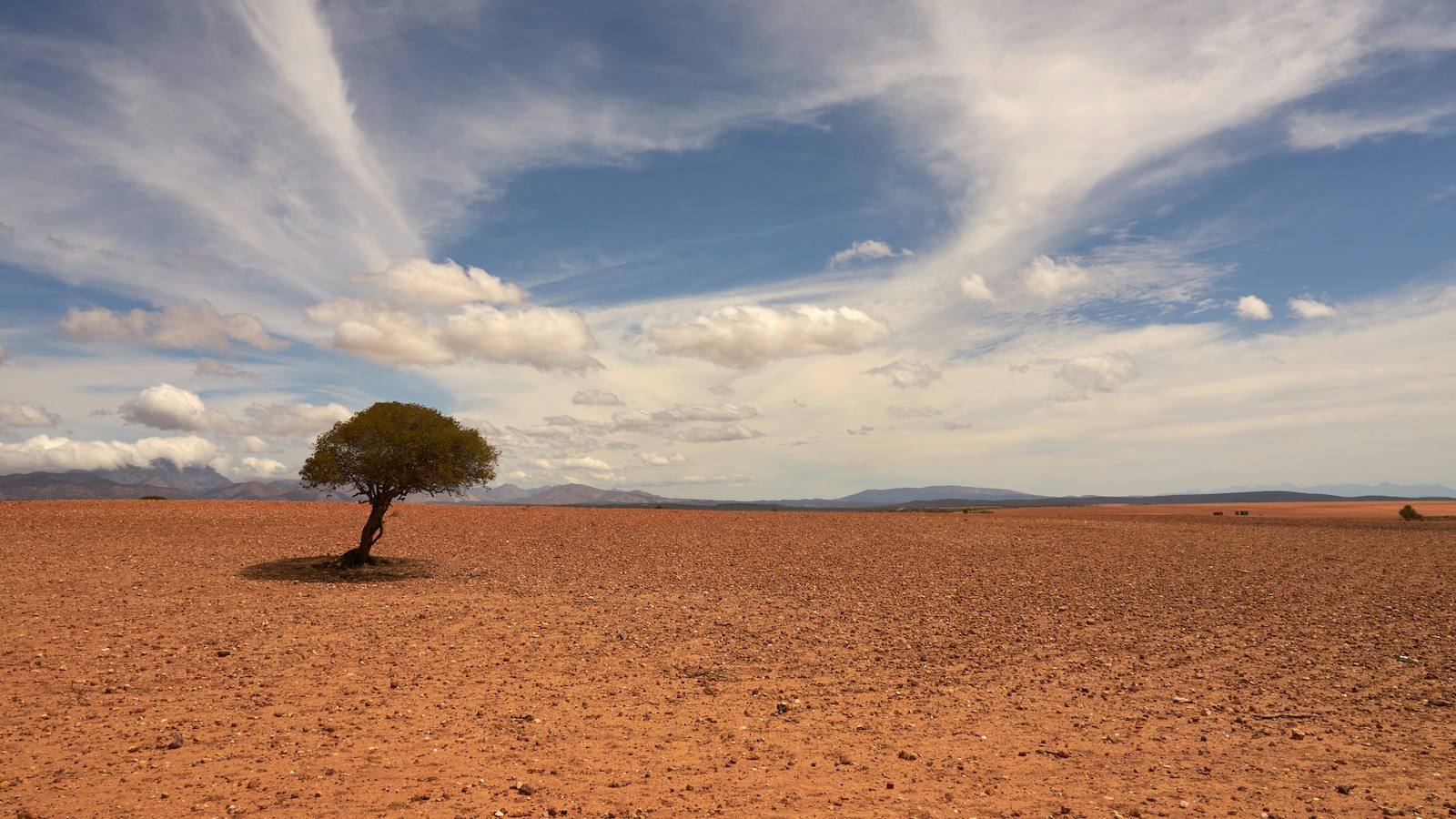
Supersized El Niño Could Become Strongest Ever, UN Warns

Indonesia Drought Threatens Coal Shipments and Raises Global Manufacturing Costs
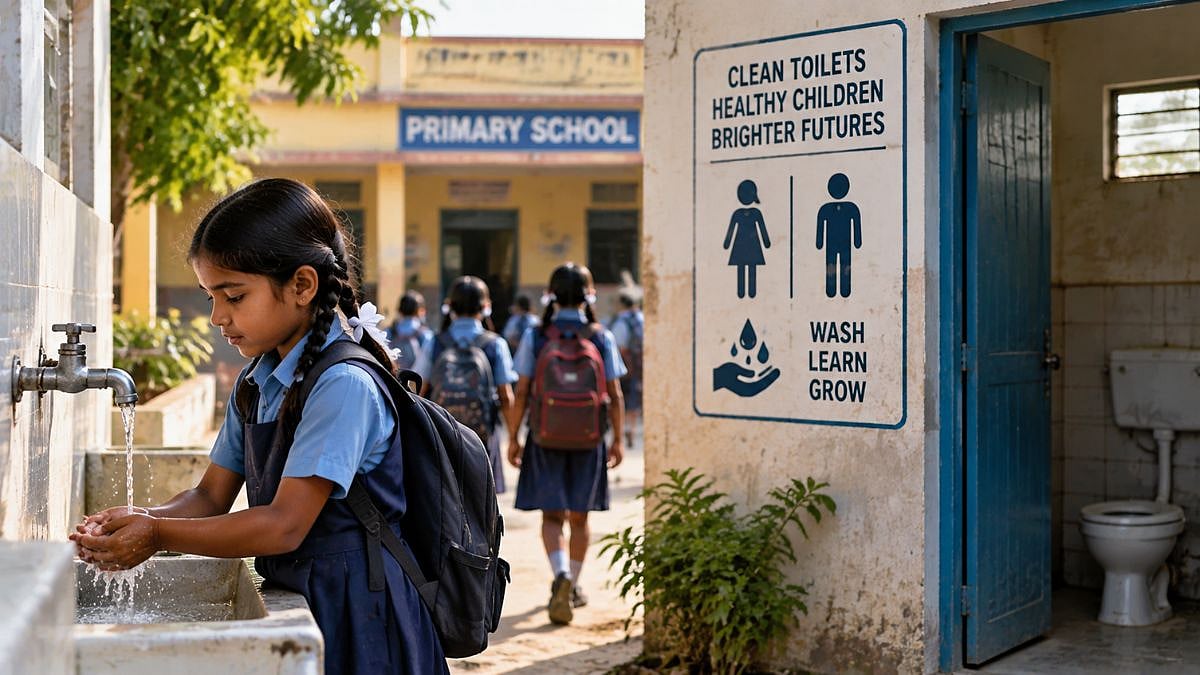
India Has 50 Million Children Without School Sanitation Services

Signal and Communication Faults Blamed for Indonesia Train Collision

UN Leaders Urge Youth Investment, Warn AI May Widen Inequality