

2 hrs ago
Super El Niño Threatens Deaths, Crop Losses and Extreme Weather
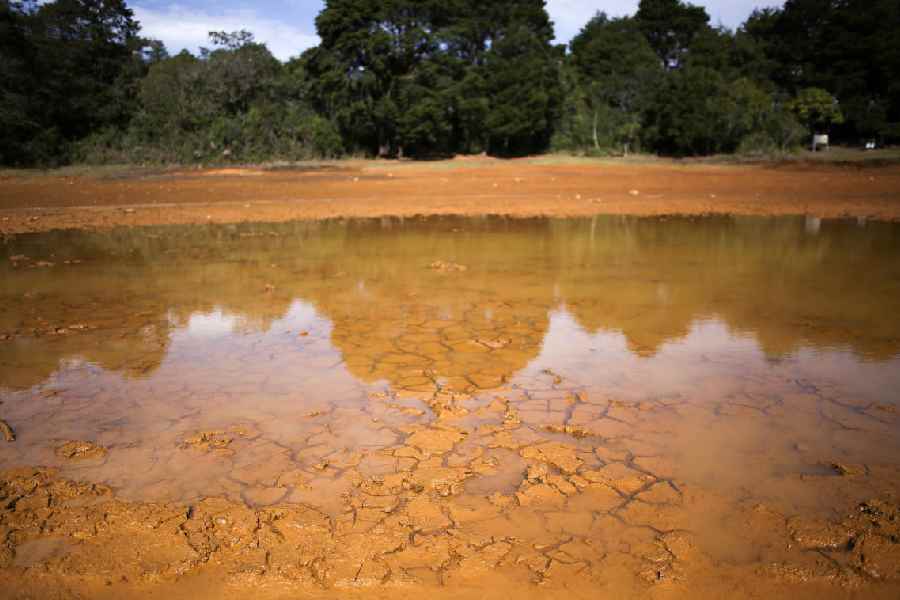
El Niño is a natural change in Pacific Ocean temperatures that affects weather around the world.
This developing El Niño may become unusually strong.
Scientists say it could bring very hot weather, droughts, floods and crop losses.
Climate change makes the planet warmer before El Niño begins, which can make its effects worse.
Some places, including southern Africa, Central America and Australia, may become much drier.
Other areas, including parts of South America and Central Asia, may receive dangerous amounts of rain.
The heat could cause hundreds of thousands of additional deaths, although warnings and emergency help could save many people.
Food supplies may also be threatened, putting nearly 50 million people at risk of acute hunger by the end of 2027.
El Niño is natural, but human-caused warming can make its consequences more severe.

The developing El Niño could become one of the strongest on record, with peak intensity expected by early 2027.
The Climate Impact Lab estimates the event could cause 451,000 excess heat-related deaths by February.
Climate change does not cause El Niño, but higher global temperatures can intensify its heat, droughts, floods and fires.
Southern Africa, Central America and Australia face increased drought risks, while parts of South America and Central Asia could see heavier rain and flooding.
Nearly 50 million people could face acute hunger by the end of 2027, while crop yields and hydropower production may suffer.
- Who
- The World Meteorological Organization, the National Oceanic and Atmospheric Administration, the University of Chicago's Climate Impact Lab and the United Nations World Food Programme provided forecasts or assessments.
- What
- A potentially very strong El Niño is developing, threatening extreme heat, flooding, drought, deaths, crop losses and hunger.
- Where
- Impacts may occur worldwide, including in the Pacific, Africa, Central and South America, Australia, Central Asia and Europe.
- When
- The event is expected to peak by early 2027; forecasts cited risks through February and the end of 2027.
- Why
- El Niño shifts global rainfall and temperature patterns, while climate change raises the baseline temperature and can intensify its effects.
Key facts
- Expected peak
- Early 2027
- Estimated excess deaths
- 451,000 heat-related deaths
- Pacific temperature anomaly
- 3.05°C above normal, the highest recorded for an El Niño
- Potential hunger risk
- Nearly 50 million people by the end of 2027
- Highest projected national death toll
- Nigeria, with 31,400 deaths
- Other projected national death tolls
- Indonesia: 19,300; Sudan: 17,600
- Climate classification
- The World Meteorological Organization describes the event as potentially very strong rather than officially using the term super
Sources
Related news
Supersized El Niño Could Become Strongest Ever, UN Warns

Super El Niño Could Cause 15,800 Extra Indian Heat Deaths
Powerful El Niño May Become Strongest on Record
WMO Warns Very Strong El Niño Could Reshape Global Weather

India projected to see 16,000 extra heat deaths

El Nino Matches Record Intensity, Bringing Weather Disruptions Worldwide

Indonesia Cricket Chairman Abhiram Singh Yadav Joins ICC Executive Committee

Indonesia court cuts Gojek founder Nadiem Makarim's sentence on appeal

Roshibina Devi Wins Historic Asian Games Silver Despite Flu

India Misses Pistol Medal as Skeet Pair Reach Final