

1 hr ago
What Makes an El Niño Super and Especially Severe
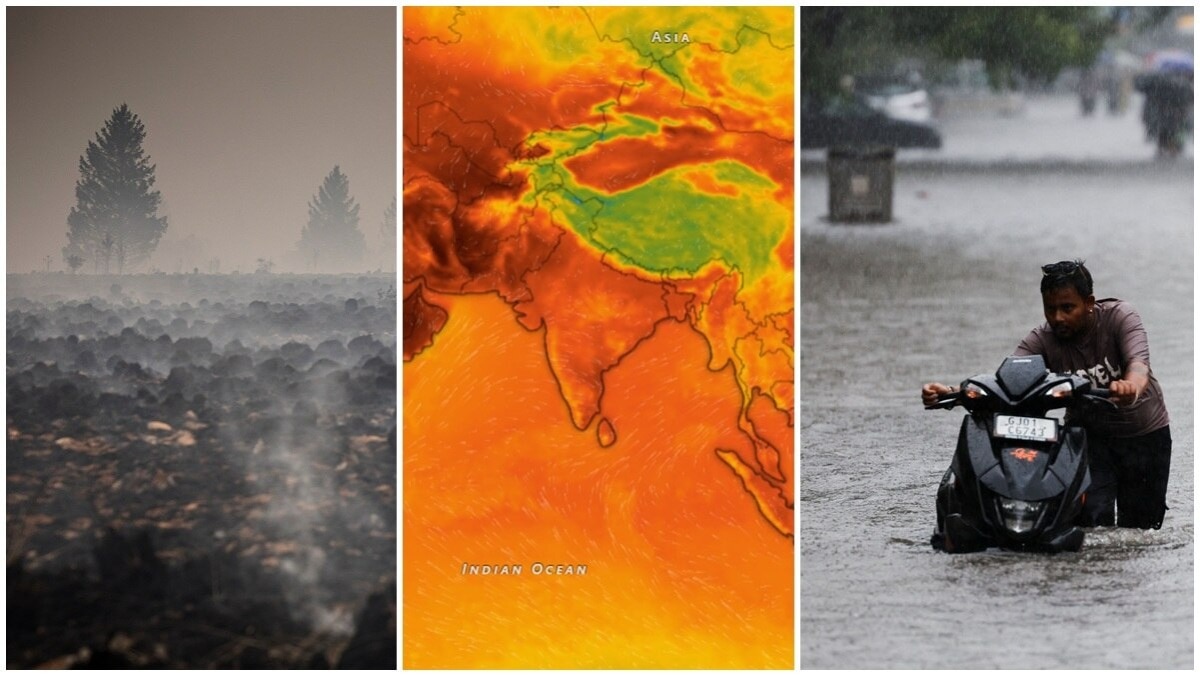
El Niño is a natural climate pattern that warms parts of the Pacific Ocean.
It usually happens every two to seven years.
Weaker trade winds allow warm water to move toward the eastern Pacific.
This can change rainfall and temperatures around the world.
Scientists measure El Niño by comparing ocean temperatures with normal levels.
The current temperatures are 3.05°C above normal, the highest recorded for an El Niño.
The World Meteorological Organization expects the event to become very strong.
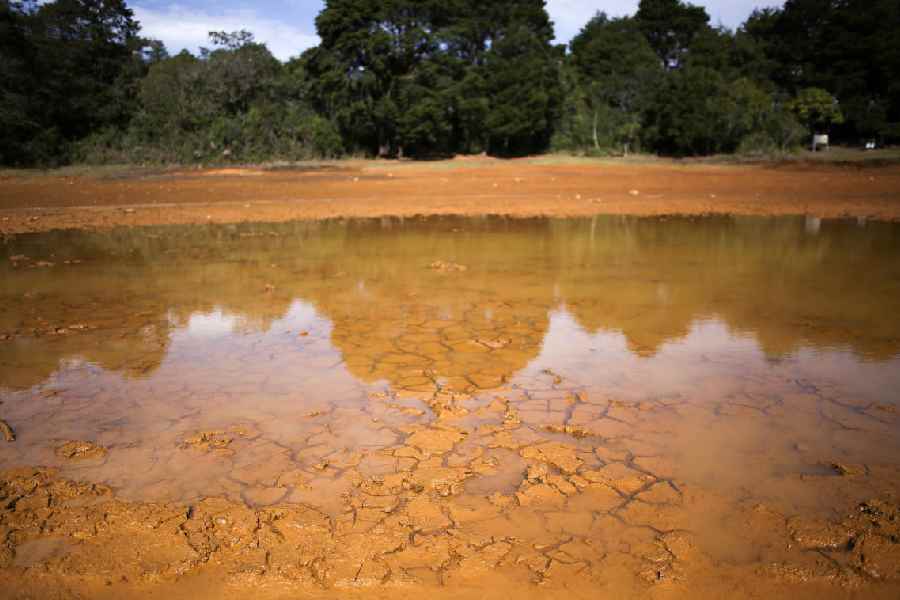
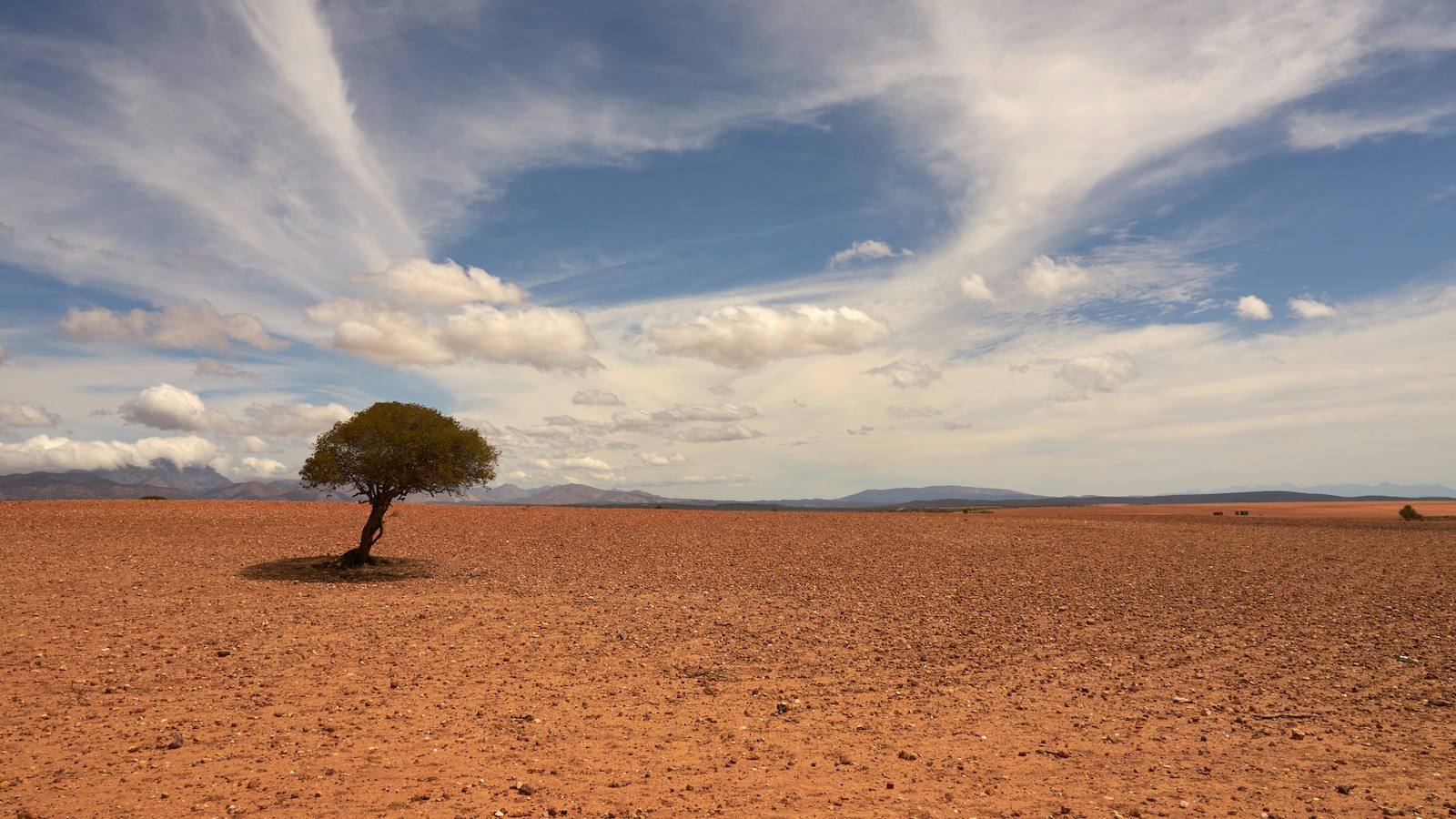
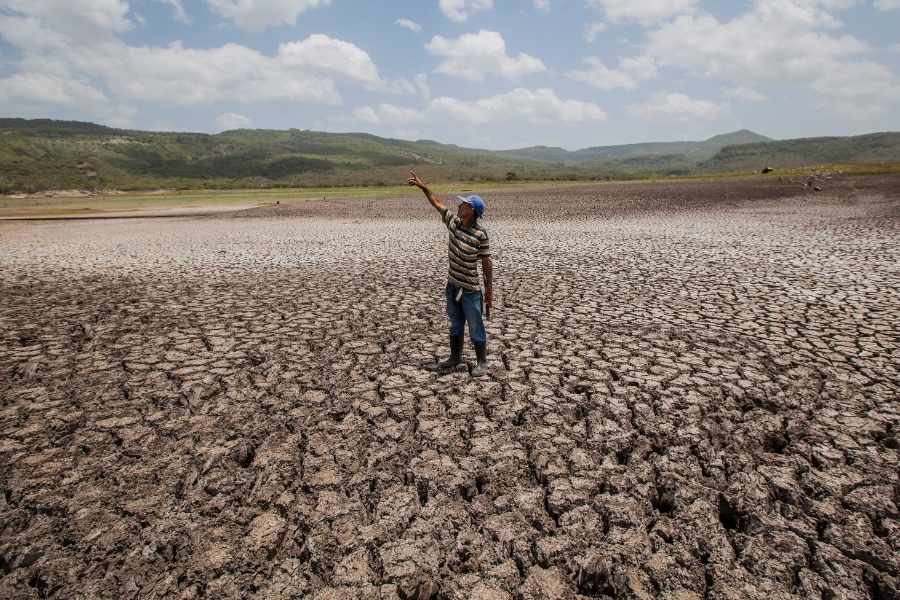
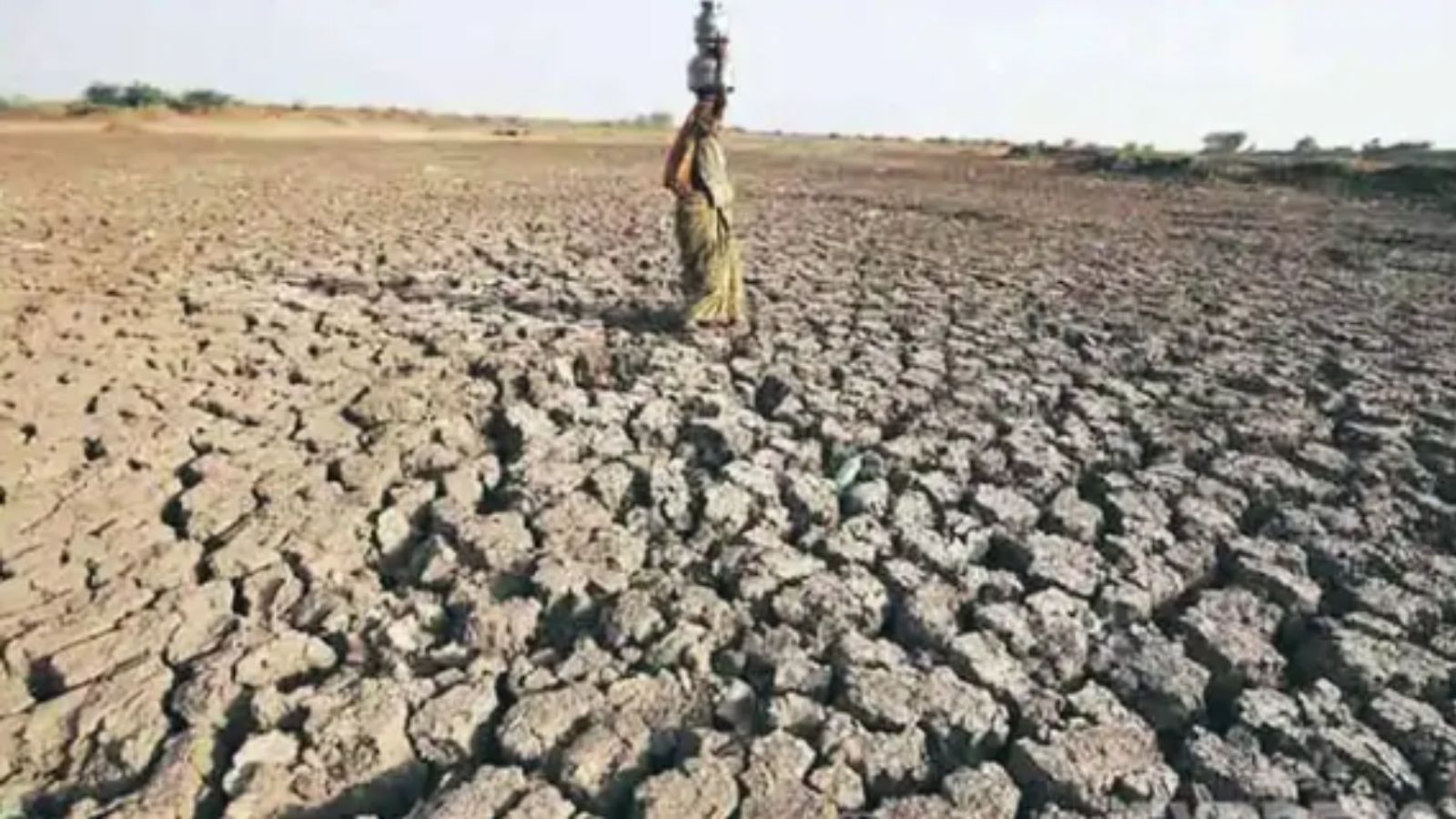
Some places may face floods, while others may experience drought and extreme heat.
These changes could damage crops and leave millions of people without enough food.

Equatorial Pacific sea temperatures are 3.05°C above normal, a record El Niño anomaly.
NOAA defines El Niño events from weak at 0.5°C to very strong at 2.0°C.
The World Meteorological Organization does not officially use “super El Niño,” but forecasts a very strong event.
El Niño is natural and is not caused by climate change, though warming can worsen its effects.
The event could bring floods, drought, extreme heat, crop losses and acute hunger worldwide.
- Who
- The National Oceanic and Atmospheric Administration, the World Meteorological Organization and the United Nations World Food Programme are among the organizations assessing the event and its risks.
- What
- A developing El Niño event has produced record-high equatorial Pacific sea-surface temperature anomalies and could become very strong.
- Where
- The event is centered in the equatorial Pacific but could affect rainfall, temperatures and food security worldwide.
- When
- The record temperature anomaly was reported this month; the event is currently developing.
- Why
- Weakening trade winds allow warmer Pacific water to build up, disrupting global weather patterns.
Key facts
- Current temperature anomaly
- 3.05°C above normal in the equatorial Pacific
- El Niño threshold
- 0.5°C above normal
- NOAA very strong threshold
- 2.0°C above normal
- Expected classification
- The World Meteorological Organization forecasts a very strong event
- Main risks
- Floods, drought, extreme heat and crop losses
- Potential hunger impact
- Nearly 50 million people could face acute hunger by the end of 2027
- Climate-change relationship
- El Niño is natural, but climate change can intensify its effects
Sources
Related news
Super El Niño Threatens Deaths, Crop Losses and Extreme Weather
Supersized El Niño Could Become Strongest Ever, UN Warns
Powerful El Niño May Become Strongest on Record

US Climate Centre Sees 75% Chance of Historic El Niño
WMO Warns Very Strong El Niño Could Reshape Global Weather

El Nino Matches Record Intensity, Bringing Weather Disruptions Worldwide

China Leads PISA 2025 Science Rankings as Asia Dominates

White House Seeks US Review Before UK AI Model Access

India's AI Optimism May Mask Job Losses and Uncertainty

Breetzke Century Powers South Africa Past Australia in ODI Opener
