1 hr ago
G20 Powers Split Over How to Repair World Order
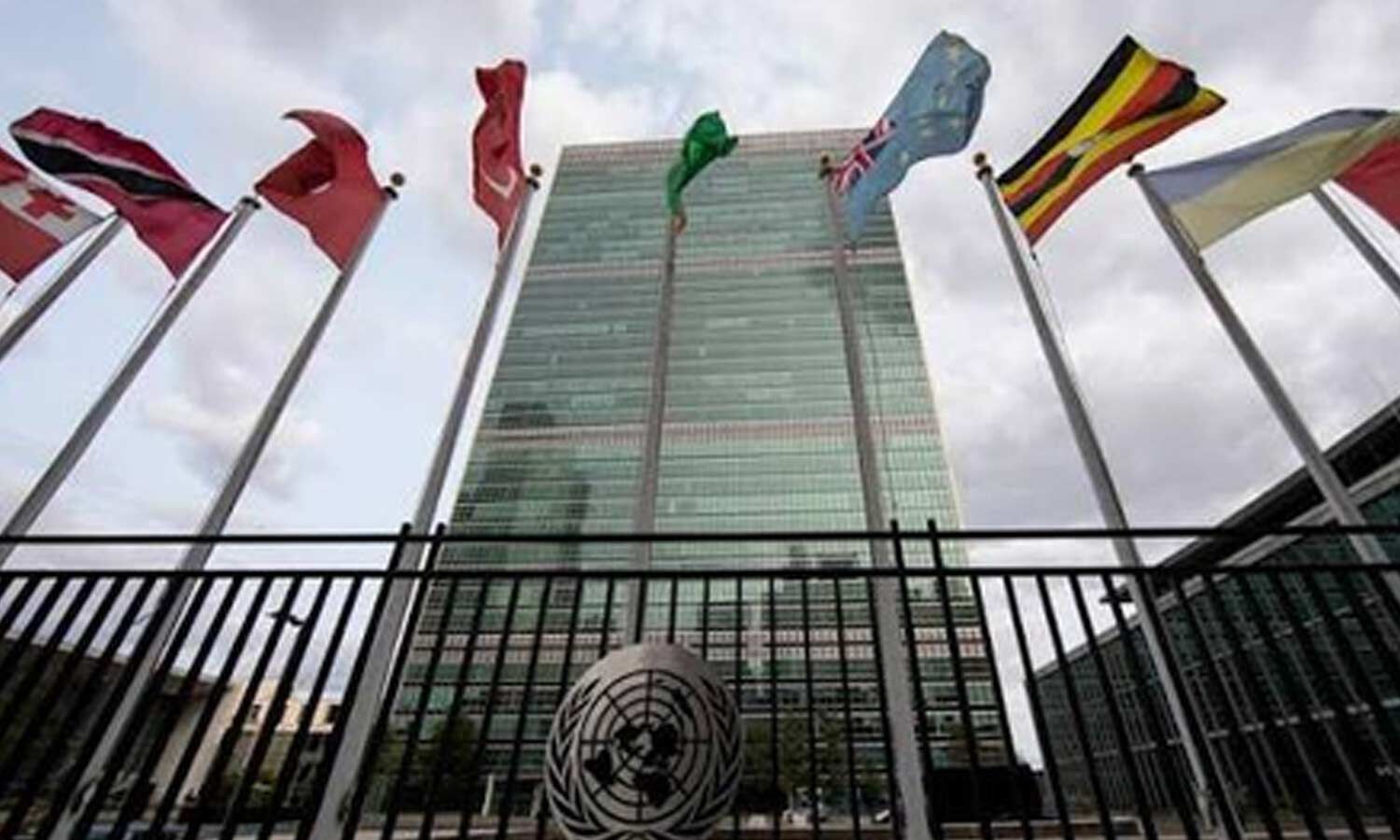
Leaders from the G20 countries said the world is becoming more divided and less trusting.
They pointed to wars, trade problems, technology competition and international organisations losing confidence.
The United States said countries should protect their own interests and defended using military power.
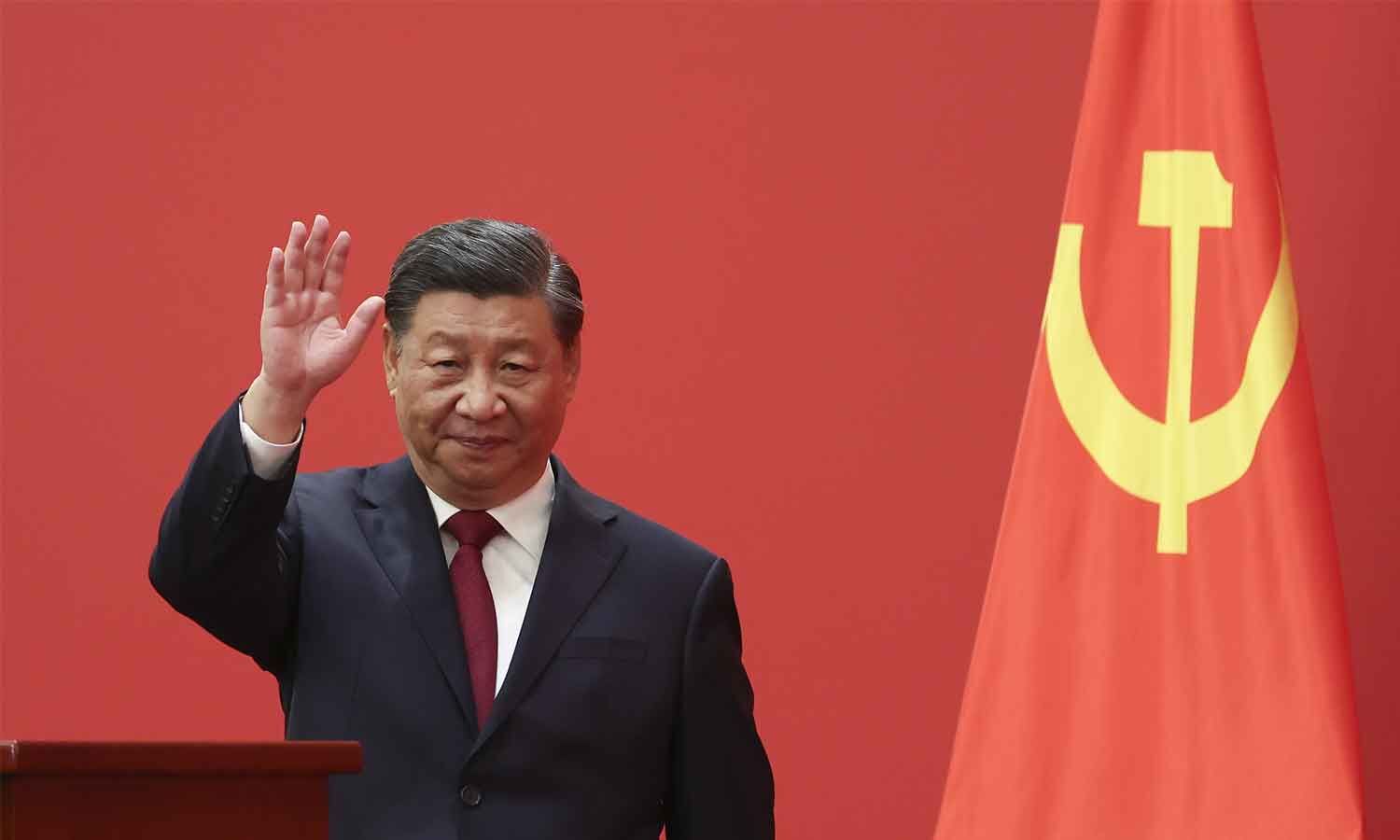
China argued that countries should solve disagreements through talks and protect global cooperation.
Brazil said diplomacy is the only way to avoid more suffering.
Some countries said international organisations need major changes, while others criticised them more strongly.
India and other countries warned that wars hurt people far away through higher food, fuel and trade costs.
Middle powers said cooperation should help ordinary families, workers and farmers.
The leaders agreed on many problems but disagreed about whether the solution is stronger global cooperation, more national independence or unilateral action.

G20 speeches warned that wars, economic coercion and technological rivalry are weakening the international order.
The United States defended military action and an “America First” approach while criticising international organisations.
China, Brazil, Mexico and Indonesia called for dialogue, diplomacy, social justice and stronger multilateral cooperation.
Russia, Argentina and others stressed national sovereignty or challenged Western dominance and existing institutions.
Middle powers highlighted supply-chain resilience, inequality, cyberthreats, artificial intelligence and the costs of prolonged conflicts.
- Who
- Governments of the G20’s 19 countries, along with the European Union and African Union, including the United States, China, Russia, India and other major and middle powers.
- What
- They debated how to respond to wars, economic disruption, technological rivalry, declining trust and a weakening international order.
- Where
- At the United Nations General Assembly.
- When
- During five days of debate at the United Nations General Assembly.
- Why
- Countries were seeking responses to spreading conflicts, economic pain, concentrated technological power and declining confidence in international institutions.
Stronger Multilateralism
National Sovereignty and Unilateral Action
Role of international institutions
Stronger Multilateralism
Countries including China, France, Germany, Brazil and Indonesia argued that international institutions and cooperation should be strengthened or adapted.
National Sovereignty and Unilateral Action
The United States criticised international organisations, while Argentina called the United Nations a “useless organization”; Russia and others criticised Western dominance within the existing system.
Managing international disputes
Stronger Multilateralism
Brazil said diplomacy was the only option, China supported dialogue, and South Korea called for renewed talks between North Korea and the United States.
National Sovereignty and Unilateral Action
The United States defended military action, and Argentina argued that international cooperation should not become subordination.
Economic and trade relations
Stronger Multilateralism
China opposed protectionism, decoupling and severing supply chains; India called for uninterrupted energy and trade flows.
National Sovereignty and Unilateral Action
Canada argued that countries could no longer remain overly dependent on any single partner, reflecting a stronger emphasis on strategic autonomy and resilience.
Key facts
- G20 membership
- The G20 comprises 19 countries, the European Union and the African Union.
- Economic reach
- G20 members account for about 85% of global economic output.
- Trade share
- G20 members account for more than 75% of international trade.
- Population share
- G20 members represent roughly two-thirds of the world’s population.
- United States position
- Donald Trump defended military action and an “America First” approach.
- China’s position
- China called for protecting the post-war order and resolving disputes through dialogue.
- Main division
- Governments differed between supporting stronger multilateral institutions, greater national sovereignty or forceful unilateral action.
Quotes

Luiz Inácio Lula da Silva
President of Brazil
“We all know that there will be no winners on the battlefield. Diplomacy is the only option.”
 thehansindia.com
“stop imposing the far-left agenda of globalist bureaucrats who nobody ever elected”
thehansindia.com
Sources
Related news
Jaishankar Calls for Reformed Multilateralism at UN General Assembly
Guterres to Back BRICS Role in Changing World Order
Why US-China Power Is Challenging the Multipolar World

Jaishankar Calls for Global South Role in Global Decision-Making
Jaishankar Urges Cooperation and Guardrails Amid Global Order Stress
India-China Talks Consolidate Border Stabilisation, But Resolution Remains Distant
Doval and Wang Yi Advance India-China Border Talks

India-China Talks Seek Border Progress Amid Calls for Peace
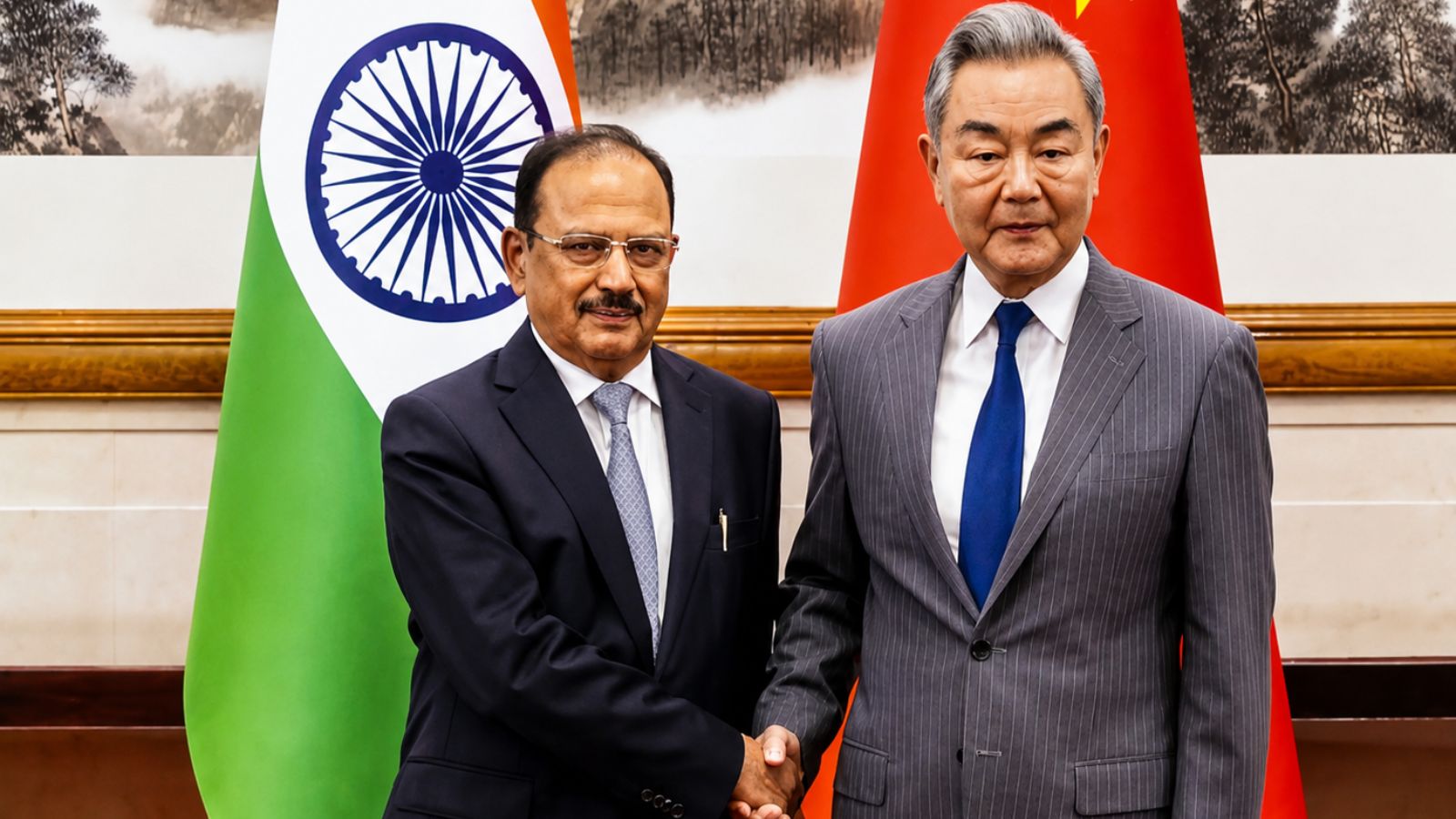
Doval Holds Beijing Talks as China Urges Long-Term Relations