1 hr ago
US-China Rapprochement Challenges India’s Strategic Autonomy and Global Role
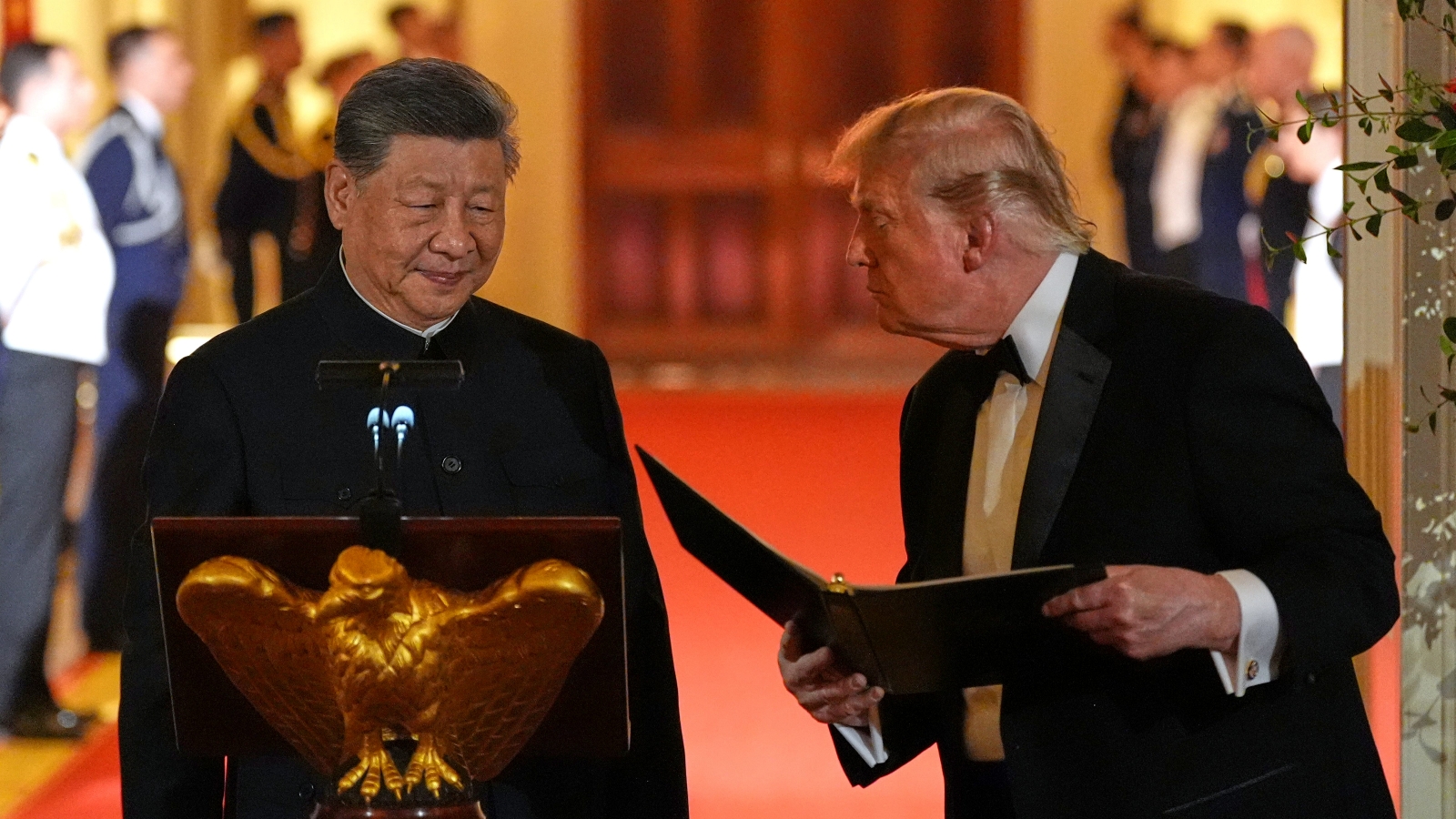
The United States and China are trying to reduce some of their conflict.
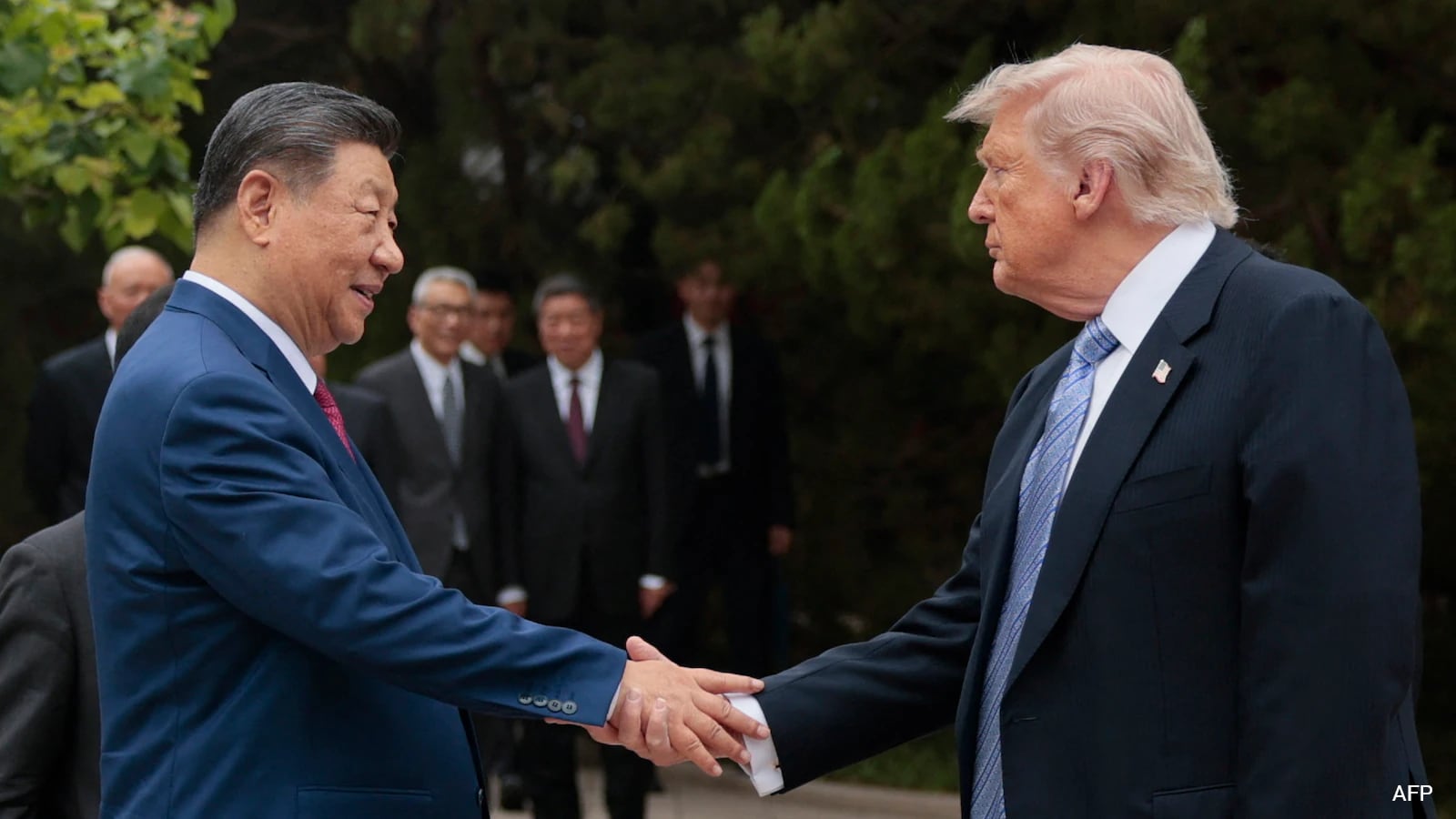
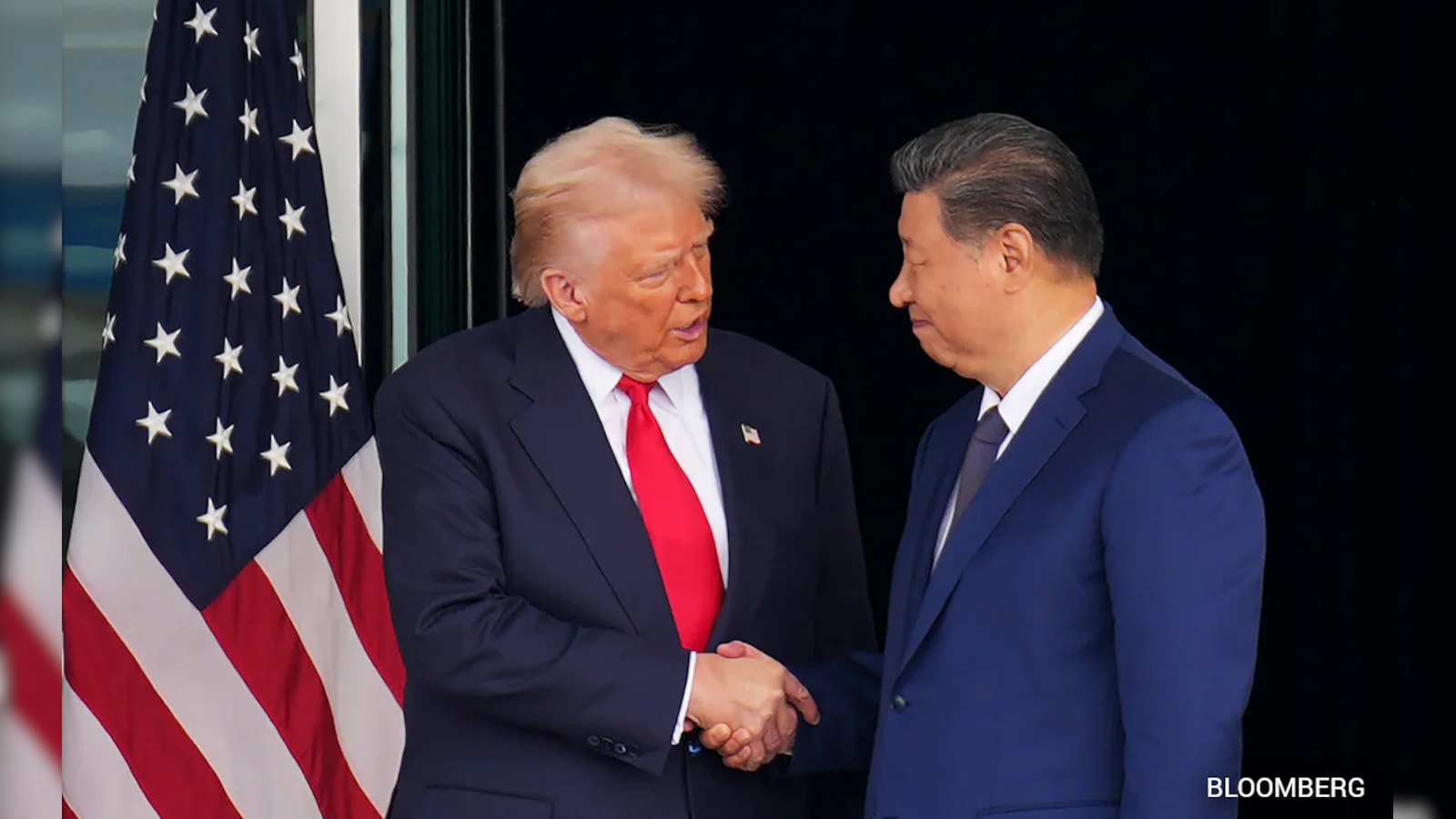
Their leaders have met twice in 2026.
This could affect how countries around the world trade, use technology and choose partners.
India is caught between cooperation with the United States and competition with China.
The article says China has challenged India’s territory, trade and influence in Asia.
It also says the United States may not treat India as an equal partner.
The author criticizes India’s government for giving in too often to outside pressure.
The proposed solution is for India to build stronger industries, institutions and international relationships.
This would help India make its own choices and gain more influence.

US President Donald Trump and Chinese President Xi Jinping have met twice in 2026 amid global upheavals and shared concerns over disruption and economic decoupling.
The article argues that Washington has paused its containment strategy while Beijing accepts limits on its ability to dictate geopolitical outcomes.
India faces pressure between competing US and Chinese interests, including US demands for greater self-reliance and China’s territorial, economic and regional challenges.
The author criticizes India’s government for accepting US tariffs and demands while making major commitments on American goods, technology and strategic cooperation.
The article calls for stronger domestic industry, better governance, deeper bilateral relationships and a more autonomous Indian foreign policy.
- Who
- US President Donald Trump, Chinese President Xi Jinping, the Indian government led by Prime Minister Narendra Modi, and India.
- What
- A developing US-China rapprochement and its possible consequences for India’s strategic autonomy, economy and global influence.
- Where
- The analysis concerns global geopolitics, with particular attention to Asia, the Indian Ocean Region and India’s relations with Washington and Beijing.
- When
- The US and Chinese presidents have met twice in 2026; the article discusses the broader strategic consequences of this shift.
- Why
- The article argues that US-China cooperation or coexistence could reshape global blocs and leave India vulnerable unless it strengthens its domestic capabilities and strategic independence.
Key facts
- US-China meetings
- Donald Trump and Xi Jinping have met twice in 2026, according to the article.
- Strategic shift
- The article says Washington has paused its containment strategy and Beijing recognises limits on dictating geopolitical outcomes.
- India-China trade deficit
- The article states that India’s trade deficit with China has reached $100 billion.
- Proposed US purchases
- The Indian government has committed to purchasing $500 billion worth of American goods, according to the article.
- US security posture
- The article says the Trump administration expects Asian states to shoulder more of their own defence.
- India’s stated challenge
- India must balance competing US and Chinese imperatives while avoiding dependence on either power.
- Recommended response
- The article advocates a durable industrial base, stronger governance, deeper bilateral ties and greater strategic autonomy.
Sources
Related news
Trump-Xi Summit Leaves India Balancing Opportunities and Risks
China’s Tactical India Rapprochement Is Shaped by US Ties
Trump-Xi Meeting Could Reshape India’s Strategic Value to Washington
China No Longer Waits for Trump to Set Rules
Xi’s BRICS-to-White House Sprint Raises Questions for India

India Seeks to De-Risk Ties With America, China
PM Modi Marks Ashok Singhal’s Birth Centenary and Legacy
UP Congress Chief Demands Cancellation of 2024 Varanasi Poll

India’s Renewable Energy Push Reshapes Its Clean Energy Future
Bhupendra Patel Targets Rahul Gandhi Over SIR Dispute