

1 hr ago
India Seeks to De-Risk Ties With America, China
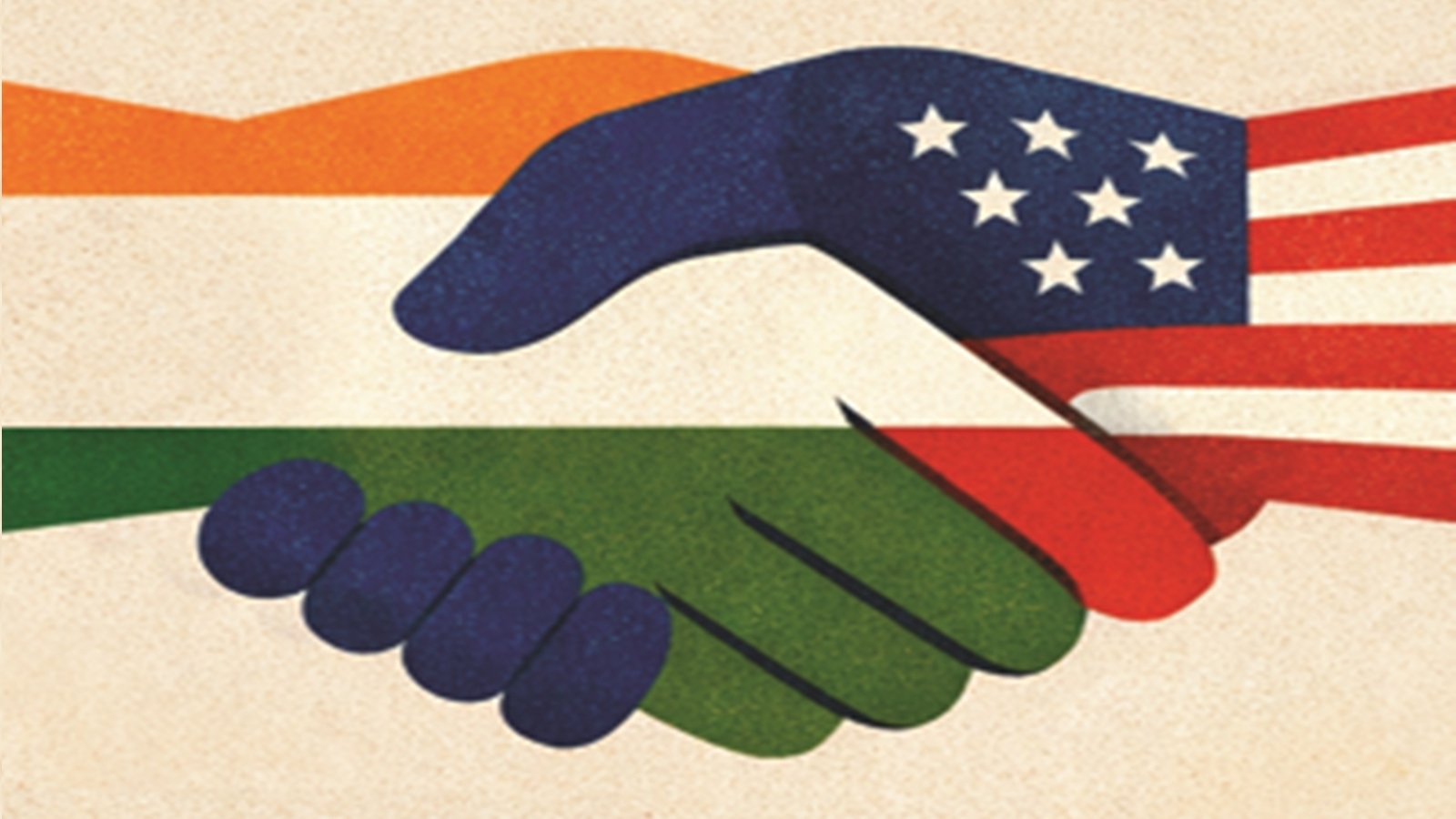
The United States has approved a law that could allow very high tariffs on countries that buy Russian oil and gas, including India.
This could make it more expensive for India to sell goods to America.
The article says the United States has already taken several economic actions against India.
India and the United States still have strong business, trade, defense and personal connections.
However, the article says trust between the two governments has weakened.
India is therefore trying to build stronger relationships with other countries.
It is also trying to become more self-reliant in defense, energy, trade and other areas.
India wants to reduce its dependence on both America and China.
But the article says India cannot completely stop working with either country.

The US Congress approved legislation authorizing tariffs of up to 100% on major buyers of Russian oil and gas, including India.
The article argues that US economic pressure has become a more serious long-term challenge for India-US relations than geopolitical disagreements.
India remains economically connected to the United States through trade, business, people-to-people links and defense cooperation.
India is expanding relationships with France, Japan, Britain, Sweden and other countries while pursuing greater defense self-reliance.
The article says India must reduce risks linked to both the United States and China without fully severing ties with either.
- Who
- India, the United States, China, Russia and other countries affected by changing economic and strategic relationships.
- What
- India is pursuing a strategy of reducing dependence and risk while maintaining ties with major powers.
- Where
- The developments concern India's international relations, including its ties with the United States, China, Russia and other countries.
- When
- The US legislation was approved in 2026; the article discusses developments since 2017 and India's strategy over the past year.
- Why
- India is responding to US economic pressure and seeking greater flexibility in defense, energy, trade and other external dependencies.
US Pressure and Strategic Leverage
Indian De-Risking and Diversification
Use of economic measures
US Pressure and Strategic Leverage
The United States is using possible tariffs and other economic measures to pressure countries that continue buying Russian energy.
Indian De-Risking and Diversification
India is seeking to reduce exposure to external pressure by diversifying its energy, trade, defense and manpower relationships.
Future of bilateral dependence
US Pressure and Strategic Leverage
The United States remains an important market and defense partner for India, making a complete break impractical.
Indian De-Risking and Diversification
India can reduce strategic dependence on the United States through partnerships with other countries and greater domestic defense capability.
Decoupling versus de-risking
US Pressure and Strategic Leverage
The article notes that US policy toward China moved away from full decoupling after American officials warned that separation would be damaging and destabilizing.
Indian De-Risking and Diversification
India is applying a similar de-risking approach to both the United States and China, maintaining economic links while limiting dependence.
Key facts
- US legislation
- The Lindsey O. Graham Sanctioning Russia and Iran Act 2026 authorizes the US president to impose tariffs of up to 100% on goods from major purchasers of Russian oil and gas.
- Countries named
- The article identifies China, India, Slovakia, Hungary and Azerbaijan as the five largest purchasers covered by the measure.
- US-India economic ties
- The United States remains an important market for Indian goods and services, with strong business and people-to-people links.
- Defense options
- India has defense relationships with France, Japan, Britain, Sweden and other European countries, alongside a policy of greater domestic defense production.
- India's strategy
- The article describes India's approach as de-risking from the United States and China rather than completely decoupling from either.
- China-US comparison
- US officials Janet Yellen and Jake Sullivan argued that the United States should pursue de-risking and diversification from China rather than full economic separation.
Quotes

Jake Sullivan
US national security advisor stating the administration’s approach to China.
“So when you mention the word ‘decouple’, it’s an interesting word. So we lose billions of dollars, and if we didn’t do business with them, we wouldn’t lose billions of dollars. It’s called ‘decoupling’. So you’ll start thinking about it. You’ll start thinking.”
 indianexpress.com
“A full separation of our economies would be disastrous for both countries. It would be destabilising for the rest of the world.”
indianexpress.com
Sources
Related news
India Must Balance National Interest With Vital US Ties
India Warns US Sanctions Bill Could Strain Ties
US Sanctions Bill Risks India’s Energy Security and Strategic Autonomy
India Warns US Russian Oil Tariffs Could Harm Ties
Trump Signs Russia Sanctions Law, Putting India Ties Under Pressure
US Russia Sanctions Bill Raises India Tariff Risk
India Chases First Gold as Asian Games 2026 Continue

How R.N. Kao Built India’s External Intelligence Agency
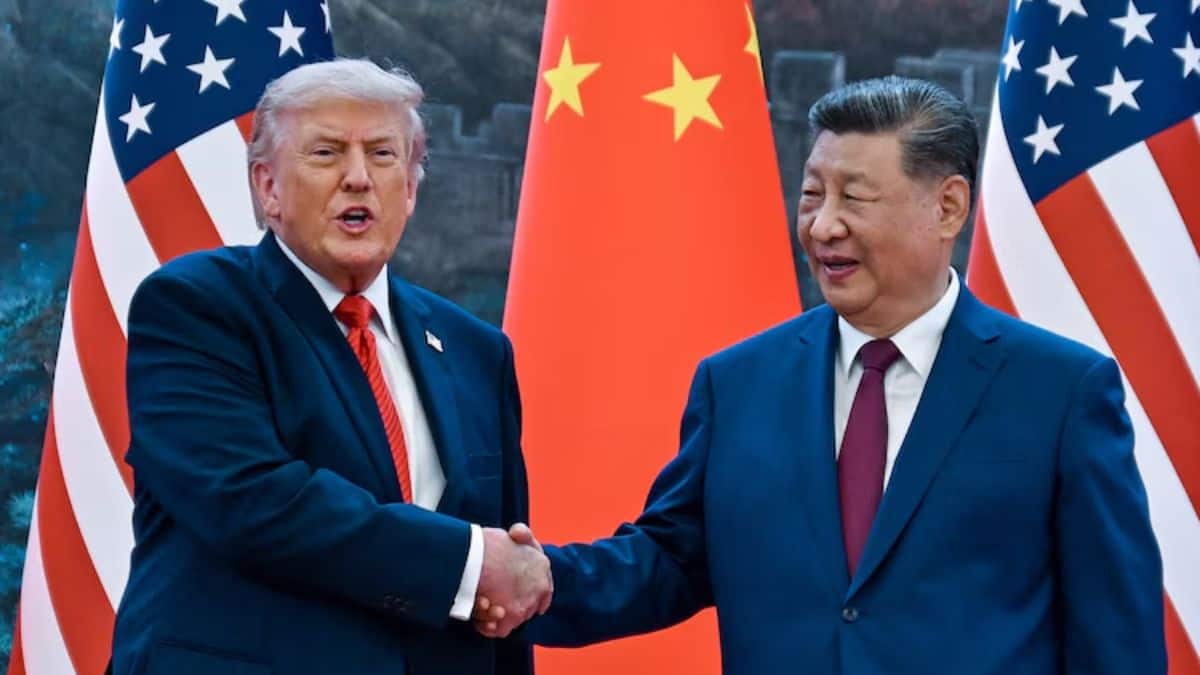
US, China Begin Trade and AI Talks Before Trump-Xi Summit

Readers Raise Concerns Over Dementia, Liquor, Climate, Campuses and Reading
